
 Save to Pinterest
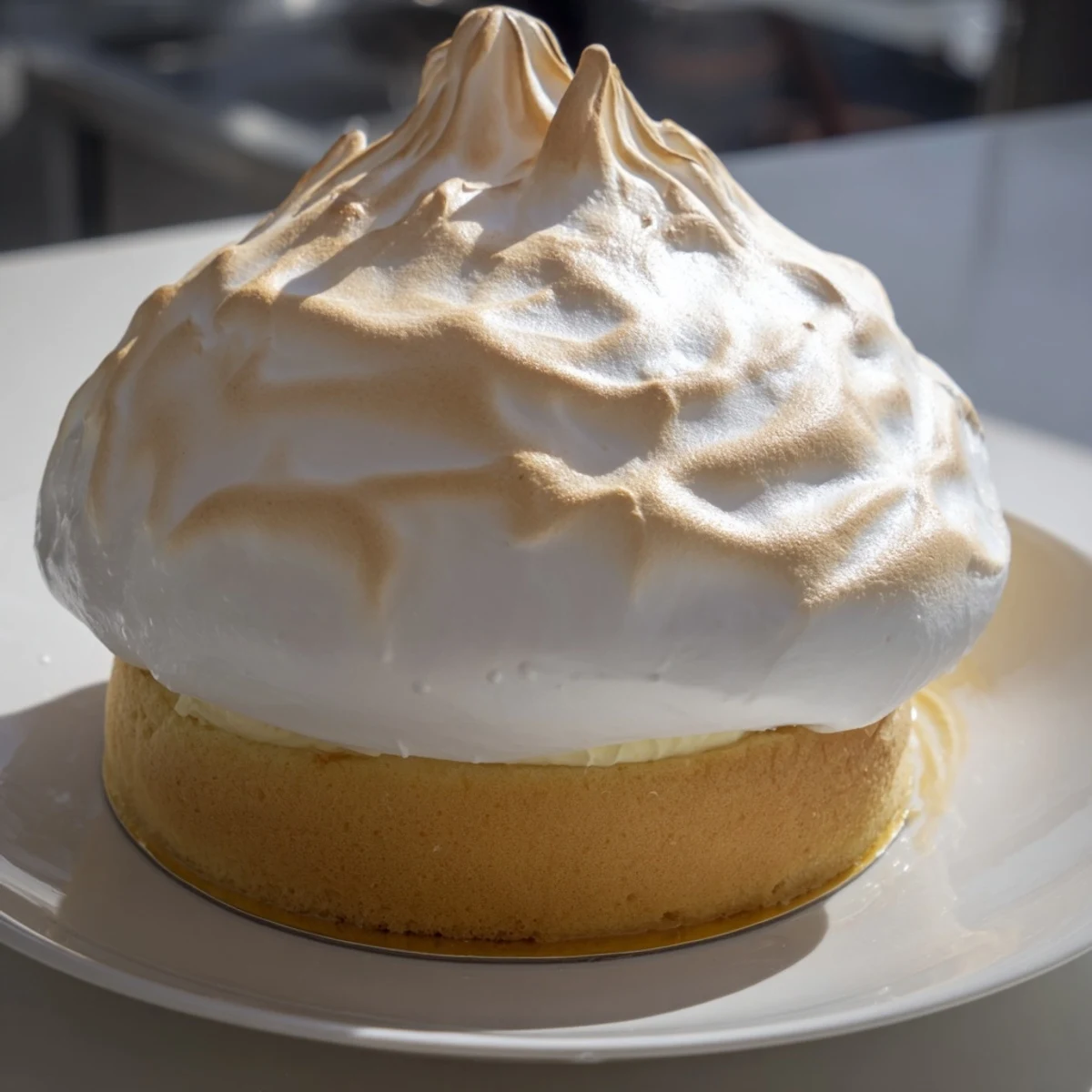
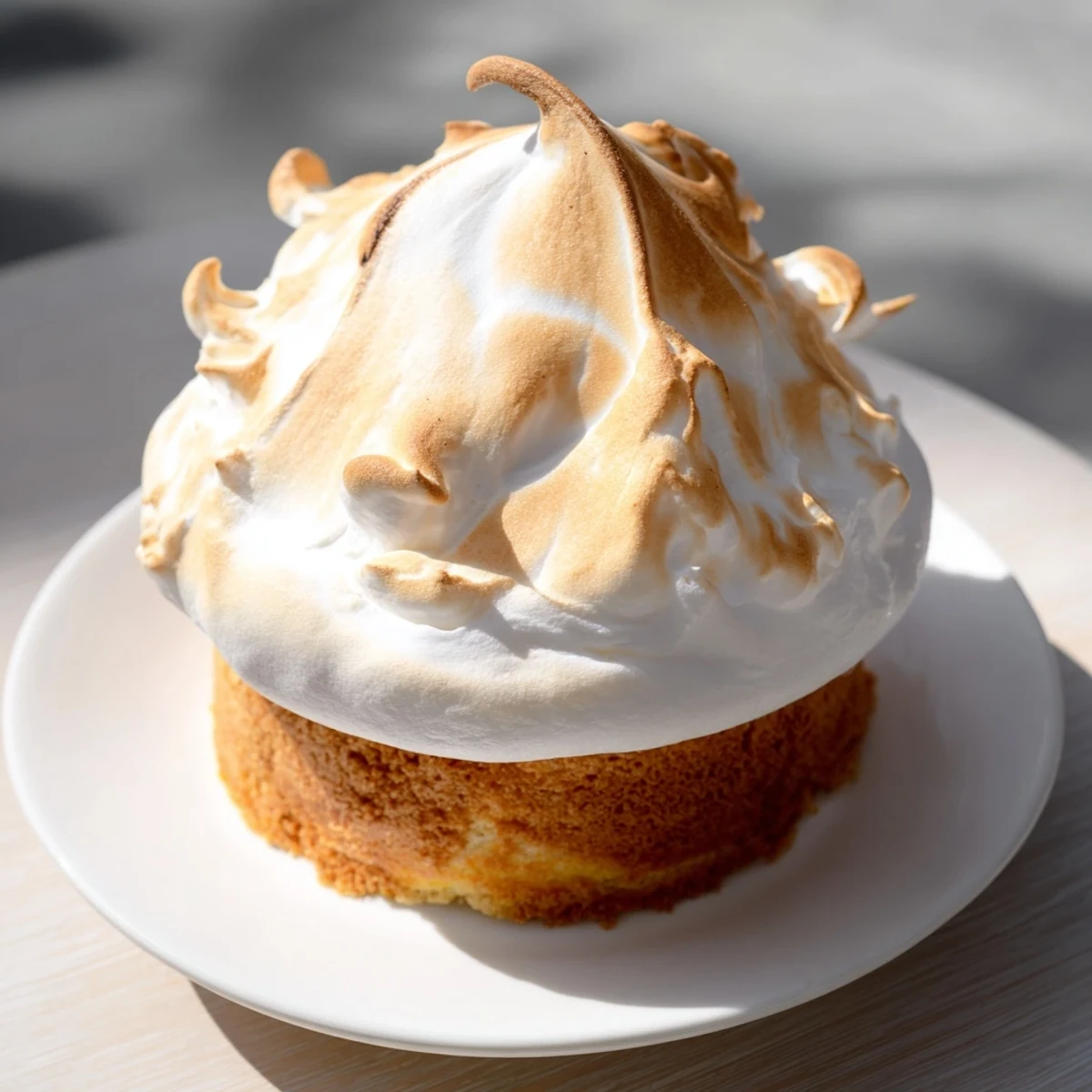
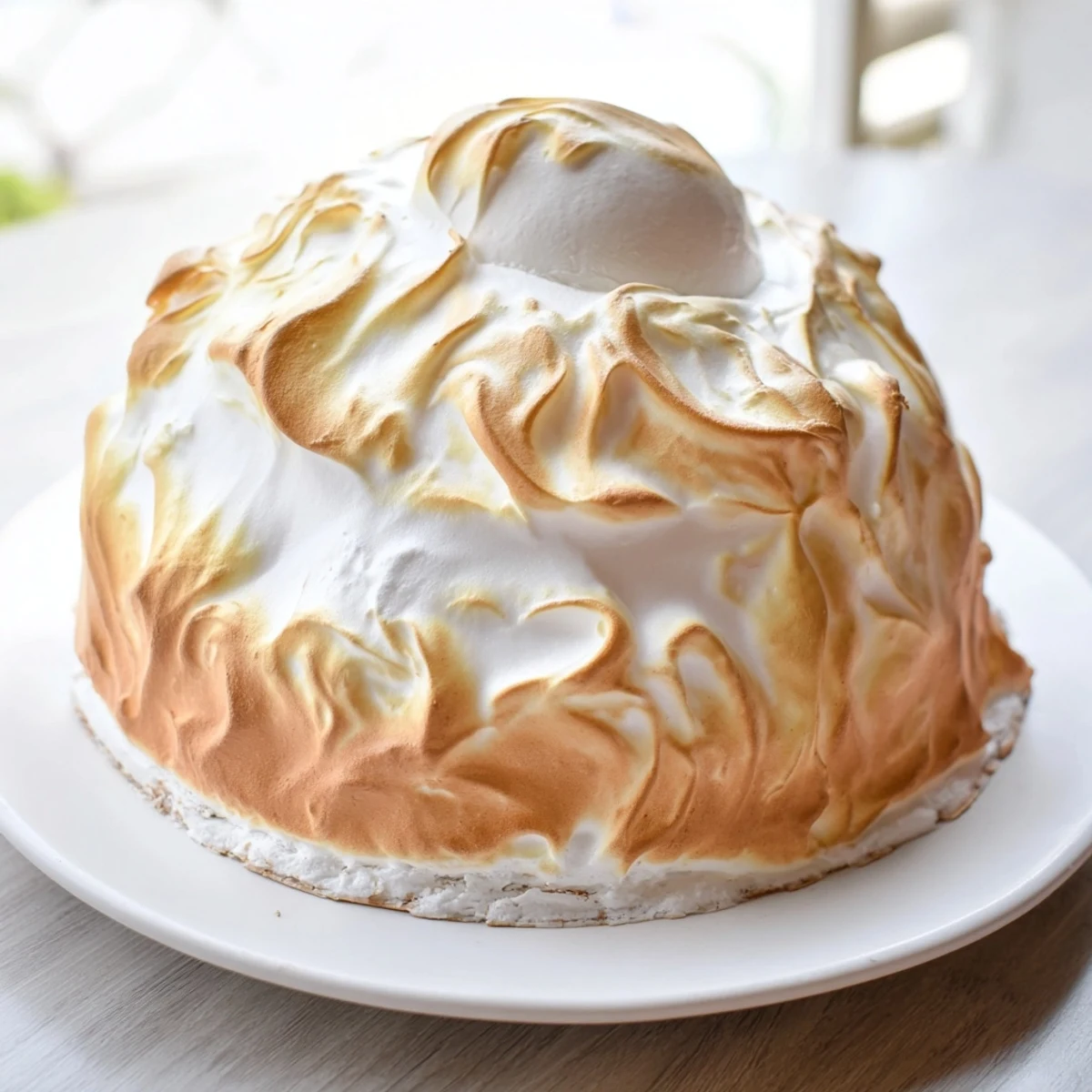
 Baked Alaska features a sponge cake base topped with a dome of softened ice cream, encased in a fluffy, toasted meringue shell. The dessert requires freezing the ice cream dome before enclosing it with a sweetened egg white mixture. It is finished by briefly baking or torching the meringue to a crisp golden brown. The layers create a delightful contrast in textures and temperatures, perfect for special occasions.
The first time I made Baked Alaska, I was convinced I'd lose my nerve halfway through. There's something about setting a dessert on fire that makes your hands shake a little. But the moment that meringue turned golden and pillowy under the torch, I understood why this dish has been showing off since the 1880s—it feels like a magic trick, even though it's just smart layering and good timing.
I served this at my sister's birthday dinner last spring, and I'll never forget the silence when I brought it to the table—that lasted maybe two seconds before everyone started talking at once. The kitchen smelled like caramelized sugar and vanilla, and someone asked if I'd gone to culinary school. I hadn't, but Baked Alaska has a way of making you feel like you did.
Ingredients
- Sponge cake layer (20 cm / 8-inch round): This is your foundation, and it needs to be sturdy enough to support the ice cream dome without crumbling. A thin, tender sponge cake works perfectly—it gives without falling apart.
- Vanilla ice cream (1 liter, slightly softened): You can swap this for any flavor you love, or even layer two different ones. Slightly softened ice cream packs into the bowl smoothly without melting into soup.
- Egg whites (4 large, room temperature): Cold eggs won't whip to full volume, so let them sit out for 20 minutes. This small step makes a noticeable difference in how tall and glossy your meringue becomes.
- Granulated sugar (200 g / 1 cup): Add it slowly once soft peaks form, and you'll get that signature shiny, stiff meringue that browns beautifully.
- Cream of tartar (¼ tsp): This stabilizes the egg whites and helps them hold their shape through beating and baking.
- Vanilla extract (1 tsp): A small but important flourish that reminds you this is a real dessert, not just a novelty.
Instructions
- Freeze your ice cream dome:
- Line a bowl with plastic wrap, pack in the softened ice cream, smooth the top, cover it, and freeze for at least 4 hours or overnight. You want this solid as a rock before it meets the warm meringue.
- Assemble the base:
- Place your cake layer on a parchment-lined baking sheet, unmold the ice cream dome onto it, peel away the plastic wrap, and slide everything back into the freezer. This keeps the ice cream from softening while you work on the meringue.
- Make the meringue:
- In a completely clean, dry bowl, beat the egg whites with cream of tartar until soft peaks form—this takes about 2 minutes with an electric mixer. Gradually add the sugar while beating, taking another 3–4 minutes, until you have stiff, glossy peaks that hold their shape. Finish with the vanilla extract.
- Seal and decorate:
- Working quickly, spread the meringue over the frozen ice cream and cake, making sure to seal every edge completely so no ice cream peeks through. Use a spatula to swirl it into peaks and valleys—these brown beautifully and make it look even more impressive.
- Toast the meringue:
- If using an oven, preheat it to 230°C (450°F) and bake for 3–5 minutes until golden brown. If using a torch, work in smooth, steady motions to avoid scorching any one spot. Either way, keep a close eye on it—meringue goes from golden to burnt in seconds.
- Serve right away:
- Slice and serve immediately while the meringue is still warm and crispy on the outside and the ice cream is still cold within.
 Save to Pinterest
 There was a moment, right after I torched the meringue for the second time, when my roommate came into the kitchen and asked what I was doing. I told him I was torching ice cream on purpose, and he laughed so hard he had to sit down. Five minutes later, he was the first one asking for seconds.
Why This Dessert Feels Like a Celebration
Baked Alaska isn't something you make on a random Tuesday—it's the dessert you make when you want everyone at the table to remember the meal. Maybe that's why it's been around for nearly 150 years. There's ceremony in it, even if most of the work happens in your freezer.
Flavor Combinations Worth Trying
Vanilla is the classic for a reason, but don't feel locked into it. I've had beautiful versions with salted caramel, pistachio, even coffee ice cream. One memorable dinner, my friend brought a homemade blackberry sorbet, and we layered it under vanilla—the tartness cut through the sweetness in the best way.
Make It Your Own
The bones of this recipe are solid, but there's real room to play. Some bakers brush the cake with a splash of liqueur before assembly, which adds sophistication. Others swap the sponge cake for pound cake or brownies if that's what they have on hand.
- For an adult version, brush the cake layer lightly with Grand Marnier or brandy before adding the ice cream.
- Try swirling a fruit coulis or chocolate sauce into the meringue before toasting for extra flavor.
- If you're nervous about using a torch, an oven works just fine—just watch carefully and don't walk away.
 Save to Pinterest
 This dessert rewards patience and a steady hand, but the payoff is something that tastes as impressive as it looks. Serve it with something cold to drink and watch your guests' faces light up.
Frequently asked questions about this recipe
- → How do I prevent the ice cream from melting during assembly?
-
Keep the ice cream dome well-frozen until just before covering with meringue. Work quickly to ensure it stays firm.
- → Can I use flavors other than vanilla ice cream?
-
Yes, feel free to substitute vanilla with any flavor or even add a fruit sorbet layer for variety.
- → What is the role of cream of tartar in the meringue?
-
Cream of tartar stabilizes the egg whites, helping them achieve stiff, glossy peaks essential for the meringue's structure.
- → Is it necessary to bake the meringue?
-
Toasting the meringue briefly in a hot oven or with a kitchen torch adds flavor and a delicate crisp crust.
- → What type of cake works best as the base?
-
A light sponge cake is ideal, but pound cake or brownies can also provide a sturdy foundation.