
 Save to Pinterest
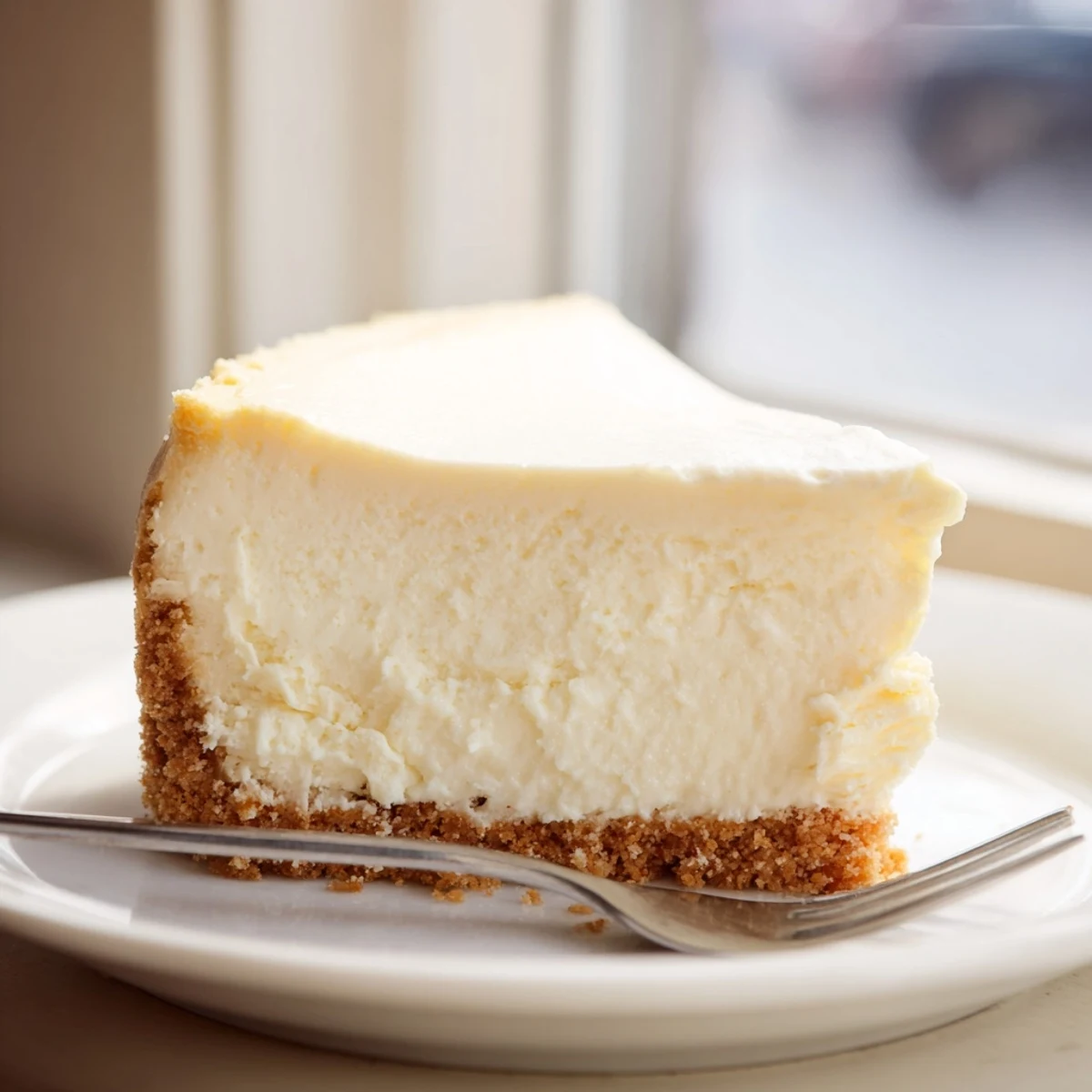
 This classic American baked cheesecake delivers a luxuriously creamy filling atop a golden, buttery graham cracker crust. Cream cheese is blended with sugar, eggs, sour cream, and a hint of vanilla and lemon zest to create a dense yet silky texture.
The secret lies in baking low and slow at 160°C, then letting it cool gradually in the oven to prevent cracking. After a minimum 6-hour chill in the refrigerator, the cheesecake sets into a dessert that's elegant enough for celebrations yet simple enough for weekend baking.
Top with a sour cream layer, fresh berries, fruit compote, or chocolate sauce for a stunning finish. One cake yields 12 generous servings.
The oven light clicked on and illuminated the strangest sight: my first cheesecake, bulging like a souffle, seconds away from disaster. I had cranked the heat too high, ignored the recipe, and paid the price with a cracked, weeping mess. That failure haunted me long enough to make me try again, and again, until the process became second nature and the results became silky and calm.
My sister walked into the kitchen one November afternoon, spotted the springform pan sitting on the counter, and immediately declared she would not be eating any. Three hours later she was standing at the fridge with a fork and no plate.
Ingredients
- 200 g graham crackers or digestive biscuits: Crush them finely but not to dust, because a little texture keeps the crust interesting under all that cream.
- 100 g unsalted butter, melted: This is the glue that holds everything together, so do not skimp or substitute with oil.
- 2 tbsp sugar: Just enough sweetness to balance the savory edge of the biscuits.
- 900 g cream cheese, softened: Leave it out for at least two hours because cold cream cheese guarantees lumps no amount of mixing can fix.
- 200 g granulated sugar: This sweetens the filling without making it cloying.
- 4 large eggs: Add them one at a time and mix gently, since overbeating whips air in and air causes cracks.
- 200 ml sour cream: This is the secret to a tangy, velvety texture that keeps each bite rich but not heavy.
- 40 g all-purpose flour: A small amount that stabilizes the batter and helps prevent sinking.
- 2 tsp vanilla extract: Use real extract, not imitation, because the flavor carries through the bake.
- Zest of 1 lemon (optional): A quiet brightness that lifts the whole cheesecake without announcing itself.
- 250 g sour cream, 2 tbsp powdered sugar, 1 tsp vanilla extract (topping): This classic blanket hides any imperfections and adds a pleasant tart layer.
Instructions
- Preheat and prepare:
- Set your oven to 160 degrees Celsius (325 degrees Fahrenheit) and line a 23 cm springform pan with parchment paper. Wrap the outside of the pan in foil if you plan to use a water bath later.
- Build the crust:
- Crush the biscuits into fine crumbs, stir in the sugar and melted butter, then press the mixture firmly into the bottom of the pan. Use the back of a spoon or a flat measuring cup to get it evenly packed. Bake for 10 minutes and let it cool slightly while you make the filling.
- Make the filling:
- Beat the softened cream cheese and sugar together until completely smooth, scraping the bowl often. Add the eggs one at a time, mixing after each until just incorporated. Fold in the sour cream, flour, vanilla, and lemon zest until combined, stopping before you overmix.
- Assemble and bake:
- Pour the filling over the cooled crust and tap the pan gently on the counter to release trapped air bubbles. Bake for 50 to 60 minutes until the edges are set but the center still has a slight wobble when you nudge the pan.
- Cool slowly:
- Turn off the oven, crack the door open, and let the cheesecake sit inside for a full hour. This gradual cooling prevents the shocking temperature change that causes cracks.
- Add the topping:
- Mix the sour cream, powdered sugar, and vanilla until smooth, then spread it evenly over the cooled cheesecake if you want that classic deli style finish.
- Chill patiently:
- Refrigerate for at least 6 hours, though overnight is best. Run a warm knife around the edge before releasing the springform, then slice with a clean hot knife for neat portions.
 Save to Pinterest
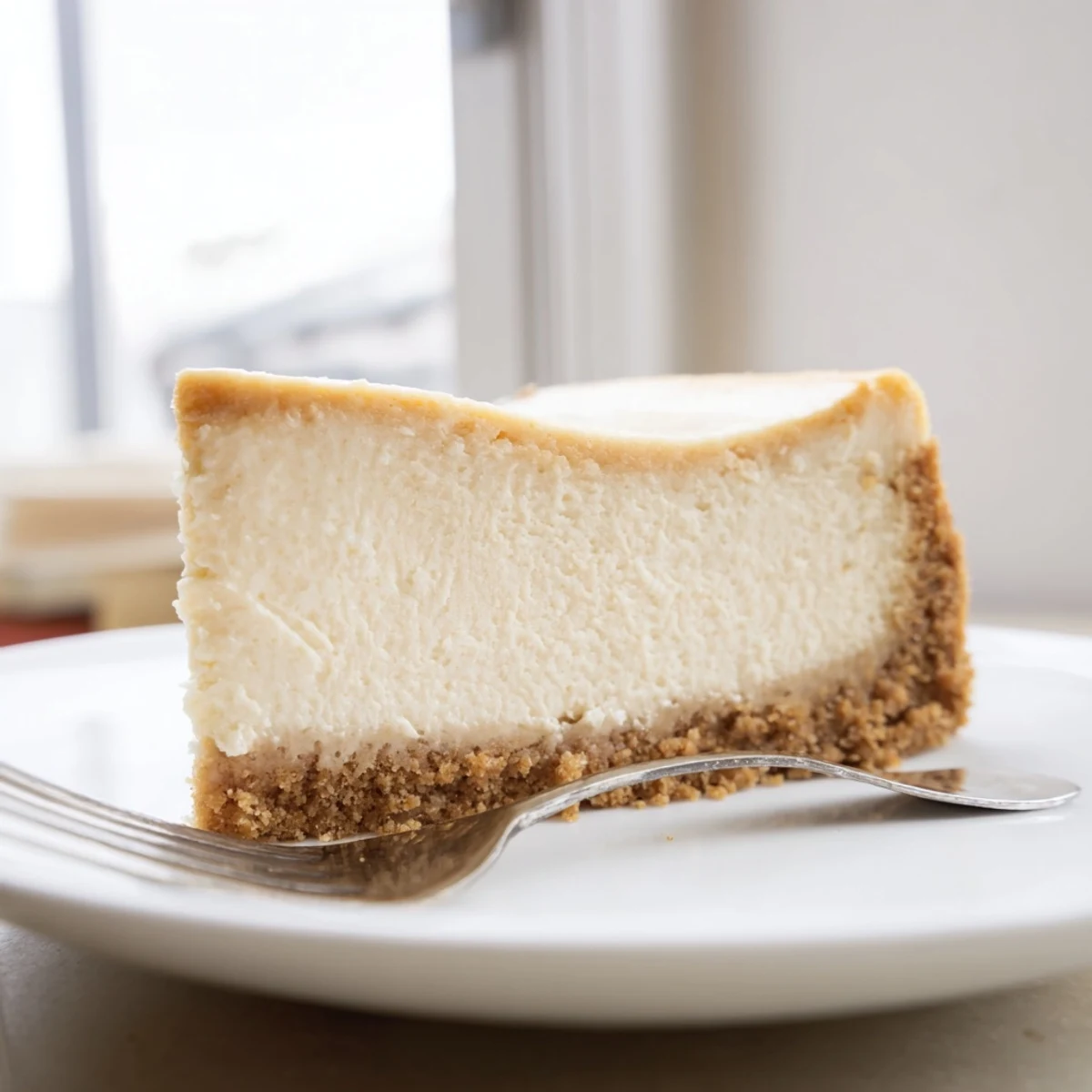
 There is something deeply satisfying about sliding that first clean slice onto a plate after waiting all night. The edges hold their shape, the topping sits like a smooth cap, and the crust gives way with a soft crunch.
Serving Ideas Worth Trying
A plain cheesecake is a blank canvas, and over the years I have dolloped everything from blueberry compote to salted caramel on top. Fresh strawberries macerated in a little sugar and lemon juice are my favorite, because the juices pool into the slices and make every bite a little different. A drizzle of chocolate sauce works when you want something richer, and a handful of toasted pecans adds a welcome crunch.
Making It Gluten Free
Swapping the graham crackers for gluten free cookies is an easy fix that barely changes the flavor. I have used gluten free ginger snaps with great results, since their warmth plays nicely against the tangy filling. Just check that the cookies are truly gluten free and that your flour is certified as well.
Storage and Make Ahead Notes
Cheesecake stores beautifully in the refrigerator for up to five days, covered tightly with plastic wrap. It also freezes well for up to two months if you wrap individual slices in foil and stash them in a freezer bag. Thaw overnight in the fridge before serving.
- Always use full fat cream cheese for the best texture, because low fat versions yield a rubbery bite.
- A warm wet knife drawn between each slice keeps every portion looking clean.
- Let the cheesecake sit at room temperature for 20 minutes before serving so the flavors open up.
 Save to Pinterest
 Every cheesecake I make still reminds me of that first cracked disaster, and honestly I am grateful for it. The failures taught me patience, and patience gave me this.
Frequently asked questions about this recipe
- → Why did my cheesecake crack on top?
-
Cracks usually form from overmixing the batter (which incorporates too much air), baking at too high a temperature, or rapid cooling. Always mix on low speed, bake at 160°C, and let the cheesecake cool gradually inside the turned-off oven with the door cracked open for about an hour.
- → Can I make cheesecake without a springform pan?
-
While a springform pan makes removal easiest, you can use a regular deep cake pan lined with parchment paper, leaving overhanging edges to lift the cheesecake out once fully chilled. A loose-bottomed pan also works well.
- → How long should I chill the cheesecake before serving?
-
A minimum of 6 hours in the refrigerator is essential, but overnight is ideal. This resting time allows the texture to fully set and the flavors to develop, resulting in cleaner slices and a creamier mouthfeel.
- → Can I freeze leftover cheesecake?
-
Yes, cheesecake freezes beautifully. Slice individual portions, wrap each tightly in plastic wrap, then place in an airtight container. Freeze for up to 2 months. Thaw overnight in the refrigerator before serving.
- → How do I get a smooth, lump-free cream cheese filling?
-
Ensure your cream cheese is fully softened to room temperature before beating — this typically takes about 1 to 2 hours. Beat the cream cheese alone first until completely smooth before adding sugar, then incorporate eggs one at a time on low speed.
- → Can I use a different crust base instead of graham crackers?
-
Absolutely. Digestive biscuits, Oreos (for a chocolate version), shortbread cookies, or even crushed pretzels all make excellent crust bases. For a gluten-free option, simply substitute with your preferred gluten-free cookie.
- → Is the sour cream topping necessary?
-
It's entirely optional. The sour cream topping adds a pleasant tang and covers any minor surface imperfections. You can skip it and serve the cheesecake plain, or instead top with fresh berries, fruit compote, chocolate ganache, or caramel sauce.