
 Save to Pinterest
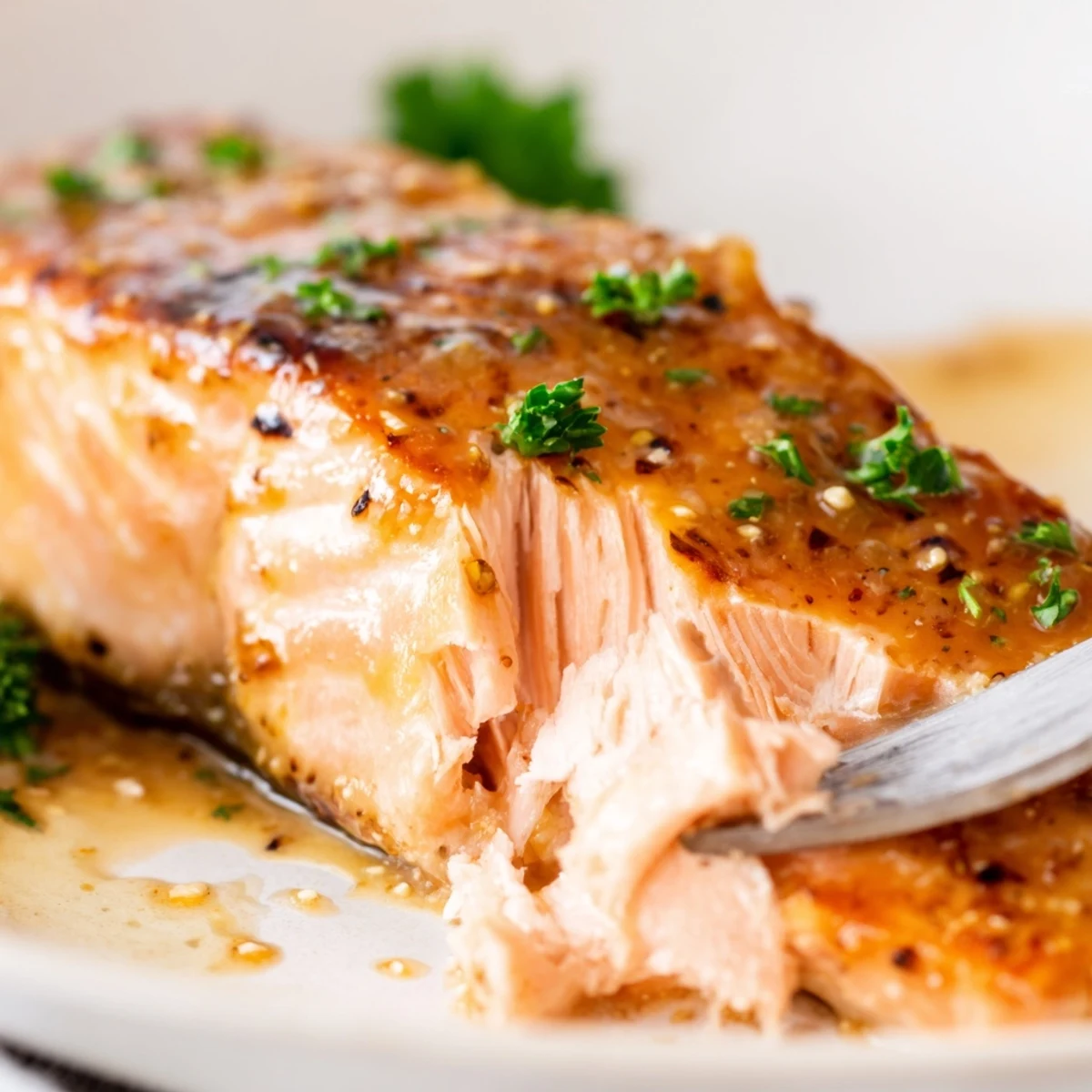
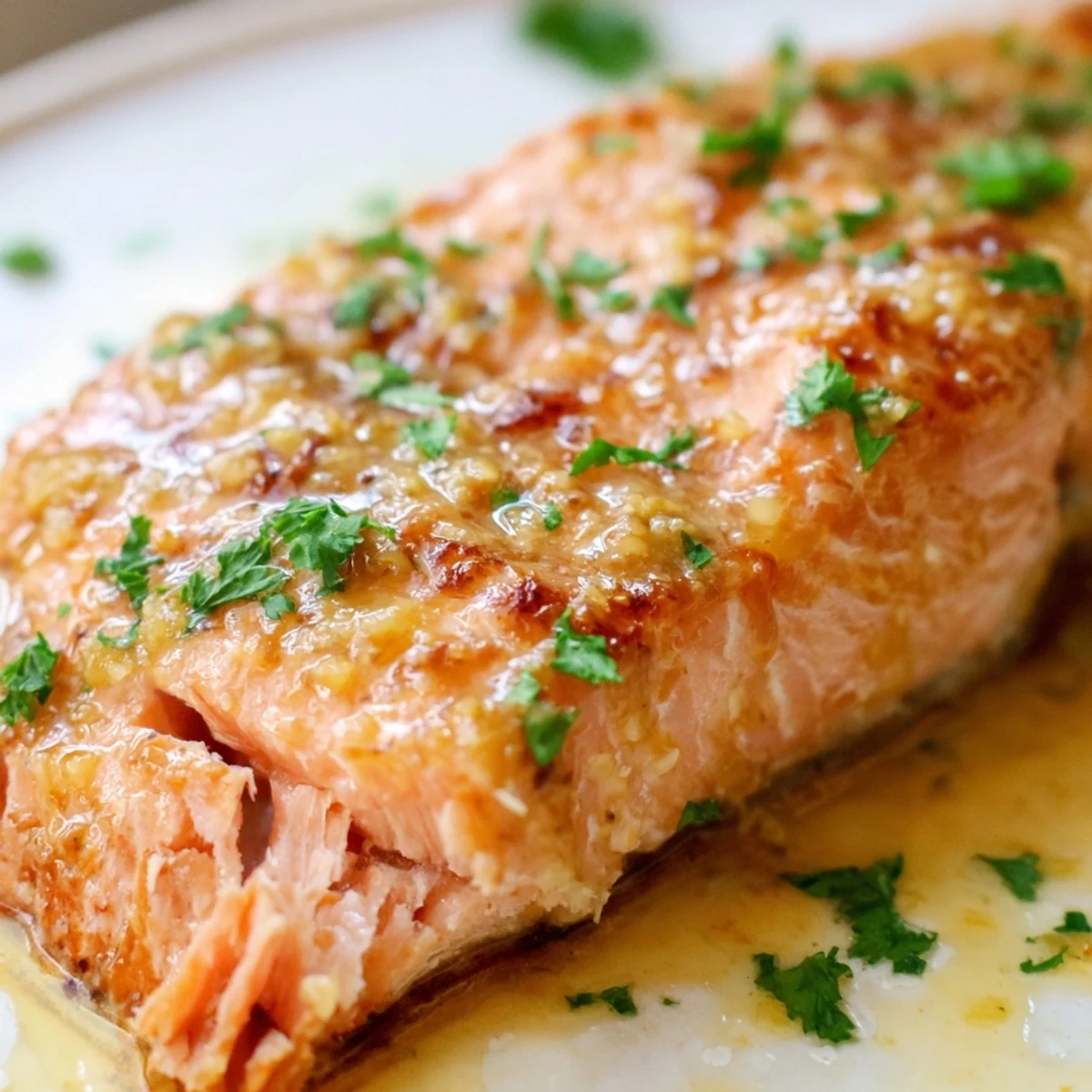
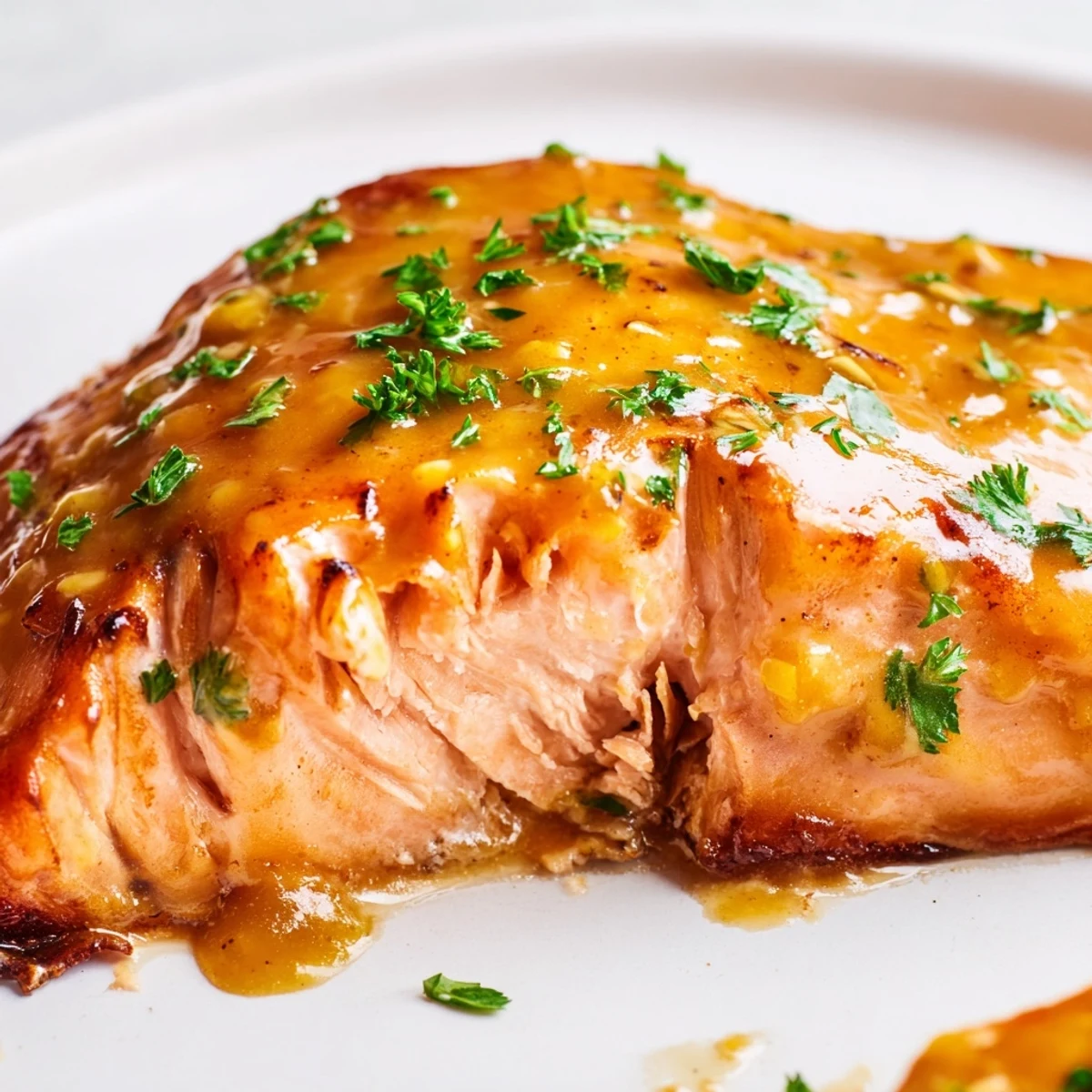
 This dish features tender salmon fillets oven-baked to perfection, coated with a luscious honey mustard glaze made from Dijon and whole-grain mustards, honey, olive oil, lemon juice, and garlic. The glaze caramelizes slightly in the oven, enhancing the natural flavors of the salmon. After baking, the fillets are garnished with fresh parsley or dill and served with lemon wedges to add a zesty finish. It's a quick and nutritious main that's simple to prepare.
I discovered this honey mustard salmon on a weeknight when I needed something impressive but had maybe twenty minutes total. The glaze came together in seconds—just a quick whisk of pantry staples—and the kitchen filled with this warm, tangy aroma that made everyone drift toward the kitchen before it was even done. It became my go-to for those moments when I want to feel like I've actually cooked something special.
A friend came over unexpectedly one evening, and I threw this together without overthinking it. She took one bite and asked for the recipe immediately—that's when I realized this simple glaze was something I'd be making again and again. Now it's my silent weapon for feeding people without a lot of fuss.
Ingredients
- Salmon fillets: Six ounces per person is generous enough that everyone feels satisfied, and skin-on keeps everything moist during baking.
- Dijon mustard: The sharp bite is what keeps this glaze from tasting cloying, so don't skip it for plain yellow.
- Whole-grain mustard: Those little seeds add texture and a slightly earthy undertone that grounds the sweetness.
- Honey: Just enough to bridge the gap between tangy and approachable, balancing the mustard's bite.
- Olive oil: Helps the glaze coat evenly and adds richness so everything clings to the fish.
- Fresh lemon juice: A squeeze of brightness that keeps the dish from feeling one-dimensional.
- Garlic: Minced fine so it melds into the glaze rather than being a separate element.
- Salt and pepper: Ground fresh black pepper matters here more than you'd think, adding a gentle heat to the finish.
- Fresh herbs: Parsley or dill on top feels like the flourish that signals you actually tried.
Instructions
- Get Your Oven Ready:
- Heat to 400°F and line your baking sheet with parchment paper so cleanup is painless. This temperature is your sweet spot—hot enough to cook the salmon through without drying it out.
- Make the Glaze:
- Whisk together both mustards, honey, olive oil, lemon juice, and minced garlic until it looks smooth and glossy. If you taste a tiny bit on your finger, you should feel that balance between tangy and sweet.
- Arrange the Fish:
- Place salmon fillets skin-side down on the sheet, giving them a little breathing room so they cook evenly. Pat them dry with a paper towel first if they're wet, which helps the glaze stick.
- Coat with Glaze:
- Brush or spoon the mustard mixture over each fillet generously, making sure it clings to every surface. Don't be shy—this is where all your flavor lives.
- Bake Until Just Done:
- Slide into the oven for twelve to fifteen minutes, watching for the moment when the flesh starts to turn opaque at the edges and flakes gently with a fork. You'll know it's perfect when it's still slightly moist inside, not dry and stringy.
- Let It Rest:
- Two minutes out of the oven lets the residual heat finish the job and lets everything settle down a little.
- Finish and Serve:
- Scatter fresh herbs over top and squeeze a lemon wedge over each plate for that last note of brightness.
 Save to Pinterest
 I made this once for my dad, who's normally skeptical of anything that takes more than five minutes, and he asked for seconds. That's when I understood it wasn't just about the food—it was about making something feel thoughtful without making it complicated.
The Power of the Two-Mustard Approach
Most people reach for one mustard and call it a day, but mixing Dijon with whole-grain gives you complexity that tastes almost deliberate. The Dijon is sharp and refined, while the whole-grain adds a slight earthiness and texture that keeps your palate engaged. Together they create something that feels more nuanced than either one alone, which is honestly the secret to this whole thing tasting restaurant-level without any extra effort.
Why Honey Mustard Works for Salmon
Salmon's richness can handle bold flavors without getting overwhelmed, and the honey-mustard combination respects that. The heat of the glaze caramelizes slightly on the edges, creating little pockets of concentrated flavor, while inside the fish stays tender and buttery. It's not trying to mask anything—it's just letting salmon be its best self with a little encouragement.
Making It Your Own
This recipe is honestly flexible enough that you can adjust it without ruining anything. If you want more heat, swap in spicy brown mustard or add a pinch of cayenne. If you're cooking for someone who prefers milder flavors, add another half-tablespoon of honey to soften the edges.
- Broil for the last minute or two if you want a glaze that's glossy and slightly caramelized on top.
- Serve alongside roasted asparagus or steamed rice to round out the plate without competing with the fish.
- Leftovers are surprisingly good cold the next day, flaked into a salad or eaten straight from the fridge.
 Save to Pinterest
 This recipe has taught me that sometimes the simplest dishes are the ones worth making over and over. There's something quietly satisfying about cooking something that tastes like you've been doing this for years.
Frequently asked questions about this recipe
- → What type of mustard is best for the glaze?
-
A mix of Dijon and whole-grain mustards creates a balanced, tangy glaze with texture and depth.
- → Can I broil the salmon for a caramelized finish?
-
Yes, broiling for the last 1–2 minutes caramelizes the glaze, adding a slight crispness.
- → Is it better to bake the salmon with skin on or off?
-
Skin-on helps retain moisture and adds flavor; bake skin-side down for best results.
- → What sides complement this salmon dish well?
-
Roasted vegetables, steamed rice, or a fresh green salad pair beautifully with the salmon.
- → How should I store leftovers?
-
Keep leftovers refrigerated in an airtight container for up to two days.