
 Save to Pinterest
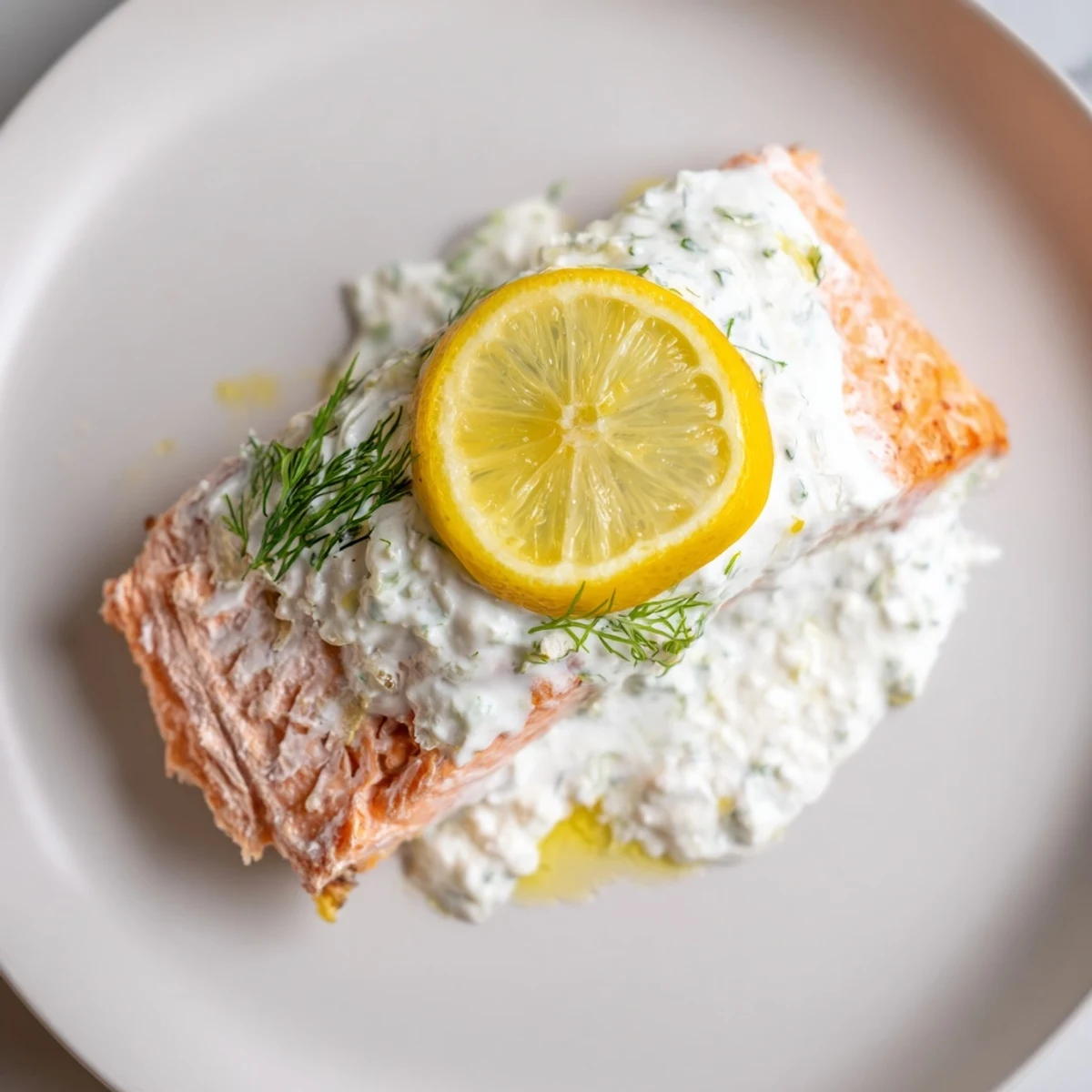
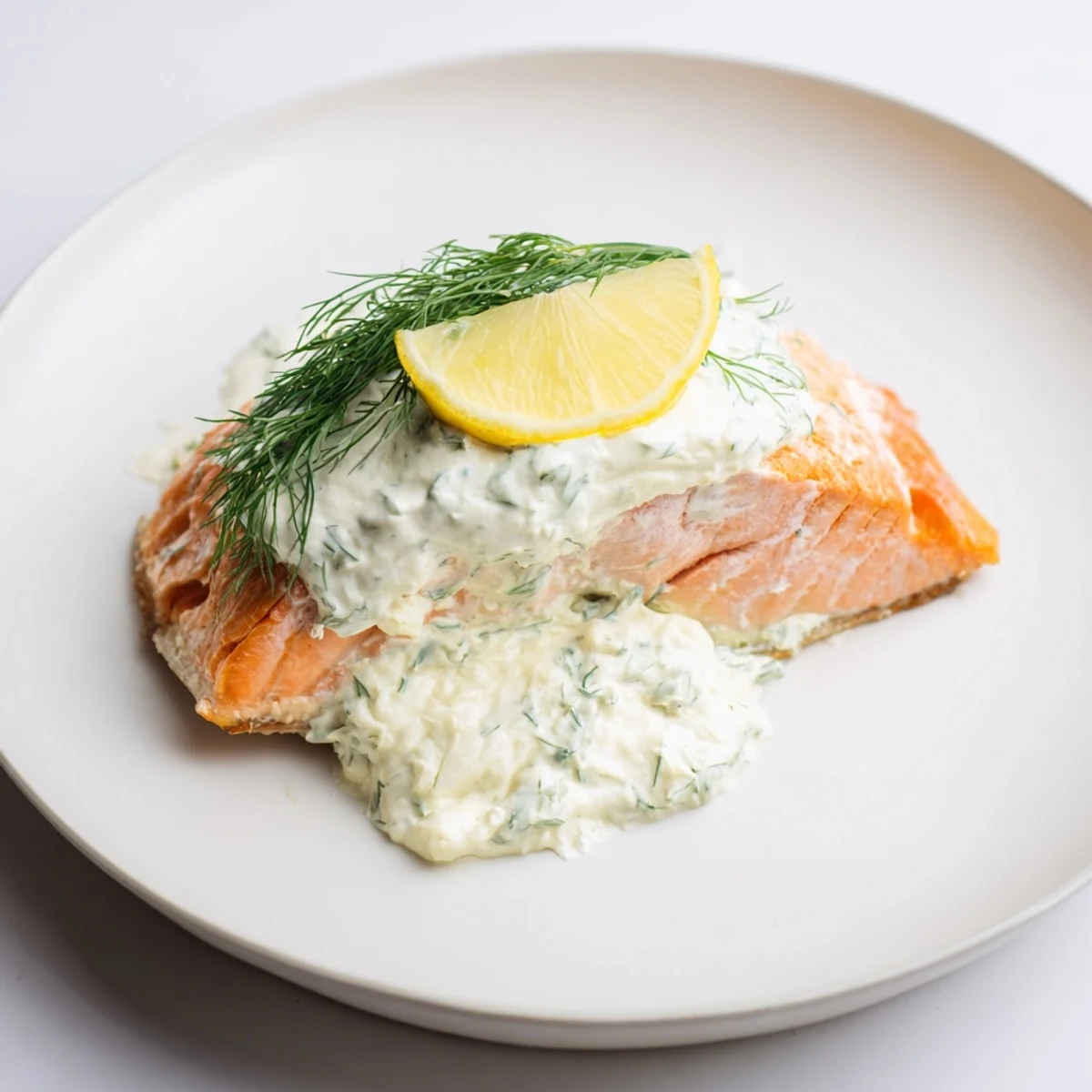
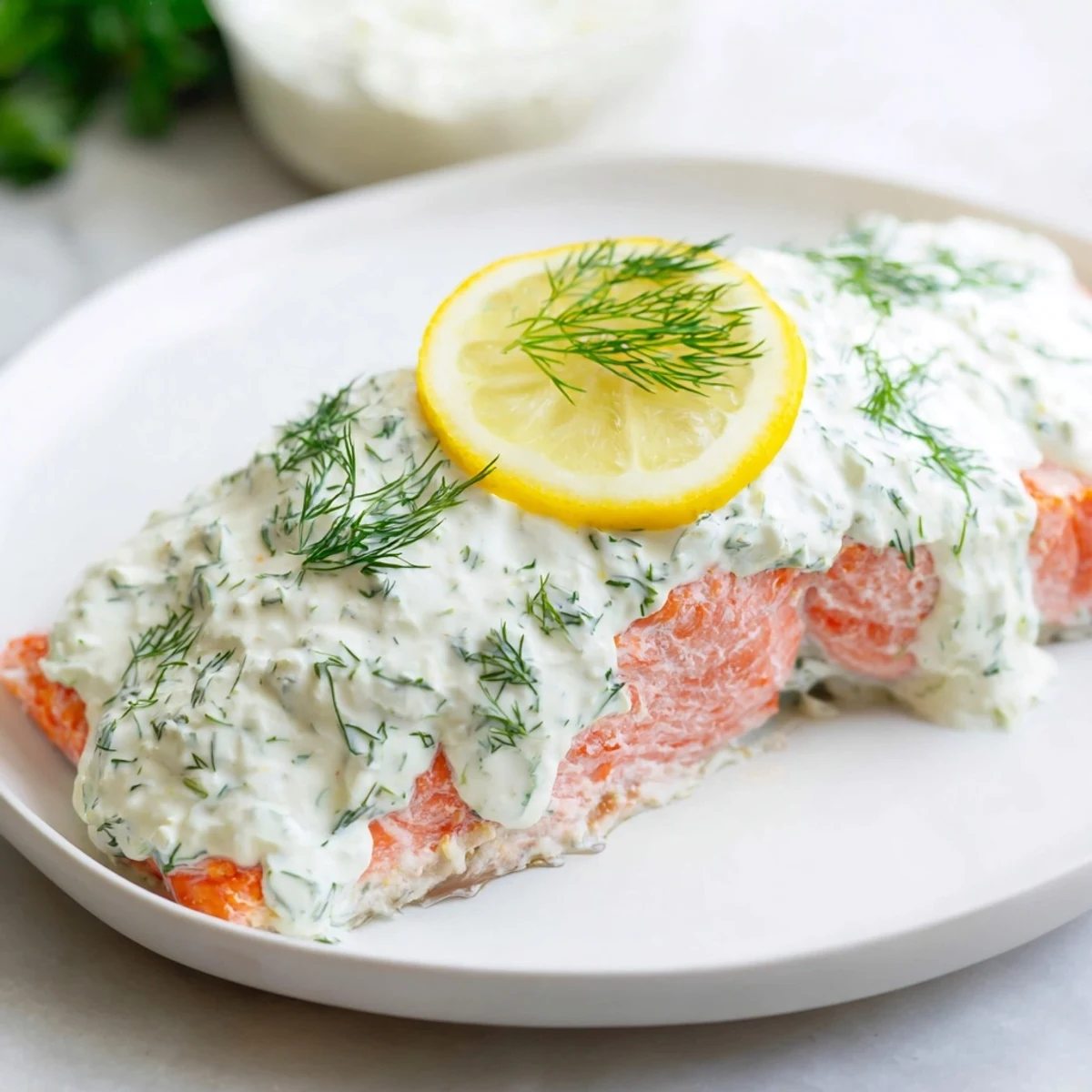
 This dish features tender, flaky salmon fillets baked to a perfect texture and enhanced by a bright and creamy lemon dill sauce. The salmon is lightly seasoned, drizzled with olive oil, and topped with lemon slices before baking, allowing the flavors to meld beautifully in the oven. The sauce combines fresh dill, lemon juice, zest, and a smooth base of sour cream or Greek yogurt with mayonnaise, creating a refreshing complement that elevates the fish. Ideal for quick preparation and suited for pescatarian and gluten-free diets, this main course balances simplicity with elegance, making it a versatile choice for any occasion.
I still remember the first time I served baked salmon with lemon dill sauce to my family on a summer evening. My dad, who'd always been skeptical about fish, took one bite and asked for seconds. There's something about the combination of tender, flaky salmon and that bright, creamy sauce that transforms a simple weeknight dinner into something that feels celebratory. It was that moment I realized this dish has the power to win over anyone at the table.
Years ago, I was hosting my first dinner party as an adult, and I was terrified of cooking fish. I chose this recipe because it looked forgiving, and I needed something that wouldn't let me down. As the salmon emerged from the oven, golden and fragrant with lemon, I felt a quiet confidence wash over me. When everyone raved about dinner that night, I knew I'd found a recipe I'd make again and again.
Ingredients
- Salmon fillets (4 at 6 oz each), skin-on or skinless: Look for fillets that feel firm and smell fresh like the ocean, never fishy. The skin adds flavor and helps keep the fish moist, but remove it if you prefer. I've learned that letting them sit at room temperature for 5 minutes before cooking makes all the difference in even cooking.
- Olive oil (1 tablespoon): This creates a protective layer that keeps the salmon moist while baking. Use a good quality oil you'd actually taste, not the cheapest bottle.
- Sea salt (1 teaspoon) and freshly ground black pepper (½ teaspoon): These aren't just seasonings; they're flavor amplifiers. Freshly ground pepper has a brightness that makes the salmon sing.
- Lemon, thinly sliced (1): Each slice becomes a little flavor packet that steams into the fish. I started using thin slices after my grandmother showed me you could see through them when you held them up to the light.
- Sour cream or Greek yogurt (½ cup): This is the foundation of your sauce. Sour cream gives richness, while Greek yogurt keeps it lighter. I use Greek yogurt most days but treat myself to sour cream when I want pure indulgence.
- Mayonnaise (2 tablespoons): Don't skip this; it emulsifies the sauce and adds a subtle depth that makes people ask what your secret ingredient is.
- Fresh dill, finely chopped (2 tablespoons, or 2 teaspoons if dried): Fresh dill is non-negotiable here. The flavor is delicate and bright, like a whisper of coastal air. If you only have dried, use less as it's concentrated.
- Fresh lemon juice (1 tablespoon) and lemon zest (1 teaspoon): The juice brings acidity that ties everything together, while the zest adds aroma and visual appeal. Zest before juicing to avoid the mess.
- Garlic clove, minced (1 small): One small clove adds savory depth without overwhelming. I learned the hard way that garlic should be minced fine, not crushed, so you get little pockets of flavor rather than an overpowering punch.
- Salt (¼ teaspoon) and black pepper (⅛ teaspoon) for the sauce: These balance the richness of the dairy and help all the flavors meld together.
Instructions
- Prepare your oven and baking sheet:
- Preheat to 400°F and line your sheet with parchment paper. This one step saves you from scrubbing burned-on salmon later, trust me. The parchment also ensures the delicate skin doesn't stick and tear.
- Arrange and season the salmon:
- Place fillets on the sheet and imagine you're tucking them in gently. Drizzle with olive oil so each fillet has a light, even coating. Season generously with salt and pepper, then crown each one with a lemon slice. The lemon will rest there like a little hat, steaming flavor into the fish.
- Bake until perfectly opaque:
- Slide into the oven for 15 to 18 minutes. You'll know it's done when the flesh flakes easily with a fork and the thickest part is opaque throughout. The timing depends on thickness, so start checking at 15 minutes. Don't overcook; overdone salmon becomes dry and mealy.
- Mix the lemon dill sauce while salmon bakes:
- While the oven works, combine sour cream or Greek yogurt with mayonnaise in a small bowl. Add the dill, lemon juice, zest, minced garlic, salt, and pepper. Whisk until it's smooth and creamy, with little green flecks of dill throughout. Taste and adjust if needed. This is where your sauce comes alive.
- Rest and serve:
- Remove the salmon from the oven and let it rest for 2 minutes. This brief pause helps it retain its moisture. Top each warm fillet with a generous spoonful of sauce, letting it pool slightly over the sides. Serve immediately while everything is warm.
 Save to Pinterest
 Last year, my son announced he didn't like salmon. I made this dish anyway, remembering my own transformation years ago. Watching him clean his plate while raving about the sauce reminded me that food is about more than nutrition or efficiency. It's about the quiet moment when someone discovers they love something they thought they didn't, and you get to witness that small joy.
Pairing and Serving Ideas
This salmon sings alongside simple, fresh sides that don't compete with its delicate flavor. Roasted potatoes tossed with olive oil and herbs soak up the extra sauce beautifully, while steamed asparagus or green beans add a light, fresh contrast. A crisp green salad with a simple vinaigrette balances the richness of the cream sauce. I sometimes serve it with wild rice instead of potatoes for a heartier meal, and it never disappoints.
The Secret to Restaurant-Quality Salmon at Home
The difference between homemade salmon and the kind you'd order out comes down to one thing: respecting the fish. Don't fuss with it too much. Don't flip it. Don't add competing flavors. Let the natural richness of good salmon shine through with just the support of lemon, dill, and that creamy sauce. I learned this from watching a chef at the farmer's market one Saturday morning, and it changed how I approach cooking fish entirely.
Make It Your Own
This recipe is a canvas, not a rulebook. I've made it countless ways depending on what I have and who I'm cooking for. Swap the dill for tarragon or chives if you prefer. Add a splash of white wine to the baking tray before cooking for extra depth. Use all Greek yogurt for a lighter sauce, or add a touch of horseradish for something with a kick. The bones of the dish are strong enough to hold your own creativity.
- If you're feeding guests with dairy allergies, make the sauce with olive oil, minced garlic, and fresh herbs instead, and it's still wonderful
- Leftover salmon makes the best lunch the next day; serve it cold with extra sauce on the side
- This dish scales beautifully, so whether you're cooking for two or eight, the timing and technique stay the same
 Save to Pinterest
 This recipe has become my go-to when I want to feel like I've made something special without the stress. It never fails, and it always feels like a gift to whoever sits at my table.
Frequently asked questions about this recipe
- → How do I know when the salmon is fully cooked?
-
The salmon is done when it flakes easily with a fork and is opaque in the center. This usually takes about 15–18 minutes at 400°F (200°C).
- → Can I use fresh dill instead of dried dill in the sauce?
-
Yes, fresh dill provides a brighter, more vibrant flavor, but dried dill works well if fresh is unavailable. Adjust quantities accordingly.
- → What can I serve alongside the baked salmon?
-
Roasted potatoes, steamed asparagus, or a fresh green salad make excellent side dishes that complement the flavors.
- → Is it possible to make the lemon dill sauce lighter?
-
For a lighter sauce, replace sour cream and mayonnaise with all Greek yogurt for a tangier, lower-fat alternative.
- → Should I keep the skin on the salmon while baking?
-
Keeping the skin on helps retain moisture during baking and can provide a crispy texture if desired, but skinless fillets also work well.