
 Save to Pinterest
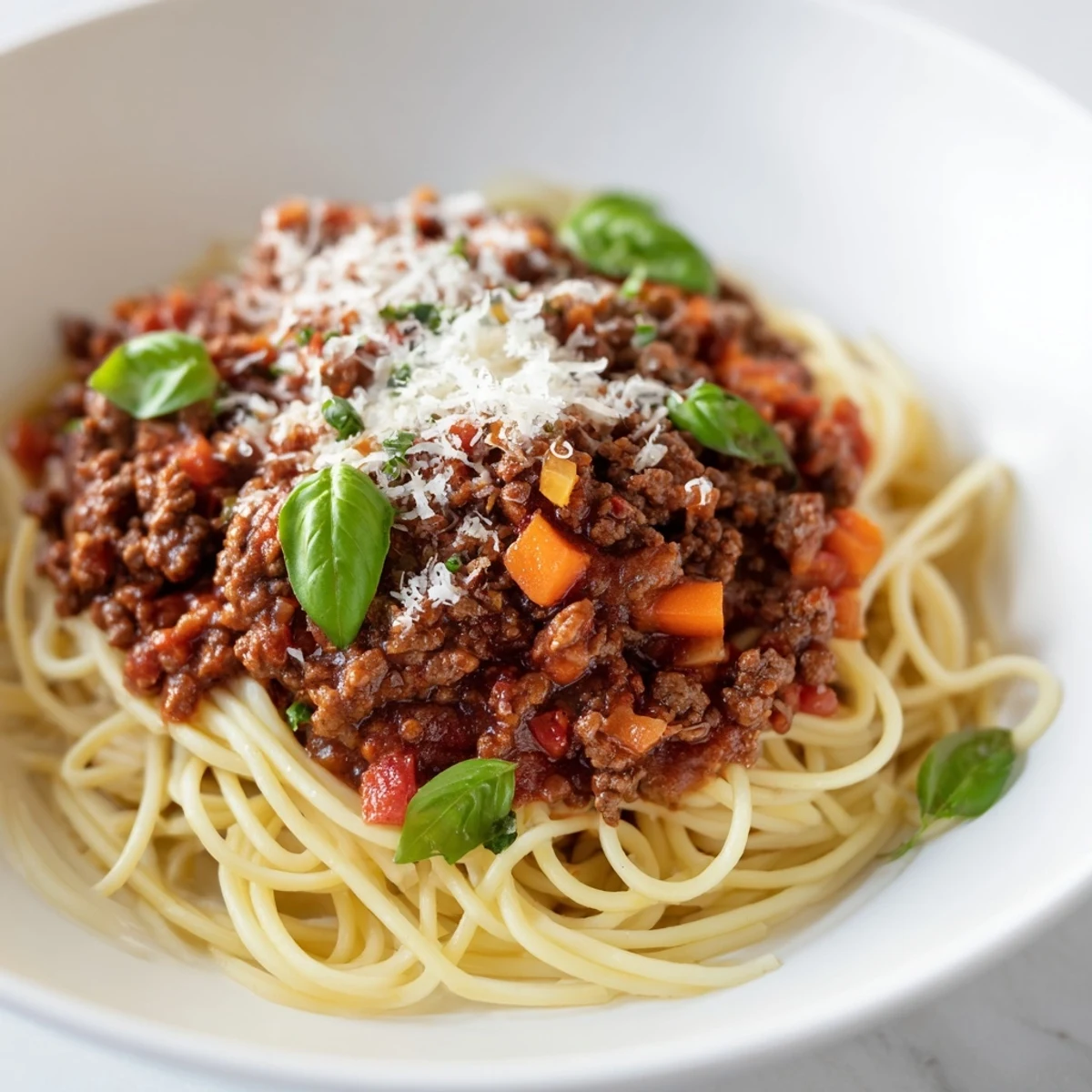
 This hearty Italian meat sauce combines ground beef with crushed tomatoes, red wine, and finely chopped vegetables. Slowly simmered to develop deep flavors, it’s enriched with herbs and a splash of milk for creaminess. Perfectly suited for pasta, the sauce offers a robust and comforting meal. Cooking times ensure tender meat and balanced seasoning, finished with optional Parmesan and fresh basil for garnish.
I still remember the first time I made authentic Bolognese—not the quick version I'd thrown together countless times before, but the real thing. A friend from Bologna had mentioned that her nonna never rushed the sauce, that it needed time to become something special. I decided to commit an entire afternoon to it, and the moment that milk went in and the sauce transformed into this silky, deeply savory masterpiece, I understood. That's when Bolognese stopped being just another pasta dish and became a ritual I return to whenever I want to feel like I'm cooking something that matters.
Years ago, I made this for someone who'd had a terrible week. They arrived skeptical, exhausted, and I just quietly set down a bowl of this Bolognese with fresh Parmesan on top. They didn't say much while eating, but I watched their shoulders relax with each bite. That's when I learned that some food is actually medicine—not because of nutrition, but because of the care in the simmering.
Ingredients
- Ground beef (500g, preferably 80/20): The ratio matters more than you'd think—too lean and the sauce tastes thin, too fatty and it's greasy. 80/20 is the sweet spot where you get flavor without grease. Brown it without moving it around too much at first; you want real color on those pieces
- Onion, carrot, and celery (the holy trinity): Chop these finely and evenly, because they're not really meant to stay whole—they dissolve into the sauce and become part of its soul. This is your aromatic foundation, and it's worth taking two minutes to do it right
- Garlic (3 cloves, minced): Don't skip the mincing; garlic slivers will stay visible and bitter. Mince it fine and add it after the soffritto has mellowed, just for a minute
- Dry red wine (120ml): Use something you'd actually drink. Cheap wine with sulfites and sadness will make your sauce taste like sadness. Chianti or any medium-bodied red works beautifully
- Canned crushed tomatoes (800g): San Marzano if you can find them—they're sweeter and less acidic. The quality of these makes a real difference
- Tomato paste (2 tbsp): This is your umami anchor. Cook it with the beef for a couple minutes to deepen it; this step changes everything
- Whole milk (250ml): This is the alchemy moment. The milk won't look like it's doing anything until you've simmered it, then suddenly the sauce becomes silky and sophisticated. Don't skip it thinking cream is better—it's not. Milk is the right choice
- Beef stock (250ml): Homemade is ideal, but good quality store-bought works. This adds body and warmth that you notice in the final taste
- Dried oregano and basil (2 tsp and 1 tsp): Use dried here, not fresh—fresh herbs lose their point in long cooking. These are your Italian whispers
- Olive oil (2 tbsp): Good olive oil, not premium, but something you'd use in a salad. It's going to cook slowly and become part of the base
- Bay leaf and black pepper: The bay leaf is a tiny quiet player that makes the whole thing feel rounded. Black pepper, freshly cracked if you have it, adds warmth without heat
Instructions
- Build your base with softness:
- Pour olive oil into a large, heavy pot and let it warm over medium heat. Once it's shimmering, add your chopped onion, carrot, and celery. You're not looking for color here—you're looking for surrender. These vegetables should soften and become almost translucent, which takes about 7 minutes. Stir every minute or so. The kitchen will start to smell like something good is beginning
- Wake up the garlic:
- Once the vegetables are soft and golden, add your minced garlic. Give it exactly one minute—just enough time for it to become fragrant and release its aromatics into the oil. If you go longer, it'll turn bitter and you'll taste that bitterness all the way through the finished sauce
- Brown the beef with intention:
- Raise your heat to medium-high and add the ground beef. Here's the thing nobody tells you: let it sit for a minute after you add it. Resist the urge to immediately break it up. This creates little browned pieces rather than gray crumbled texture. After a minute, break it apart with your spoon, pushing it against the sides of the pot. You're looking for real browning, which takes about 8 minutes. Don't rush this—the flavor difference is enormous
- Deepen with tomato paste:
- Stir in the tomato paste and let it cook for 2 minutes, stirring often. This paste is going to darken slightly and concentrate into something deeper and more savory. This is a crucial moment where you're transforming raw tomato flavor into something complex
- Deglaze with wine:
- Pour in the red wine and let it bubble and reduce. You'll see the liquid evaporate—this is the wine's alcohol burning off and leaving behind its deeper flavors. It takes about 3 minutes. Scrape the bottom of the pot as you stir; you're collecting all those browned, flavorful bits
- Let it simmer into richness:
- Add the crushed tomatoes, beef stock, oregano, basil, black pepper, salt, and bay leaf. Stir everything together until it's combined and the sauce comes to a gentle bubble. Now reduce your heat to low and let it simmer uncovered for a full hour. Stir it occasionally—every 15 minutes or so. The sauce will darken, thicken slightly, and the flavors will begin to know each other. This is not a time to rush
- Add milk for transformation:
- After an hour, when the sauce is rich and reduced, pour in the milk. It will look strange at first—you might wonder if you've made a mistake. Don't worry. Let it simmer gently for another 30 minutes. As you stir, you'll watch the sauce transform. It becomes rounder, less acidic, silkier. This is where Bolognese stops being just tomato sauce and becomes something elegant
- Cook your pasta with timing:
- While the sauce finishes, bring a large pot of generously salted water to a rolling boil. Salt the water until it tastes like a pleasant sea. Add your pasta and cook until it's al dente—you want it to have just a tiny bit of resistance when you bite it. Reserve about a cup of that starchy pasta water before you drain it. This water is liquid gold for loosening your finished dish
- Finish and marry the flavors:
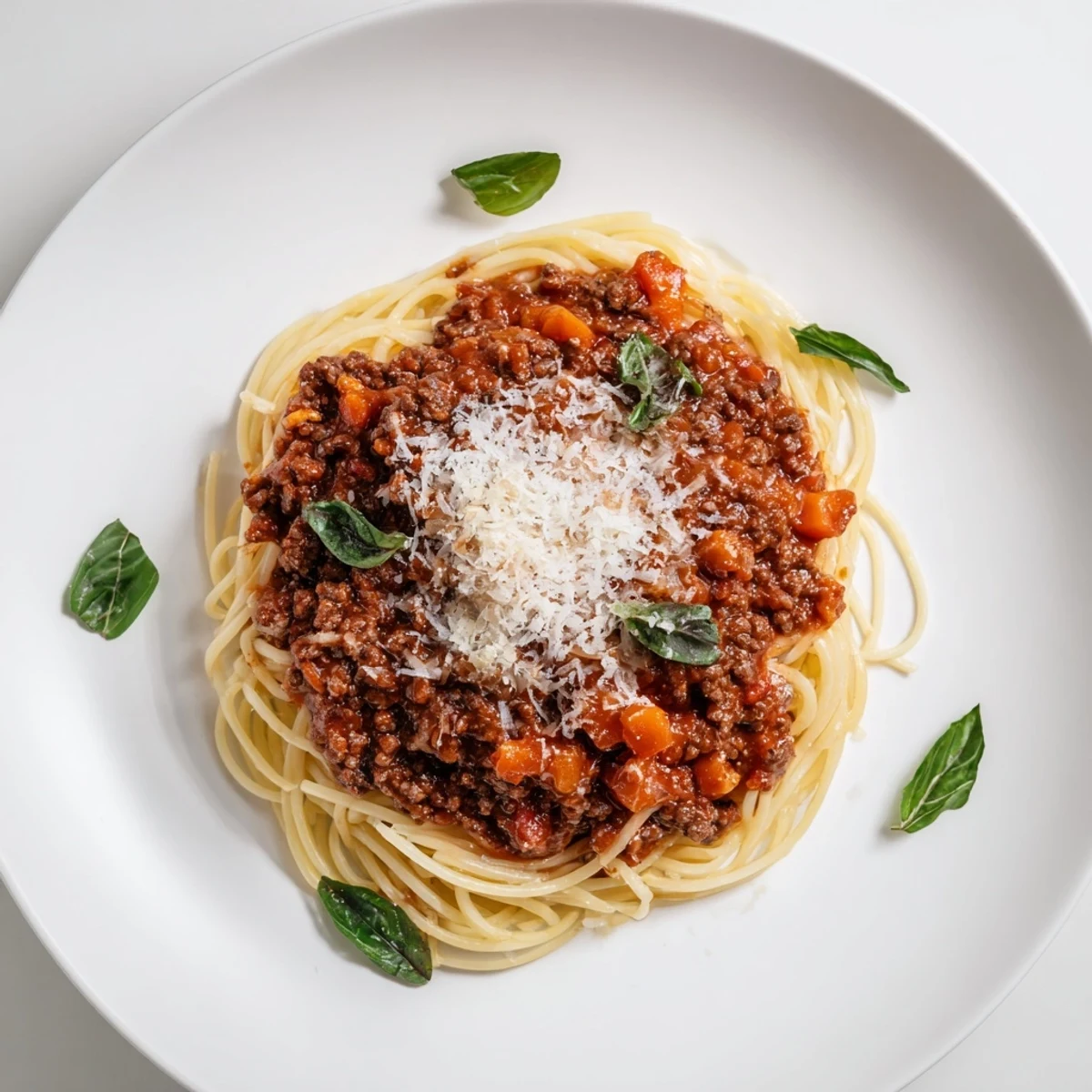
- Remove the bay leaf from your sauce. Taste it. Does it need more salt? A grind more pepper? Adjust it now. Add your drained pasta directly to the pot with the sauce and toss gently, adding splashes of pasta water until it's the consistency you love—creamy but not soupy. Some people like it loose, some like it clinging to the pasta. You decide. Finish with fresh Parmesan cheese and a few fresh basil leaves if you have them
 Save to Pinterest
 I've made this sauce for celebrations and for quiet Tuesday nights when I just needed something to feel normal again. There's something about a pot that's been simmering for hours—it feels like you're taking care of people, even if you're just taking care of yourself.
Why This Sauce Gets Better with Time
The secret that nobody warns you about: Bolognese is not at its best the moment it's finished. If you can make it a day ahead, or even two days ahead, the flavors meld and deepen in a way that tastes almost like you were more skilled than you were. The tomato and meat flavors develop new friendships overnight. This is why it freezes so beautifully—you're not just making one dinner, you're setting up future versions of yourself for success. Make a double batch, freeze half, and you'll have an emergency meal that tastes like you spent three hours cooking.
Variations That Work
Once you understand the structure of this sauce, you can play within it. Some people add a splash of balsamic vinegar in the last few minutes for subtle sweetness. Some people add finely grated carrot to give the sauce a gentle sweetness from the start. Some people use half beef and half ground pork or veal, which makes the sauce less assertive and more delicate. The milk stays, the long cooking stays, but everything else is yours to adjust based on what you have and what you're in the mood for. I've even made it with ground lamb when that's what I had, and it's transcendent—unexpected and beautiful.
Serving and Pairing for the Complete Experience
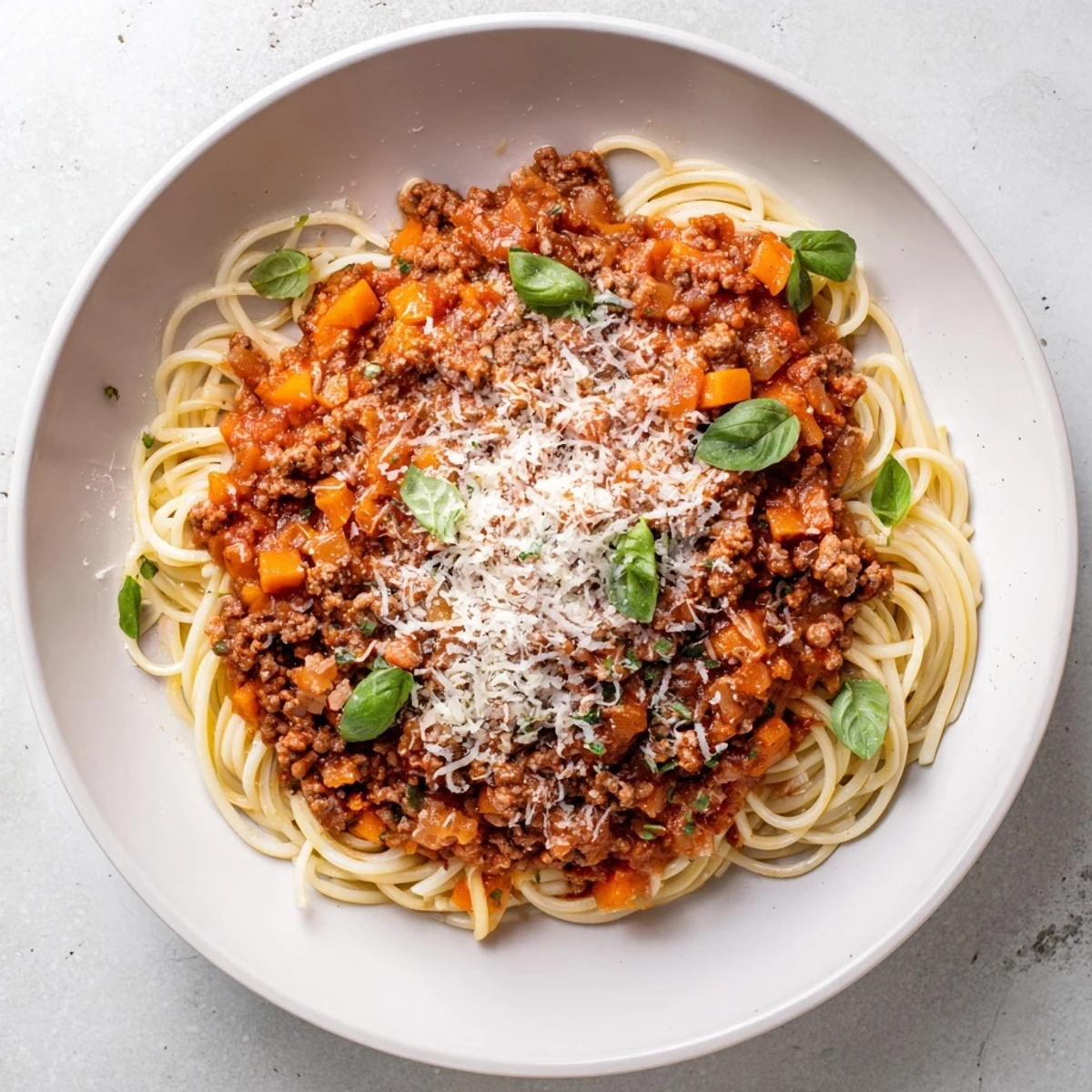
This sauce was meant for fresh egg pasta if you're being traditional—tagliatelle or fettuccine where the wide ribbons can cradle all that gorgeous sauce. Spaghetti works beautifully too, just slightly messier. Pair it with a medium-bodied red wine, something with enough structure to stand up to the richness but not so heavy that it overpowers. Chianti is perfect, or a Barbera. Finish the plate with good Parmesan—freshly grated, not the pre-grated kind that tastes like sadness—and a small handful of fresh basil if you have it. This is not a rushed meal. This is a meal you sit down for and actually enjoy
- Cook your pasta just until al dente; it will continue cooking slightly when you toss it with the hot sauce
- If you're making this ahead, refrigerate the sauce in a container, then reheat it gently with a splash of water or stock before serving
- Leftover sauce freezes for up to three months; thaw it in the refrigerator overnight before reheating
 Save to Pinterest
 Make this when you have time and intention. It's worth the slow afternoon, and it's the kind of meal that reminds you why you learned to cook in the first place.
Frequently asked questions about this recipe
- → What cuts of meat work best?
-
Ground beef with an 80/20 lean-to-fat ratio ensures a juicy and flavorful sauce. For variation, mixing half beef with ground pork or veal enhances richness.
- → How long should the sauce simmer?
-
Simmering for about 1.5 hours allows flavors to deepen and the sauce to thicken. Adding milk near the end balances acidity and adds creaminess.
- → Can I prepare the sauce in advance?
-
Yes, this sauce improves overnight and can be refrigerated for up to 3 days or frozen for up to 3 months for convenience.
- → What pasta pairs well with this sauce?
-
Traditional options like spaghetti or tagliatelle allow the sauce to cling well, providing a satisfying bite.
- → Are there any allergen considerations?
-
The sauce contains dairy and wheat; using gluten-free pasta can accommodate dietary restrictions. Always check stock and wine labels for additives.