
 Save to Pinterest
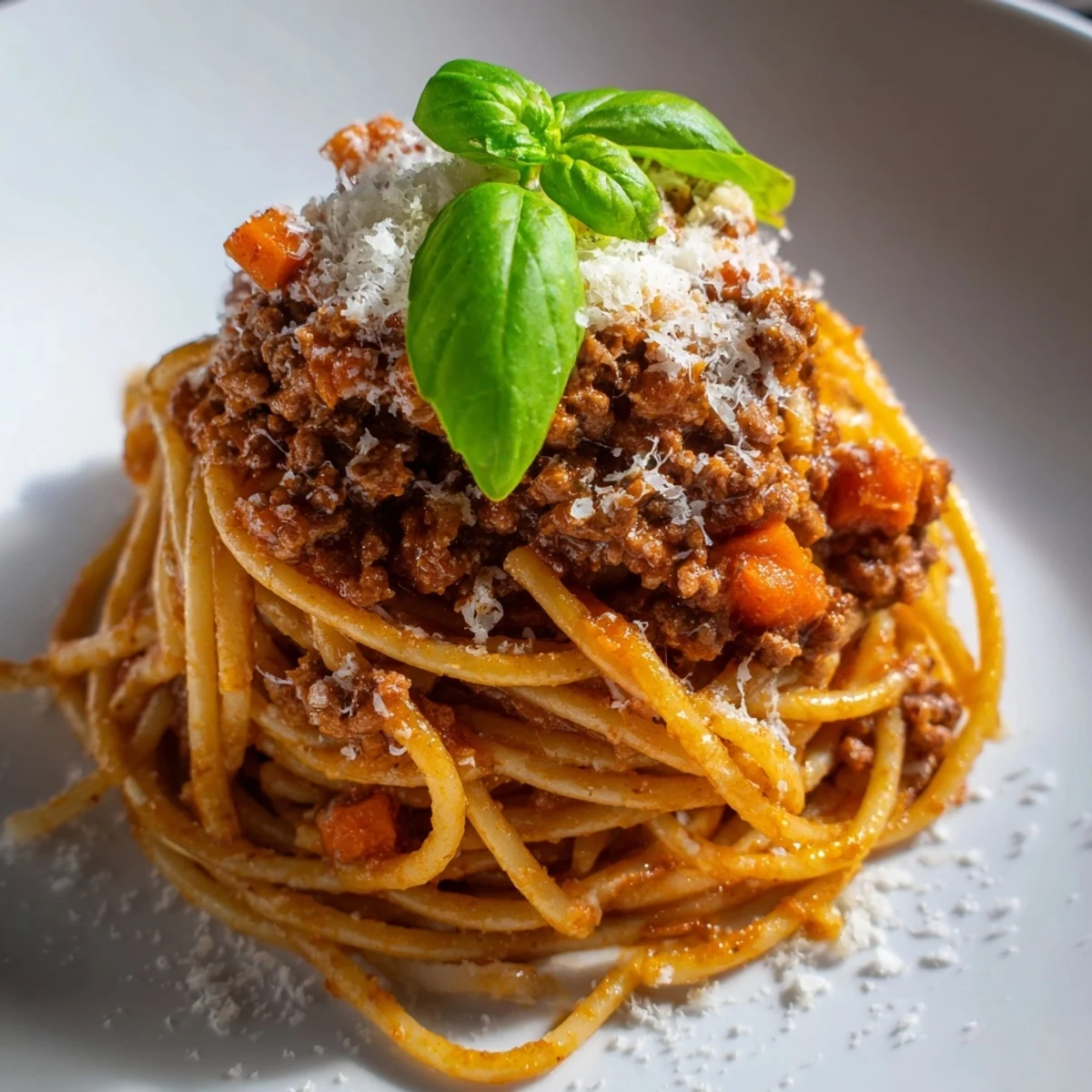
 This Italian-inspired dish combines ground beef, aromatic vegetables, and crushed tomatoes, slowly simmered to develop a rich, hearty sauce. Paired with al dente spaghetti, it offers a satisfying and comforting experience. The sauce is flavored with garlic, herbs, and finished with a touch of milk for smoothness. Garnish with fresh basil and Parmesan for added depth. Ideal for a balanced main dish that warms the soul.
There's something about the smell of a slow-simmered Bolognese that stops time in a kitchen. Years ago, a friend's grandmother showed me her version on a rainy Sunday, and I watched as she patiently built layers of flavor with nothing fancy—just beef, tomatoes, and patience. I've made it countless times since, and it's become the dish I reach for when I want to feel like I'm cooking with intention. Every batch tastes like an afternoon well spent.
I made this for my partner during our first winter together, and he kept asking for more bread to soak up the sauce. That simple moment—watching someone genuinely enjoy something I'd spent hours tending—shifted how I think about cooking. It wasn't about precision or technique; it was about care showing up in a bowl.
Ingredients
- Ground beef (500g, 80/20 blend): The fat ratio matters more than you'd think—too lean and your sauce tastes thin, too fatty and it becomes greasy. The 80/20 is the sweet spot.
- Onion, carrots, and celery: This holy trinity isn't just flavor; it's the foundation that keeps everything balanced and earthy.
- Garlic (3 cloves, minced): Add it after the soffritto so it doesn't scorch and turn bitter—one of those lessons learned the hard way.
- Olive oil (2 tbsp): Good oil matters for sautéing the vegetables, but save your expensive stuff for finishing.
- Canned crushed tomatoes (800g): San Marzano varieties are worth seeking out—they taste rounder and less acidic.
- Tomato paste (2 tbsp): This concentrate deepens everything; don't skip the step of cooking it briefly in the pan.
- Red wine (125ml): Use something you'd actually drink—the alcohol burns off but the flavor stays, adding depth that water never could.
- Whole milk (125ml): This is non-negotiable if you want that silky, authentic finish that sets this apart from every other meat sauce.
- Dried oregano and basil (1 tsp each): Dried herbs work better here than fresh—they infuse slowly over the long simmer.
- Bay leaf: One leaf is enough; any more and it overpowers everything else.
- Salt and black pepper: Taste constantly near the end—tomato sauces need more seasoning than you expect.
- Spaghetti (400g): Fresh or dried both work, but dried pasta holds the sauce better.
- Parmesan cheese, freshly grated: Pre-grated loses its character; grate it while the pasta is still steaming.
Instructions
- Build your base:
- Heat olive oil in a large, heavy pan over medium heat and add your chopped onion, carrot, and celery. You're looking for them to soften and turn translucent—this takes about 7-8 minutes and the kitchen should smell sweet and mellow. Stir occasionally so nothing sticks or browns.
- Welcome the garlic:
- Add your minced garlic and cook for just 1 minute, stirring constantly. You want it fragrant but not brown—this is where many people accidentally bitter their sauce.
- Brown the beef:
- Turn the heat up to medium-high and crumble in your ground beef, breaking it apart with a wooden spoon as it cooks. This takes 6-8 minutes and the meat should be a deep brown with no pink remaining—don't rush this step or you'll miss the flavor development.
- Deepen with paste:
- Stir in tomato paste and let it sit and cook for 2 minutes, stirring frequently. This concentrates the tomato flavor and adds a subtle caramelized note that raw paste never has.
- Deglaze with wine:
- Pour in your red wine and scrape the bottom of the pan with your spoon, releasing all the browned bits stuck there—that's flavor. Let it bubble away for 2-3 minutes until the alcohol smell fades.
- Add the tomatoes:
- Pour in crushed tomatoes, add oregano, basil, and bay leaf, then season generously with salt and pepper. Stir everything together and let it come to a gentle bubble.
- The long simmer:
- Lower the heat to low, place a lid partially over the pan (leave a gap for steam to escape), and let this simmer for 50-60 minutes, stirring every 10 minutes or so. The sauce should reduce slightly and the flavors should meld into something deeper than what you started with.
- Finish with milk:
- Stir in the whole milk and simmer for another 10 minutes—this sounds odd but it's the move that transforms the sauce from good to remarkable. Taste and adjust salt and pepper as needed.
- Cook the pasta:
- While the sauce is simmering, bring a large pot of salted water to a rolling boil and cook your spaghetti according to package directions until al dente. Drain it in a colander but don't rinse—the starch helps the sauce cling.
- Bring it together:
- Remove the bay leaf from the sauce and gently toss the warm spaghetti with the sauce, or serve the sauce ladled generously over twirled nests of pasta. Either way works, but tossing helps everything feel more unified.
- Finish and serve:
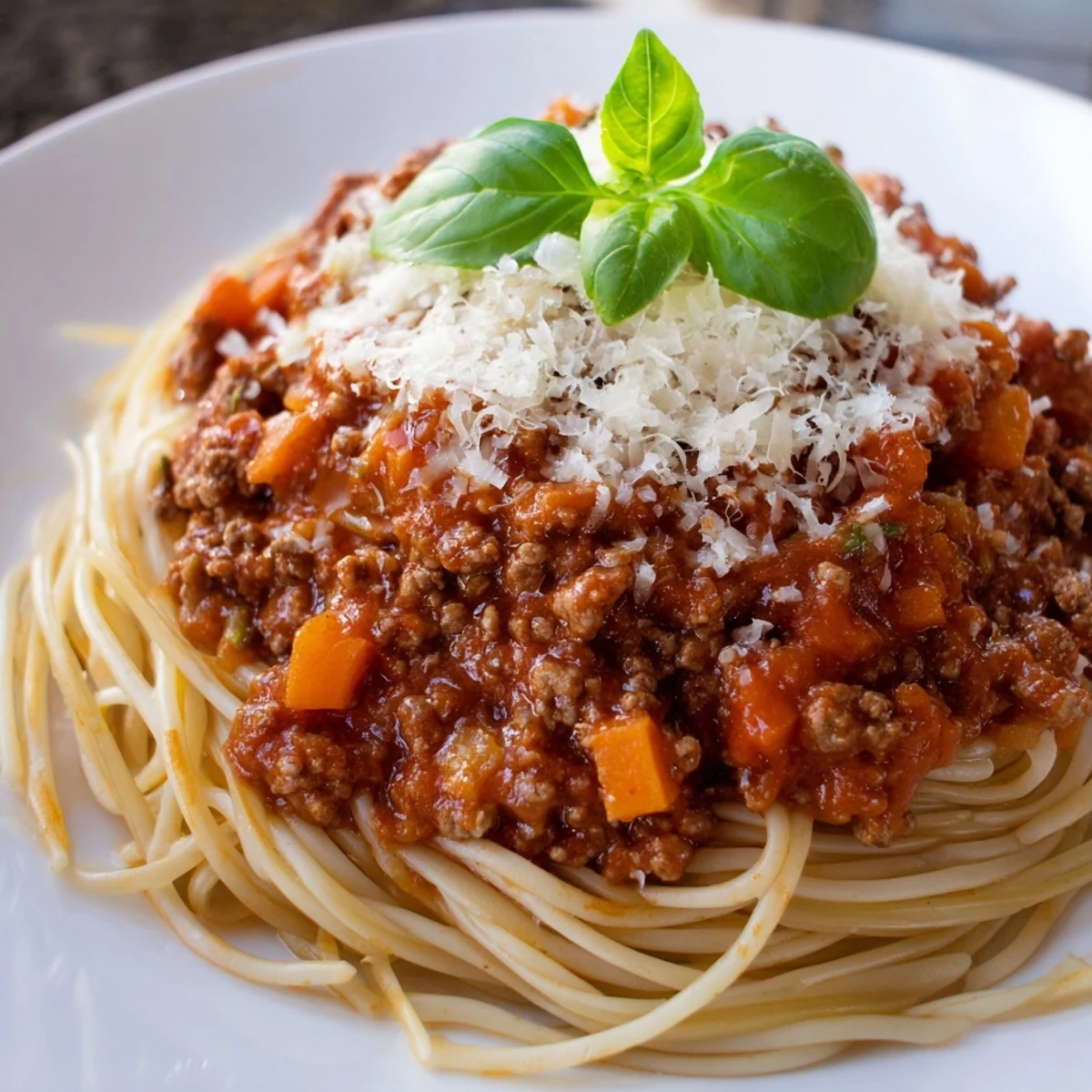
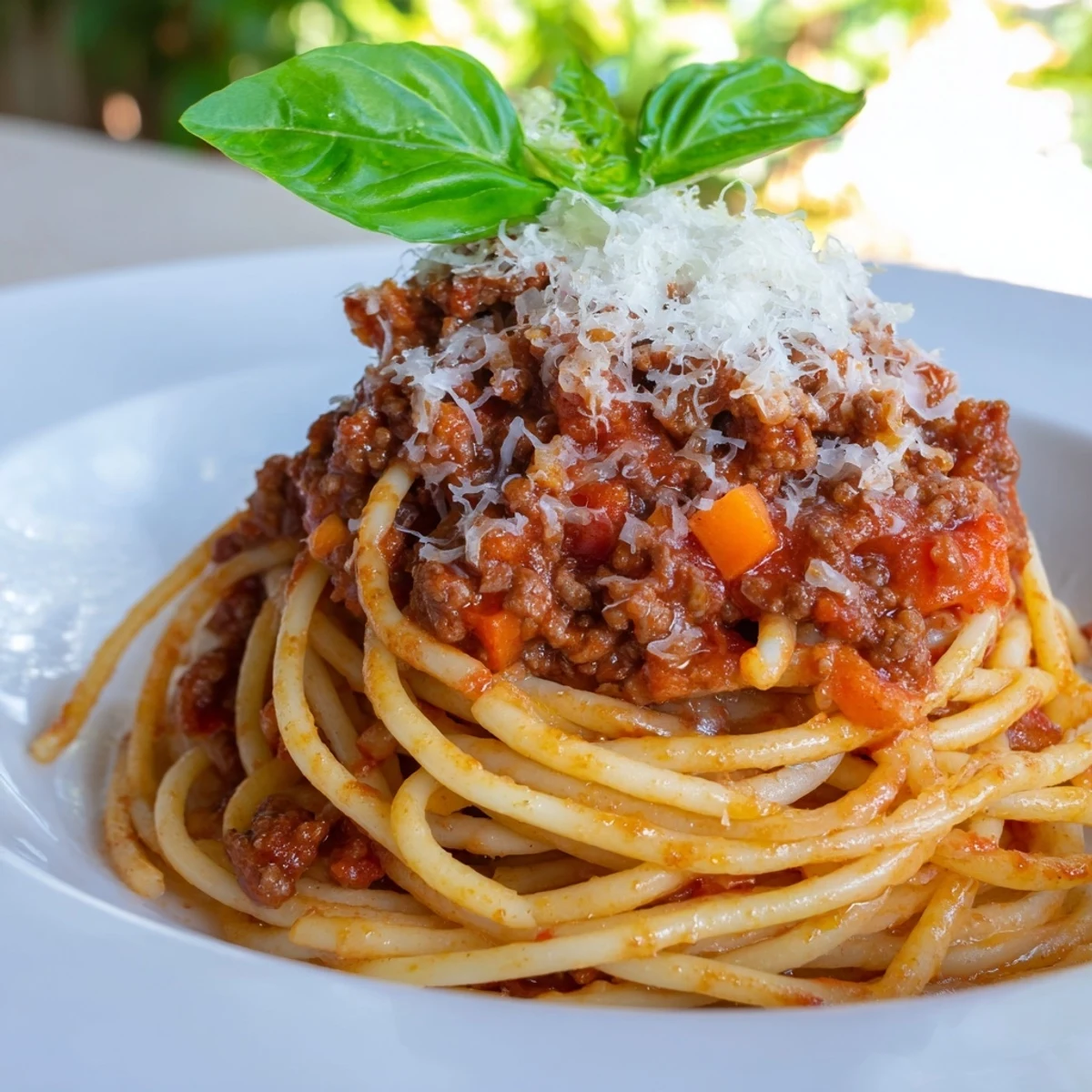
- Divide among bowls and top with freshly grated Parmesan and fresh basil if you have it. Serve immediately while everything is hot.
 Save to Pinterest
 I realized one night, halfway through a bowl, that I was eating slowly on purpose—trying to make it last. That's when I knew this recipe had become more than sustenance; it was something I looked forward to. The kind of meal that deserves undivided attention and second helpings.
Why This Recipe Works
The secret isn't a hidden ingredient or an exotic technique—it's about respecting time. Most meat sauces rush, but this one simmers long enough for the beef to nearly dissolve into the tomatoes and for the vegetables to give everything they have. The longer you let it bubble away, the more flavors compound and round out. That milk at the end catches everyone off guard because it's not something you'd expect, but it's historically accurate and genuinely transformative—it's what separates a good Bolognese from one that tastes like home.
Make It Your Own
This recipe is flexible if you know where you can bend it. Some cooks add a splash of balsamic vinegar at the very end for a whisper of sweetness, others stir in a small knob of butter instead of milk for richness. I've made it with half pork and half beef when a friend mentioned their version that way, and it was subtly delicate and different. The core—the long simmer, the soffritto base, the finishing milk—those are non-negotiable. Everything else is your kitchen, your taste, your version.
Storage and Serving
This sauce is one of those rare things that gets better when you make it ahead. The flavors marry and deepen overnight in the refrigerator, so don't hesitate to make a double batch. It keeps for up to three days in the fridge and freezes beautifully for up to two months—thaw it slowly in the fridge the day before you need it. Some nights I'll reheat a portion on the stove with a splash of water, top it with pasta, and feel like I barely worked at all.
- Cool the sauce completely before refrigerating or freezing to avoid condensation and texture changes.
- Reheat gently on low heat, stirring occasionally and adding a little water if it's too thick.
- Make it on a Sunday evening and you have four nights of dinners waiting in your freezer.
 Save to Pinterest
 This is the kind of recipe that teaches you something new every time you make it. After all these years, it still feels like cooking with someone who knows what they're doing.
Frequently asked questions about this recipe
- → How can I achieve a rich sauce flavor?
-
Sauté the onion, carrots, and celery until soft, brown the beef well, and allow the sauce to simmer slowly to deepen the flavors.
- → What pasta is best suited for this dish?
-
Traditional dried spaghetti works well, cooked al dente to hold texture when mixed with the sauce.
- → Can I substitute the beef with other meats?
-
Yes, ground pork or veal can be used for a more traditional ragù variation.
- → Is there a way to enhance the sauce's richness?
-
Adding a small knob of butter towards the end of simmering enriches the sauce’s texture and flavor.
- → How to store leftovers safely?
-
The sauce can be refrigerated for up to three days or frozen for two months without loss of flavor.