
 Save to Pinterest
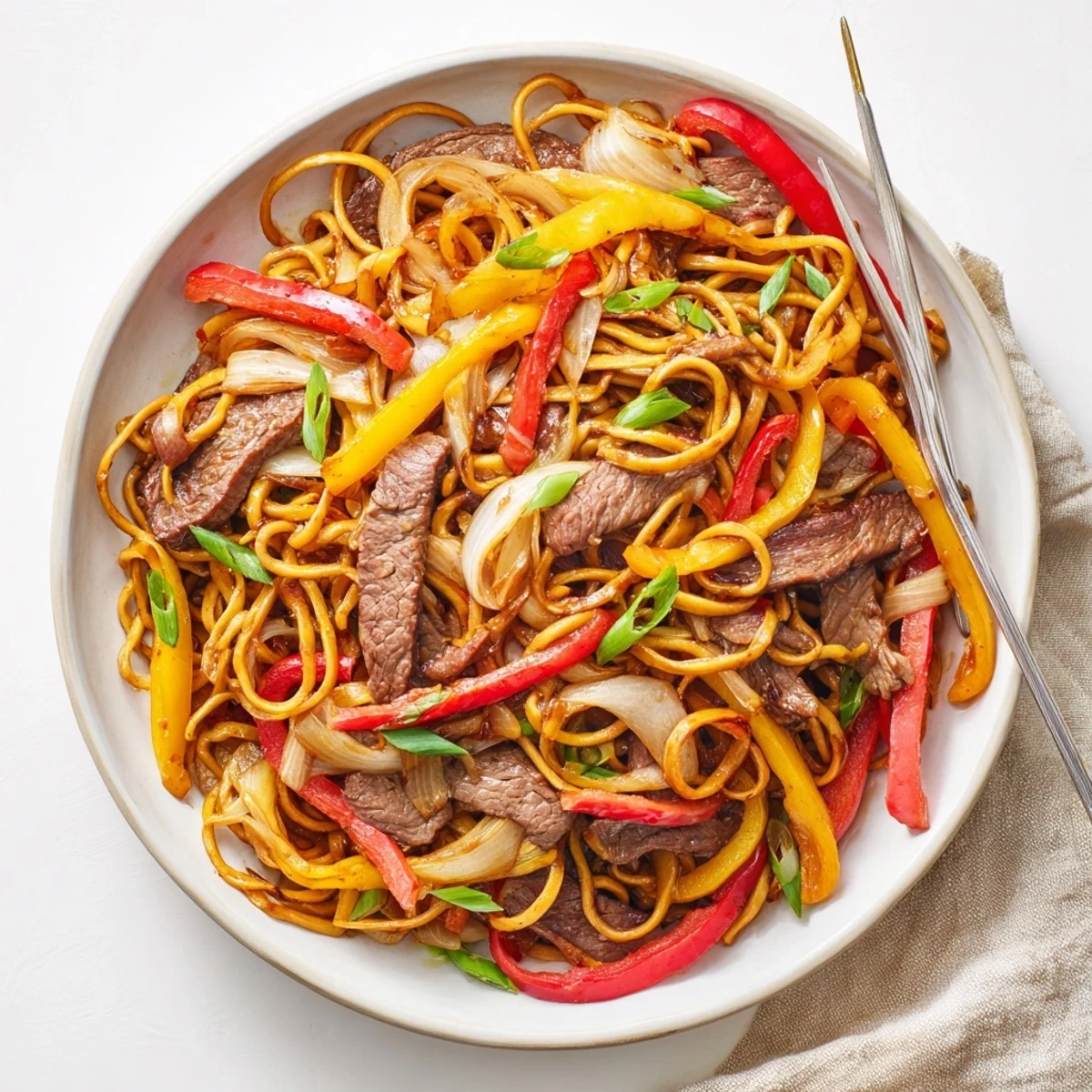
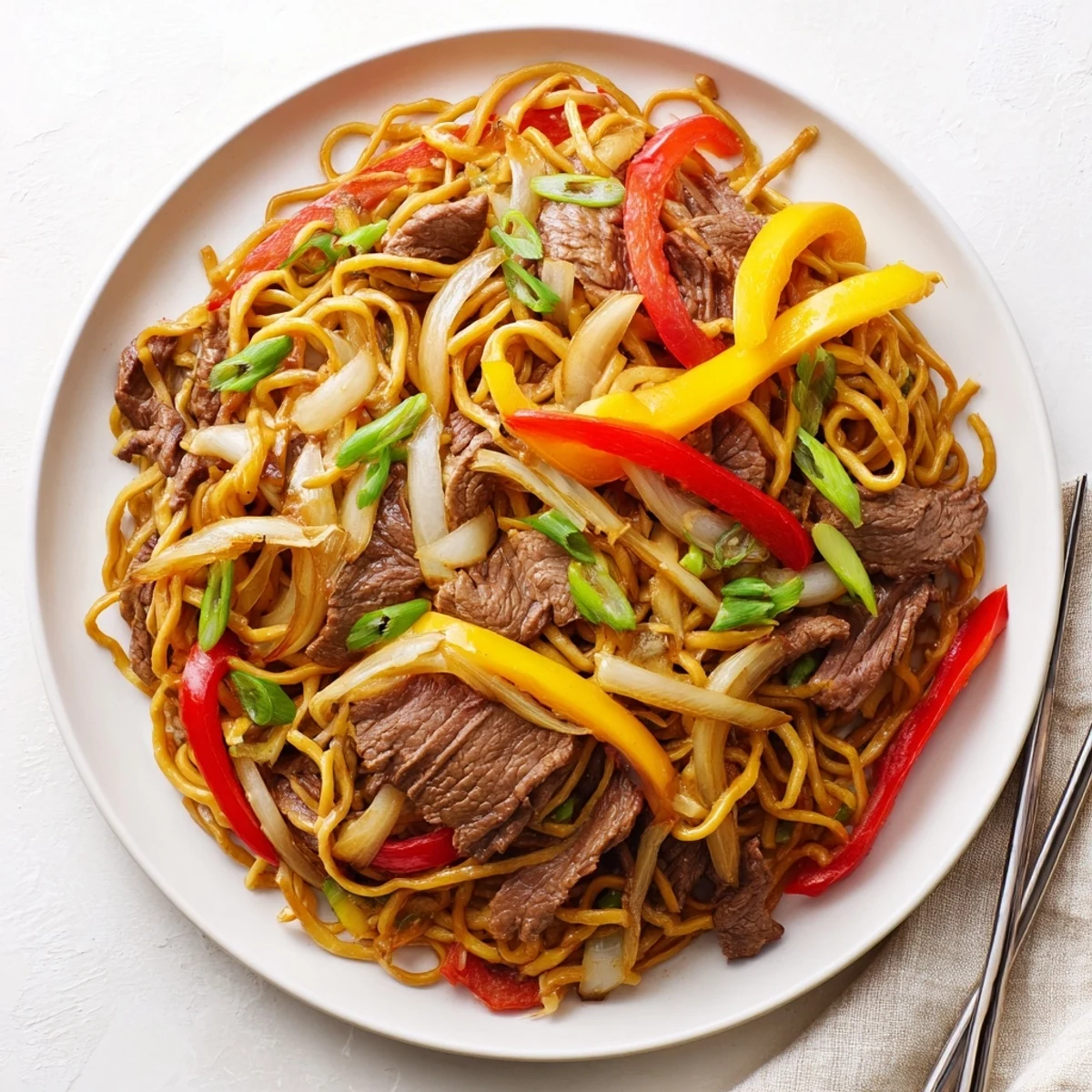
 This vibrant Chinese noodle dish brings together tender beef sirloin, crisp bell peppers, and sweet onions in a savory stir-fry sauce. The preparation involves quickly cooking thin beef slices until browned, then stir-frying aromatic vegetables before tossing everything with cooked chow mein noodles coated in a rich blend of soy, oyster, and hoisin sauces. The entire dish comes together in just 35 minutes, making it perfect for busy weeknight dinners while still delivering restaurant-quality flavor and texture.
The sizzle of beef hitting a smoking wok on a Tuesday night changed my entire week. I had bought bell peppers on impulse, their red and yellow skins gleaming like traffic lights at the farmers market, and a pack of sirloin that was on sale. Twenty minutes later I was standing over the stove, chopsticks in one hand, eating straight from the wok because plating felt unnecessary. That is the power of chow mein.
My roommate walked in while I was tossing the noodles and stood silently watching the steam rise, then grabbed a fork without asking permission. We ate standing at the counter, passing the wok back and forth, barely saying a word because our mouths were full. It became our unspoken Thursday tradition for an entire semester.
Ingredients
- Beef sirloin (350g): Slice it thin against the grain and it practically melts, this cut stays tender even with a quick sear.
- Bell peppers (2, red and yellow): Two colors are not just pretty, they each bring a slightly different sweetness to the wok.
- Large onion: A single onion sliced thin caramelizes fast and adds a natural sweetness that balances the soy sauce.
- Spring onions: Save these for the very end so they stay bright and keep their gentle bite.
- Garlic and ginger: Mince the garlic fine and cut the ginger into matchsticks for little pops of warmth throughout.
- Chow mein noodles (300g): Egg noodles work beautifully as a stand in if your store does not carry traditional chow mein.
- Soy sauce (3 tbsp): The backbone of the sauce, use a good quality one and you will taste the difference.
- Oyster sauce (1 tbsp): This is the secret weapon that gives the dish its deep, restaurant quality richness.
- Hoisin sauce (1 tbsp): A touch of sweetness and complexity that rounds everything out.
- Sesame oil (1 tbsp): Toasted sesame oil added at the end gives that unmistakable aroma.
- Cornstarch (1 tsp) and water (1 tbsp): This slurry thickens the sauce just enough so it clings to every noodle.
- Black pepper and sugar: Just a half teaspoon of each creates subtle balance without overpowering anything.
- Vegetable oil (2 tbsp): Split between browning the beef and cooking the vegetables, a neutral oil keeps the flavors clean.
Instructions
- Whisk the sauce together:
- In a small bowl, combine soy sauce, oyster sauce, hoisin, sesame oil, black pepper, sugar, cornstarch, and water, stirring until the cornstarch disappears completely. Give it a taste if you want, it should be bold and a little salty on its own.
- Cook the noodles:
- Follow the package directions, then drain and rinse under cold water immediately so they stop cooking and do not stick together in a clumpy mass. Toss them with a drop of oil if you are not using them right away.
- Sear the beef:
- Heat one tablespoon of vegetable oil in your wok over the highest heat your stove allows, then add the beef in a single layer and let it brown without stirring for about thirty seconds before tossing. It only needs two minutes, pull it out while it is still slightly pink inside.
- Build the aromatics:
- Add the remaining oil to the same wok, then toss in the garlic, ginger, and onion, stirring constantly for one minute until your kitchen smells incredible and the onions just start to soften.
- Flash cook the peppers:
- Add the sliced bell peppers and stir fry for two to three minutes, you want them tender with a slight crunch remaining, not wilted and sad.
- Bring it all together:
- Return the beef to the wok, add the noodles and pour the sauce over everything, then toss vigorously for two to three minutes until every strand is coated and glistening and the sauce has thickened.
- Finish with spring onions:
- Scatter the sliced spring onions on top, give one final toss, and serve immediately while the wok is still sizzling.
 Save to Pinterest
 The beauty of this dish is how it turned a random weeknight into something worth remembering, a wok full of color and noise that demanded nothing more than appetite and maybe a cold drink.
What to Swap and How
Chicken thighs work beautifully in place of beef, and firm tofu pressed dry and cubed makes this entirely plant based without losing satisfaction. Shrimp cooks even faster, so add it after the aromatics and watch it curl into pink perfection in about ninety seconds.
Getting the Wok Heat Right
Your wok needs to be genuinely hot before anything touches it, wait until a drop of water evaporates on contact within a second. If your stove cannot get there, a large cast iron skillet holds heat beautifully and gives you that same charred edge on the beef.
Making It Your Own
Once you nail the base recipe, start playing with additions like snow peas, julienned carrots, or a handful of bean sprouts tossed in at the end. A drizzle of chili oil over the finished plate is a game changer for anyone who likes heat.
- Snow peas add a satisfying snap with almost zero extra cooking time.
- Toast some sesame seeds in a dry pan and sprinkle them on top for a finishing touch.
- Leftovers reheat perfectly in a hot skillet the next day, maybe even better than fresh.
 Save to Pinterest
 Keep this recipe in your back pocket for any night that needs rescuing. It is fast, forgiving, and tastes like you spent far longer than thirty five minutes making it.
Frequently asked questions about this recipe
- → What type of beef works best for chow mein?
-
Beef sirloin is ideal because it's tender and slices thinly without becoming tough. Flank steak or ribeye also work well. Always slice against the grain for the most tender results.
- → Can I prepare the sauce in advance?
-
Absolutely. Mix the soy sauce, oyster sauce, hoisin, sesame oil, and seasonings ahead of time and store in the refrigerator for up to a week. This makes the actual cooking process much faster.
- → What vegetables can I add to customize this dish?
-
Snow peas, bean sprouts, shredded carrots, bok choy, or mushrooms all work beautifully. Just adjust cooking times accordingly—softer vegetables like bean sprouts should be added at the very end.
- → How do I prevent the noodles from sticking together?
-
Rinse cooked noodles thoroughly with cold water to stop the cooking process and remove excess starch. Toss them with a small amount of sesame oil before setting aside until ready to use.
- → Can I make this dish gluten-free?
-
Yes. Use rice noodles instead of egg noodles and substitute tamari or coconut aminos for soy sauce. Ensure your oyster sauce is labeled gluten-free or use a vegetarian mushroom-based alternative.
- → What's the secret to restaurant-style flavor?
-
High heat is essential. Use a wok or large skillet over high heat, and avoid overcrowding the pan. Cook ingredients in batches if needed. Also, don't skip the sesame oil—it adds that authentic aroma and depth.