
 Save to Pinterest
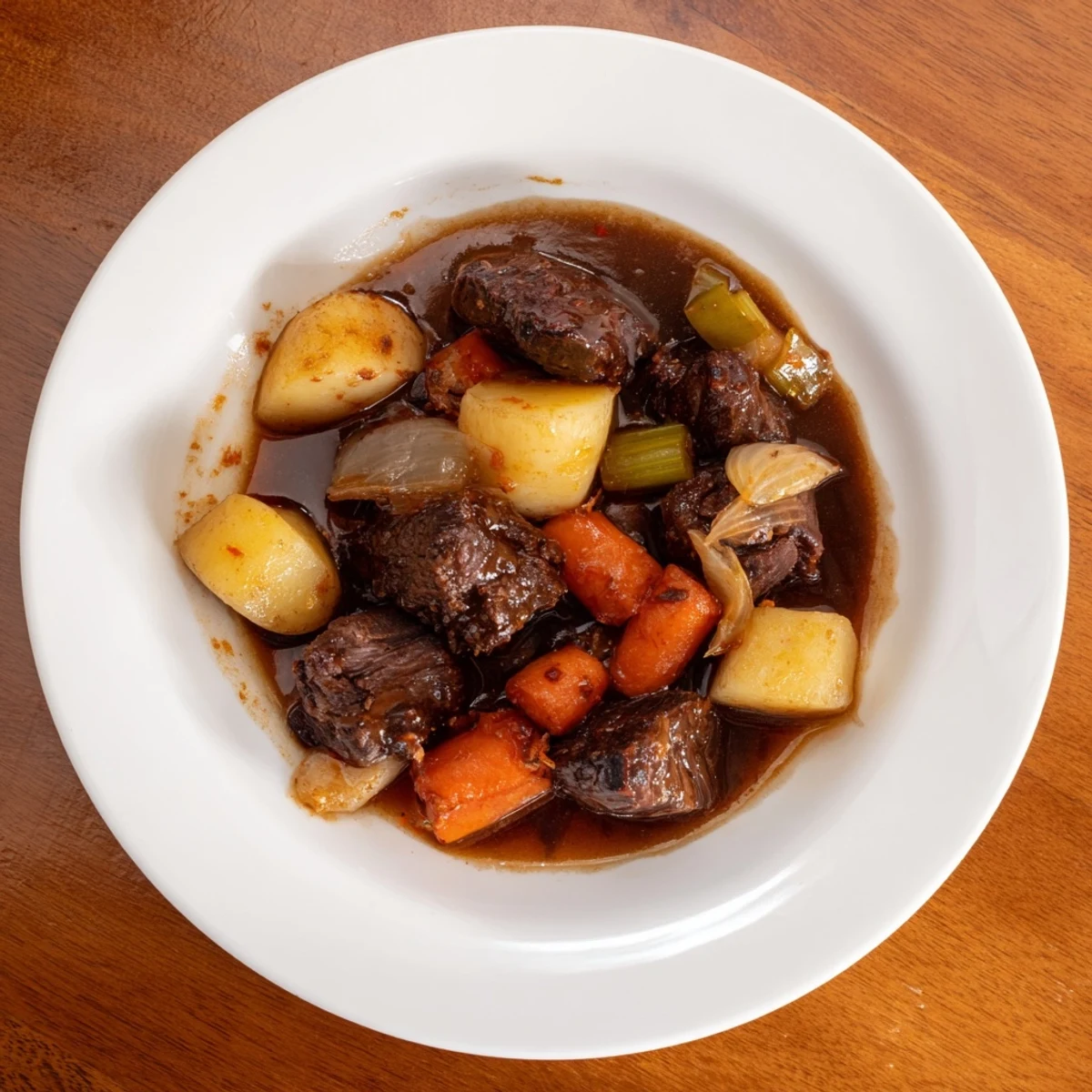
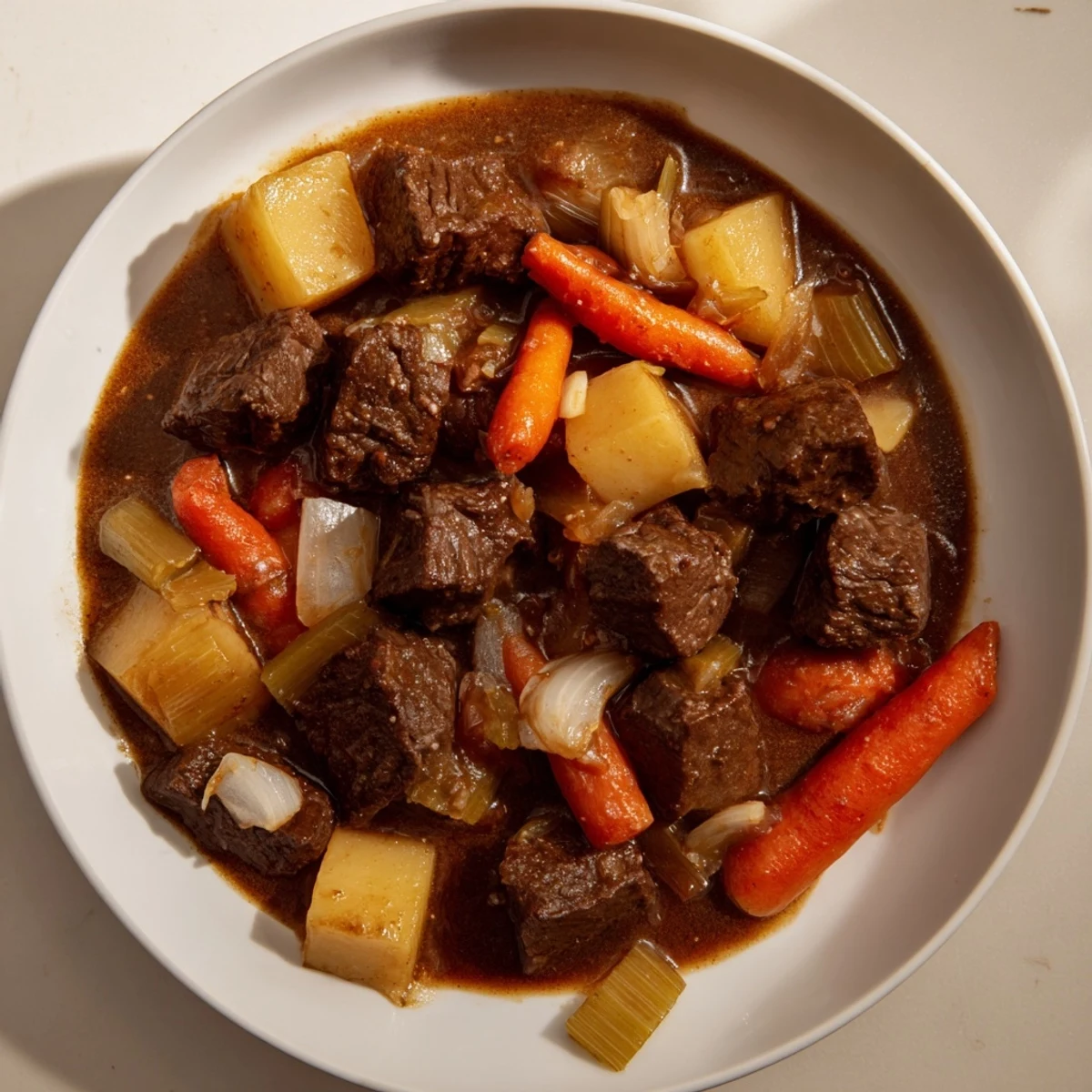
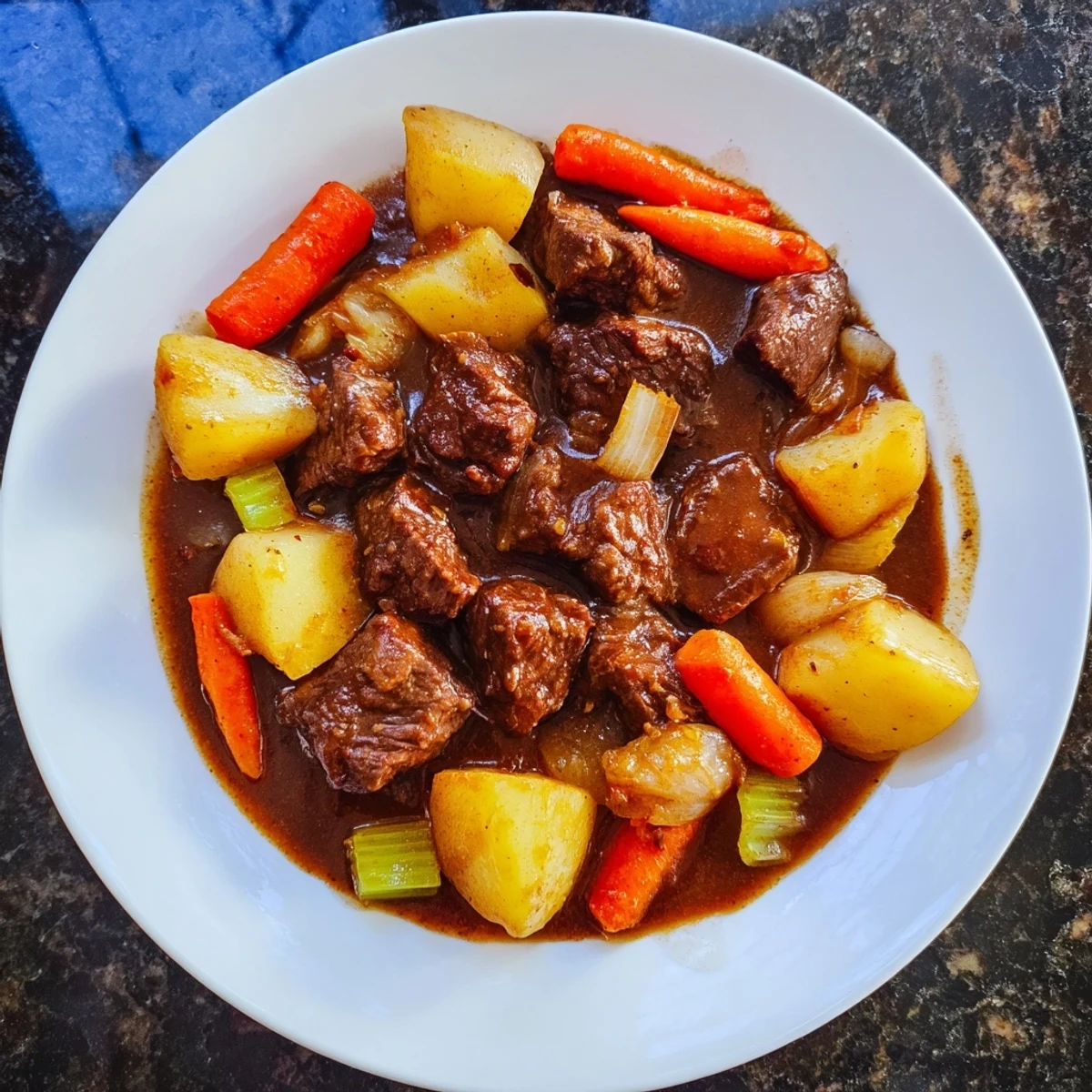
 This hearty dish combines tender cubes of beef chuck with a medley of root vegetables including carrots, parsnips, and potatoes. Sautéed aromatics like onion, celery, and garlic build depth of flavor, enhanced by tomato paste and fresh herbs such as thyme and bay leaves. Simmered gently in beef stock and optional red wine, the beef becomes succulent while the vegetables soften beautifully. The dish finishes with an optional thickening step for a velvety texture. Perfectly suited for warming chilly evenings and pairs well with crusty bread or buttered noodles.
There's something about a pot of beef stew simmering on the stove that makes a house feel like a home. I remember the first time I made this, it was a Sunday afternoon and my kitchen filled with the most incredible savory aroma—rich beef, wine, and herbs all melding together into something that made everyone pause the moment they walked through the door.
I'll never forget the evening unexpected guests arrived just as this stew reached that perfect point where the whole house smells like comfort. One bite and they stopped mid-conversation—that's when I knew this recipe was a keeper.
Ingredients
- Beef chuck, 2 lbs cut into 1.5-inch cubes: This cut has just enough fat and connective tissue to become incredibly tender and flavorful during the long simmer. Don't skip the cutting—uniform sizes mean even cooking.
- Carrots, 2 large peeled and sliced: They add natural sweetness that balances the savory beef and wine beautifully.
- Parsnips, 2 peeled and sliced: If you've never cooked with them, you're in for a treat—they're like carrots' earthier, more elegant cousin.
- Potatoes, 2 medium peeled and cubed: These soak up all that rich broth and become creamy from the inside out.
- Onion, 1 large diced: The foundation of flavor—don't rush this part.
- Celery stalks, 2 sliced: This is the quiet hero that adds depth most people can't quite name.
- Garlic, 3 cloves minced: Fresh is always worth it here.
- Beef stock, 4 cups: The liquid gold that ties everything together. Use good quality stock if you can.
- Dry red wine, 1 cup optional: This adds complexity and richness, but plain stock works beautifully if you prefer.
- Tomato paste, 2 tbsp: A little goes a long way—it adds umami and depth without making this taste tomatoey.
- Salt and freshly ground black pepper: Start with 2 tsp salt and 1 tsp pepper, taste as you go.
- Bay leaves, 2 and fresh thyme, 3 sprigs: These are what make it taste homemade instead of generic.
- Vegetable oil, 2 tbsp: For searing the beef until it's golden on all sides.
- Cornstarch or arrowroot powder, 2 tbsp mixed with cold water: Only if you want extra-thick stew—the broth naturally gets lovely and rich from the beef.
Instructions
- Pat your beef completely dry and season generously:
- This is the move that changes everything. Dry beef browns properly, wet beef steams. Use paper towels and don't be shy with the salt and pepper—it's your seasoning base.
- Get that pot screaming hot and sear the beef in batches:
- You're not cooking the beef here, you're creating a golden crust that locks in flavor. Listen for the sizzle, wait until one side is deep golden before turning. Work in batches so you don't crowd the pan—crowding creates steam, and steam prevents browning. This takes patience but it's worth every second.
- Soften your aromatics and build the base:
- Once the beef is out, add onion and celery to that same pot with all those gorgeous browned bits stuck to the bottom. Let them get soft and translucent, about 3 to 4 minutes. Then add the minced garlic and tomato paste, stirring for just a minute until it darkens slightly and smells incredible.
- Deglaze and let the wine work its magic:
- Pour in the red wine if you're using it, and use a wooden spoon to scrape up every single browned bit from the bottom of the pot. These little bits are pure flavor. Let it simmer for 2 minutes so the wine loses its sharp edge and mellows into something rich.
- Build your stew and bring it to a gentle simmer:
- Add the beef back in, then pour in the stock. Add your carrots, parsnips, potatoes, bay leaves, and thyme. Stir everything together, give it a taste, and let it come to a simmer. You're not looking for a rolling boil—a gentle, quiet simmer is what creates the most tender beef.
- The long, slow part where patience becomes dinner:
- Cover the pot and let it cook low and slow for 2 hours, stirring occasionally so nothing sticks to the bottom. After 2 hours, the beef should be fall-apart tender and the vegetables should be soft. If your kitchen is cool, it might take slightly longer—that's okay, just keep going until the beef gives easily to a fork.
- Thicken if you want it extra rich:
- If you like your stew with a thicker, more luxurious broth, mix that cornstarch or arrowroot with cold water until smooth, then stir it in. Let it simmer uncovered for 5 to 10 minutes and watch as it transforms into something silky.
- The final taste and serve:
- Remove the bay leaves and thyme sprigs. Taste and adjust your salt and pepper—it probably needs a little more than you think. Ladle it hot into bowls and serve with crusty bread for soaking up every last bit of broth.
 Save to Pinterest
 There's a moment, usually around the 90-minute mark, when the kitchen smells so good that everyone gravitates toward the stove. That's when you know this dish has done its job—it's become more than just dinner, it's become the heart of the evening.
Keeping It Fresh
This stew actually gets better when you make it ahead. The flavors deepen and marry together overnight, making it perfect for meal prep or bringing to a gathering. Store it in an airtight container in the fridge for up to 4 days, or freeze it for up to 3 months. When you reheat it, do it gently on the stovetop over medium-low heat, adding a splash of water or stock if it's gotten too thick.
When You're Missing Something
One of the beautiful things about this stew is how flexible it is. Don't have parsnips? Swap them for turnips or add a chunk of rutabaga for something earthier and different. Missing red wine? Just use more stock—the stew will still be delicious, maybe a touch less complex but still deeply satisfying. Out of fresh thyme? Dried works, just use about a third of the amount since it's more concentrated. The core of this recipe is so solid that small substitutions won't derail you.
Serving Ideas That Clicked
The best part about this stew is how it pairs with almost everything. A thick slice of crusty bread for soaking up broth is the classic move, but I've also served it over buttered egg noodles when I wanted something more substantial, or with creamy mashed potatoes for extra comfort. It pairs beautifully with a robust red wine like Cabernet Sauvignon if you want to extend the evening. And if you're feeling fancy, a sprinkle of fresh parsley on top adds just a touch of brightness right before serving.
- For extra depth, add a splash of Worcestershire sauce or a teaspoon of smoked paprika near the end of cooking
- Always check your beef stock and tomato paste labels—these are where hidden allergens sometimes hide
- Make sure to remove those bay leaves and thyme sprigs before serving, not just for safety but so no one gets an unpleasant surprise of a tough leaf in their mouth
 Save to Pinterest
 This stew is the kind of food that reminds you why you love cooking—simple ingredients, honest technique, and something warm to share. That's really all it takes.