
 Save to Pinterest
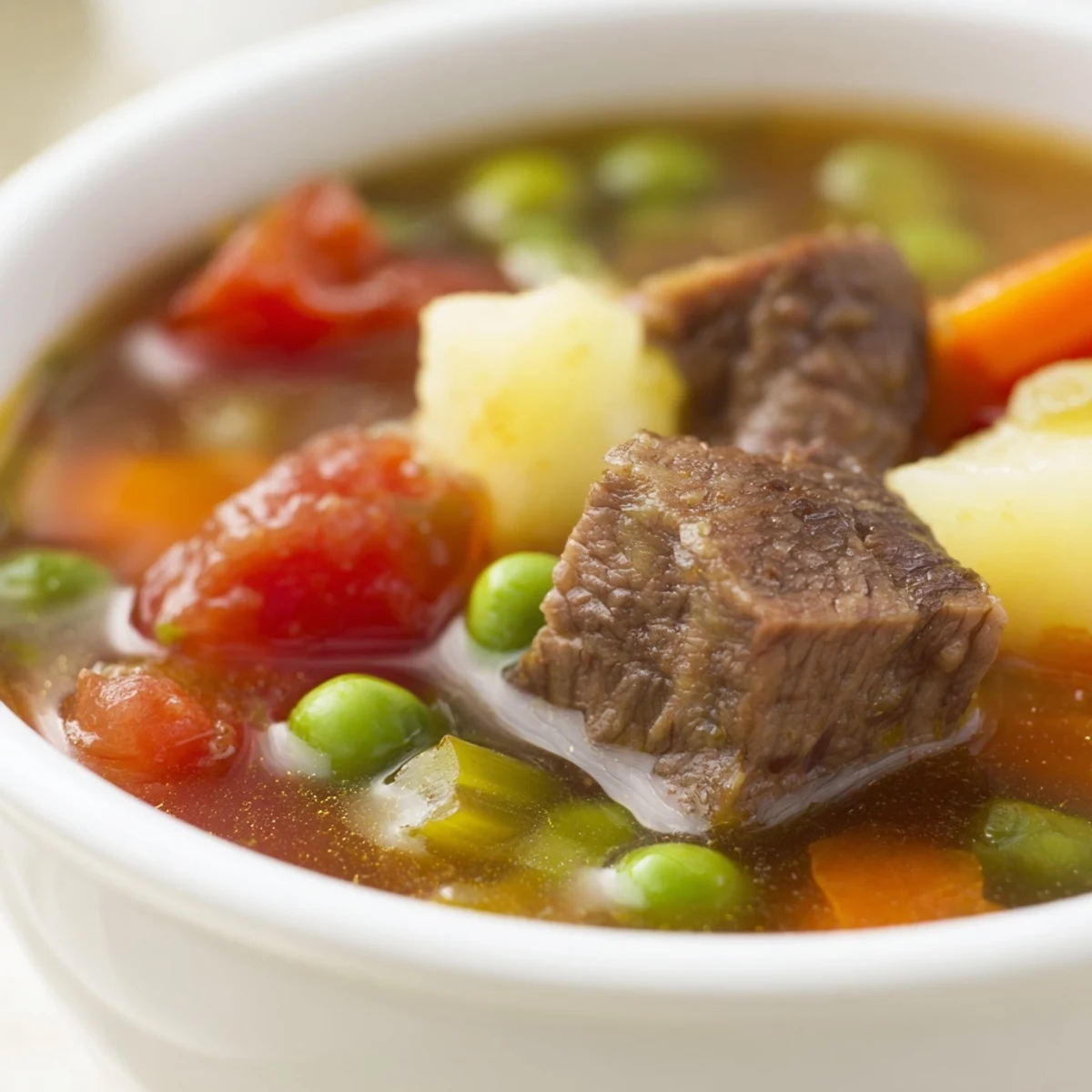
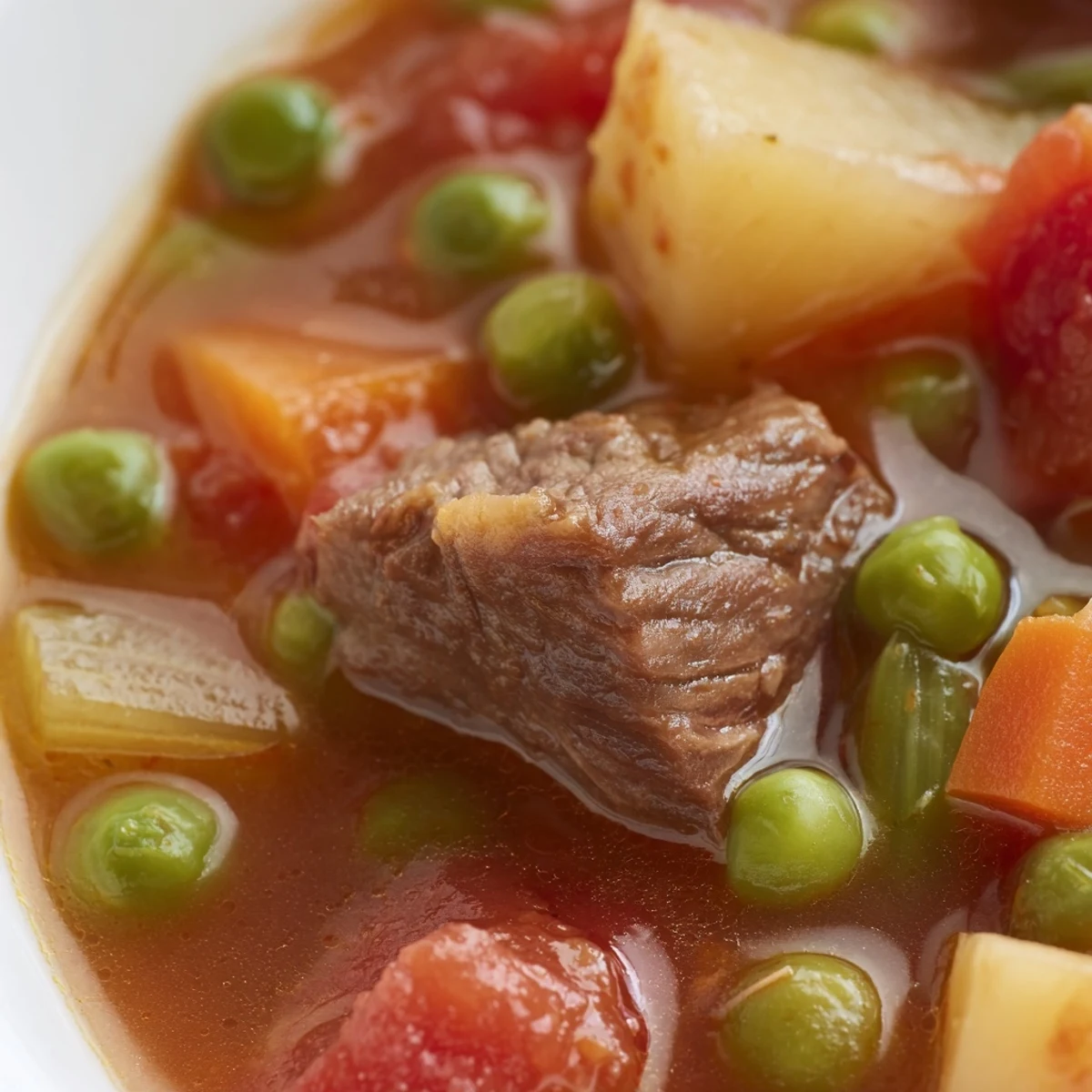
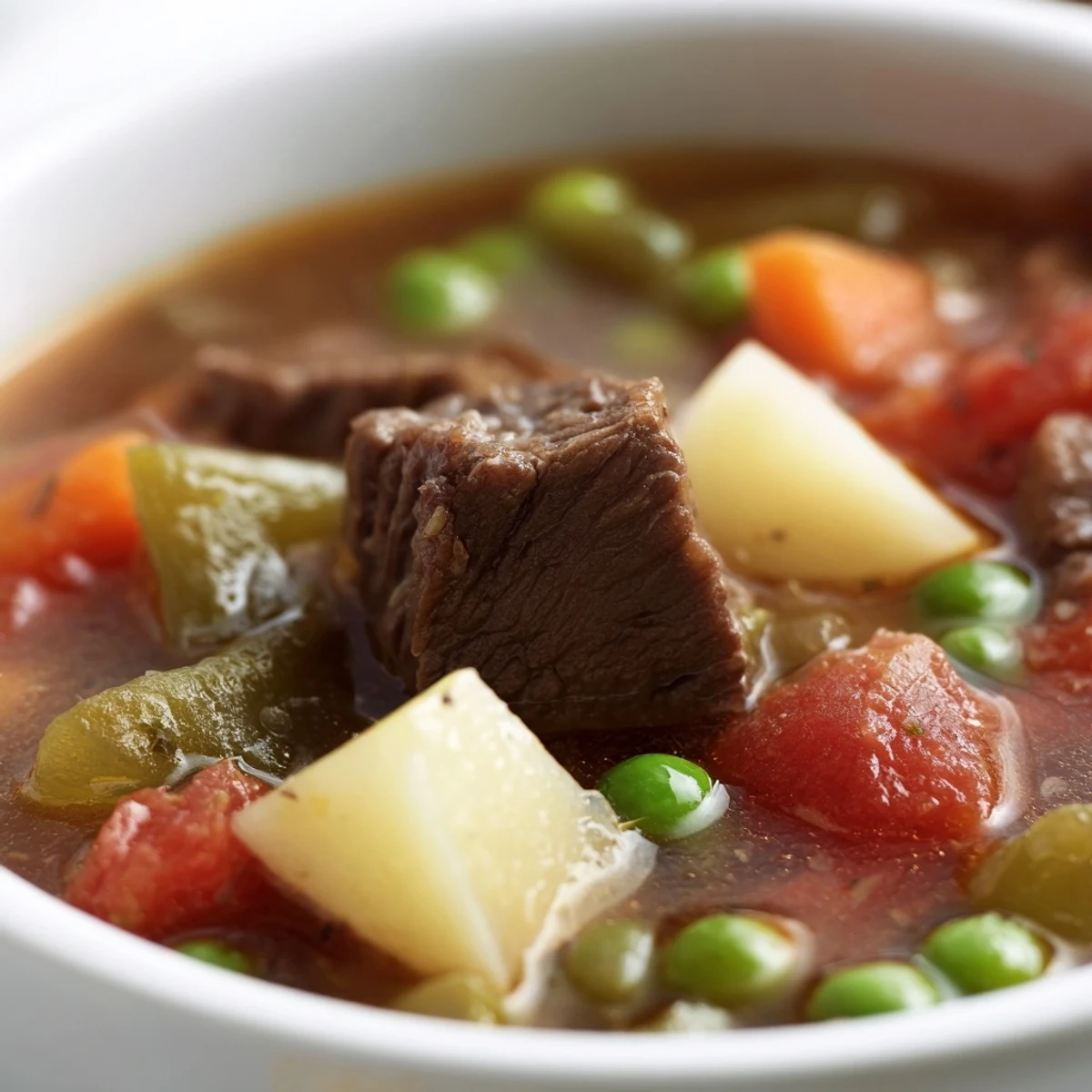
 This hearty dish features tender cubes of beef simmered slowly with diced potatoes, sweet peas, and a medley of fresh vegetables like onions, carrots, and celery. Infused with herbs such as thyme, parsley, and a hint of paprika, the broth develops a rich, comforting flavor perfect for warming up cool days. A touch of garlic and diced tomatoes amplify the savory notes, balanced with simple seasoning. The slow-cooking process ensures the beef becomes tender while vegetables meld into a satisfying, wholesome meal.
There's something about a pot of beef vegetable soup simmering on the stove that makes a chaotic kitchen feel like home. I discovered this recipe on a gray November afternoon when my neighbor stopped by with a bag of potatoes from her garden, and we decided to turn them into something warm and substantial. The first time I made it, I burned the beef while distracted by a phone call, but somehow the soup still turned out incredible—rich, deeply savory, with vegetables that collapsed into the broth in the most satisfying way. Now it's become my go-to whenever someone needs comfort food or I need to feed a crowd without fussing.
I made this for my college roommate the winter she moved back home, and we sat at my kitchen counter eating bowls of it while snow fell outside. She kept saying she'd forgotten how good real food could be, and I realized that's exactly what this soup does—it strips away all the noise and just feeds you. That memory stuck with me, and now every time I smell the beef browning, I think of her.
Ingredients
- Beef stew meat: One pound of 1-inch cubes gives you tender, flavorful pieces that hold their shape through the long simmer without falling apart into stringy bits.
- Olive oil: Use just enough to coat the pot—this is where you build flavor through browning, not frying.
- Onion, carrots, and celery: This trio is the backbone of almost every good soup, and they soften into sweetness as they cook down into the broth.
- Potatoes: Medium dice so they're done at the same time as the beef; too small and they disappear, too large and they're still crunchy when everything else is ready.
- Garlic: Just two cloves, minced fine so they disappear into the broth and add depth without overpowering.
- Diced tomatoes: The acidity cuts through the richness of the beef and brightens everything up in a way you won't expect.
- Beef broth: The quality here matters more than you'd think; splurge on good broth and you'll taste the difference in every spoonful.
- Bay leaves, thyme, and parsley: Dried herbs are perfect here because they mellow out into the broth rather than shouting at you.
- Paprika: A half teaspoon adds warmth and a whisper of earthiness without changing the color too much.
- Frozen peas: Add them at the very end so they stay bright green and don't turn to mush.
Instructions
- Prep your beef:
- Pat the cubes completely dry with paper towels—this is the secret to getting a proper brown crust instead of steam. Season generously with salt and pepper so the meat is flavorful from the start.
- Get a golden crust:
- Heat your oil until it shimmers, then add beef in a single layer, resisting the urge to stir for a few minutes. Let each piece develop a deep brown color before flipping; you're building flavor here, not just cooking the meat through.
- Build the flavor base:
- Once the beef is out, sauté your onion, carrots, and celery in that beautiful browned oil for several minutes until the edges start to soften and the pot smells incredible. Add garlic and cook just until fragrant—about one minute—so it doesn't burn.
- Bring it all together:
- Return the beef to the pot and add your potatoes, tomatoes with their juice, the bay leaves, herbs, and paprika. Pour in the broth and give everything a good stir so nothing sticks to the bottom.
- Let time do the work:
- Bring the soup to a boil, then immediately turn the heat down to low, cover it, and let it simmer for a full hour, stirring occasionally. You're not trying to rush this—the low heat lets the beef become fall-apart tender and lets all the flavors meld together.
- Finish with brightness:
- Stir in the frozen peas and let them cook uncovered for ten minutes—they'll turn a vibrant green and stay firm. Taste and adjust seasoning, remembering that salt tastes different hot than it will when the soup cools.
- Final touch:
- Fish out those bay leaves before serving; nobody wants to bite into one unexpectedly.
 Save to Pinterest
 The first time someone came back for seconds without being asked, I knew I'd gotten something right. Now when people ask for the recipe, I always tell them the secret isn't an ingredient—it's the willingness to let a pot sit quietly on the stove and just trust the process.
Why This Soup Works Year-Round
Beef vegetable soup exists in this beautiful space where it's never out of season. On cold nights it's pure comfort, warming you from the inside out, but I've also served it chilled on hot days with crusty bread and it's somehow just as satisfying. The vegetables keep it grounded in reality—you're eating something nourishing, not just coziness in a bowl.
Making It Your Own
The structure of this soup is flexible enough that you can play around with it once you understand the basic formula. I've swapped in sweet potatoes for regular ones when I wanted something sweeter, added a dash of Worcestershire sauce when the broth tasted thin, and thrown in fresh spinach at the end when I had it on hand. The beef, the broth, and the long simmer are non-negotiable, but everything else is a conversation between you and what's in your kitchen.
Serving and Storage Wisdom
This soup tastes even better the next day, after all the flavors have had time to get to know each other, so don't hesitate to make it ahead. It stores beautifully in the fridge for up to four days and freezes well for months if you want to bank some for later. Serve it in wide bowls with crusty bread nearby for dunking, a simple green salad on the side, and maybe a drizzle of fresh parsley if you're feeling fancy.
- Let soup cool completely before freezing so it doesn't warm up your whole freezer.
- Reheat gently on the stovetop rather than blasting it in the microwave, which can make the beef tough.
- If it's thicker than you like after a day or two, just add a splash more broth when you reheat.
 Save to Pinterest
 This is the kind of recipe that gets better every time you make it because you start to understand how it works, what your stove likes, and exactly how it tastes from your kitchen. That's when cooking stops being a checklist and starts being a conversation.
Frequently asked questions about this recipe
- → Can I substitute other vegetables?
-
Yes, sweet potatoes can replace regular potatoes, and other seasonal veggies like green beans or corn work well.
- → How do I ensure the beef is tender?
-
Simmer the beef gently for at least an hour until it becomes tender and allows flavors to meld fully.
- → Can I prepare this dish in advance?
-
Absolutely. This stew tastes even better the next day as flavors deepen. Refrigerate and reheat gently before serving.
- → What herbs enhance the flavor?
-
Dried thyme and parsley add warmth and freshness, while paprika gives a mild smoky undertone.
- → Is there a way to adjust seasoning during cooking?
-
Season with salt and pepper to taste halfway through and after simmering, adjusting as needed for balanced flavor.