
 Save to Pinterest
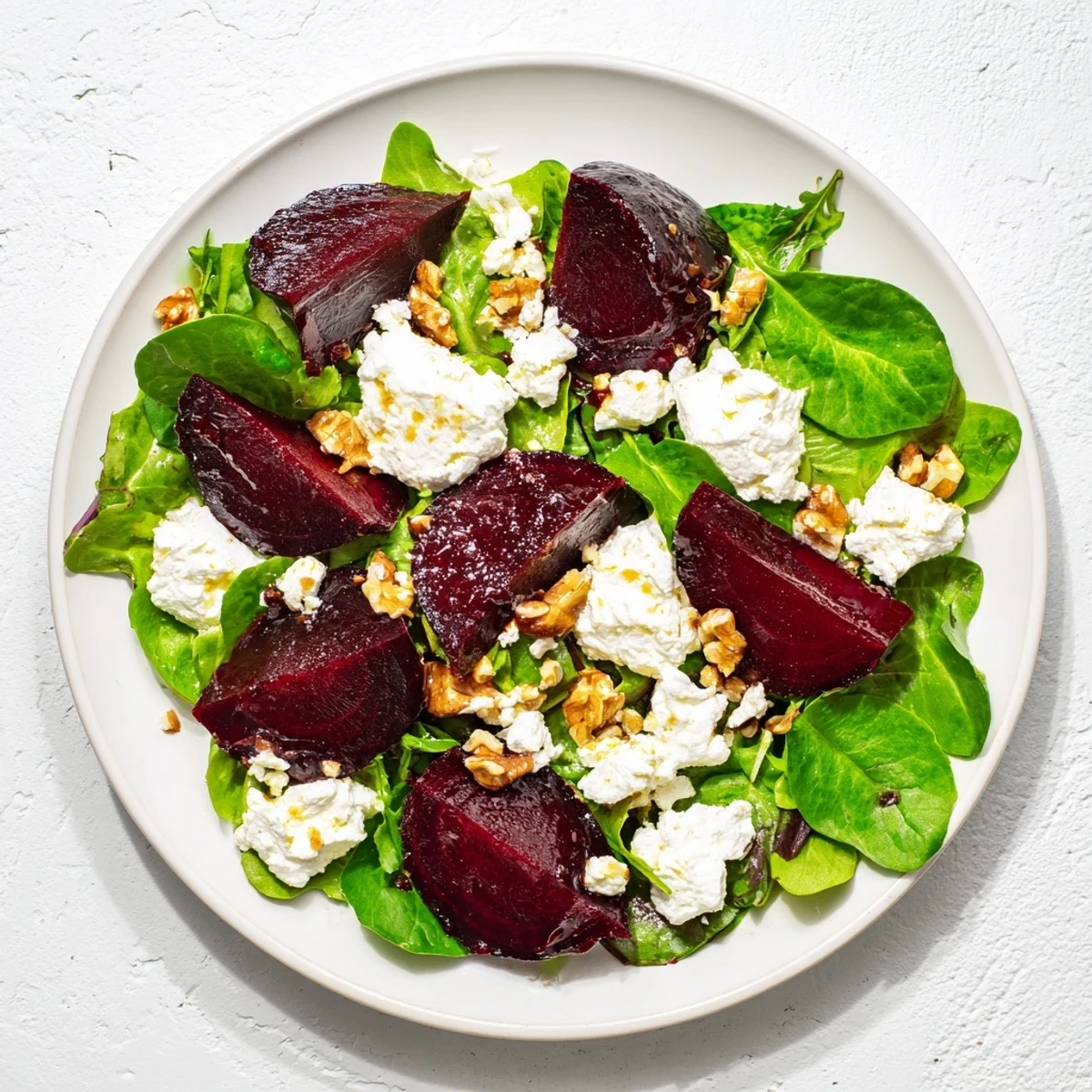
 This vibrant salad combines tender roasted beets with creamy goat cheese and crunchy toasted walnuts. Mixed greens are dressed lightly with a honey-balsamic vinaigrette, balancing sweetness and acidity for a refreshing starter or light lunch. The preparation features simple roasting and mixing steps, creating an elegant dish suitable for vegetarian and gluten-free diets.
Try adding orange segments or substituting feta cheese for extra flavor variations. The salad pairs wonderfully with crisp white wines like Sauvignon Blanc or Pinot Grigio, making it perfect for entertaining or casual meals.
I discovered this beet salad on a late summer afternoon at a farmer's market in Provence, where an elderly vendor with flour-dusted hands was arranging the most impossibly vibrant beets I'd ever seen. She mentioned, almost casually, that the secret wasn't just the beets themselves, but how you treat them with respect—roasting them whole to keep their sweetness locked inside. I've been making this version ever since, and it's become the dish I turn to when I want to feel like I'm cooking with intention.
I remember making this for my partner's birthday dinner when we were trying to impress his parents without seeming like we were trying too hard. When his mother asked for the recipe, I realized this simple salad had quietly become the thing that made the whole meal feel special—not because it was complicated, but because every element had its moment to shine.
Ingredients
- Medium beets (4, about 500 g): Look for beets that feel dense and heavy for their size, with smooth skin and no soft spots. The deeper the color, the sweeter they'll be. I learned to trim the greens and roots completely before roasting—this prevents them from drawing moisture away from the beet itself
- Mixed salad greens (4 cups or 120 g): Use a combination of textures and flavors—arugula brings peppery bite, spinach adds earthiness, and baby lettuce provides delicate sweetness. Buy them as fresh as possible, ideally the day you're serving
- Goat cheese (100 g or 3.5 oz): The creaminess of goat cheese is what makes this salad sing. Keep it refrigerated until the last moment, then crumble it gently with your fingers rather than cutting it—the irregular pieces catch the dressing better
- Walnuts, toasted (½ cup or 50 g): Toast them yourself if you can; the difference is remarkable. Roughly chop them so you get both big pieces for texture and smaller crumbs that distribute throughout. Toasting brings out an almost buttery depth
- Extra-virgin olive oil (3 tbsp): This is not the place to skimp. Good olive oil is the backbone of this dressing. Choose one you'd actually drink a spoonful of
- Balsamic vinegar (1 tbsp): Real balsamic from Modena is lovely, but a good quality aged balsamic balances sweetness and acidity perfectly for this dish
- Dijon mustard (1 tsp): The mustard emulsifies the dressing and adds a subtle complexity that keeps your palate interested through each bite
- Honey (1 tsp): Just enough to echo the natural sweetness of the beets and round out the vinegar's edge
- Salt and freshly ground black pepper: Taste as you go—this is where you make the dressing your own
Instructions
- Heat your oven and wrap those beets:
- Preheat to 200°C (400°F). You want the oven truly hot so the beets' exteriors caramelize slightly while the insides become creamy. Wrap each beet individually in foil—this traps the steam and heat, cooking them gently and evenly. Place them on a baking sheet and slide them in. The smell that fills your kitchen over the next 45 minutes is one of the best kitchen moments you'll have
- Let them rest and peel with care:
- After 40–45 minutes, they should yield easily to a fork poke. Let them cool just enough to handle—warm beets are actually easier to peel. The skin should slip off under cold running water, revealing that jewel-toned interior. If the skin resists, they need a bit more time. Once peeled, cut them into bite-sized wedges or slices, whatever feels right to you
- Build your dressing with intention:
- In a small bowl, whisk together the olive oil, balsamic vinegar, Dijon mustard, honey, salt, and pepper. Don't rush this moment—whisking by hand lets you feel the dressing come together, watch it emulsify, taste it as you adjust the seasoning. This is your moment to make it perfectly yours
- Dress the greens first:
- In a large bowl, toss your salad greens with about half of the dressing. This way, the greens are flavored all the way through, not just on the surface. A well-dressed green is the foundation for everything else
- Compose your salad with care:
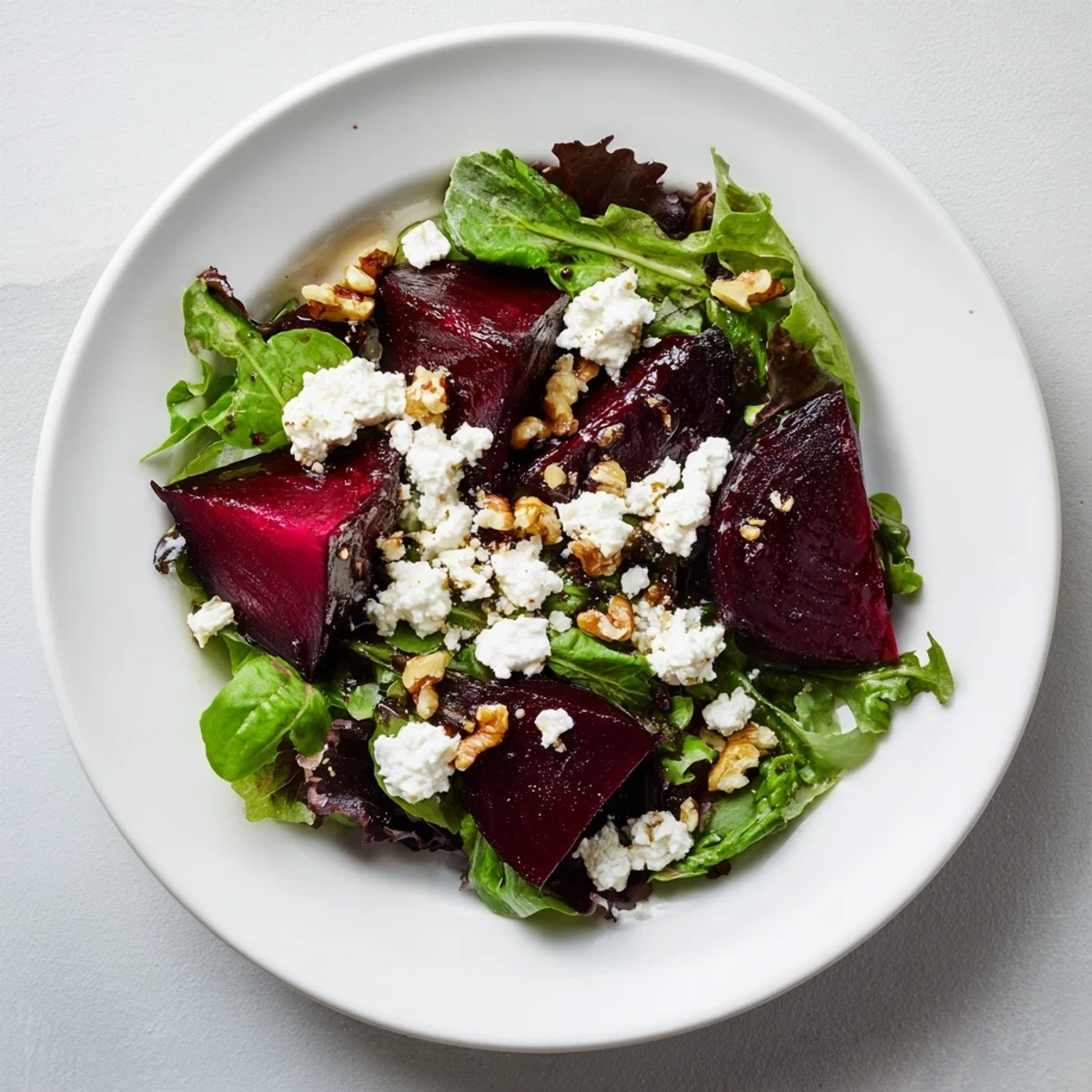
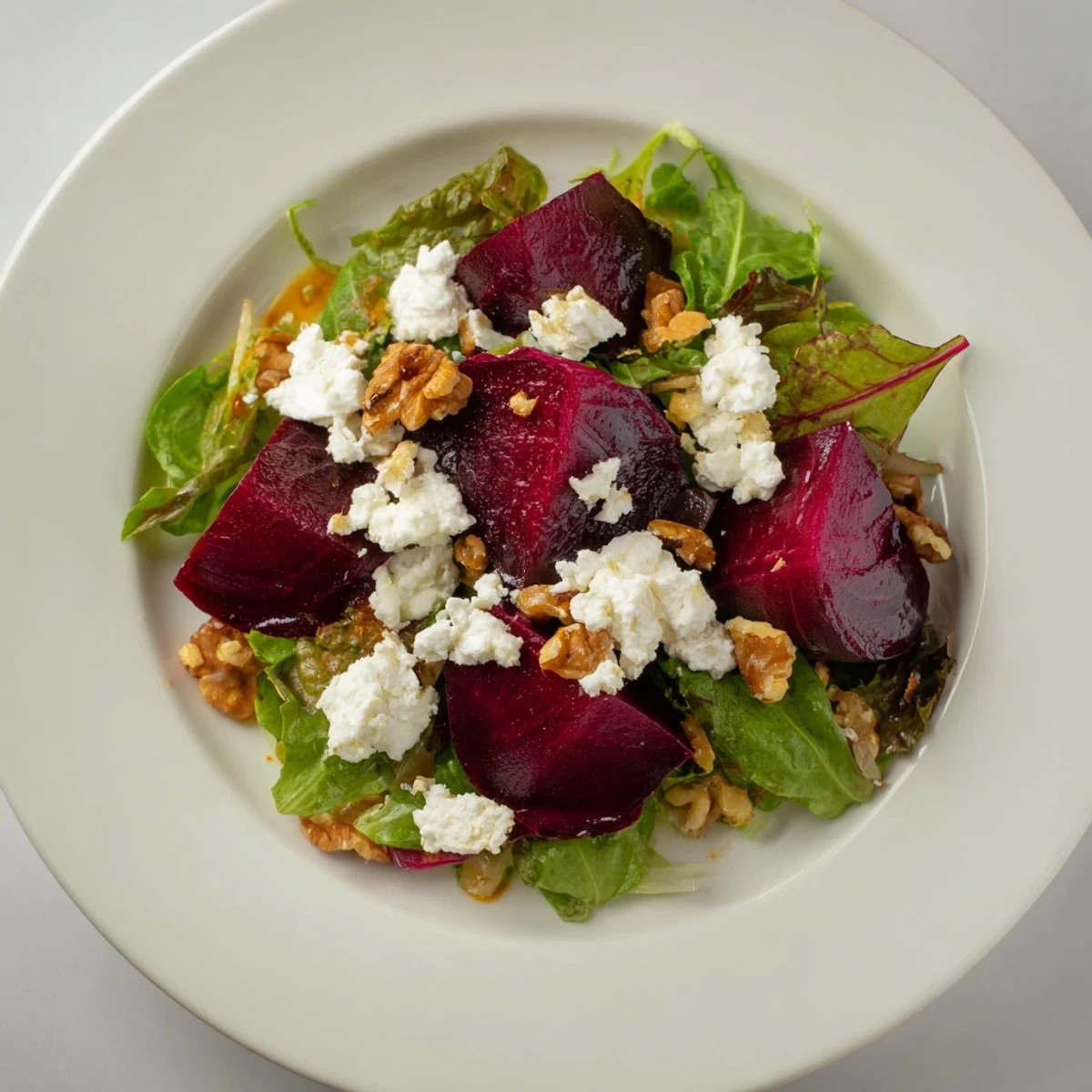
- Arrange the dressed greens on a serving platter or individual plates. Top with your warm or room-temperature beet wedges, then scatter the crumbled goat cheese and chopped walnuts across everything. The warmth of the beets slightly softens the cheese—this is intentional and wonderful
- Finish with the final drizzle:
- Just before serving, drizzle the remaining dressing over the top. This final hit of acidity and oil brings everything into focus and makes the whole salad glisten
 Save to Pinterest
 There was a moment at a dinner party when someone took their first bite of this salad and went completely quiet for a few seconds. Then they looked up and said, "How is something this simple so perfect?" That's when I knew this recipe had become something I'd keep making for the rest of my life.
Why Roasted Beets Matter More Than You Think
Roasting beets whole is the difference between a salad ingredient and a revelation. When you roast them this way, the natural sugars concentrate and caramelize slightly at the edges, while the inside becomes almost creamy. Boiling, which some people do for speed, dilutes all that flavor into the water. Roasting takes longer, but you're mostly letting the oven do the work while you prepare everything else. It's the kind of technique that teaches you that sometimes the best cooking is about patience and letting ingredients be themselves.
The Art of Composing, Not Just Tossing
I learned something important from that Provençal vendor—that how you arrange food matters. Instead of tossing everything together in one bowl where the heavy beets sink and the delicate greens get buried, you're creating layers of flavor and texture. The greens form a bed, the beets add pockets of sweetness, the goat cheese creates creamy surprises, and the walnuts provide contrast. When someone takes a bite, they get all of these things at once, in harmony. It's a small thing, but it changes everything about how the salad tastes.
Make It Your Own, But Keep the Balance
This recipe is a foundation, not a law. I've added orange segments on winter mornings when I wanted brightness, thinly sliced red onions for sharp bite, or even a handful of fresh mint when the kitchen garden was overflowing. The core promise—sweet beets, creamy cheese, crunchy nuts, balanced dressing—stays the same. Once you understand why each element is there, you can play with it confidently.
- Try adding orange segments or grapefruit for a citrus brightness that plays beautifully with the beets
- A thin slice of red onion adds sharp contrast and makes the whole salad feel more complex
- Fresh mint or a few basil leaves can transform it into a completely different mood
 Save to Pinterest
 This salad reminds me that the best meals aren't about complexity—they're about respect for good ingredients and the care you put into treating them well. I hope it becomes something you make again and again, the way I do.
Frequently asked questions about this recipe
- → How do I roast beets perfectly?
-
Wrap each beet in foil and roast at 200°C (400°F) for 40-45 minutes until tender when pierced with a knife. Let cool before peeling.
- → Can I substitute goat cheese with another cheese?
-
Yes, feta cheese works well as a flavorful alternative that maintains the salad's creamy texture.
- → What dressing complements this salad best?
-
A dressing of extra-virgin olive oil, balsamic vinegar, Dijon mustard, honey, salt, and pepper highlights the salad's sweet and tangy flavors.
- → Are walnuts necessary for the salad's crunch?
-
Toasted walnuts add signature crunch and earthy flavor, but you can substitute with other nuts like pecans if preferred.
- → What wine pairs well with this salad?
-
Light, crisp white wines such as Sauvignon Blanc or Pinot Grigio complement the salad’s fresh and earthy flavors.