
 Save to Pinterest
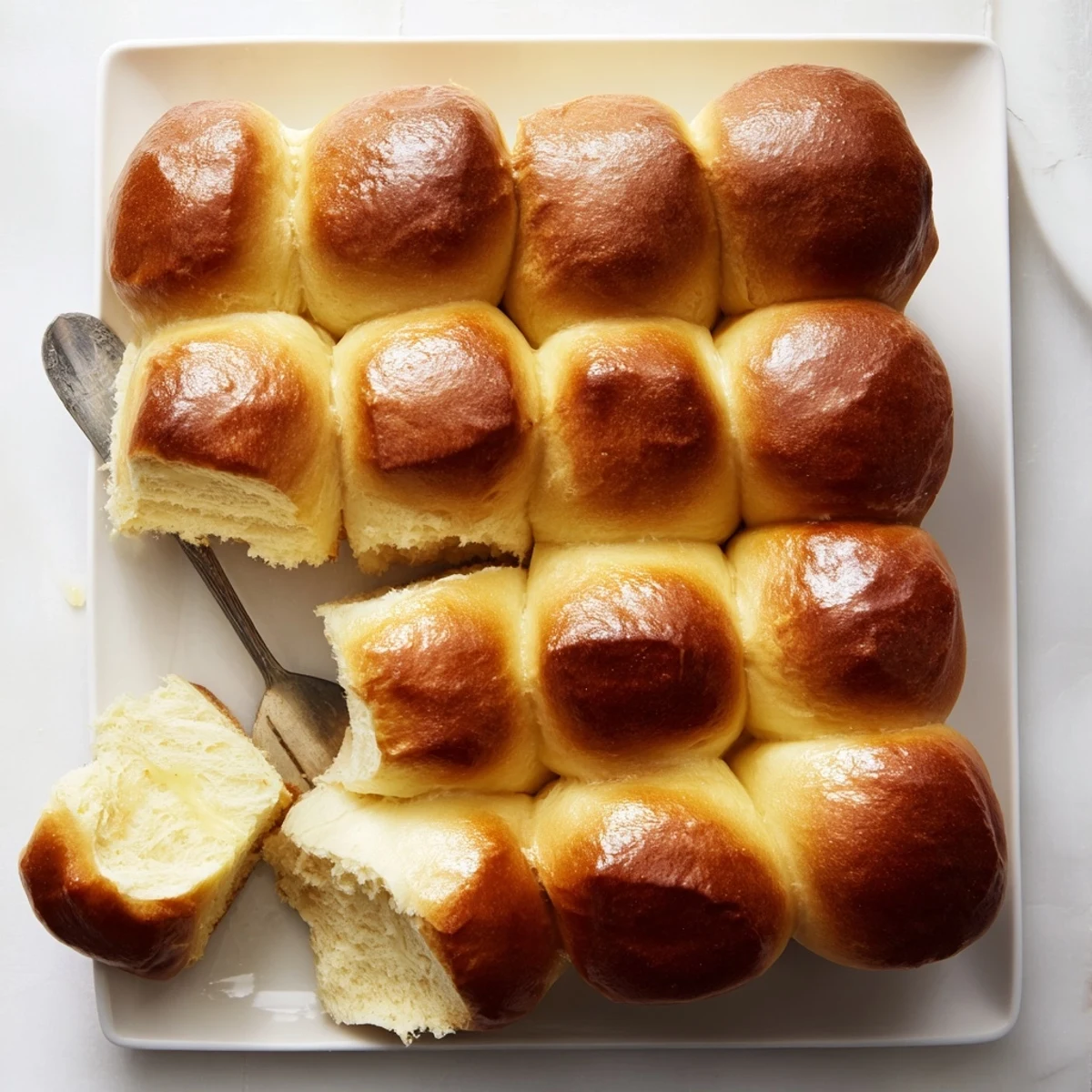
 These classic French brioche rolls deliver exceptional richness through generous butter incorporation during kneading. The dough develops beautifully over two rising periods, creating pillowy texture with golden crusts. Ready in under three hours with simple pantry ingredients, they emerge from the oven with irresistible aroma and tender crumb. Perfect alongside savory dishes or with sweet spreads for breakfast.
Last winter, my kitchen felt impossibly cold, but the warmth of fresh brioche baking made everything cozy. I'd pull these golden rolls from the oven, and suddenly the whole house smelled like butter and comfort. My roommate started hovering near the oven about ten minutes before the timer went off, claiming she could taste them through the air.
My first attempt at brioche ended with butter melting through the dough and creating a literal grease fire situation in my oven. I learned the hard way that butter needs to join the party slowly, not all at once. Now I make these rolls weekly, and my family actually fights over who gets the last one from the basket.
Ingredients
- All-purpose flour: Bread flour would make these too chewy, but all-purpose gives that tender, pillowy crumb we want
- Granulated sugar: Just enough to feed the yeast and create that gorgeous golden brown crust
- Instant dry yeast: No need to proof it separately, which means one less bowl to wash
- Fine sea salt: Coarser salt won't dissolve properly and you'll end up with salty pockets
- Large eggs at room temperature: Cold eggs can shock the dough and slow down your rise time significantly
- Lukewarm whole milk: Ideally around body temperature, hot enough to activate yeast but not kill it
- Unsalted butter softened and cubed: Cold butter creates lumps, melted butter makes a greasy mess
- Egg wash: This creates that professional bakery shine and helps the toppings stick
Instructions
- Mix your dry base:
- Combine flour, sugar, yeast, and salt in your stand mixer bowl, giving it a quick whirl to distribute everything evenly
- Bring it together:
- Add the room temperature eggs and lukewarm milk, mixing on low until you see a shaggy, rough dough forming
- Work in the butter gradually:
- With mixer on medium speed, drop in butter cubes one at a time, letting each piece disappear before adding the next
- Knead until transformed:
- Continue mixing for 8 to 10 minutes until the dough pulls away from the bowl, becomes smooth and elastic, and passes the windowpane test
- Let it rise:
- Transfer your dough to a lightly greased bowl, cover it, and walk away for 1 to 1.5 hours until it has doubled beautifully
- Shape your rolls:
- Punch down the risen dough gently, divide it into 12 equal pieces, and roll each into a smooth, tight ball using your cupped hand
- Second rise:
- Place the dough balls in a greased 9x13 inch pan or on a lined baking sheet with space between them, cover and let rise 45 to 60 minutes until puffy
- Preheat and brush:
- Heat your oven to 175°C and whisk together the egg wash, then gently brush the tops of your puffy rolls
- Bake to golden perfection:
- Slide them into the oven for 18 to 22 minutes until they are deeply golden brown and sound hollow when tapped
- Cool slightly:
- Let them rest in the pan for about 10 minutes so they set, then serve them warm while the butter is still melty
 Save to Pinterest
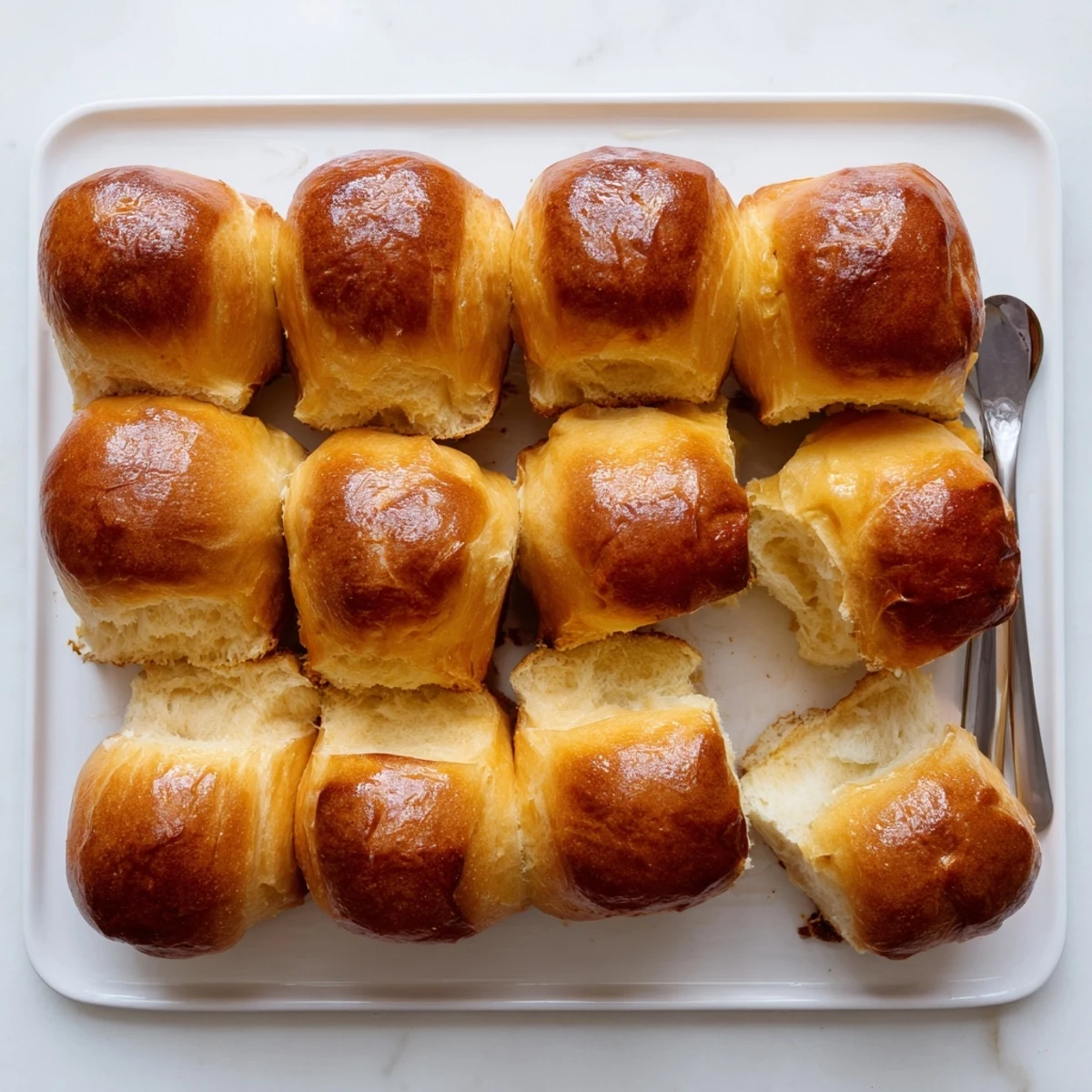
 These rolls showed up at every family gathering last year, from Thanksgiving dinner to Sunday morning breakfast. My dad actually requested them instead of his usual dinner rolls, which is basically the highest compliment he can pay to baked goods.
Making Them Ahead
You can shape the rolls after the first rise, then refrigerate them overnight on a baking pan covered tightly. Let them come to room temperature and complete their second rise before baking. This timing hack has saved me more times than I can count.
Flavor Variations
Sometimes I fold in orange zest or vanilla bean paste when adding the butter. For herby rolls, mix in fresh rosemary or thyme during the final minute of kneading. A sprinkle of everything bagel seasoning before the egg wash creates something truly special.
Storage and Freezing
These rolls freeze beautifully, so I always double the batch and tuck half away for busy weeks. Wrap cooled rolls individually in plastic, then place them in a freezer bag for up to three months. Thaw at room temperature and warm briefly in the oven to refresh them.
- Never refrigerate unbaked brioche dough as the butter will harden and ruin the texture
- Reheat day old rolls at 300°F for 5 minutes to bring back that fresh baked quality
- Wrap freezing rolls tightly to prevent freezer burn which affects taste and texture
 Save to Pinterest
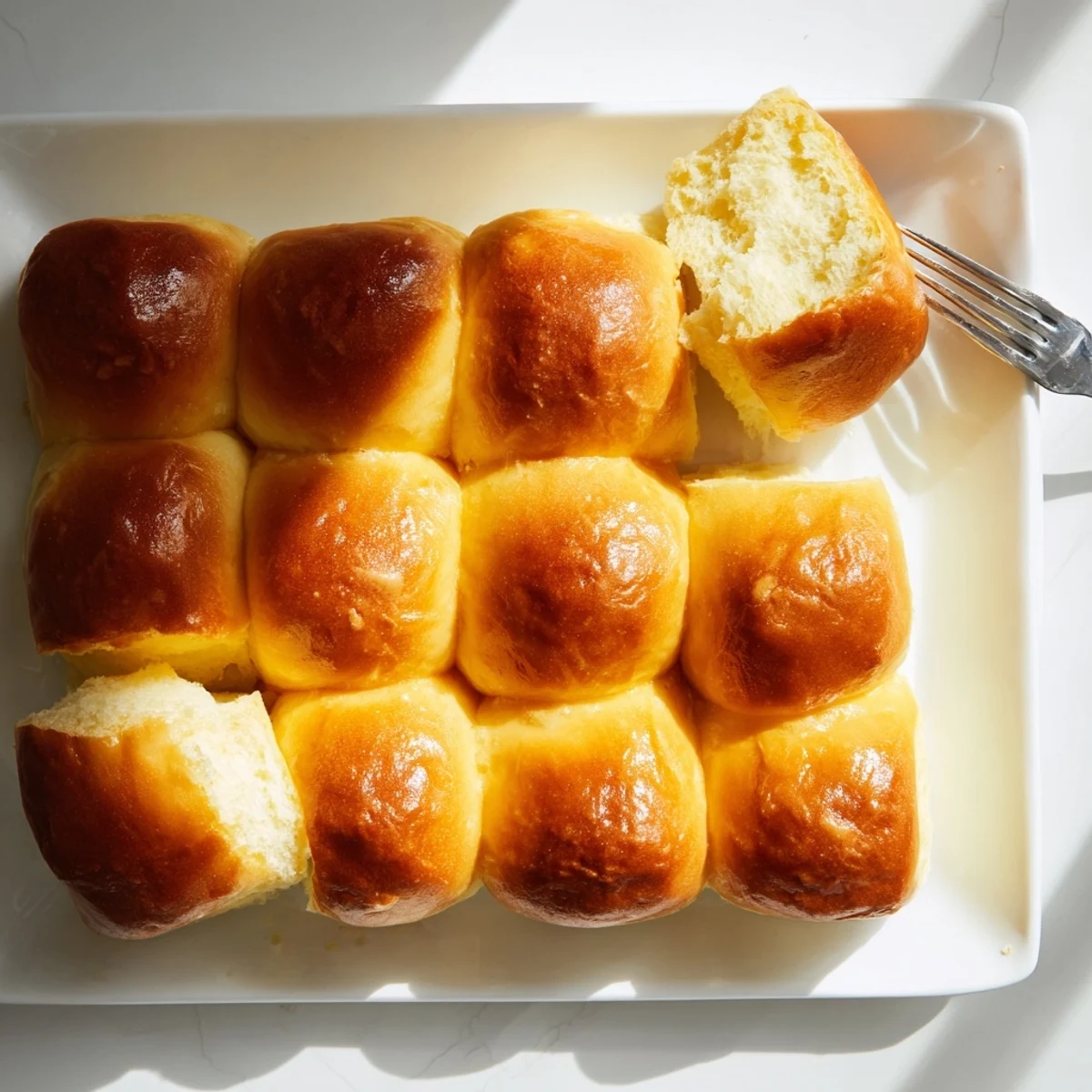
 There is something profoundly satisfying about pulling homemade brioche from your own oven. These rolls might just become the most requested recipe in your kitchen too.
Frequently asked questions about this recipe
- → What makes brioche different from regular bread?
-
Brioche incorporates substantial butter and eggs into the dough, creating enriched texture with tender crumb and golden color. The high fat content yields rolls that stay fresh longer and develop rich, slightly sweet flavor profile distinct from lean breads.
- → Can I make these without a stand mixer?
-
Yes, though kneading by hand requires more effort. Mix ingredients in a large bowl, turn onto floured surface, and knead for 15-20 minutes. Work butter in gradually by pressing and folding until fully incorporated. Smooth elastic dough indicates proper development.
- → How do I know when the dough has doubled during rising?
-
Press gently with fingertip - if indentation remains slowly without springing back, dough is ready. The dough should feel puffy and light, approximately twice original volume. Warm draft-free location typically achieves this within 60-90 minutes.
- → Can I prepare the dough ahead of time?
-
Absolutely. After first rise, punch down and refrigerate overnight in covered bowl. Let come to room temperature 30 minutes before shaping. Cold fermentation actually develops deeper flavor complexity and makes handling easier.
- → What's the best way to store leftover rolls?
-
Wrap cooled rolls tightly in plastic or place in airtight container. Keep at room temperature 2-3 days. For longer storage, freeze individually wrapped up to 3 months. Reheat frozen rolls at 300°F for 10 minutes to refresh texture.
- → Why do my rolls sometimes deflate after baking?
-
Over-proofing causes structure collapse. Watch for puffy appearance rather than extremely doubled size. Gently touch dough - slight resistance indicates readiness. Also avoid opening oven door repeatedly during first 15 minutes of baking while structure sets.