
 Save to Pinterest
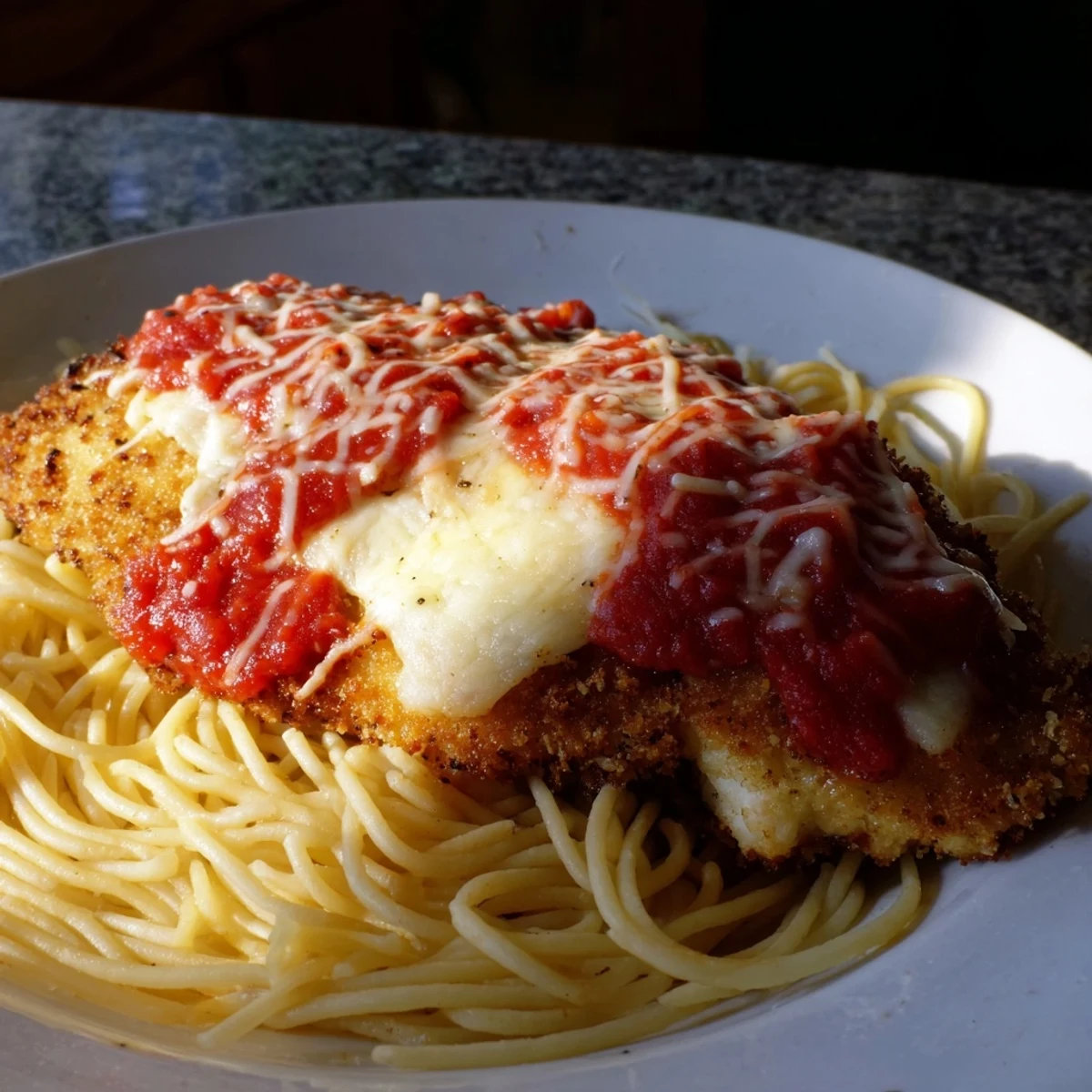
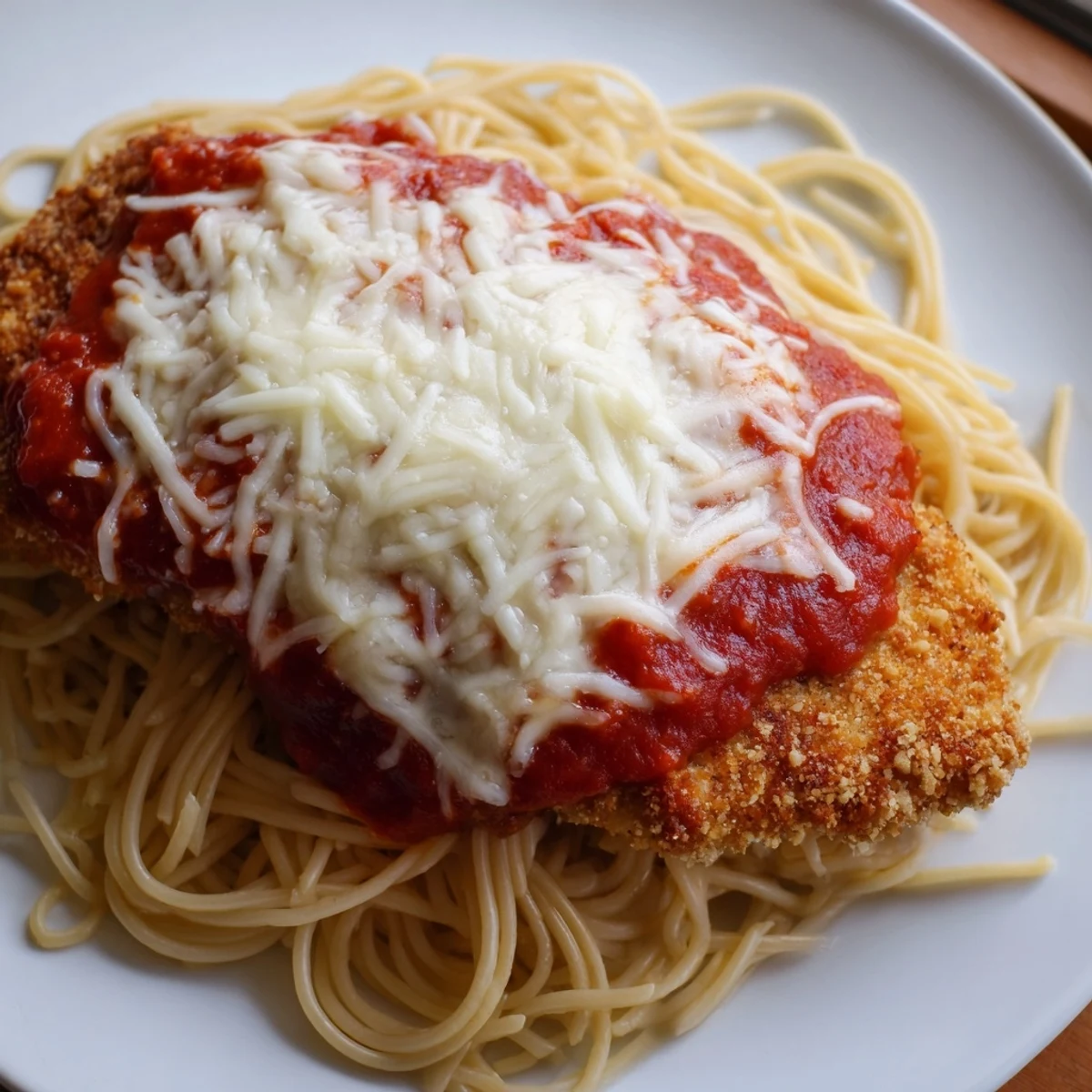
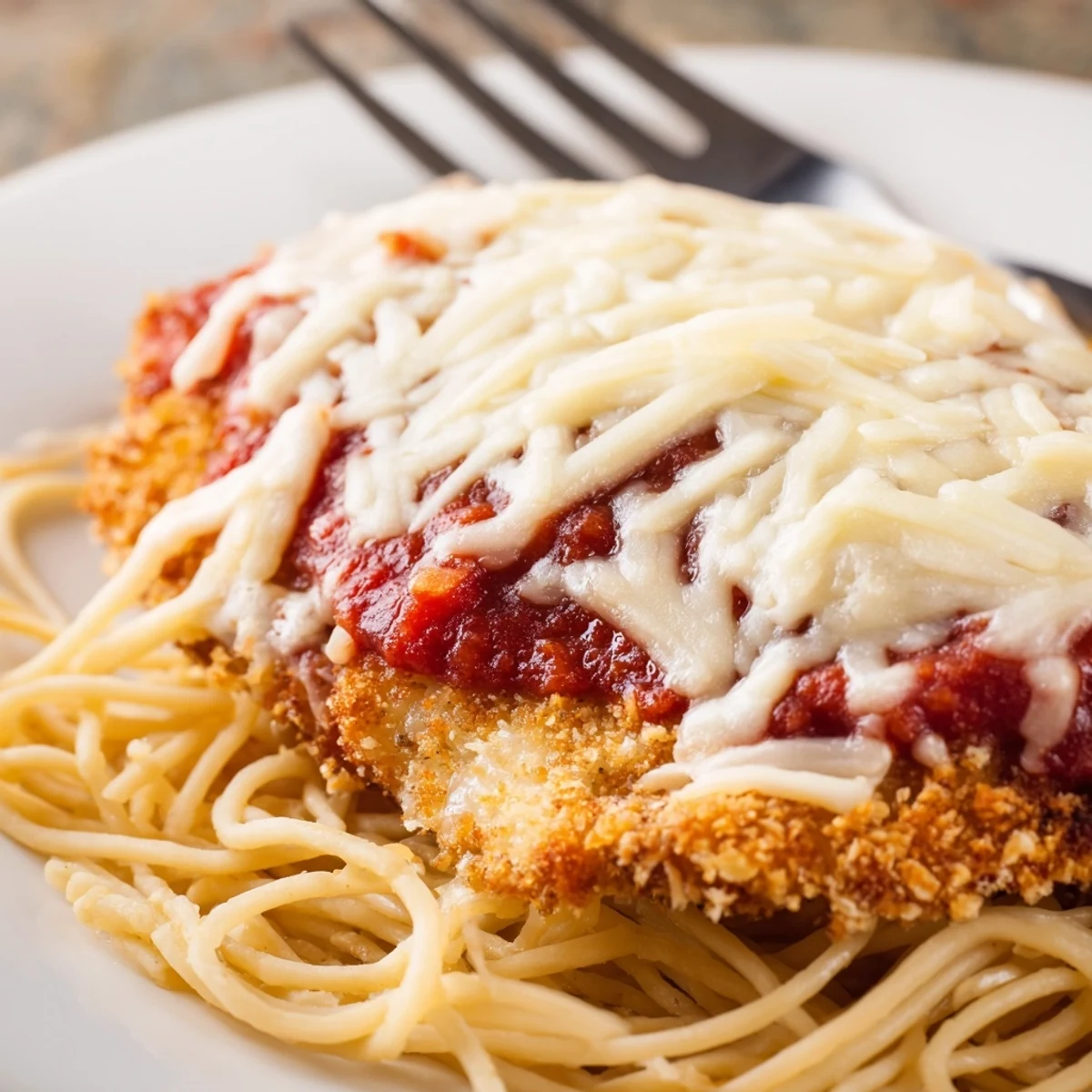
 This dish features crispy breaded chicken breasts topped with flavorful marinara sauce and melted mozzarella. The chicken is fried until golden, then baked to perfection with cheese. It is served over al dente spaghetti, creating a comforting Italian-American classic. The rich combination of herbs, garlic, and Parmesan enhances the savory taste, making it an ideal choice for family meals or special occasions. The marinara sauce is simmered slowly to bring out the tomato's natural sweetness balanced with basil and oregano.
There's a particular Tuesday evening I'll never forget when my neighbor knocked on the door asking if I had plans for dinner. I didn't, so she invited herself in, and within minutes we were standing in my kitchen with a block of mozzarella and a pound of chicken breasts, deciding to make chicken parm together. What started as a casual invite became one of those cooking moments where everything clicked—the sizzle of the breading hitting hot oil, the tomatoes bubbling away on the stove, the smell of oregano filling every corner of the house. That night, I learned that this dish isn't really about fancy technique; it's about the joy of feeding someone well.
I made this for my daughter's school potluck last spring, and watching other parents come back for seconds—and thirds—told me everything I needed to know about this recipe. One dad even asked if I'd made it from scratch, which might sound silly, but it meant something. It's the kind of dish that makes people linger at the table a little longer, talk a little louder, feel a little more connected.
Ingredients
- Boneless, skinless chicken breasts (4, about 150 g each): The foundation of everything—pound them to even thickness so they cook uniformly and stay tender.
- All-purpose flour (1 cup): This is your first coating layer, helping the egg stick properly; don't skip this step even though it seems redundant.
- Eggs (2 large) mixed with milk (2 tbsp): The glue that binds the breadcrumbs to the chicken; whisking them together creates a smoother coating than eggs alone.
- Italian-style breadcrumbs (1 1/2 cups): Look for a good quality brand if you can; cheaper ones sometimes taste stale even when new.
- Grated Parmesan (1/2 cup for coating, 1/4 cup for topping): The umami backbone—real Parmigiano-Reggiano makes a noticeable difference, but domestic Parmesan works fine too.
- Garlic powder and dried oregano (1 tsp each): These go into the breadcrumb mix to build flavor before the chicken even hits the pan.
- Olive oil (1/4 cup for frying): Use a neutral cooking oil if you prefer; the olive flavor matters less when it's for frying at high heat.
- Shredded mozzarella (1 1/4 cups): Fresh mozzarella will weep too much; stick with the shredded kind for a bubbly, melted top.
- Canned crushed tomatoes (800 g): San Marzano tomatoes are lovely if you want to splurge, but any good quality crushed tomato works beautifully.
- Fresh garlic (3 cloves, minced), onion (1 small, finely chopped): The aromatics that build the sauce's depth; don't rush the sauté.
- Dried basil and oregano (1 tsp each), dried basil, salt, pepper, sugar (1/2 tsp): Sugar balances the acidity of the tomatoes in a way that feels almost invisible but absolutely necessary.
- Spaghetti (400 g): Thick spaghetti holds the sauce better than thin angel hair, though either works.
Instructions
- Start the sauce early:
- Heat 2 tbsp olive oil in a saucepan over medium heat, then add your minced garlic and chopped onion. Let them soften for about 3 minutes, stirring occasionally so they don't brown. The kitchen starts to smell intentional at this point.
- Build your sauce:
- Pour in the crushed tomatoes and stir in the basil, oregano, salt, pepper, and sugar. Let it simmer uncovered for 15–20 minutes, stirring now and then so it doesn't catch on the bottom. Fresh parsley at the end is optional but worth it.
- Pound and prep the chicken:
- Place each chicken breast between two pieces of plastic wrap and pound it to an even thickness of about 1.5–2 cm. This is surprisingly therapeutic and ensures nothing cooks faster than anything else. Season with salt and pepper on both sides.
- Set up your breading station:
- You need three shallow bowls: flour in the first, beaten eggs mixed with milk in the second, and breadcrumbs combined with 1/2 cup Parmesan, garlic powder, and oregano in the third. Working left to right keeps things organized and your hands only so messy.
- Coat each piece:
- Dredge a chicken breast in flour, shaking off excess, then dip it into the egg mixture to coat both sides, then press it firmly into the breadcrumb mixture so it adheres. The coating should look craggy and textured, almost rough to the touch.
- Fry until golden:
- Heat 1/4 cup olive oil in a large skillet over medium-high heat until it shimmers. Working in batches if needed, fry each chicken breast for 3–4 minutes per side until deep golden brown. They won't be fully cooked through yet, and that's exactly right.
- Top and bake:
- Arrange the fried chicken on a parchment-lined baking sheet. Spoon a generous amount of warm marinara sauce over each piece, then top with shredded mozzarella and a sprinkle of extra Parmesan. Bake at 200°C (400°F) for 15–18 minutes until the chicken reaches 74°C (165°F) internally and the cheese is bubbling at the edges.
- Cook the pasta:
- While the chicken bakes, bring a large pot of salted water to a rolling boil and cook your spaghetti according to package directions until al dente. Drain well.
- Plate and serve:
- Twirl spaghetti onto each plate, top with a little extra marinara sauce, and crown it with a chicken parmesan breast. A garnish of fresh basil or parsley makes it feel celebratory.
 Save to Pinterest
 I remember sitting down at the table one weeknight with my family, everyone reaching across each other for napkins, sauce on someone's chin, laughter spilling out between bites. That's when I realized this wasn't just a recipe I made—it was a moment I created. Food can do that.
Why This Dish Matters
Chicken Parmesan sits at an interesting crossroads in cooking: it's humble enough for a Tuesday night but elegant enough to impress a guest. The technique teaches you real skills—how to bread something properly, how to manage a hot pan, how to layer flavors in a sauce—without demanding that you be a trained chef. There's something democratic about a dish that tastes like care without requiring hours of your time.
The Breading Method That Actually Works
I used to flour, then breadcrumb, then egg, thinking the order didn't matter. Everything slid right off. Then a friend walked me through the flour-egg-breadcrumb sequence, and suddenly the coating adhered like it was meant to stay. The flour creates a slightly sticky base, the egg binds it all together, and the breadcrumbs have something to grip. It's not magic—it's just understanding how layers of coating work together.
Making It Your Own
This recipe is a foundation, not a rulebook. Some nights I skip the frying and bake everything from the start—it's lighter and less oil-heavy, though you lose a bit of that crust. Other times I'll swap the spaghetti for something heartier, or add roasted red peppers into the sauce, or use a blend of mozzarella and Provolone for deeper flavor. The beauty is that the core stays solid no matter what you adjust.
- If you want it lighter, bake the breaded chicken at 200°C (400°F) for 20 minutes instead of frying it in oil.
- Marinara sauce freezes brilliantly, so make a double batch and keep it on hand for busy weeks.
- Fresh basil on top at the very end makes an ordinary plate feel like something special.
 Save to Pinterest
 This dish has fed my family through seasons, celebrations, and ordinary tired weeknights when everyone was hungry and I needed something that felt like love on a plate. Make it, share it, and don't worry too much about perfection—the warmth is already built in.
Frequently asked questions about this recipe
- → How do I ensure the chicken is crispy?
-
Coat chicken breasts evenly in flour, egg wash, and seasoned breadcrumbs. Fry in hot olive oil until golden before baking to lock in crispiness.
- → Can I prepare the marinara sauce in advance?
-
Yes, simmer the sauce ahead of time and reheat gently before assembling the dish to enhance the flavors.
- → What is the best way to cook the spaghetti?
-
Boil salted water and cook spaghetti until al dente, then drain immediately to maintain the perfect texture.
- → How can I avoid soggy chicken under the sauce?
-
Fry the chicken until golden, then bake briefly after adding sauce and cheese to keep the coating crisp and the cheese melted.
- → Are there alternatives to frying the chicken?
-
Yes, for a lighter option, bake breaded chicken at 200°C (400°F) for 20 minutes before topping with sauce and cheese.