
 Save to Pinterest
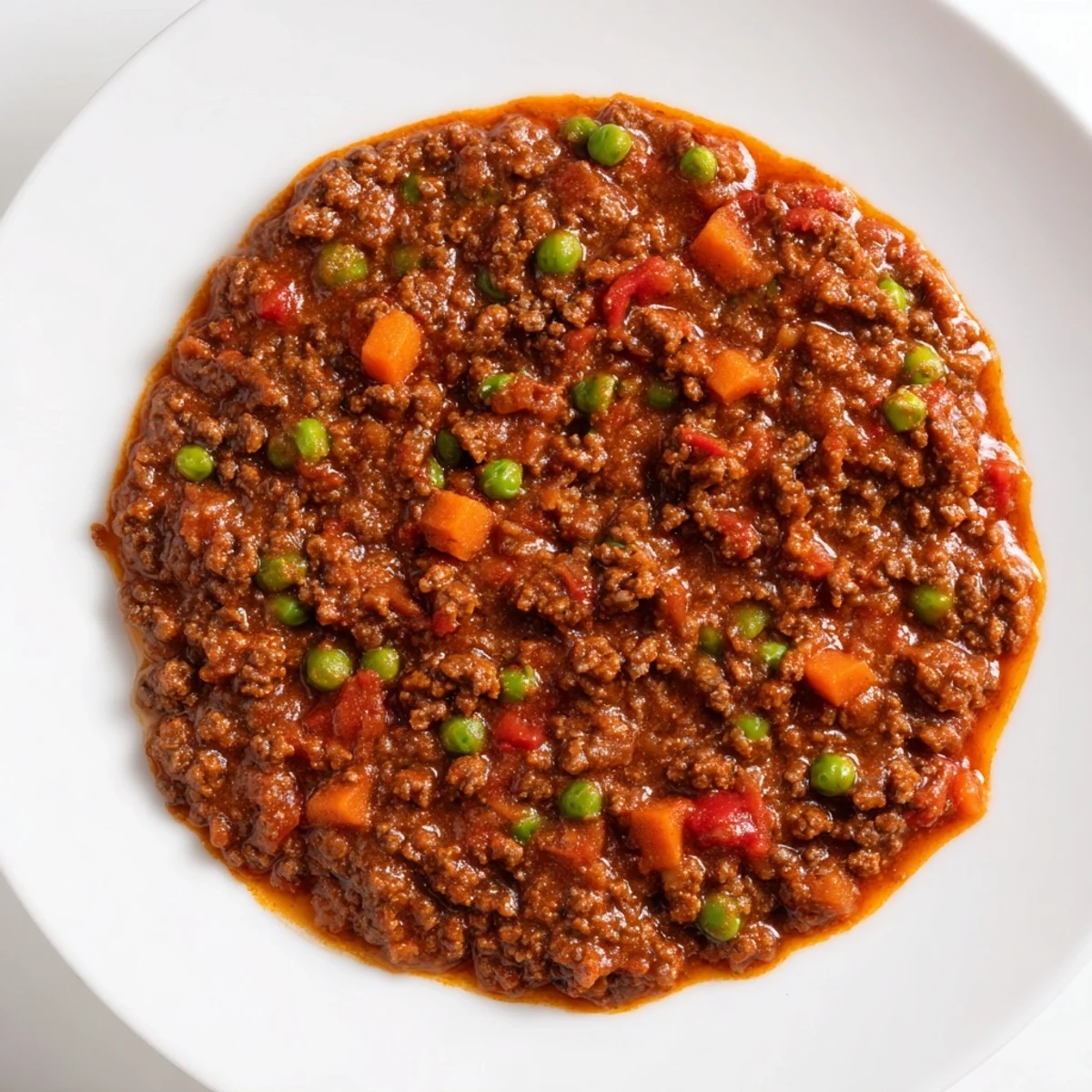
 This classic skillet dish features ground beef browned with onion, garlic, carrot, and bell pepper, enhanced by paprika, oregano, and cumin. Tomato paste and broth create a rich sauce, while peas add a burst of freshness. With simple steps and a 30-minute total time, it suits busy schedules and adapts easily to your favorites.
Serve this satisfying blend with rice, pasta, or crusty bread for a wholesome meal full of flavor.
I still remember the first time I made this beef mince skillet—it was a Tuesday evening when my roommate showed up unannounced, and I had exactly thirty minutes to turn something ordinary into dinner. I opened the fridge, found some ground beef, a handful of vegetables, and decided to improvise. What emerged from that skillet was pure magic: tender meat, caramelized vegetables, and a sauce that tasted like comfort itself. That dish became our Thursday night tradition, and now whenever I smell paprika hitting hot oil, I'm transported back to that moment of happy chaos in the kitchen.
I'll never forget cooking this for my mother-in-law's first visit to our new apartment. She watched skeptically as I browned the beef, then leaned over the skillet as the kitchen filled with that incredible aroma. By the time we sat down to eat, she was asking for the recipe—and that's when I knew I'd created something special, something that could win over even the toughest food critic at the table.
Ingredients
- 500 g beef mince (80–85% lean): The lean ratio matters more than you'd think—too much fat and your sauce becomes greasy, too little and the meat tastes tired. I learned this after years of grabbing whatever was on sale.
- 1 medium onion, finely chopped: This is your flavor foundation. The smaller you chop it, the more it melts into the sauce and disappears, building depth rather than texture.
- 2 cloves garlic, minced: Fresh garlic only—jarred feels like a compromise your palate will remember during the second bite.
- 1 medium carrot, diced: Cut it small enough that it softens in the time given, but large enough that you can still identify what you're eating.
- 1 red bell pepper, diced: Red peppers have a natural sweetness that balances the savory spices beautifully—green would make this taste like a different dish entirely.
- 1 cup frozen peas: They add color, sweetness, and a delicate tenderness that fresh peas somehow never quite achieve in a quick skillet.
- 1 tsp salt, ½ tsp black pepper: Taste as you go—the salt brings everything into focus.
- 1 tsp paprika, ½ tsp dried oregano, ½ tsp cumin: These three together create an almost Mediterranean warmth. The paprika should smell sweet and slightly smoky when you first open the jar.
- 2 tbsp tomato paste: This is the backbone of your sauce. Don't skip it or dilute it—toast it in the pan for a moment so it loses that raw edge.
- 200 ml beef or vegetable broth: Broth is your liquid confidence. It carries flavor while cooking everything gently.
- 2 tbsp olive oil: Use something you'd actually cook with, not your fancy finishing oil.
Instructions
- Heat your oil and start with onion:
- Pour olive oil into your large skillet over medium heat—you want it shimmering but not smoking. Add the chopped onion and listen for that gentle sizzle. Stir occasionally for 2–3 minutes until the edges turn translucent and the kitchen smells like dinner is happening. This isn't rushed; this is the moment that sets everything else up for success.
- Build your vegetable base:
- Add the garlic, carrot, and bell pepper, stirring to coat everything in that fragrant oil. Let these cook undisturbed for 30 seconds so they make contact with the hot pan, then stir occasionally for 3–4 more minutes. You're looking for the carrot to soften slightly and the pepper to lose some of its raw firmness.
- Brown your beef with intention:
- Turn the heat up to medium-high and add the ground beef directly to the vegetables. This is where your wooden spoon becomes your best friend—break the meat into small pieces as it cooks, maybe 5–7 minutes total. You want it browned and no longer pink inside, with no large chunks remaining. The kitchen will smell incredible.
- Toast your spices:
- Once the beef is cooked through, sprinkle in the salt, pepper, paprika, oregano, and cumin. Stir everything together and let it cook for exactly one minute—this toasts the spices and releases their essential oils into the oil and meat, deepening every flavor that follows.
- Add tomato paste and broth:
- Stir the tomato paste into the mixture so it coats everything evenly, then pour in your broth. Bring everything to a gentle simmer—you'll see tiny bubbles breaking the surface. This is when the sauce truly comes alive.
- Finish with peas and simmer:
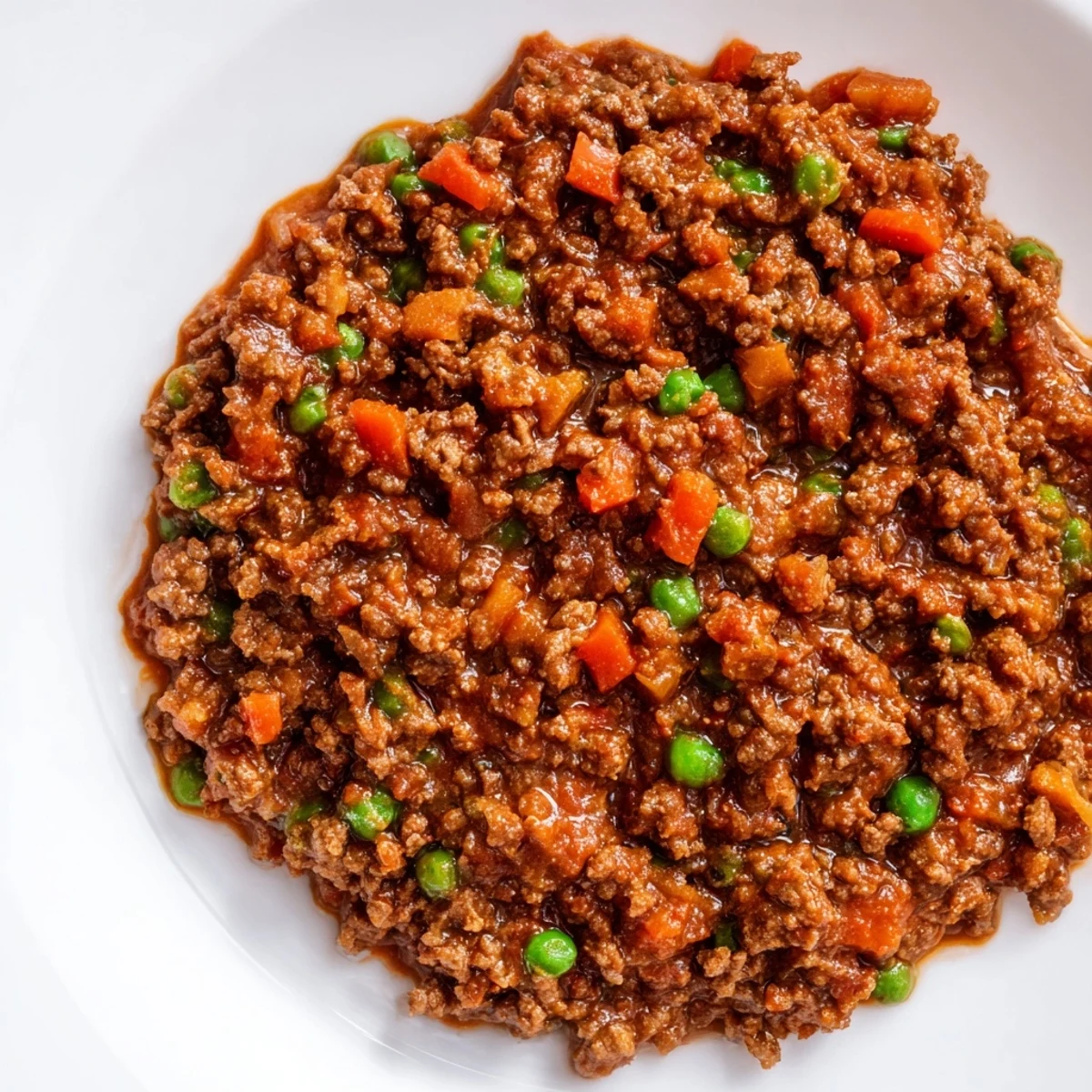
- Add the frozen peas, stir once, then reduce heat to low and let everything cook uncovered for 8–10 minutes, stirring occasionally. The sauce will thicken gradually, the vegetables will soften completely, and the flavors will settle into harmony. When the sauce coats the back of your spoon and you can taste that each element has surrendered to the whole, you're done.
- Taste and adjust:
- Before serving, taste a small spoonful. Does it need more salt? More pepper? Trust your palate—you might add just a pinch more paprika if it tastes too meaty, or a bit more broth if it's too thick.
 Save to Pinterest
 There's a moment that always happens with this skillet: someone at the table takes their first bite, and their eyes widen just slightly. They don't say anything at first, just eat another spoonful, and then they look at you with this expression that says, 'You made this?' That moment is why I keep making it.
Serving Suggestions and Pairings
This skillet is genuinely adaptable—I've served it over rice on nights when I was being practical, tossed it with pasta when I was feeling richer, and spooned it onto crusty bread when I just wanted the sauce. Each pairing transforms the dish slightly while keeping that core comfort intact. A medium-bodied red wine like Merlot drinks beautifully alongside it, or stick with whatever you're already drinking. The key is letting this skillet be the star.
How to Make It Your Own
Once you've made this a few times, you'll find yourself improvising. A pinch of red chili flakes if you're in the mood for warmth, ground turkey instead of beef if you want something lighter, or even plant-based mince if that's what matters to you. I've even stirred in a handful of spinach at the end, or melted cheese over the top for nights when I wanted gratin energy. The structure is sturdy enough to handle your creativity.
Storage and Reheating Wisdom
This skillet actually tastes better the next day, after the flavors have settled into each other overnight. Store it in an airtight container in the refrigerator for up to four days, or freeze it for up to three months. Reheat gently over medium-low heat, adding a splash of broth or water if the sauce has become too thick. It also reheats beautifully in the microwave—just stir every minute so the meat doesn't toughen.
- Never rush the reheating; gentle heat preserves the texture of the vegetables and keeps the sauce silky
- If you're planning to freeze this, let it cool completely first, and consider leaving it slightly saucier than you like it fresh—it will reduce further as it freezes
- This dish transforms slightly each time you reheat it, somehow becoming even more comforting as the flavors deepen
 Save to Pinterest
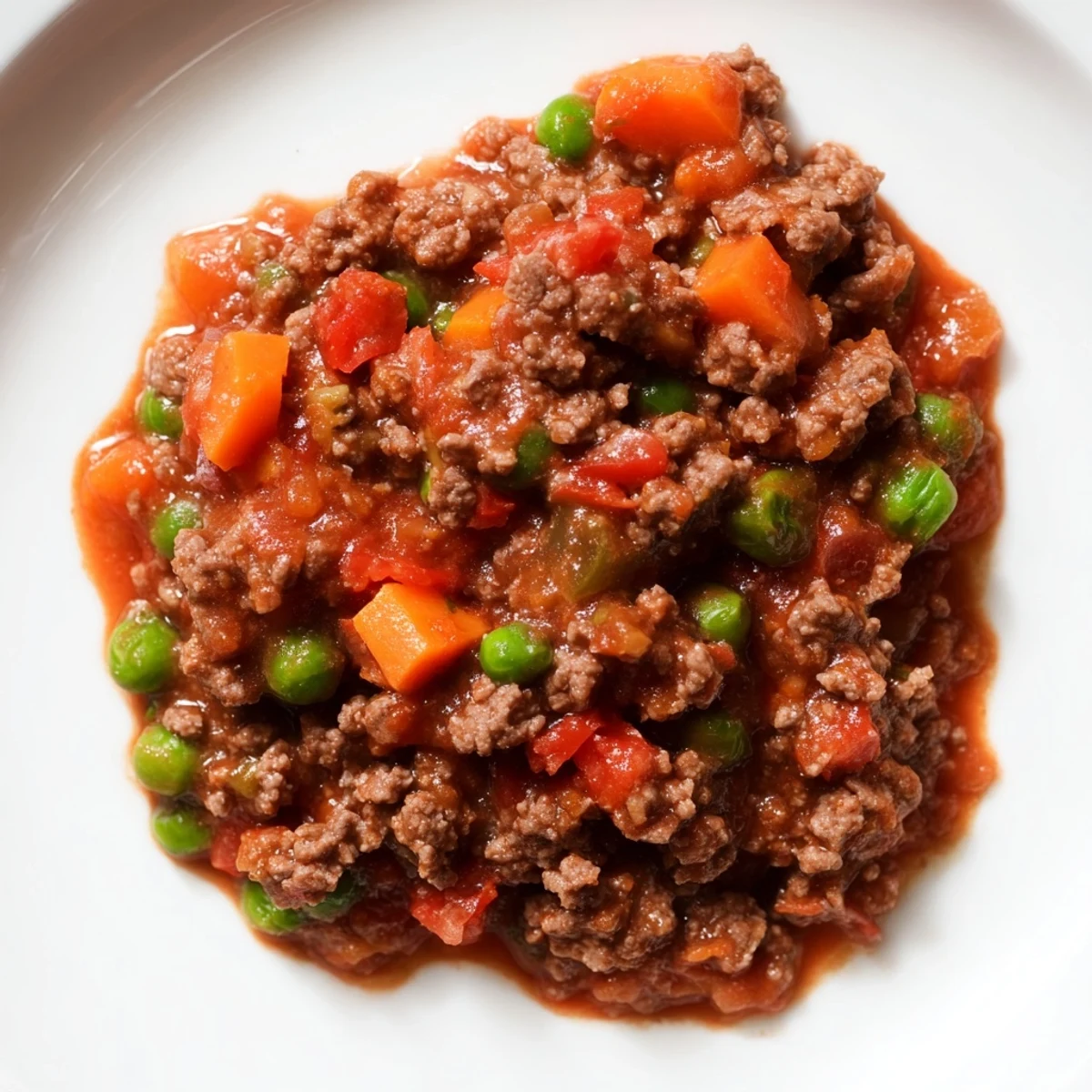
 This skillet has become my answer to almost every Tuesday night question. It's proof that simple ingredients, cooked with attention and care, can feel like something much grander than what's actually in the pan.
Frequently asked questions about this recipe
- → Can I substitute beef with other proteins?
-
Yes, ground turkey or plant-based mince can be used as alternatives for a lighter or vegetarian option.
- → What vegetables enhance the dish's flavor?
-
Onion, garlic, carrot, bell pepper, and peas bring depth and freshness to the skillet.
- → How can I add extra spice to the dish?
-
A pinch of red chili flakes added during cooking provides a pleasant spicy kick.
- → What sides pair well with this dish?
-
Rice, pasta, or crusty bread complement the robust flavors and soak up the sauce nicely.
- → Is this dish suitable for dairy-free diets?
-
Yes, it’s dairy-free if cheese is omitted or replaced with non-dairy alternatives.
- → Can this dish be prepared ahead of time?
-
Yes, it reheats well and flavors often deepen after resting overnight.