
 Save to Pinterest
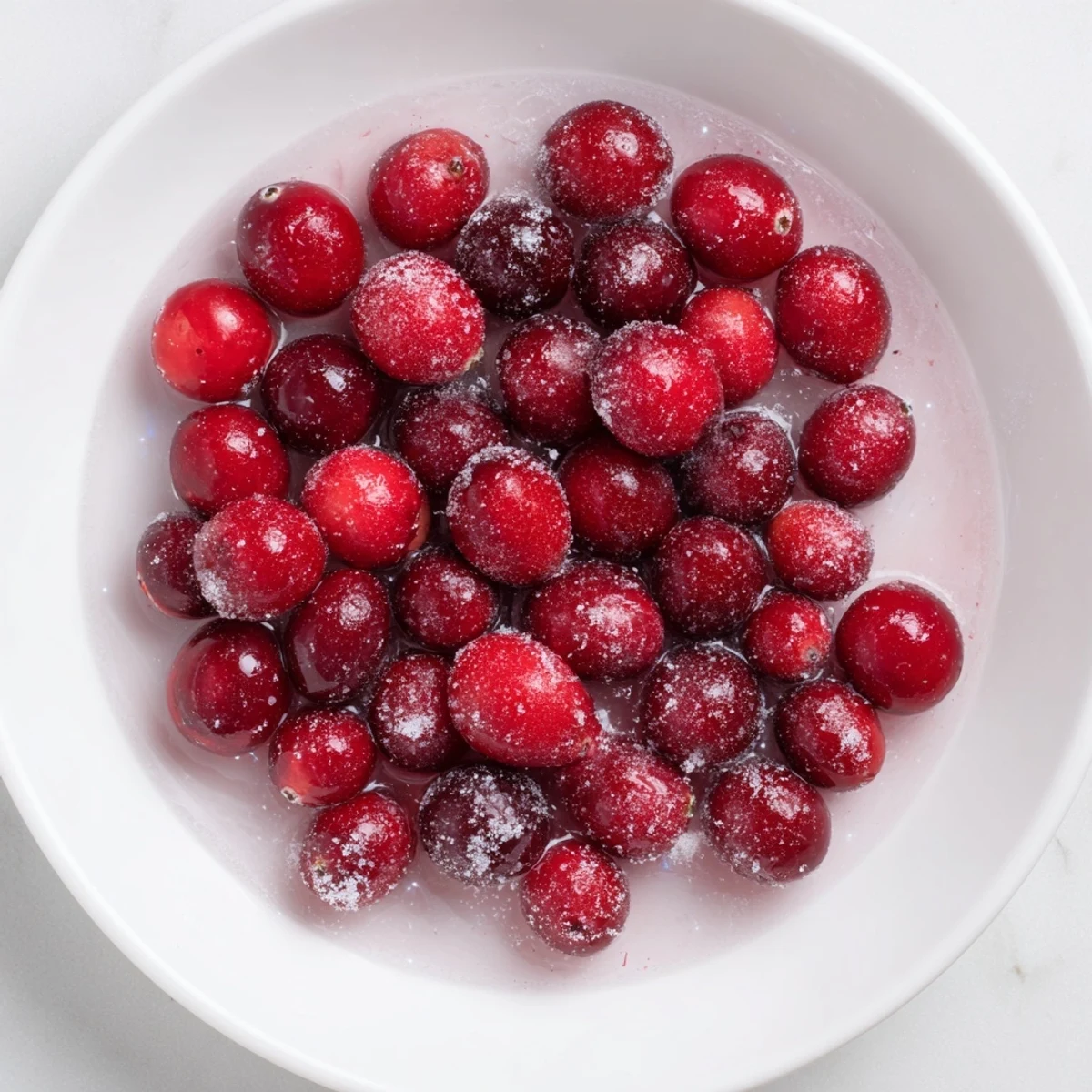
 This vibrant cranberry garnish features fresh cranberries simmered in a lightly sweetened syrup infused optionally with orange zest and cinnamon, then cooled to achieve a delightful sweet-tart balance. Perfectly suited to elevate drinks, desserts, salads, and meats, the garnish can be coated with superfine sugar for added sparkle. Simply simmer, cool, and optionally coat to add a flavorful, festive touch to your culinary creations.
My sister called me in a panic the afternoon of her holiday dinner party, asking if I could rustle up something elegant for the dessert table. I'd been tinkering with candied cranberries that same morning, testing different syrup infusions, and suddenly I had exactly what she needed. Those glossy little jewels transformed a simple vanilla cake into something that felt intentional and special, and they've been my secret weapon ever since for making ordinary moments feel festive.
I remember standing at the sink one December, watching the cranberries tumble in boiling syrup like tiny red balloons, and realizing my hands knew exactly when to pull them out. That instinct came from watching them bob and flatten just slightly, from understanding that one extra second turns them from glossy to burst. It's the kind of thing you learn best by doing it once and paying attention.
Ingredients
- Fresh cranberries: One cup of bright, firm berries that'll hold their shape under gentle heat and soak up the syrup like tiny sponges.
- Granulated sugar: Half a cup dissolves into the water to create a light syrup that clings to each berry without making them soggy.
- Water: Half a cup keeps the syrup thin enough to cook the berries evenly without turning them into jam.
- Superfine sugar (optional): A quarter cup for coating gives that frosted, jeweled appearance that catches the light beautifully.
- Orange zest: One strip adds brightness and a subtle floral note that lifts the tartness, though you can skip it if you want pure cranberry flavor.
- Cinnamon stick: Half a stick warms the syrup without overpowering the fruit, then gets fished out before the berries go in.
Instructions
- Make the syrup base:
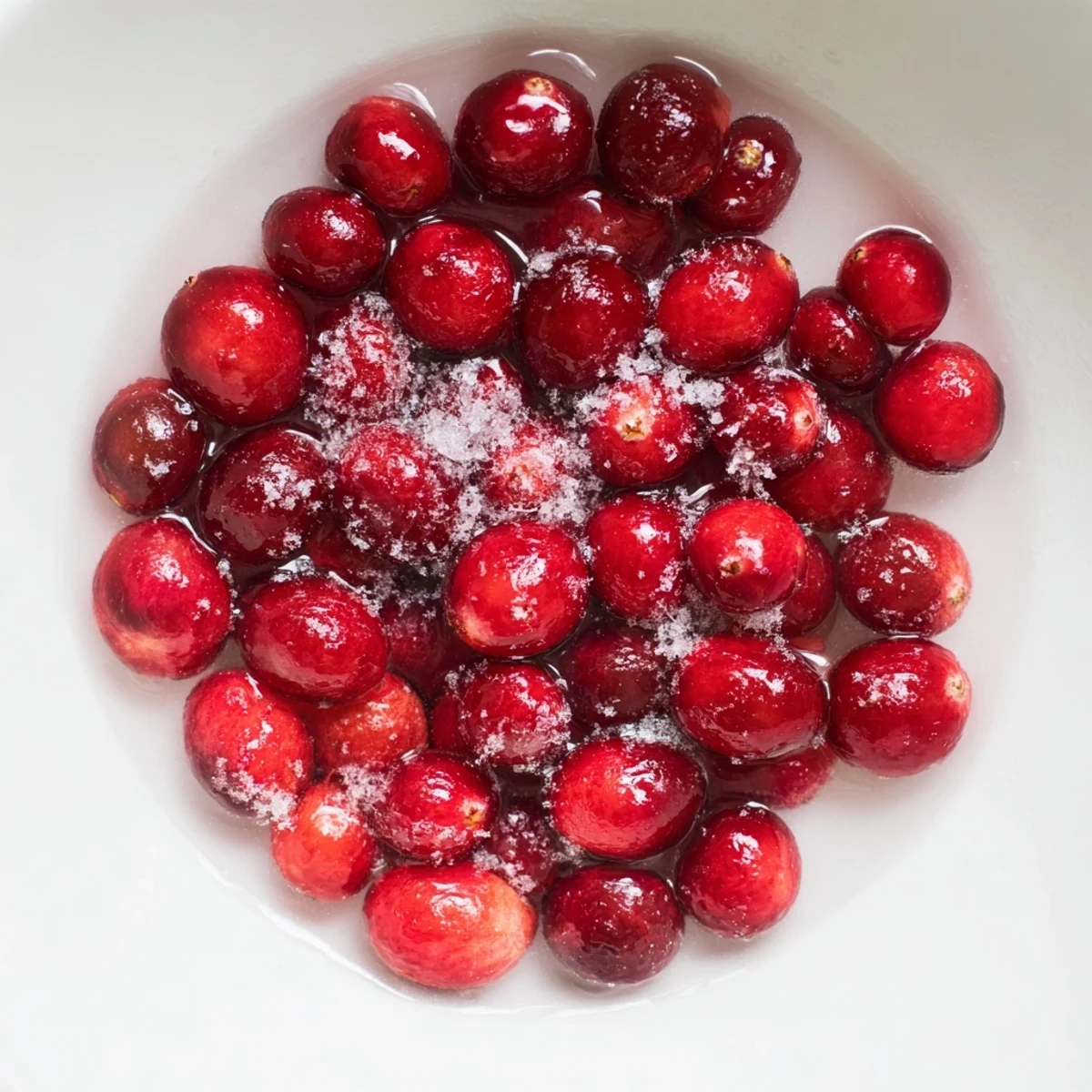
- Pour the water and granulated sugar into a small saucepan and set it over medium heat, stirring until every grain of sugar vanishes into clear liquid. You'll know it's ready when it smells faintly sweet and looks perfectly transparent.
- Infuse with warmth (if you're using it):
- Drop the orange zest and cinnamon stick into the syrup and let them sit there for two minutes, filling the kitchen with spice and citrus. Fish them out carefully with a slotted spoon so they don't get tangled with the berries.
- Cook the cranberries gently:
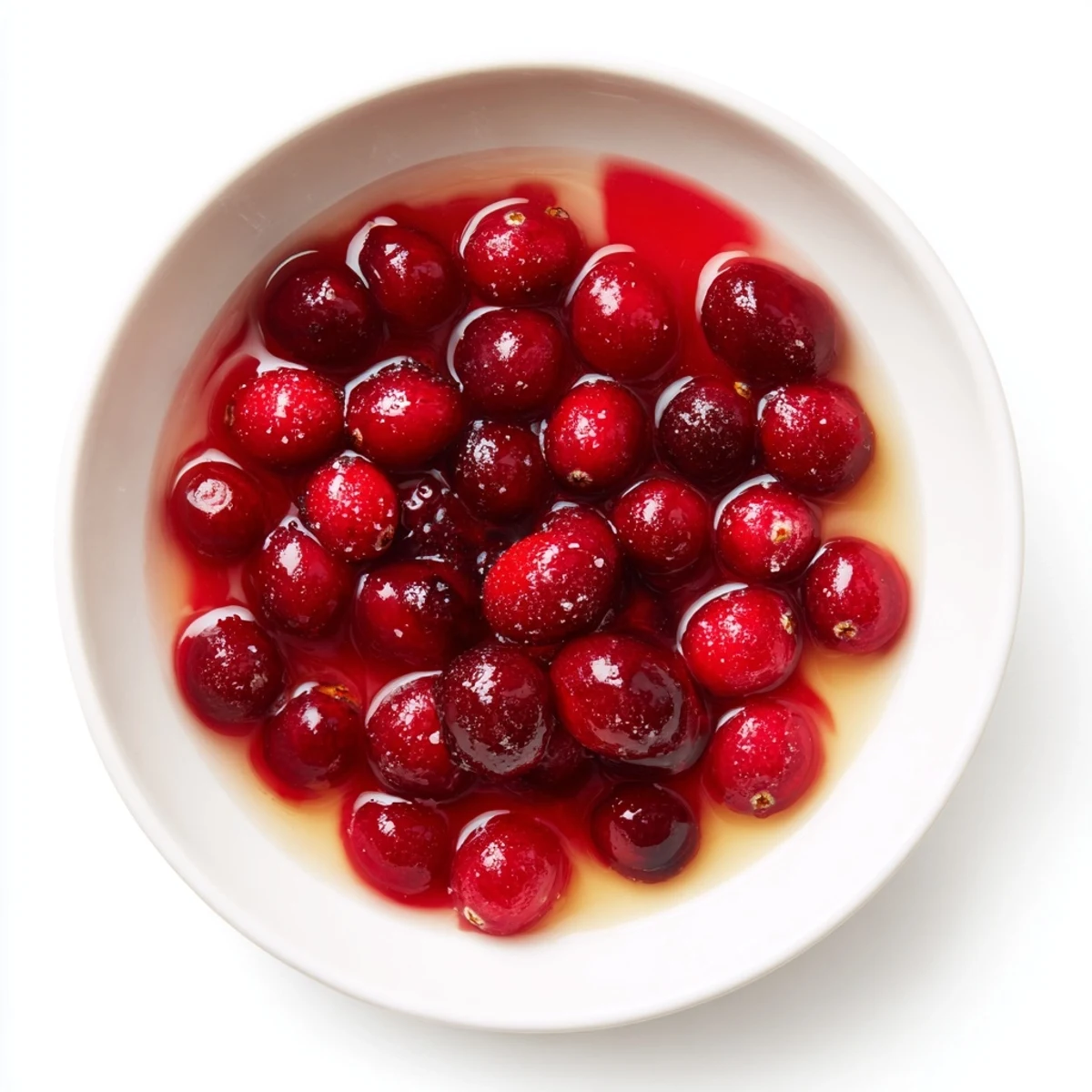
- Add the cranberries to the simmering syrup and give them just one to two minutes—you want them softened and dark but still whole, not collapsed into oblivion. Listen for the subtle change in sound as they soften, and you'll know when to stop.
- Drain and set them out:
- Scoop the cranberries onto a wire rack set over a baking sheet so the extra syrup can drip away as they cool. This takes at least an hour, but you can speed things up slightly by sticking them in a cool room or a gentle oven.
- Add sparkle (optional but worth it):
- Once they're completely cool and dry, toss them gently in superfine sugar until each one gets a light, frosted coating that makes them shine like tiny Christmas ornaments.
- Deploy with confidence:
- Use them right away on a dessert or cocktail, or tuck them into an airtight container where they'll keep for two days before the sugar starts to dissolve.
 Save to Pinterest
 There's a moment when you pull those first batch off the rack and they catch the light like they're glowing from inside, and that's when you realize you've made something truly special from ingredients you probably already had sitting around. That small victory never gets old, and it makes every garnish that follows feel a little more intentional.
Why This Works as a Garnish
A candied cranberry does something that fresh fruit alone can't: it adds sweetness and shine while keeping its tartness intact, so every element on the plate sings instead of competing. The syrup coating seals in the flavor and gives you that jeweled, finished look that makes people think you spent hours in the kitchen when really you just watched a pot for two minutes and then waited for them to dry. They're the kind of small touch that transforms casual dinner into something that feels considered and special.
Flavor Variations to Try
Once you've made the basic version a few times, you'll start seeing endless possibilities. A splash of vanilla extract stirred into the syrup gives you a warm, rounded sweetness, while a pinch of cardamom or a star anise pod opens up something more exotic and unexpected. Some nights I infuse the syrup with fresh rosemary or a drop of almond extract, and each version feels like its own discovery, teaching you a little more about how flavors actually work together.
Storage and Make-Ahead Magic
These are one of those rare things that actually tastes better the next day, once the sugar coating has set firmly and the syrup has had time to really penetrate each berry. You can make them two days ahead and store them in an airtight container at room temperature, which means you can prep for a dinner party without adding last-minute stress to your day. Keep them away from humidity and direct heat, and they'll stay glossy and pristine until the moment you need them on a plate.
- Check them halfway through storage and gently separate any that are sticking together with a light shake of the container.
- If they start to weep syrup, lay them back on a rack to dry for thirty minutes before sealing them up again.
- They taste best served at room temperature, so pull them out of storage twenty minutes before your guests arrive.
 Save to Pinterest
 These small, gleaming berries have become my favorite way to finish plates because they ask so little and give so much in return. Make them once and you'll understand why they're worth keeping in your cooking arsenal.