
 Save to Pinterest
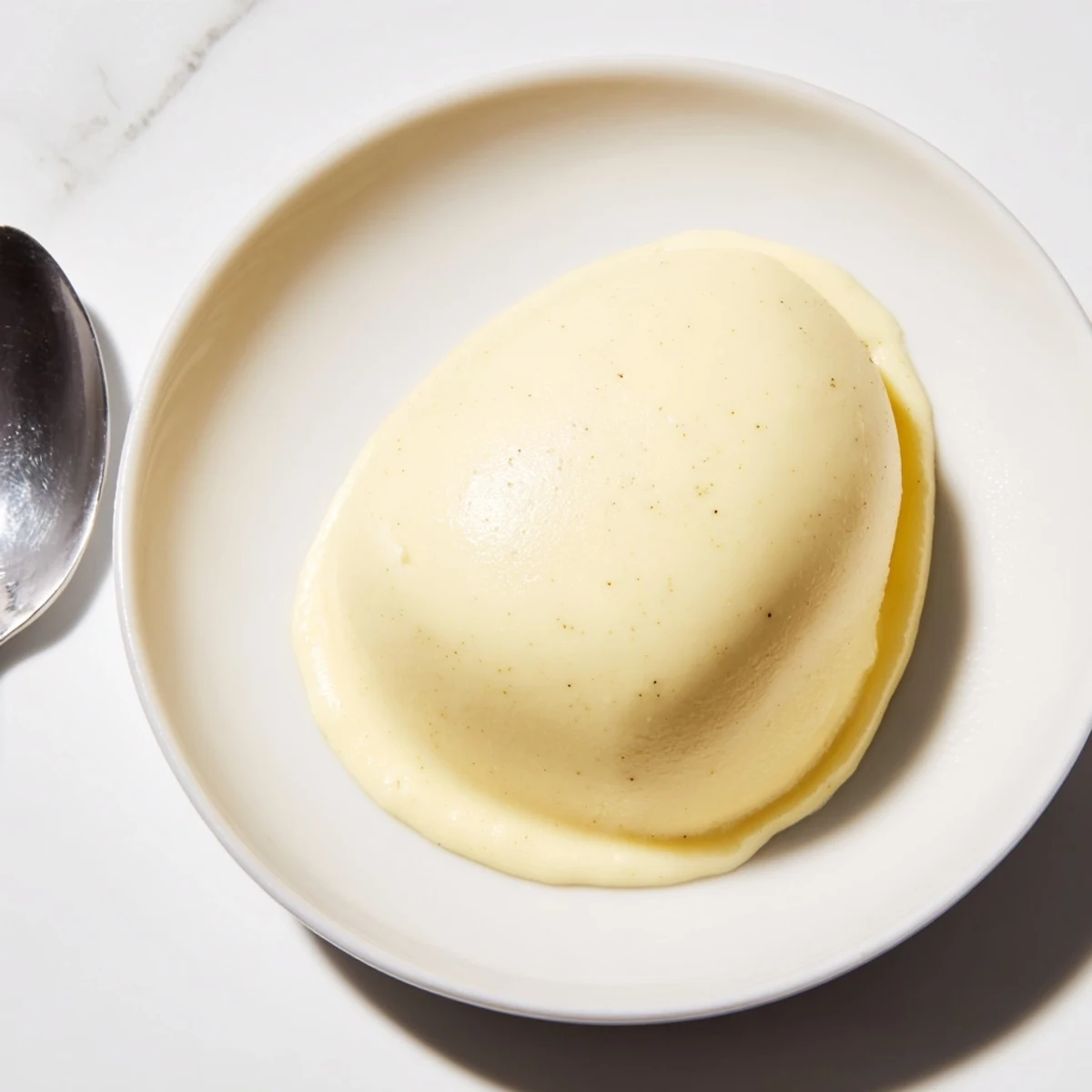
 This classic creamy custard blends whole milk, heavy cream, egg yolks, sugar, and pure vanilla extract to create a rich, silky dessert. Gently heated and stirred to a smooth, thickened texture, it can be enjoyed warm or chilled. The custard's delicate sweetness and velvety consistency make it a comforting treat. Optional touches like nutmeg or lemon zest add a subtle twist, while serving suggestions include fresh berries or caramel sauce. Simple tools and straightforward steps bring this timeless, elegant dish to life.
There's something almost meditative about making custard—the way the cream and milk heat gently while you whisk egg yolks with sugar until they turn pale and thick. I learned to make this on a rainy afternoon when a friend stopped by unexpectedly, and I wanted something warm and comforting but elegant enough to feel special. What started as an improvised dessert became the dish I return to whenever I need to remember why simple, made-from-scratch food matters.
The first time I served this to someone I was trying to impress, I was so nervous about the custard breaking that I hovered over the pot like a worried parent. When I strained it through the fine mesh sieve and it came out perfectly smooth and silky, their first spoonful told me everything—that quiet nod of satisfaction that means you've created something real.
Ingredients
- Whole milk (2 cups): The foundation of the custard—it carries the vanilla and lets the eggs shine without overwhelming richness.
- Heavy cream (1/2 cup): This is where the silk comes from; it rounds out the texture and adds subtle depth that makes people ask what's different.
- Egg yolks (4 large): The magic ingredient that makes custard custard; they thicken as they warm, so respect them and they'll respect you.
- Granulated sugar (1/3 cup): Dissolves into the yolks when whisked, creating a pale ribbon that signals you're ready for the next step.
- Pure vanilla extract (1 teaspoon): A real teaspoon, not a splash—vanilla is the lead character here, not a background note.
- Salt (pinch): Tiny but essential; it wakes up the vanilla and balances the sweetness so the custard doesn't taste one-dimensional.
Instructions
- Warm the cream and milk together:
- Pour both into a medium saucepan and set it over medium heat, watching for small wisps of steam rising from the surface. You want it hot enough to feel brave about pouring into raw egg yolks, but not so hot that it boils—that's where things fall apart.
- Whisk the yolks with sweetness:
- In a separate bowl, combine egg yolks, sugar, vanilla, and a pinch of salt, whisking until the mixture becomes pale, thick, and ribbony—about 2 minutes of real whisking. This is non-negotiable; it protects the eggs from scrambling when the hot liquid hits them.
- Temper the eggs slowly:
- Here's the moment that matters: pour the hot milk mixture into the egg mixture in a thin, steady stream while whisking constantly. Never stop whisking; this is you and the custard having a conversation.
- Cook it back gently:
- Pour everything back into the saucepan and return it to low heat, stirring constantly with a wooden spoon. It will thicken gradually—after about 8 to 10 minutes, it should coat the back of the spoon in a silky layer that doesn't run off immediately.
- Strain for perfection:
- Pour the custard through a fine mesh sieve into a clean bowl, pressing gently with the back of the spoon to catch any bits of cooked egg. This step is what separates a good custard from one that tastes homemade in the best way.
- Choose your temperature:
- Serve warm if you want that just-made comfort, or cover the surface with plastic wrap and chill for at least 2 hours for something cool and elegant.
 Save to Pinterest
 I remember my grandmother teaching me that custard was proof that cooking could be about anticipation and reward in equal measure. The way it transforms from separate ingredients into something unified and silky still feels like a small miracle every time.
Warm or Cold: What You're Really Choosing
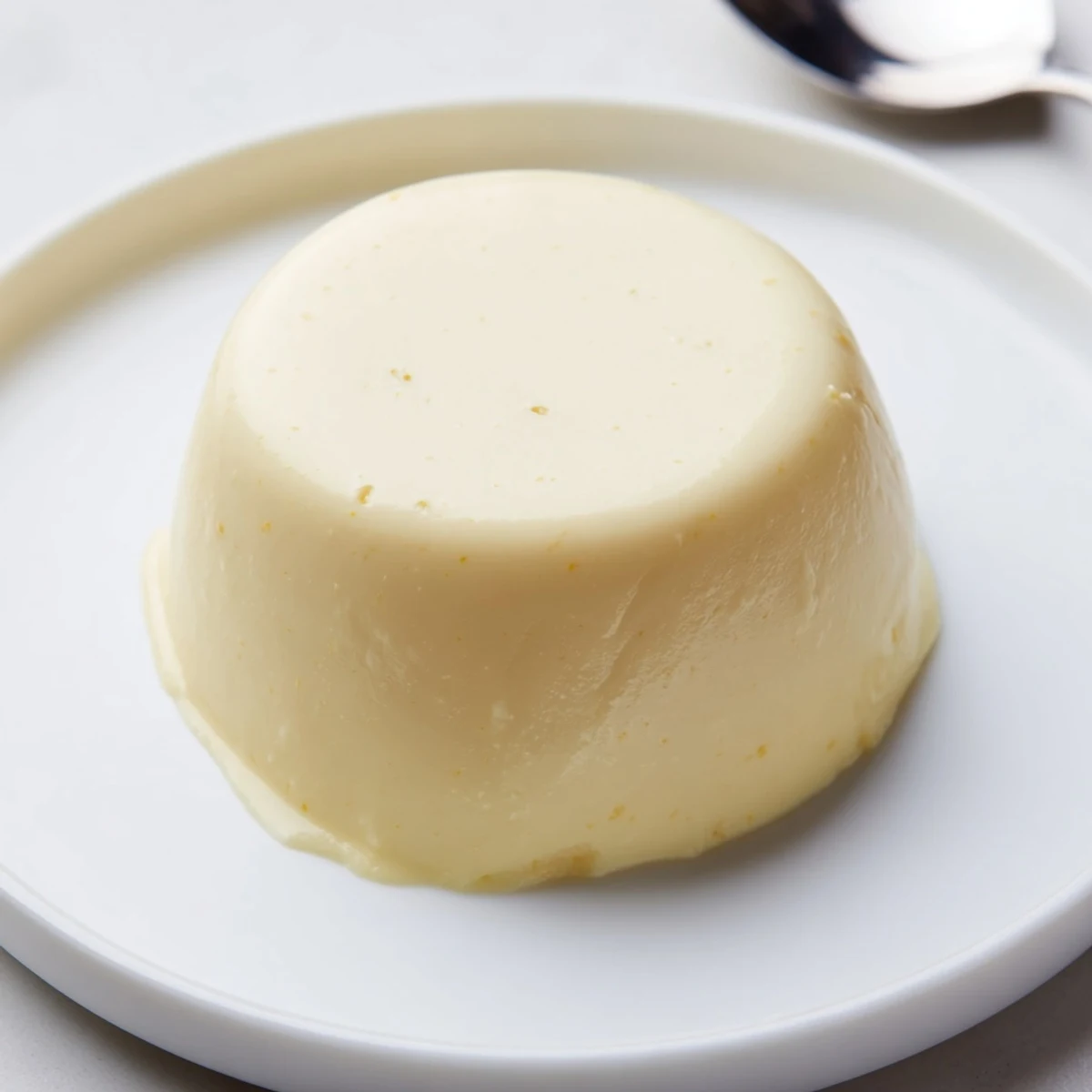
Warm custard tastes like comfort and forgiveness—creamy, gentle, the kind of dessert that feels like an embrace. Cold custard becomes something more architectural, holding its shape with quiet confidence, perfect alongside something crisp or with fresh berries scattered on top. I've served it both ways to the same people on different nights, and they taste like two different stories.
Flavor Variations Worth Trying
Vanilla is the true star, but once you understand how custard works, you can play with it gently. A whisper of nutmeg adds warmth, lemon zest brings brightness, or a tiny splash of bourbon transforms it into something for after dinner. The ratio stays the same; you're just changing the conversation, not the grammar.
Serving and Pairing Ideas
This custard is an introduction to elegance—it needs very little but accepts accompaniments gracefully. Serve it in a clear glass so people can see that silky texture, or pair it with something that crackles or bursts to create contrast. Late harvest wine, strong espresso, fresh berries, caramel sauce drizzled over the top, or even crumbled cookies stirred through at the last moment all become better when custard is involved.
- The texture is the point, so don't crowd it with too many flavors or toppings that compete.
- Serve in small bowls or glasses; this is a dessert that knows its own power and doesn't need to be generous to be memorable.
- Eaten within a day of making tastes best; after that it's still good, but it settles into itself differently.
 Save to Pinterest
 Custard is patient, forgiving if you pay attention, and it teaches you something about cooking that goes beyond this one dessert. Make it, and you'll understand why this simple dish has been made the same way for centuries.
Frequently asked questions about this recipe
- → What is the best way to prevent curdling?
-
Whisk the hot milk mixture slowly into the egg yolks while stirring constantly to temper them and avoid curdling.
- → Can this be served chilled as well as warm?
-
Yes, it can be enjoyed warm or chilled after refrigerating for at least two hours for a smooth, cool texture.
- → How can I enhance the flavor of this custard?
-
Adding a pinch of grated nutmeg or lemon zest gives a subtle flavor boost without overpowering the vanilla base.
- → What tools are required to make this custard?
-
A medium saucepan, mixing bowl, whisk, wooden spoon or spatula, and a fine mesh strainer are ideal for preparation.
- → Is this suitable for vegetarians?
-
Yes, it contains dairy and eggs but no meat products, making it suitable for a vegetarian diet.