
 Save to Pinterest
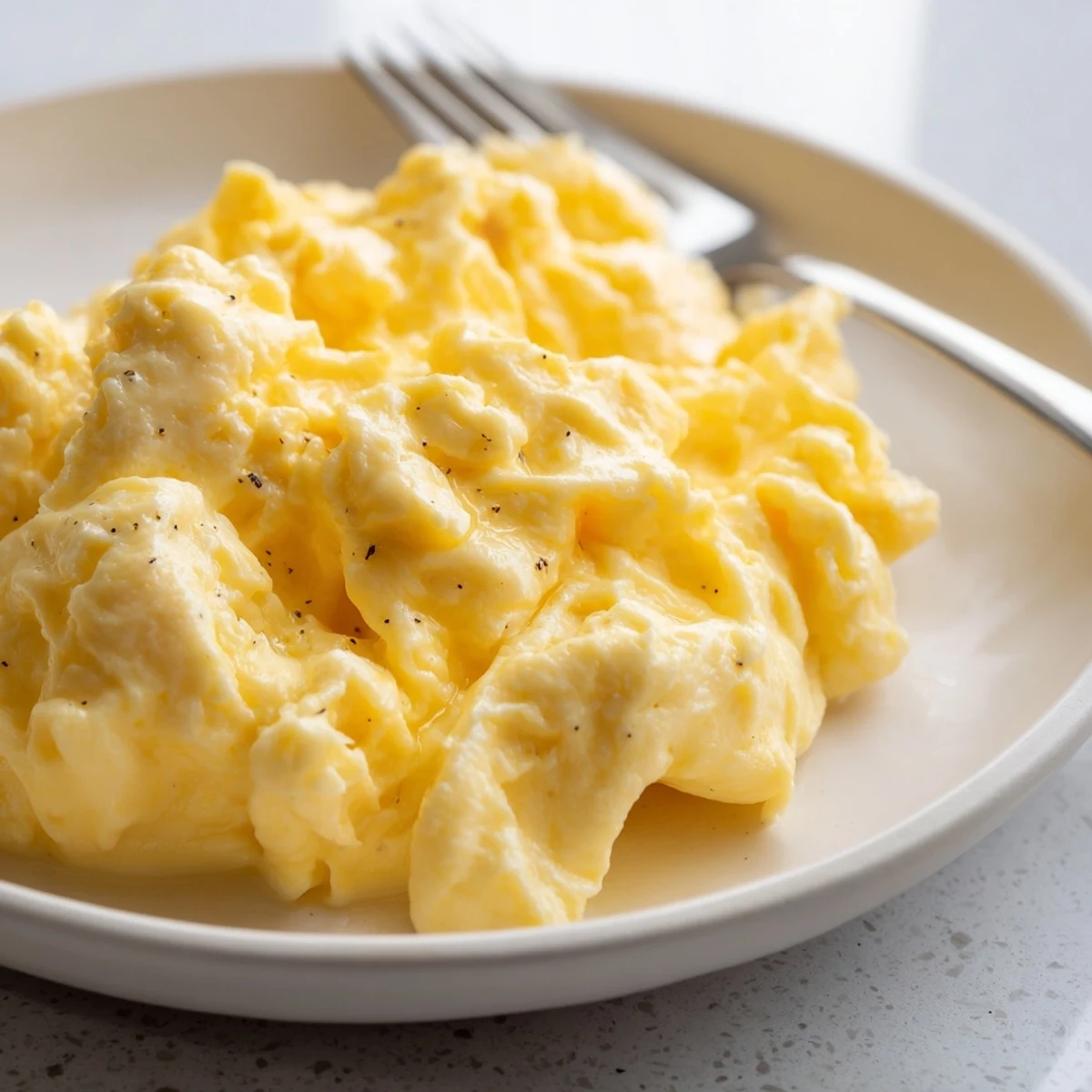
 Transform ordinary eggs into an extraordinary breakfast with this foolproof method for achieving creamy, fluffy curds every time. The secret lies in gentle heat and patient stirring—rushing results in dry, rubbery eggs. Whisking dairy into the eggs creates richness, while low-and-slow cooking ensures that signature velvety texture. In just 10 minutes, you'll have restaurant-quality scrambled eggs that are perfectly set yet still moist. Customizable with herbs, cheese, or vegetables, this versatile dish serves two and works beautifully for meal prep.
My college roommate taught me that scrambled eggs are either a revelation or a tragedy, and the difference lies in patience. She made hers while we studied late nights, always taking them off the heat while they still looked underdone. I thought she was crazy until I tasted them—clouds of buttery perfection. Now I cannot make them any other way.
Last winter my sister stayed over and watched me make these, absolutely convinced I was ruining them by stopping so early. She stood there skeptical until she took her first bite and immediately asked for the recipe. Now she texts me every weekend saying she made them again.
Ingredients
- 4 large eggs: Fresh eggs create better structure and fluffier curds, so grab them from the farmers market if you can
- 2 tbsp whole milk or cream: This tiny addition makes all the difference between rubbery and creamy, so do not skip it
- 1 tbsp unsalted butter: Butter adds richness that oil cannot match, and unsalted lets you control the seasoning
- 1/4 tsp salt: Enhances the natural egg flavor without overpowering it
- 1/8 tsp freshly ground black pepper: Freshly ground gives you that gentle warmth and aromatic depth
Instructions
- Whisk your base:
- Crack eggs into a bowl and add milk, salt, and pepper. Whisk until the mixture turns pale yellow and slightly frothy, incorporating air for that fluffy texture.
- Prep your pan:
- Melt butter in a nonstick skillet over medium-low heat. You want it gently bubbling, not browning, so adjust the heat if needed.
- Start the curds:
- Pour in the egg mixture and let it sit undisturbed for just a few seconds. Watch as the edges begin to set while the center stays liquid.
- Gentle folding:
- Push the eggs from the edges toward the center with a spatula. Keep your movements slow and deliberate to form those soft, creamy curds.
- Know when to stop:
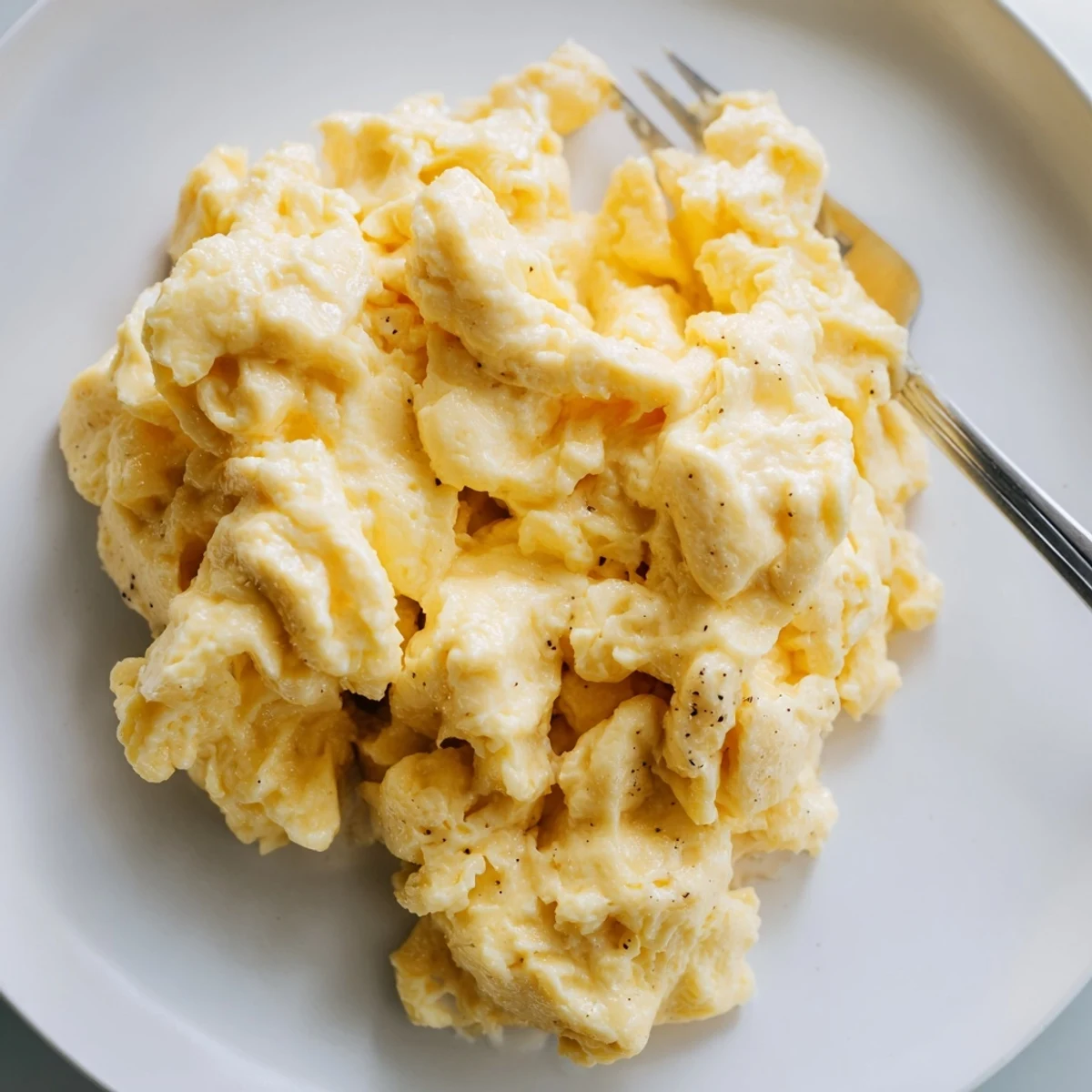
- Cook until the eggs are just set but still look slightly moist. They will continue cooking from residual heat, so remove them now.
- Plate immediately:
- Transfer to warm plates right away. These eggs do not wait for anyone.
 Save to Pinterest
 My dad admits he spent thirty years making dry scrambled eggs until he saw me make these. Now he calls me every time he nails them, like he discovered something magical. It has become our little Sunday morning tradition.
Choosing Your Dairy
Cream makes the richest eggs, but whole milk works beautifully too. I keep both on hand depending on my mood. The fat content matters more than you think.
Temperature Control
Medium-low heat feels too slow but trust the process. High heat gives you dry, rubbery eggs every single time. Low and slow wins this race.
Customization Ideas
Sometimes I fold in fresh chives or grated cheddar right at the end. The possibilities are endless once you master the base technique.
- Add fresh herbs in the last thirty seconds of cooking
- Try crumbled goat cheese for a tangy twist
- Top with everything bagel seasoning before serving
 Save to Pinterest
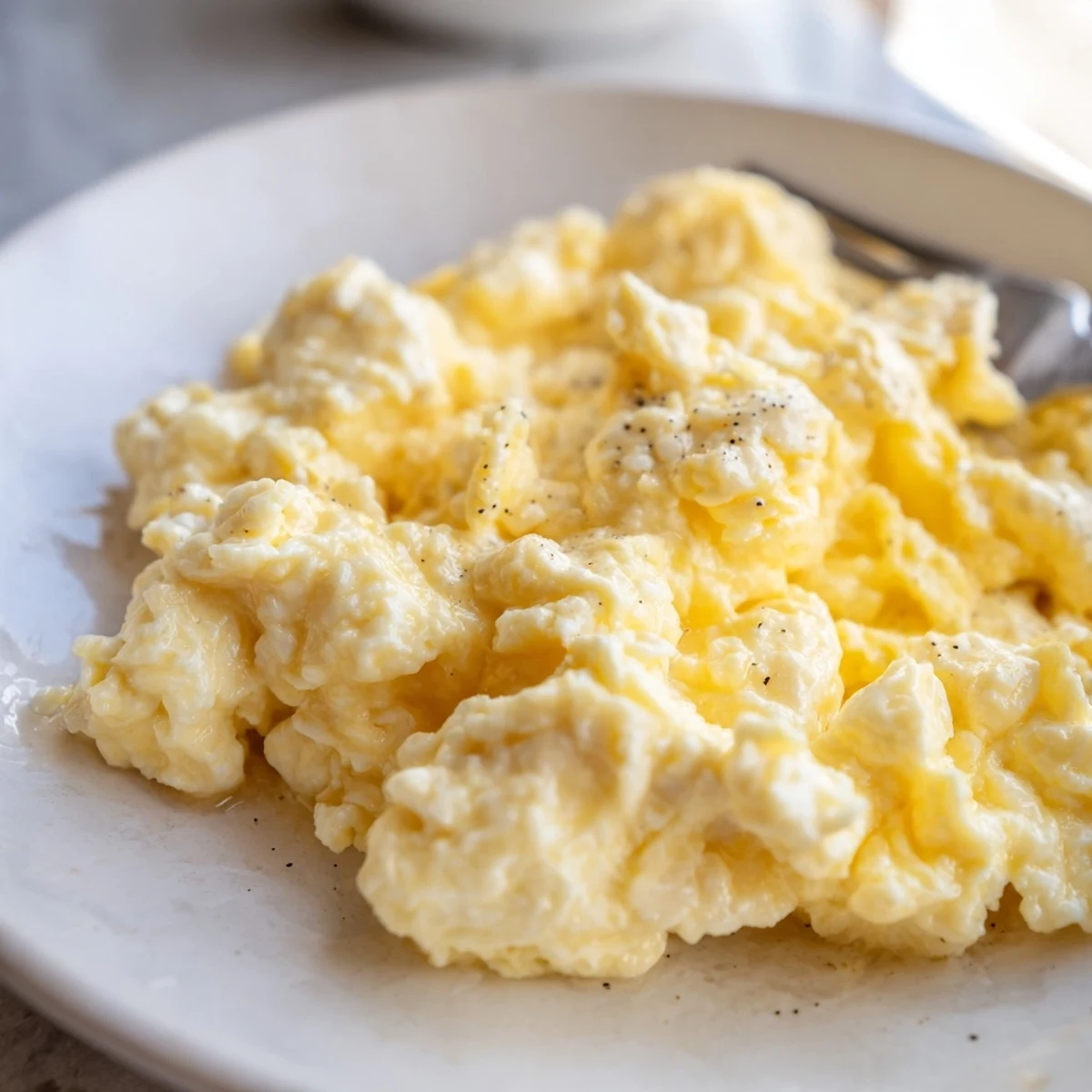
 Perfect scrambled eggs are simple but never boring. Once you taste them done right, breakfast changes forever.
Frequently asked questions about this recipe
- → Why do my scrambled eggs turn out dry?
-
Dry eggs usually result from cooking over high heat or leaving them in the pan too long. Cook over medium-low heat and remove from the pan while they still look slightly undercooked—they'll continue cooking from residual heat.
- → Should I use milk or cream in scrambled eggs?
-
Cream yields richer, more luxurious eggs, while milk produces a lighter result. Both work beautifully—choose based on your preference. For extra creamy eggs without dairy, try adding a small pat of butter or cream cheese directly to the pan.
- → Can I make scrambled eggs ahead of time?
-
While best enjoyed fresh, you can refrigerate scrambled eggs for up to 2 days. Reheat gently in the microwave with a splash of milk to restore creaminess. They won't be quite as fluffy as freshly made, but still delicious.
- → What's the best pan for making scrambled eggs?
-
A nonstick skillet is ideal for easy cleanup and preventing sticking. If using stainless steel or cast iron, ensure the pan is well-greased and properly heated before adding the eggs. An 8-inch pan works perfectly for this quantity.
- → How do I get restaurant-style fluffy curds?
-
The key is gentle technique—push eggs toward the center rather than stirring vigorously, and let them set briefly between movements. Whisking thoroughly until slightly frothy before cooking also helps incorporate air for fluffier results.