
 Save to Pinterest
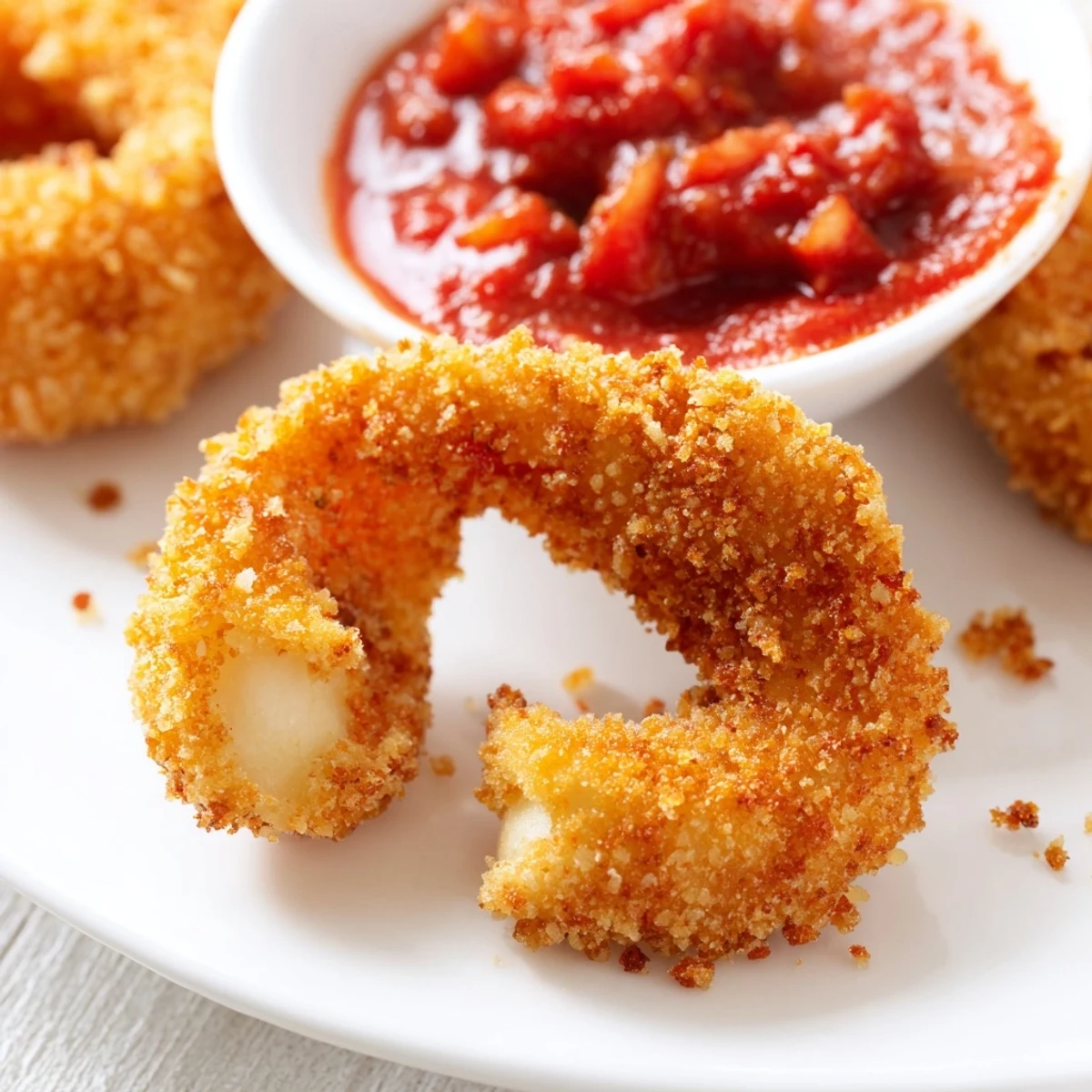
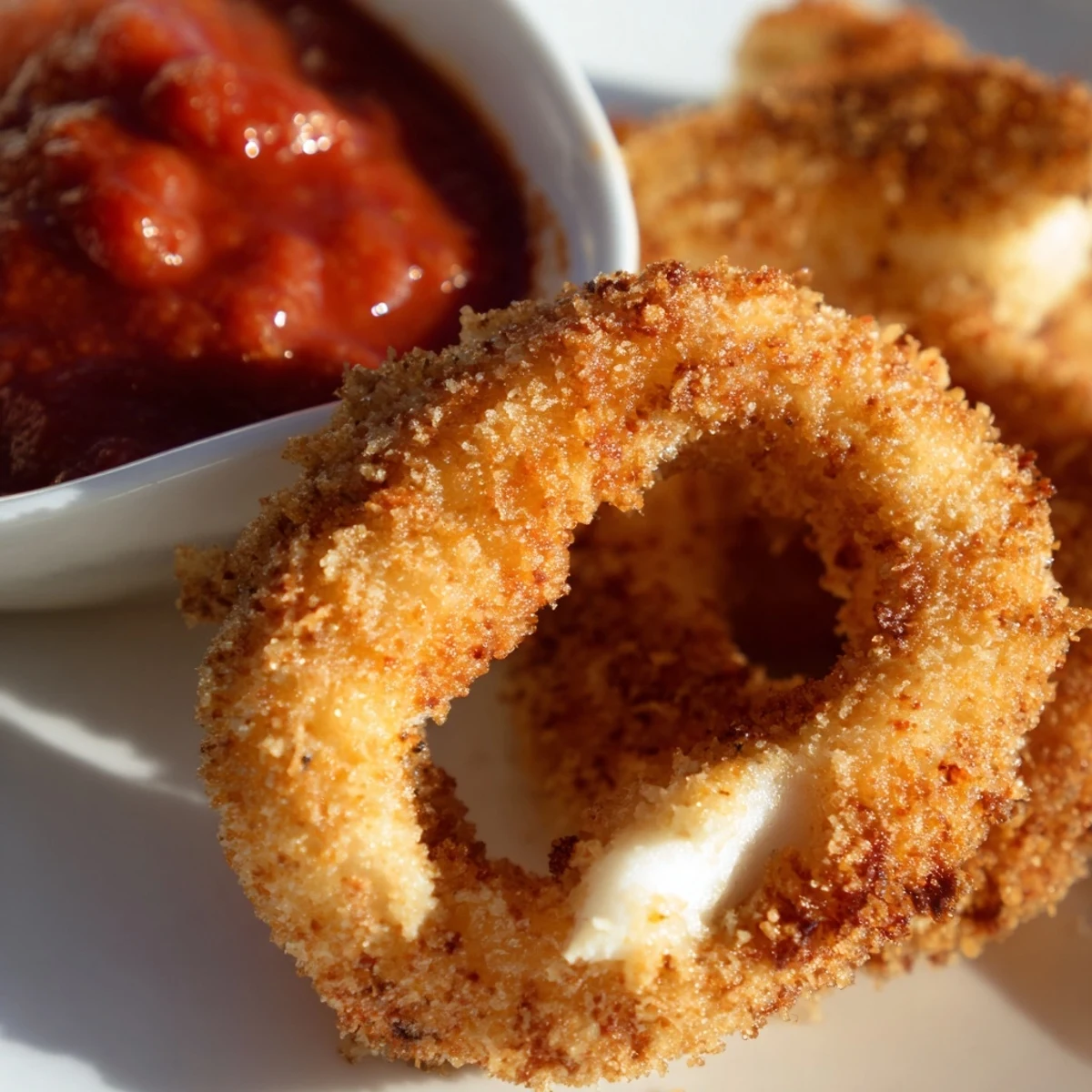
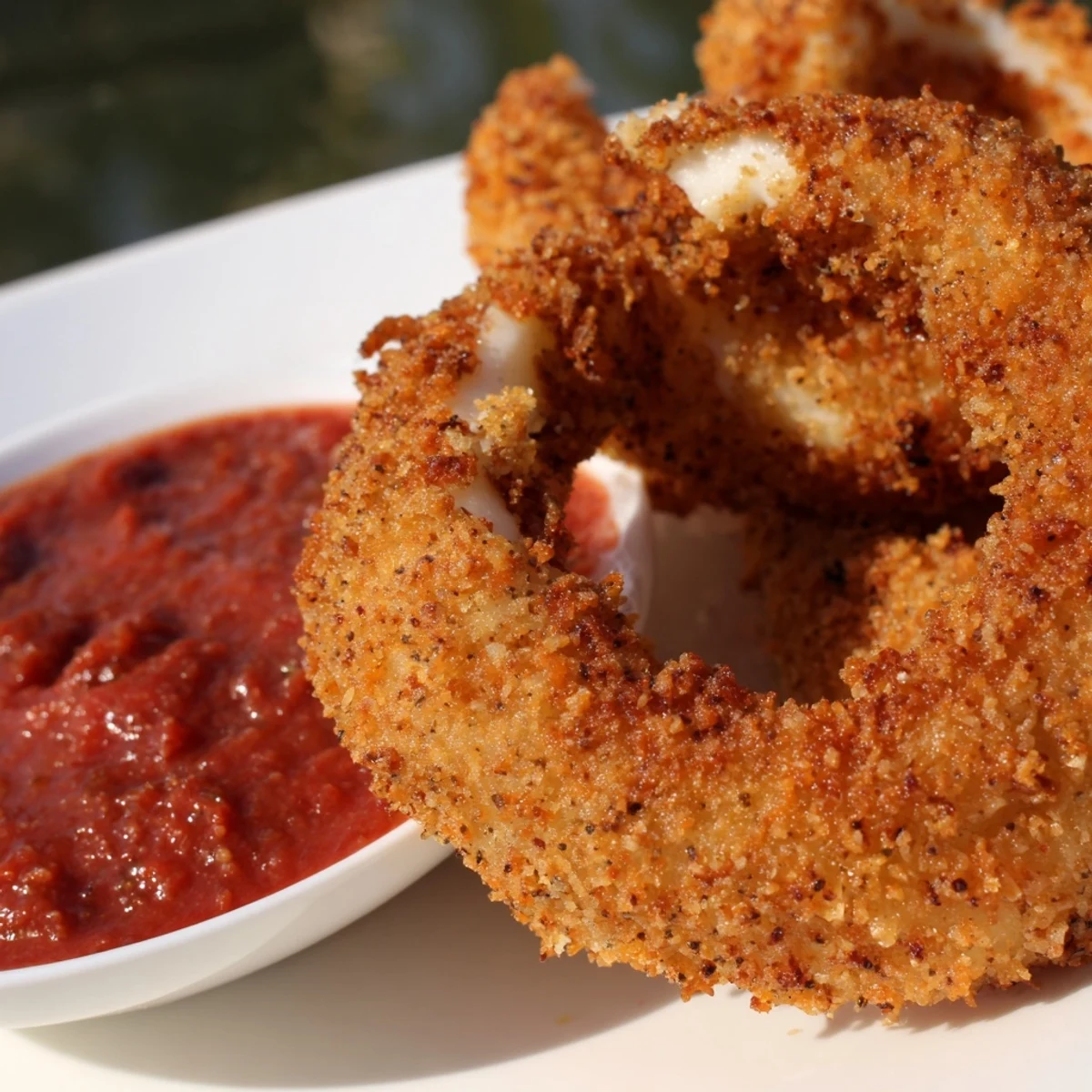
 This dish features tender calamari rings, lightly coated in a seasoned flour and cornmeal mix, then fried until crispy and golden. It's served with a warm, tangy marinara sauce made from slow-simmered tomatoes, garlic, onions, and aromatic herbs. The combination balances crunch and zest, perfect as an appetizer or light meal. Fresh lemon wedges add a bright finish, enhancing the Mediterranean flavors.
The cooking process involves preparing the dipping sauce first, then breading and frying the calamari in small batches to maintain crispiness. Optional smoky paprika and chili flakes can be added for a hint of heat, while fresh basil in the sauce lends aromatic freshness. This flavorful pairing offers a classic Mediterranean touch, satisfying both texture and taste.
There's something about the sizzle of calamari hitting hot oil that brings back a specific evening at a small trattoria near the harbor, where the owner's grandmother was frying batch after batch while sharing her trick for keeping the rings impossibly tender. I've chased that texture ever since, and after a few kitchen experiments—including one spectacularly rubbery attempt—I finally understood what she meant about the timing and the pat-dry. This recipe captures that moment, turning what could be chewy into something that cracks between your teeth before melting away.
I made this for friends on a summer evening when everyone was tired of the same old cheese board, and watching their faces when that first piece of calamari hit the marinara was worth every minute. The smell of fried seafood and garlic-tomato sauce filling the kitchen, condensation on the windows, someone reaching for a second piece before the first was even finished—that's when I knew this recipe had earned its permanent spot in rotation.
Ingredients
- Fresh calamari (500 g): Buy it already cleaned if you can; the meat should be pale and firm, never gray or ammonia-scented, and cutting it yourself into rings takes about five minutes.
- Flour (120 g) and cornmeal (60 g): The cornmeal is the secret—it adds crunch that flour alone can't deliver and keeps the coating light instead of heavy.
- Sea salt, black pepper, and smoked paprika: Taste the dry mixture before coating; it should make you want to lick your fingers.
- Vegetable oil (750 ml): Use something neutral like canola or light olive oil that won't burn at 180°C; never reuse frying oil more than three or four times.
- Canned crushed tomatoes (400 g): San Marzano tomatoes sing here, but any quality brand works—avoid the ones with added sugar or weird additives.
- Garlic, onion, olive oil, oregano, and basil: Fresh basil at the end transforms the sauce from good to memorable, so don't skip it even if you think it's optional.
Instructions
- Start the sauce while everything else waits:
- Heat olive oil in a small saucepan and let the onion soften slowly—rushing this step means missing the sweet, caramelized notes that anchor the whole sauce. Once garlic hits the pan, you'll have maybe thirty seconds before it starts to smell burnt, so add it, breathe in that moment, then add the tomatoes right away.
- Build the sauce layers:
- Stir in oregano, chili flakes, and sugar, then let it simmer gently for ten to fifteen minutes while the kitchen fills with this warm, tangy aroma. The sauce will thicken slightly and the raw tomato edge will soften; this is where patience pays off, and where a few stirs make all the difference.
- Prepare and dry the calamari:
- Rinse the rings under cold water and pat them completely dry with paper towels—any moisture clinging to the surface will cause splattering and prevent that golden crust from forming. This step feels tedious for about thirty seconds, then you realize it's the difference between crispy and soggy.
- Create your breading station:
- Mix flour, cornmeal, salt, pepper, and paprika in a shallow bowl, then taste a tiny pinch if you want to adjust seasoning before the calamari goes in. Toss the rings in the mixture so every piece gets an even, light coat, then shake off the excess—the breading should look like a whisper of flour, not a thick crust.
- Heat the oil to the right temperature:
- Use a thermometer to hit 180°C (350°F), which is that sweet spot where calamari fries through without absorbing too much oil. If it's too cool, the rings absorb oil and turn greasy; too hot and they brown before the inside cooks.
- Fry in small batches with patience:
- Never crowd the pan—drop in maybe a quarter of the calamari at a time and listen for the crackle, then watch for the golden color to creep in. After one to two minutes, the rings will be crisp and pale golden, at which point a slotted spoon becomes your best friend.
- Drain and finish:
- Place the fried calamari on a paper towel-lined plate immediately so steam escapes and crispness stays behind. Finish the sauce with fresh basil if using, then serve everything hot with lemon wedges and a slight sense of accomplishment.
 Save to Pinterest
 There was this moment when my brother tried his first piece and closed his eyes like he was somewhere else entirely, and I realized that simple fried food elevated just slightly—better calamari, homemade sauce instead of bottled, that careful attention to temperature—can transport someone back to a place they've never even been. That's what this dish does.
The Oil Temperature Secret
I spent years wondering why my calamari never tasted like the restaurant version, until I realized I was guessing at the oil temperature instead of actually measuring it. A kitchen thermometer costs almost nothing and changes everything—180°C gives you that shatteringly crisp exterior while the inside stays tender, whereas even twenty degrees cooler and you're eating oily rubber. If you don't have a thermometer, a piece of bread dropped into the oil should turn golden in about thirty seconds; too fast and the oil is too hot, too slow and it's not ready.
Why Fresh Matters (And When It Doesn't)
Frozen calamari works just as well as fresh if you thaw it properly in the refrigerator overnight, but the ritual of buying it fresh from a fishmonger who knows their stock has a certain charm. Either way, the quality sign is the same: pale color, firm texture, and absolutely no ammonia smell. If it smells off, it is off—trust your nose, not the expiration date.
Beyond the Marinara
While this marinara is the classic pairing, I've experimented with serving calamari alongside other things and learned that the sauce is really just the beginning. A garlicky aioli gives it a different sophistication, and a simple agrodolce—sweet and sour—reminds you of Sicily in the best way. The calamari itself is neutral enough to play well with whatever you want beside it.
- Fresh lemon juice squeezed over everything right before eating brightens the whole plate and cuts through the richness of the fried exterior.
- A pinch of fleur de sel sprinkled on the hot calamari right after it comes out of the oil makes each piece taste more like itself.
- If you want to make this gluten-free, swap the all-purpose flour for a one-to-one blend and nobody will notice the difference.
 Save to Pinterest
 This recipe is my favorite kind of cooking—a few humble ingredients treated with respect and care, coming together in a way that feels like both effort and ease at the same time. Make it once and you'll understand why this dish has stayed on Mediterranean tables for centuries.
Frequently asked questions about this recipe
- → How can I ensure the calamari stays crispy?
-
Dry the calamari thoroughly before breading and fry in small batches at the right oil temperature (around 180°C/350°F) to maintain crispiness.
- → What is the best way to make the marinara sauce flavorful?
-
Sautéing garlic and onion first, then simmering crushed tomatoes with oregano, basil, and a pinch of sugar develops depth and balance in the sauce.
- → Can I use other types of flour in the breading mix?
-
Yes, gluten-free flour and cornmeal can substitute regular flour to accommodate dietary needs without compromising texture.
- → How long should the calamari be fried?
-
Fry calamari rings for 1–2 minutes, or until golden and crisp, avoiding overcrowding the pan for even cooking.
- → What beverages complement this dish well?
-
A chilled Pinot Grigio or a light lager pairs nicely, balancing the fried texture with refreshing notes.