
 Save to Pinterest
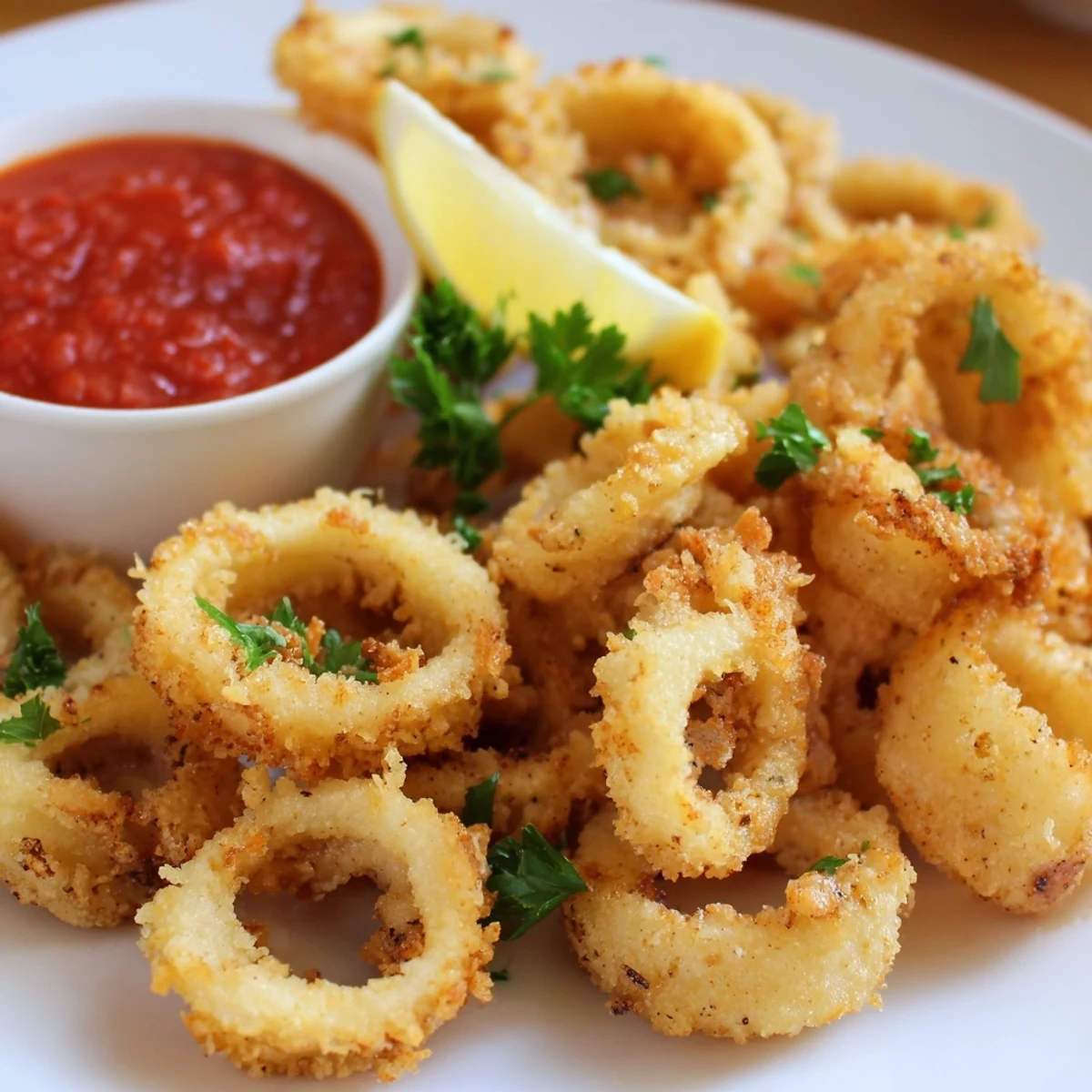
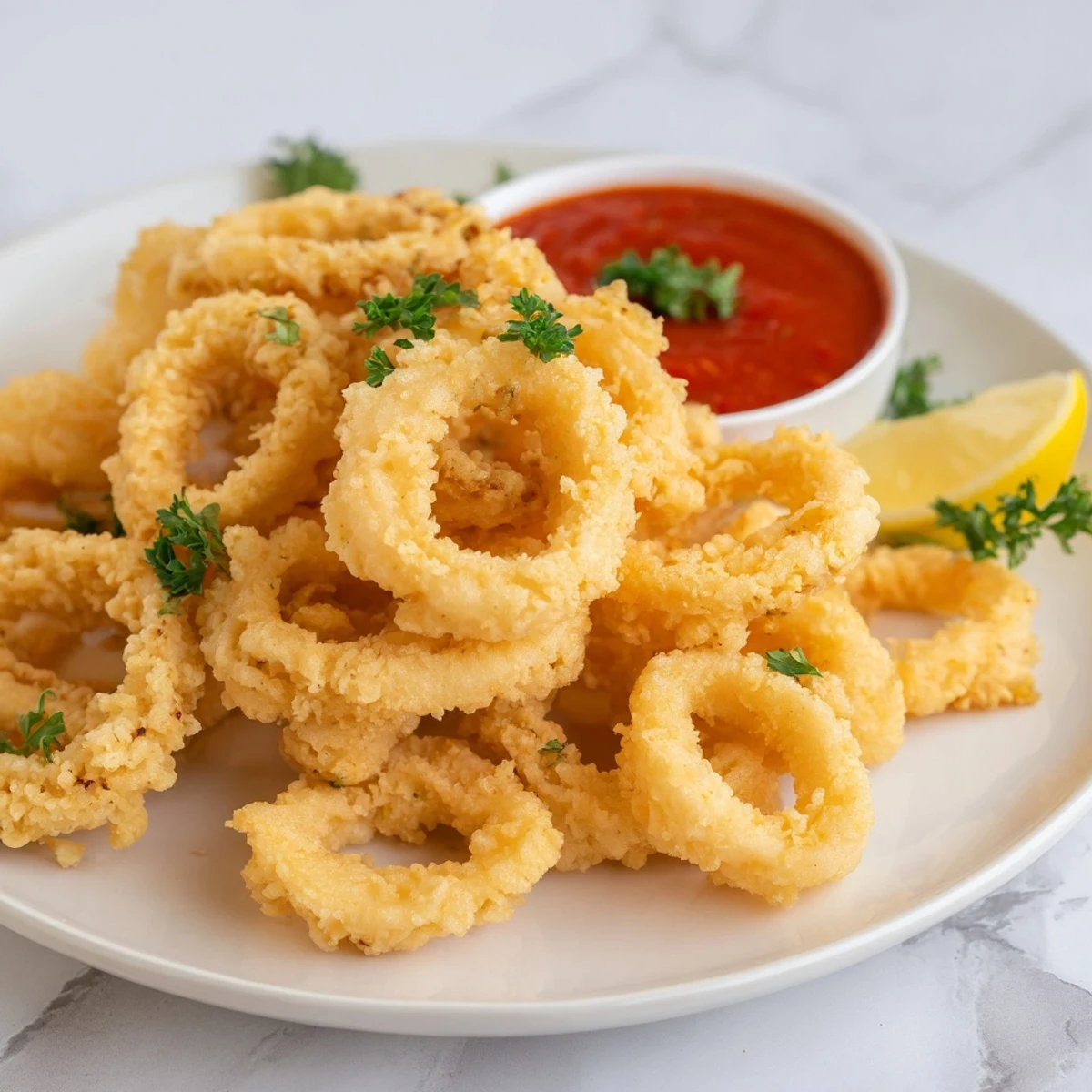
 Lightly battered squid rings fried until golden and paired with a warm, zesty tomato sauce. Soaking squid in buttermilk ensures tenderness, while a cornstarch-flour blend creates the perfect crunch. Serve with lemon wedges for a classic Italian appetizer that balances textures and flavors beautifully.
My uncle's kitchen in Naples smelled like hot oil and garlic the first time he showed me how to fry calamari properly, and I've been chasing that exact moment ever since. He'd dip the rings in buttermilk with this quiet confidence, then coat them in flour so fast his hands blurred, and somehow they'd emerge from the pan golden and impossibly tender. Years later, I realized the buttermilk wasn't just tradition—it was chemistry, breaking down the squid's fibers while keeping the meat delicate. This version brings that same magic to any kitchen, no Italian grandmother required.
I made this for a small dinner party last spring when my neighbor mentioned she'd never had proper calamari, only rubbery versions from chain restaurants. Watching her face when she bit into the first ring—that moment of surprise when something soft and briny meets a shattering crust—reminded me why I love cooking this dish. It's not complicated, but it feels impressive, which is honestly the best kind of recipe to have in your back pocket.
Ingredients
- Cleaned squid, sliced into rings (500 g or 1 lb): Buy it pre-cleaned from a good fishmonger if possible—it saves time and the rings are usually consistent. If you're cleaning it yourself, remove the head and innards, then peel away the thin purple skin under cold water.
- Buttermilk (250 ml or 1 cup): This is the secret ingredient most people skip. It tenderizes the calamari while adding a subtle tang that marinara loves. If you don't have buttermilk, whisk regular milk with a tablespoon of lemon juice and let it sit for five minutes.
- All-purpose flour (120 g or 1 cup): The foundation of your crust. Don't skimp here or substitute with anything too fine, or you'll end up with a paste instead of a crisp coating.
- Cornstarch (60 g or ½ cup): This is what makes the difference between limp and shatteringly crisp. The starch fries up to a lighter, airier texture than flour alone.
- Sea salt (1 tsp), freshly ground black pepper (½ tsp), paprika (½ tsp): These simple seasonings in the flour mean every ring tastes intentional, not bland. Don't use pre-ground pepper if you can help it—fresh is noticeably better here.
- Vegetable oil for frying: Use something neutral with a high smoke point like canola or peanut oil. Olive oil will burn and smoke out your kitchen.
- Olive oil (1 tbsp), minced garlic (2 cloves), crushed canned tomatoes (400 g or 14 oz), dried oregano (1 tsp), dried basil (½ tsp), sugar (½ tsp): The marinara comes together fast because you're not fussing with fresh tomatoes. The sugar balances the acidity in a way that feels natural, not cloying.
- Lemon wedges and fresh parsley: These aren't just garnish—they're your finishing touch that says you actually care.
Instructions
- Marinate the calamari in buttermilk:
- Place your squid rings in a bowl, pour in the buttermilk, and stick it in the fridge for at least 15 minutes. This is when the magic happens—the lactic acid gently tenderizes the rings so they stay soft instead of turning rubbery when you fry them. I usually do this step while I'm prepping everything else.
- Build your marinara sauce:
- Heat a tablespoon of olive oil in a saucepan over medium heat and let it shimmer for a few seconds. Add your minced garlic and let it wake up for about 30 seconds—you'll smell it change from sharp to mellow. Pour in the crushed tomatoes with all their juice, then add the oregano, basil, sugar, salt, and pepper. Reduce the heat to low and let it bubble gently for 10 to 15 minutes, stirring now and then so nothing sticks.
- Mix your breading:
- In a shallow dish or plate, combine the flour, cornstarch, salt, pepper, and paprika. Give it a good stir so the seasonings are evenly distributed—lumps mean some rings will taste bland.
- Heat your oil to the right temperature:
- Whether you're using a deep fryer or a heavy pan, get your oil to 180°C (350°F). Use a thermometer if you have one—this temperature is the sweet spot where calamari fries in under two minutes without absorbing too much oil.
- Bread and fry in batches:
- Pull a few calamari rings from the buttermilk, let the excess drip off for a second, then toss them in your flour mixture until they're fully coated. Work gently so the rings don't clump together. Slide them into the hot oil and don't crowd the pan—they need room to move around or they'll steam instead of fry. After about 90 seconds to 2 minutes, they'll be golden and crisp.
- Drain and finish:
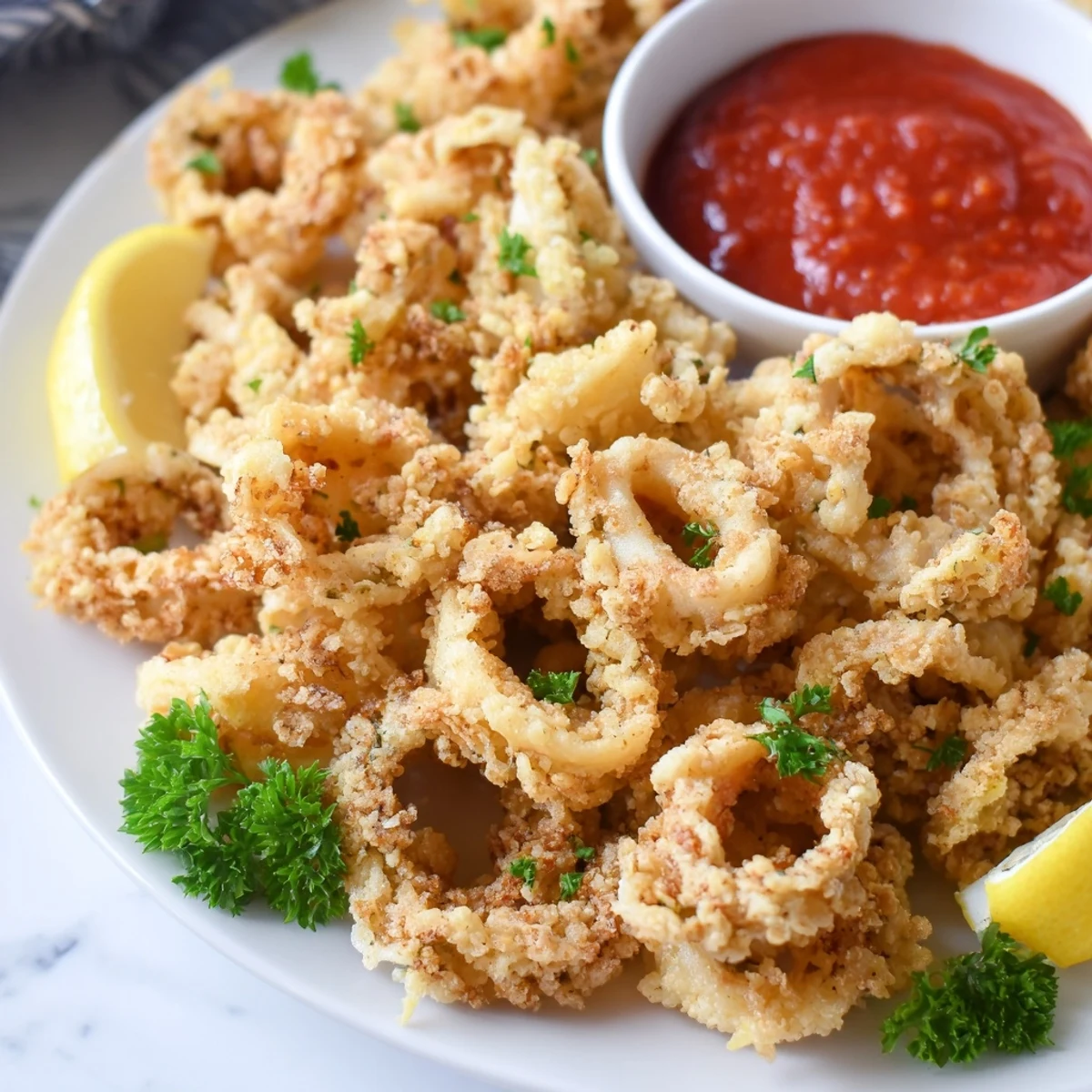
- Transfer the fried calamari to a paper towel-lined plate as soon as they come out of the oil. This absorbs excess oil so you get that crisp texture that lasts more than five seconds. Serve immediately with warm marinara, fresh lemon wedges, and a scatter of bright green parsley.
 Save to Pinterest
 There's something almost meditative about standing at the stove, watching each batch emerge from the oil transformed from limp and pale to golden and alive. A friend once said my calamari reminded them of eating by the sea, and I realized that's exactly what good food should do—transport you somewhere for a moment, make you feel something.
The Buttermilk Secret
Most home cooks skip this step because they're not sure what it does, but I promise you it changes everything. The lactic acid in buttermilk is a natural tenderizer that gently breaks down the muscle fibers in squid, which is naturally chewy. When you coat it in flour and fry it immediately after, those pre-softened rings stay silky instead of turning to rubber. I learned this the hard way by trying every shortcut imaginable before going back to my uncle's method.
The Oil Temperature Truth
I spent years thinking a thermometer was unnecessary until I invested in a cheap one and realized how much I'd been guessing. When oil is too cool, your calamari absorbs oil like a sponge and ends up greasy and heavy. When it's too hot, the outside burns before the inside cooks through. That sweet spot at 180°C (350°F) is where the crust sets so fast that almost no oil penetrates, and the inside stays tender. If you don't have a thermometer, drop a tiny piece of bread in the oil—it should sizzle aggressively and turn golden in about 15 seconds.
Timing and Service
This dish is at its absolute best in the first five minutes after frying—the crust is still crackling and the inside is still warm. That said, you can get away with frying everything and keeping it warm in a very low oven (150°C or 300°F) for up to 20 minutes if you're dealing with a crowd. The marinara can be made hours ahead and reheated gently right before serving.
- Make the marinara first so it has time to develop flavor while you prep and fry the calamari.
- Bring everything out warm—a cold plate will cool your calamari in seconds and ruin the experience.
- Finish with fresh lemon juice squeezed right over the top, which brings brightness and cuts through the richness perfectly.
 Save to Pinterest
 Crispy calamari is proof that simple food, cooked with attention, tastes like luxury. Make this for people you want to impress, and they'll remember it.
Frequently asked questions about this recipe
- → How do I ensure the calamari stays tender?
-
Soaking the squid rings in buttermilk for at least 15 minutes before cooking breaks down fibers and prevents the meat from becoming chewy.
- → Can I make the sauce ahead of time?
-
Yes, the marinara sauce can be made up to two days in advance and stored in the refrigerator. Reheat gently before serving.
- → What type of oil is best for frying?
-
Use a neutral oil with a high smoke point, such as vegetable, canola, or peanut oil, to achieve a crispy texture without burning.
- → Is there a gluten-free option?
-
Substitute the all-purpose flour and cornstarch with a gluten-free flour blend designed for frying to make this dish gluten-free.
- → What wine pairs well with this dish?
-
A crisp white wine like Pinot Grigio or Sauvignon Blanc complements the fried seafood and the acidity of the tomato sauce perfectly.