
 Save to Pinterest
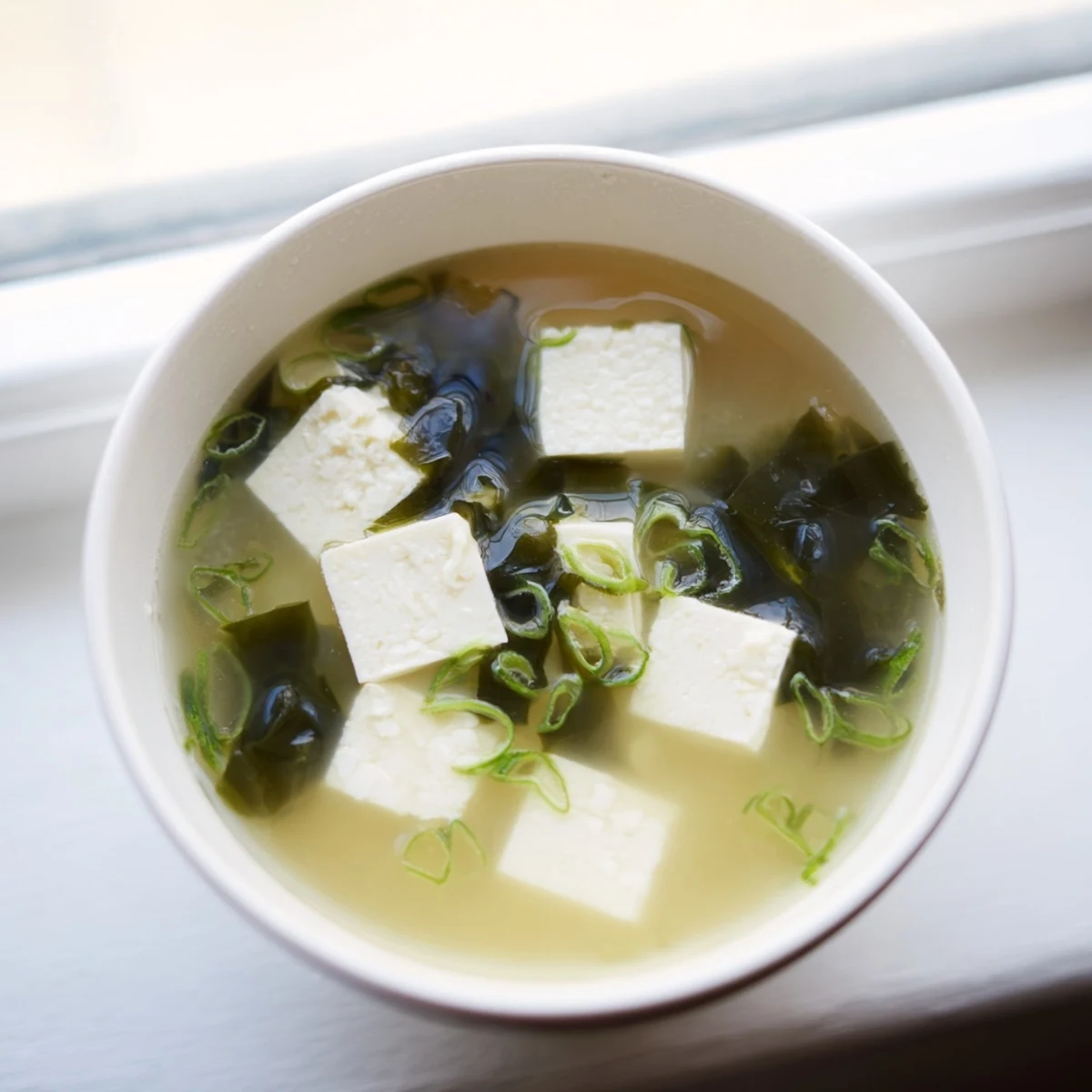
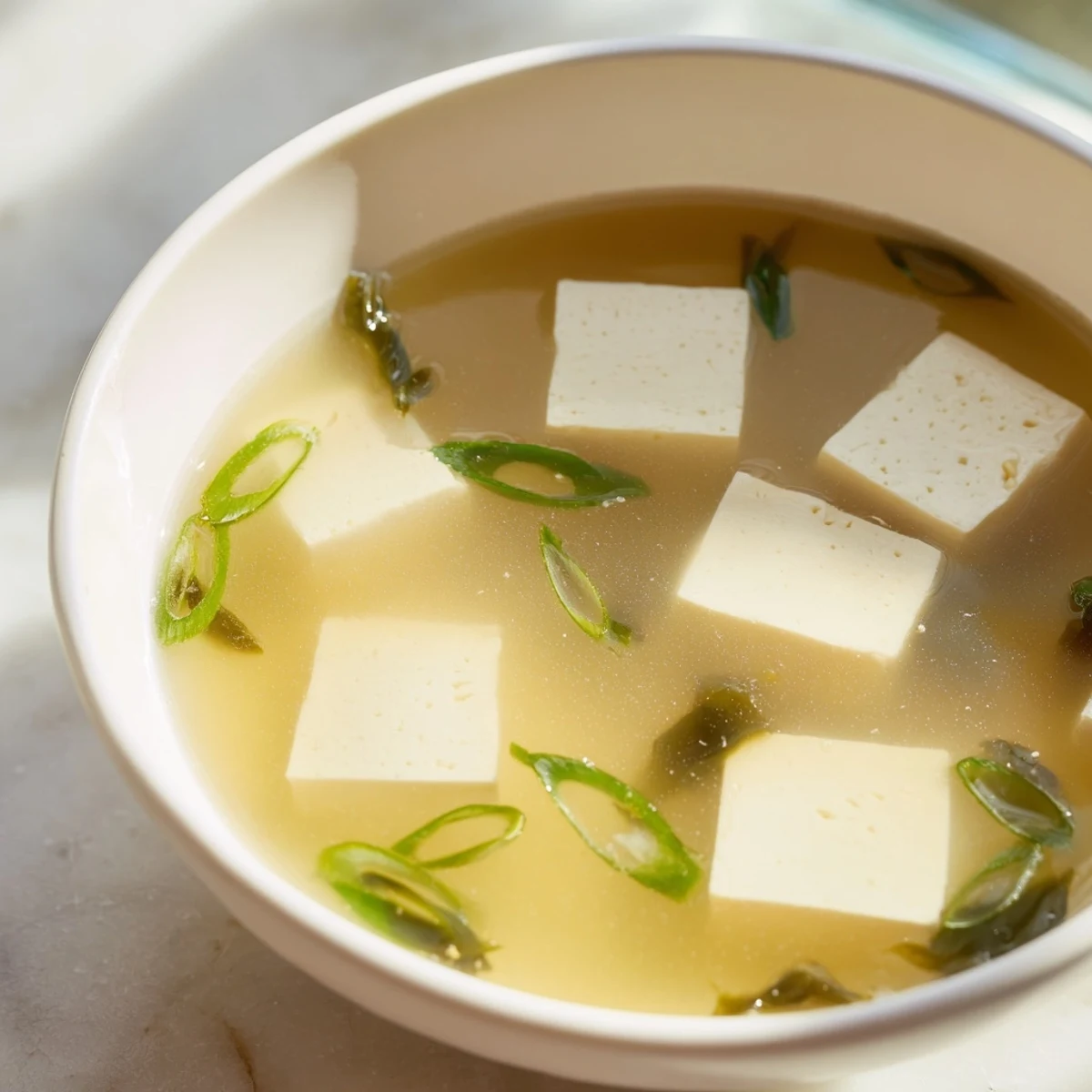
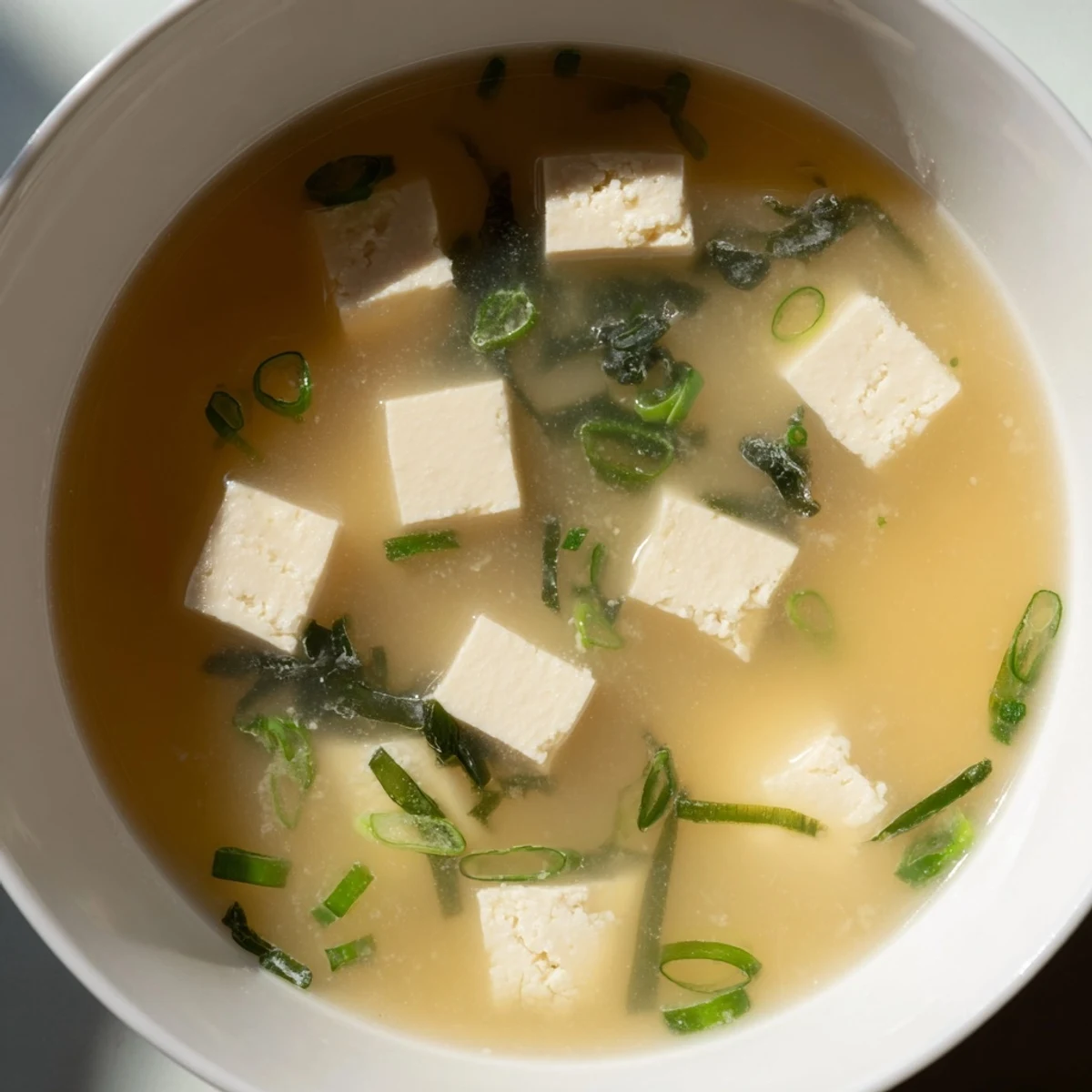
 This traditional Japanese soup combines delicate white miso paste with silken tofu and rehydrated wakame seaweed in a savory dashi broth. The entire preparation takes just 15 minutes from start to finish.
For optimal flavor, the miso paste is whisked with hot broth separately before adding back to the pan. This technique preserves the beneficial enzymes and prevents boiling, which can compromise the miso's subtle sweetness.
The soup delivers a comforting balance of umami-rich flavors and silky textures. Each serving contains only 65 calories while providing 6 grams of protein, making it both nourishing and light.
Customize easily by mixing white and red miso varieties, adding vegetables like spinach or mushrooms, or incorporating thinly sliced daikon for extra crunch.
The first time I attempted miso soup in my tiny apartment kitchen, I accidentally boiled the miso paste straight into the broth and wondered why it tasted so flat. A Japanese friend gently corrected me over dinner that week, explaining that miso is delicate, like a shy flavor that needs coaxing rather than force. Now I keep a jar of white miso permanently in my refrigerator door, right next to the butter, for those evenings when nothing comforts quite like a steaming bowl of cloudy broth.
Last winter, when my sister was recovering from surgery and could only stomach gentle, warming foods, I brought her a thermos of this soup every morning for a week. She told me later that the simple ritual of lifting the lid and inhaling that familiar salty aroma made her feel cared for in a way medicine never could. Now whenever I make it, the scent immediately transports me back to her dim living room with the rain streaking down the windows.
Ingredients
- 4 cups dashi stock: The foundation of authentic Japanese cooking, instant granules work beautifully but homemade kombu dashi adds an ocean depth you can taste
- 3 tablespoons white miso paste: Shiro miso is milder and slightly sweet, perfect for beginners or those who prefer subtler umami
- 100 g silken tofu: Handle it gently so it keeps its silky texture, cutting through the richness with its custard like softness
- 2 tablespoons dried wakame seaweed: It expands dramatically in hot liquid, so a little goes a long way toward that authentic restaurant quality
- 2 green onions: Finely sliced for the essential fresh bite that cuts through the savory warmth
Instructions
- Warm the dashi gently:
- Bring your dashi stock to a gentle simmer over medium heat, watching carefully for the first signs of movement around the edges of the pan.
- Temper the miso separately:
- Scoop the miso paste into a small bowl and ladle in about half a cup of the hot dashi, whisking until completely smooth before returning it to the main pot.
- Add the tofu and wakame:
- Gently slide in the tofu cubes and scatter the dried seaweed across the surface, letting it simmer for just 2 to 3 minutes until everything is warmed through.
- Finish and serve immediately:
- Remove from heat completely, ladle into bowls, and sprinkle with those bright green onions before the soup loses its perfect temperature.
 Save to Pinterest
 There is something meditative about making this soup, the way the kitchen fills with that distinctive aroma while you work quietly at the stove. I have started keeping all the ingredients on a designated shelf, ready for those impromptu weeknight moments when comfort food needs to happen fast.
Choosing Your Miso
White miso is fermented for the shortest time, giving it the mildest flavor and lightest color that works beautifully for beginners. Red miso develops a deeper, earthier punch during longer fermentation, while awase, a blend of both, offers the best of both worlds. Store miso in the refrigerator tightly sealed, where it will keep for months and actually continue developing complexity.
Beyond Basic Additions
Once you have the classic version mastered, try adding shiitake mushrooms for extra meatiness or handfuls of baby spinach in the last minute of cooking. Thinly sliced carrots or daikon radish add sweetness and crunch, while a soft boiled egg makes it a complete meal. The possibilities remain endless, but the fundamental technique stays exactly the same.
Making It Your Own
Some nights I crave extra sustenance and cook udon noodles directly in the broth, turning it into a filling one bowl dinner. Other times I add a drop of sesame oil right before serving for a nutty aroma that lingers beautifully.
- A pinch of red pepper flakes transforms it into something completely different
- Fresh cilantro works surprisingly well as a garnish if you want to break tradition
- A splash of rice vinegar can brighten the whole bowl on humid summer days
 Save to Pinterest
 This soup has become my answer to almost everything, from cold evenings to unsettled stomachs to midnight cravings. Simple though it may be, the ritual of making it feels like a small act of care for yourself and whoever is lucky enough to share the bowl.
Frequently asked questions about this recipe
- → What type of miso paste works best?
-
White miso paste (shiro miso) is ideal for this soup. It has a milder, slightly sweet flavor that pairs beautifully with delicate ingredients. You can also mix white and red miso for a deeper, more complex taste.
- → Can I make this soup vegetarian or vegan?
-
Yes, use kombu dashi (kelp-based) instead of traditional dashi containing bonito flakes. This creates a vegetarian version. For vegan, ensure the miso paste doesn't contain any fish-derived ingredients.
- → Why should I avoid boiling the miso?
-
Boiling miso paste can destroy its beneficial probiotics and alter the delicate flavor profile. Keep the soup below a simmer and add the miso just before serving to preserve its nutritional benefits and subtle sweetness.
- → How do I store leftovers?
-
Store cooled soup in an airtight container in the refrigerator for up to 2 days. Reheat gently over low heat without boiling. The tofu may become slightly softer after storage, but the flavors will continue to develop.
- → What vegetables can I add to customize?
-
Sliced shiitake mushrooms, fresh spinach, thinly sliced daikon radish, or snow peas make excellent additions. Add heartier vegetables like carrots or daikon during simmering, but delicate greens like spinach should be stirred in just before serving.
- → Can I use instant dashi instead of homemade?
-
Absolutely. Instant dashi powder or granules work perfectly and provide excellent flavor. Follow the package instructions to reconstitute, or use it directly in the soup. Look for kombu-based versions for vegetarian options.