
 Save to Pinterest
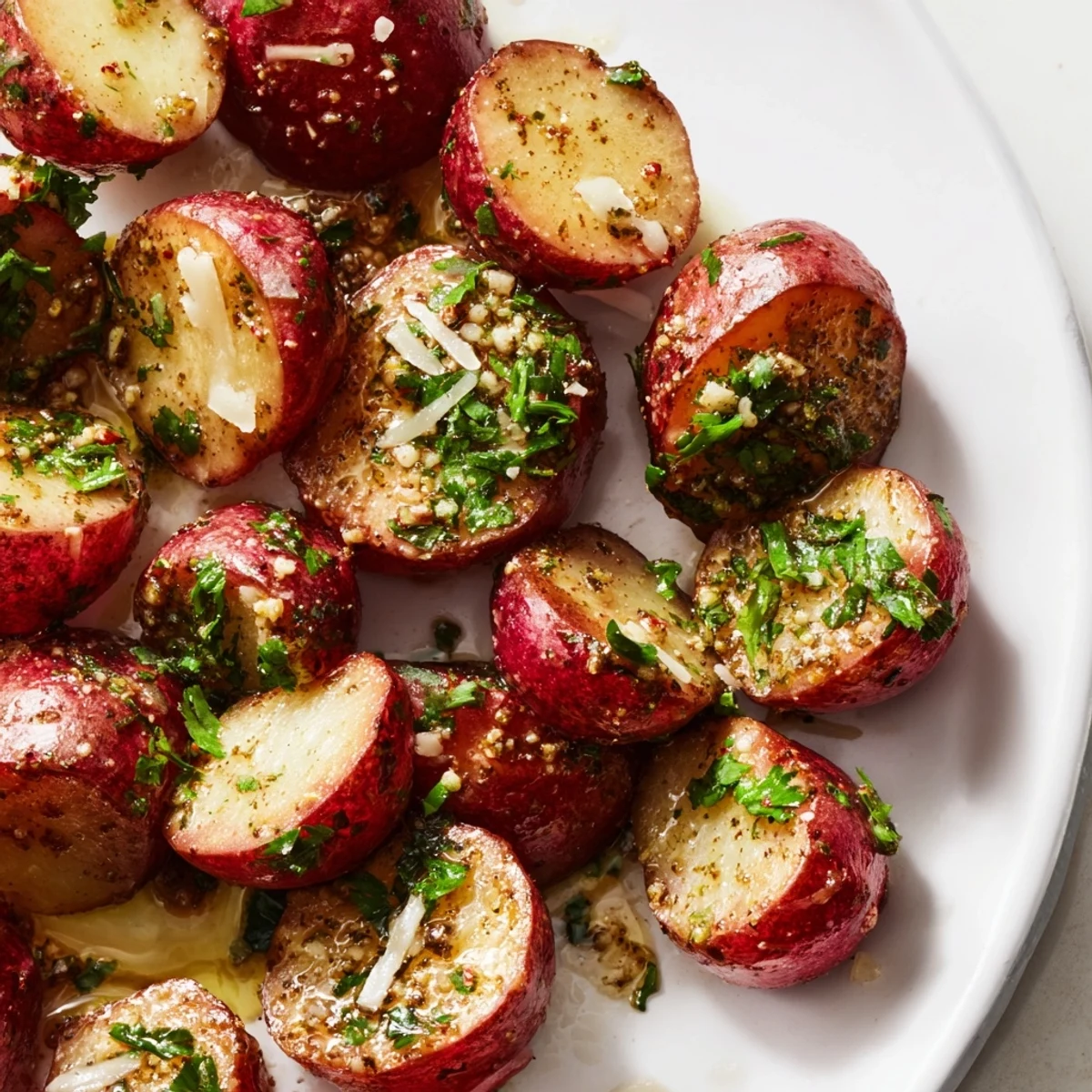
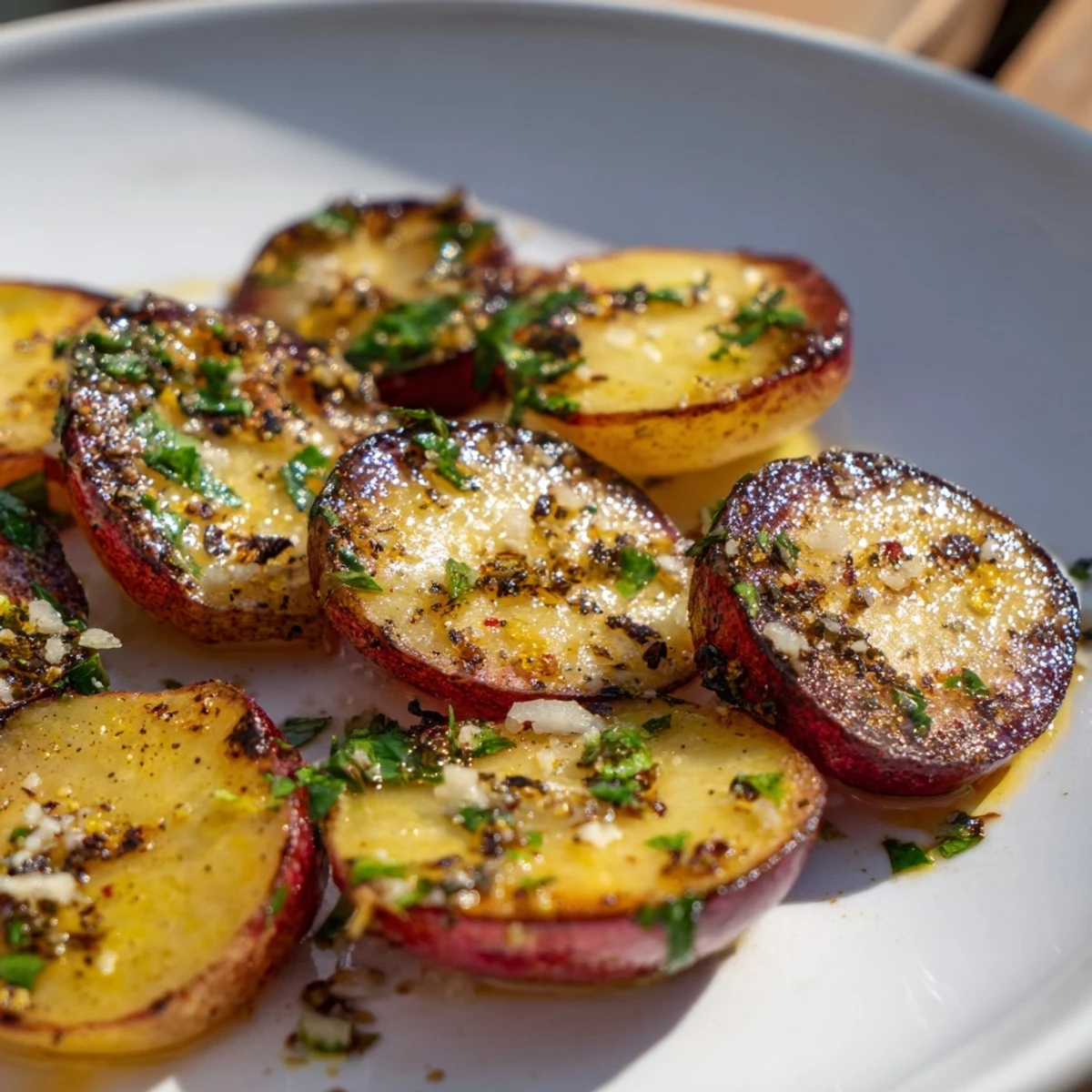
 These garlic roasted radishes offer a delightful transformation from sharp and crisp to tender and subtly sweet. The high-heat roasting process coaxes out natural sugars, creating beautiful caramelization while mellowing the radish's characteristic peppery bite. A generous coating of olive oil and minced garlic forms a savory crust, while the cut-side down placement ensures even browning and fork-tender texture.
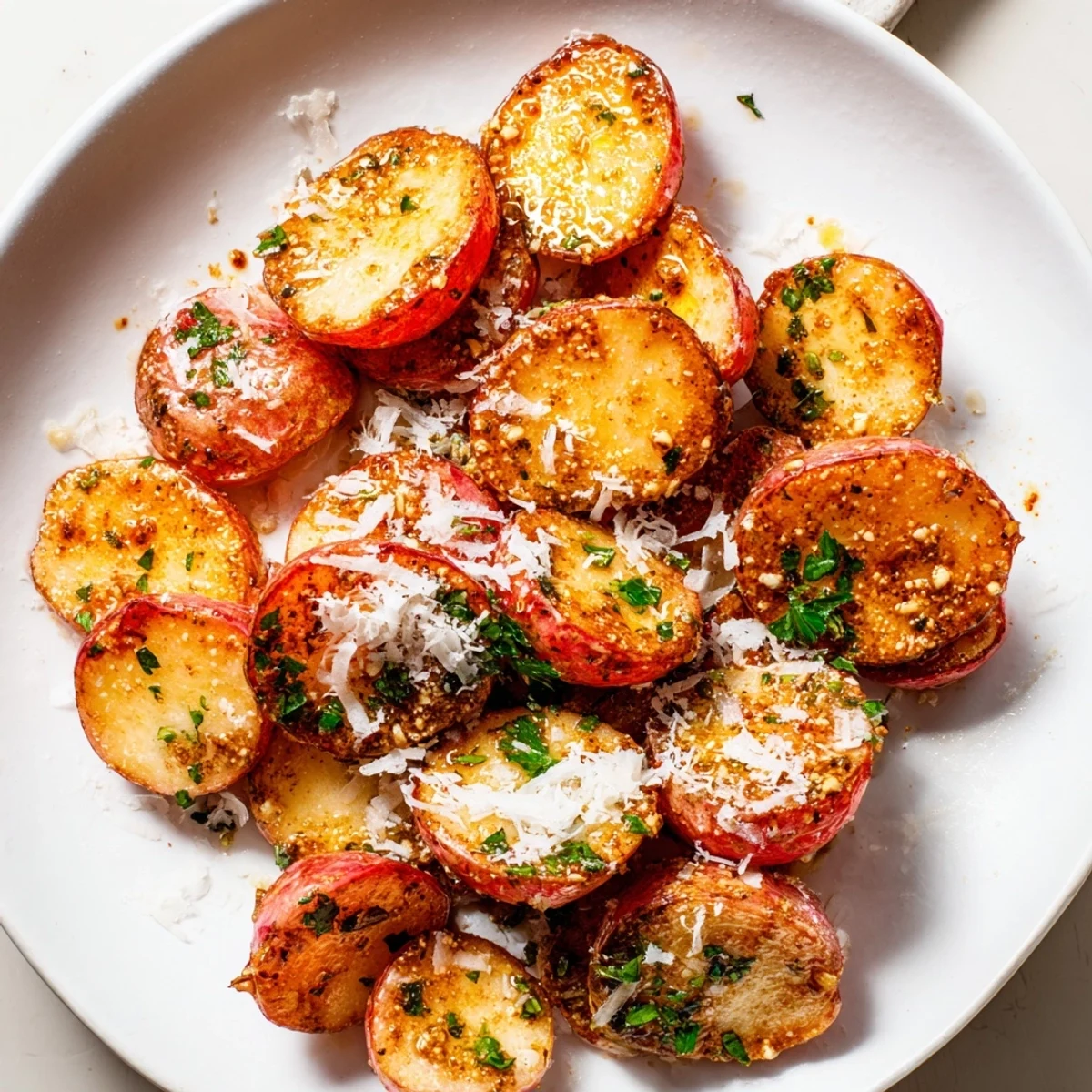
The result is an incredibly versatile side dish that pairs beautifully with roasted chicken, grilled fish, or serves as a satisfying low-carb alternative to potatoes. Fresh parsley adds bright color and herbaceous notes, while optional Parmesan contributes savory depth. The entire dish comes together in just 35 minutes with minimal active preparation, making it perfect for weeknight dinners or elegant enough for entertaining.
The farmer market radishes were almost too pretty to eat, those pink and white globes stacked like ornaments, but I bought two bunches anyway and roasted them with garlic on a whim that changed how I see this underappreciated vegetable forever.
My friend Lena stopped by unexpectedly that evening and kept sneaking radishes off the baking sheet before I could even plate them, which told me everything I needed to know about the recipe.
Ingredients
- 500 g fresh radishes, trimmed and halved: Smaller radishes roast more evenly and develop a sweeter, more concentrated flavor than oversized ones.
- 2 tbsp olive oil: A good quality oil helps the garlic adhere and creates those irresistible golden edges.
- 3 cloves garlic, minced: Fresh garlic is nonnegotiable here since it caramelizes alongside the radishes and infuses every bite.
- 1/2 tsp sea salt: Coarse salt draws out moisture and enhances the natural sweetness that emerges during roasting.
- 1/4 tsp freshly ground black pepper: A gentle warmth from freshly cracked pepper complements the mild bite of roasted radishes.
- 1 tbsp chopped fresh parsley: A bright finishing herb that lifts the whole dish and adds a pop of color.
- 1 tbsp grated Parmesan cheese (optional): A savory, salty sprinkle that makes the radishes feel almost indulgent.
Instructions
- Preheat the oven:
- Set your oven to 220 degrees Celsius (425 degrees Fahrenheit) and line a baking sheet with parchment paper so nothing sticks and cleanup stays simple.
- Season the radishes:
- Toss the halved radishes with olive oil, minced garlic, salt, and pepper in a mixing bowl until every piece glistens evenly and the garlic clings to the cut surfaces.
- Arrange for roasting:
- Spread the radishes cut side down in a single layer, giving each piece room to caramelize rather than steam against its neighbor.
- Roast until golden:
- Roast for 20 to 25 minutes, stirring once halfway through, until the edges turn golden and a fork slides through the centers with ease.
- Finish and serve:
- Transfer the hot radishes to a serving dish, scatter with fresh parsley and Parmesan if using, and bring them to the table while still warm and fragrant.
 Save to Pinterest
 Somewhere between the first batch and the tenth, roasted radishes stopped being an experiment and became the side dish I reach for when I want something effortless but genuinely special.
Best Ways to Serve Them
These golden radishes sit beautifully next to roasted chicken thighs or a simple grilled fish fillet, soaking up the juices from whatever main they accompany.
Swaps and Variations
Chives or dill work just as well as parsley if that is what your garden or fridge offers, and each herb shifts the flavor profile enough to make the dish feel new again.
Storing and Reheating Leftovers
Leftovers keep well in an airtight container in the refrigerator for up to three days and reheat nicely in a hot oven or air fryer to restore their caramelized edges.
- Avoid microwaving if you want to preserve the texture that makes them so appealing.
- Toss cold leftovers into a grain bowl or salad for an unexpectedly good lunch.
- Always taste before adding more salt since the Parmesan continues to season as it sits.
 Save to Pinterest
 Once you roast radishes this way, you will never look at them the same, and that quiet little transformation is exactly what makes cooking worth it.
Frequently asked questions about this recipe
- → Do roasted radishes taste like potatoes?
-
Roasted radishes develop a milder, slightly sweet flavor that's reminiscent of potatoes or turnips. The sharp peppery bite diminishes significantly during roasting, leaving tender, buttery-textured bites that absorb seasonings beautifully. While they maintain a subtle radish character, they make an excellent low-carb potato substitute.
- → Should I peel radishes before roasting?
-
No, peeling isn't necessary or recommended. The skin becomes tender during roasting and adds texture. Simply trim the tops and root ends, then halve them. A quick rinse and thorough drying ensures proper caramelization and prevents steaming.
- → Why are my roasted radishes mushy?
-
Mushy texture usually results from overcrowding the baking sheet or insufficient oven temperature. Arrange radishes cut-side down in a single layer with space between pieces. The high oven temperature (425°F) and proper spacing promote caramelization rather than steaming, yielding tender yet structurally intact results.
- → Can I prepare roasted radishes ahead of time?
-
You can trim and halve radishes up to a day in advance, storing them in water to prevent drying. However, for best results, roast them just before serving. Reheated roasted radishes lose some of their appealing texture and golden exterior color.
- → What herbs work well with roasted radishes?
-
Fresh parsley provides classic bright flavor and color. Chives offer mild onion notes, while dill complements the slightly sweet profile. Thyme, rosemary, or oregano work beautifully during roasting. Toss herbs with the radishes immediately after cooking to preserve their vibrant flavor and aroma.
- → How do I know when roasted radishes are done?
-
Roasted radishes are ready when they're fork-tender and golden brown, typically after 20-25 minutes at 425°F. The cut sides should show deep caramelization, and the flesh should yield easily to a fork. Avoid overcooking, as they can become overly soft and lose their structure.