
 Save to Pinterest
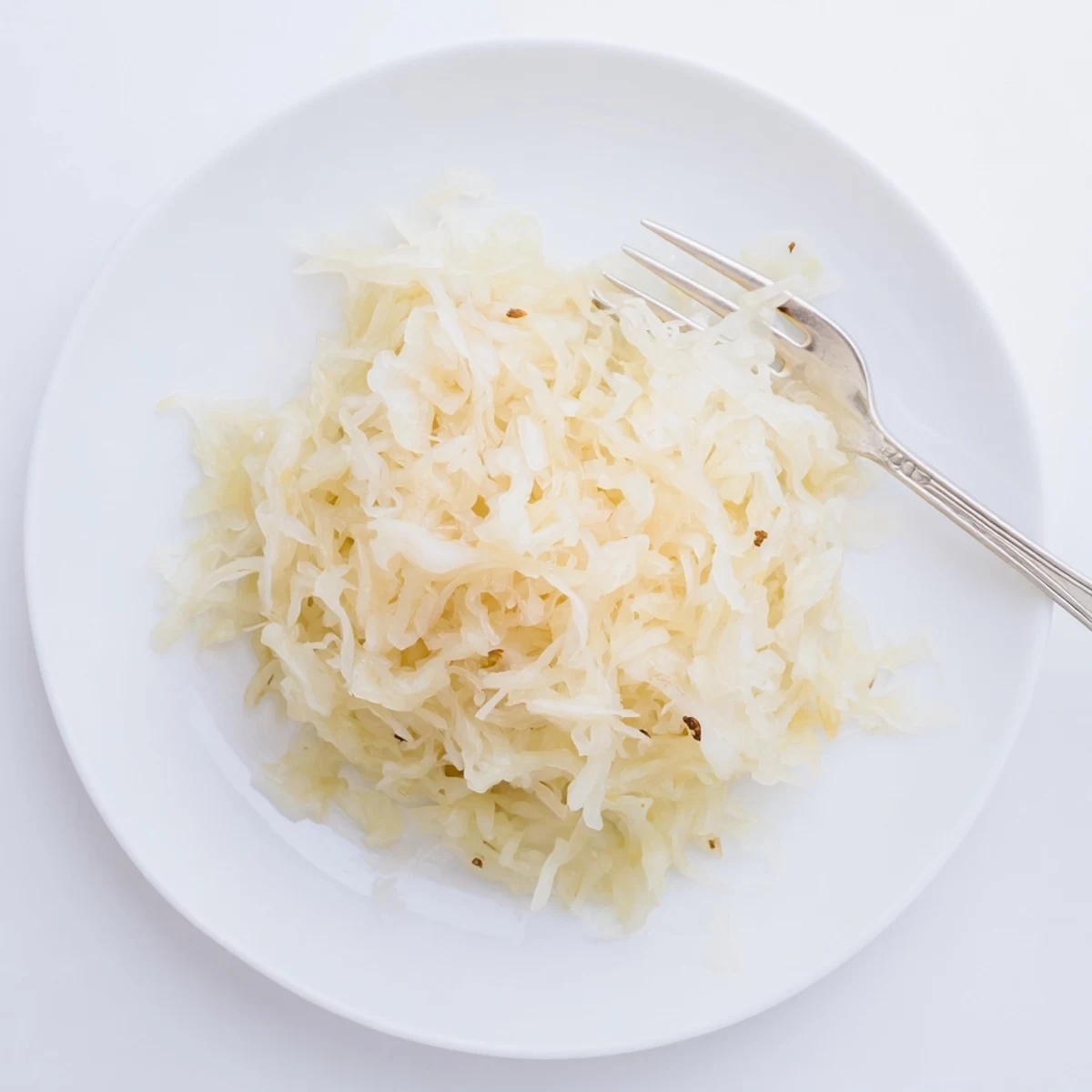
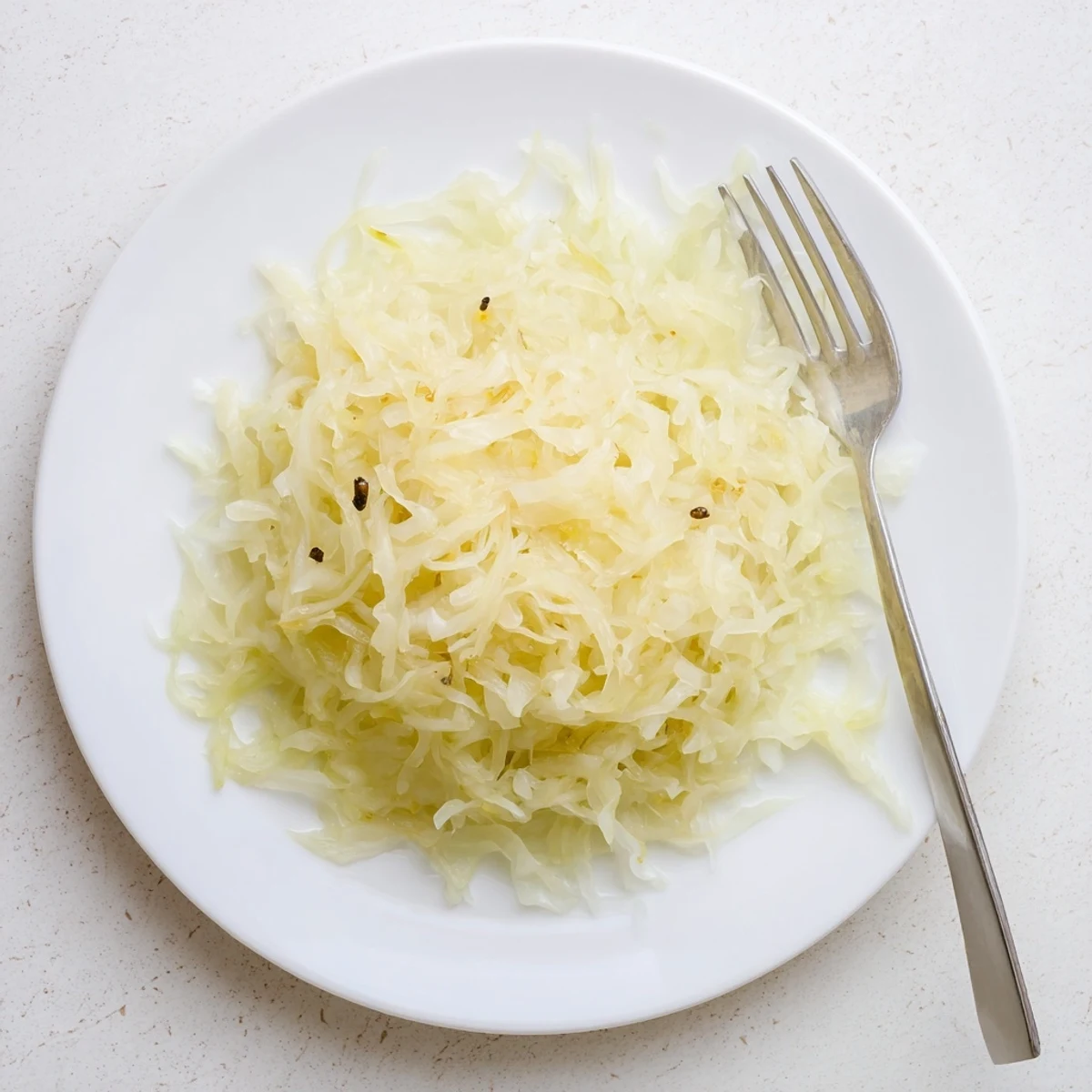
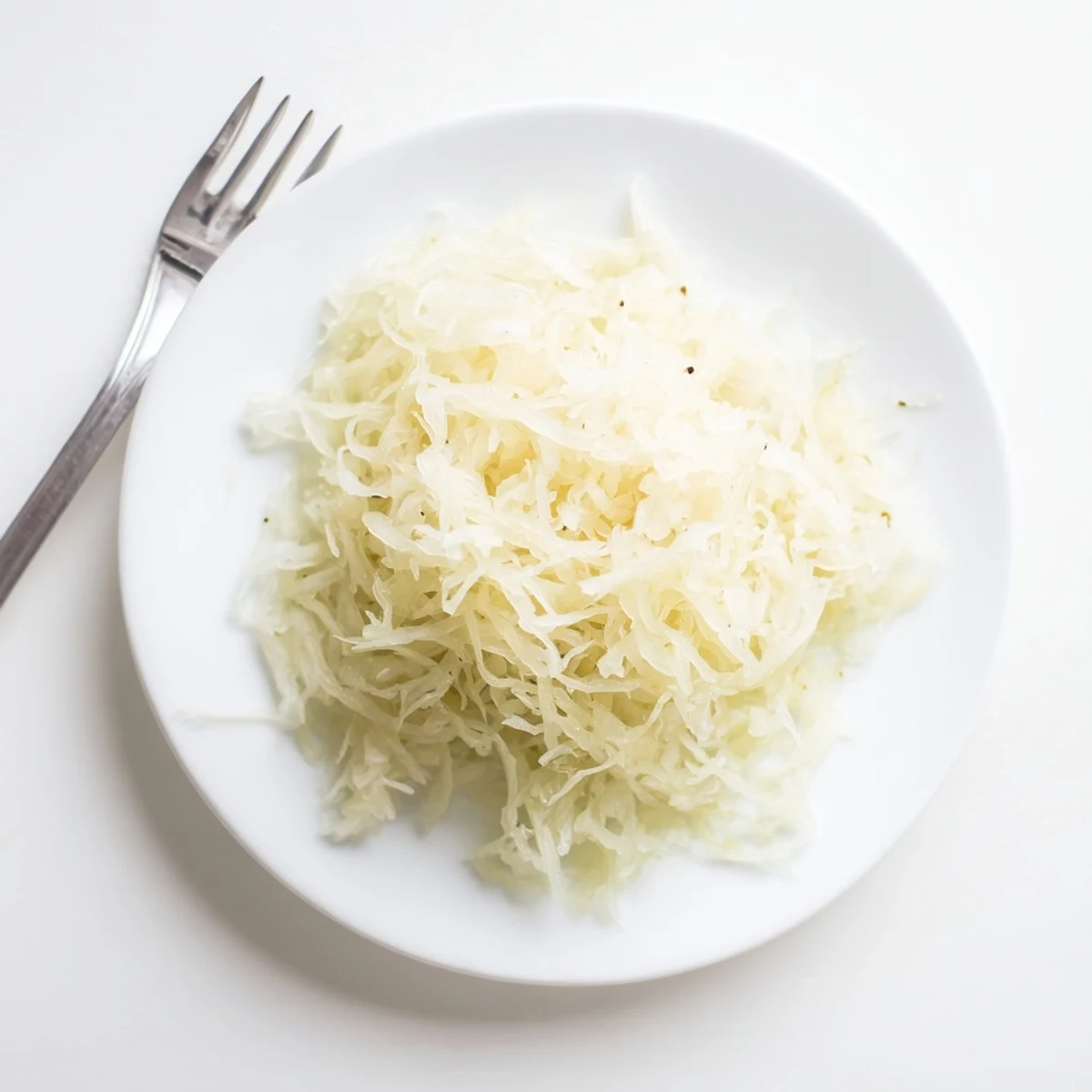
 Create authentic German sauerkraut through simple fermentation. Thinly slice 2kg cabbage, massage with 30g sea salt until juices release, then pack into sterilized jars submerged in liquid. Let ferment at room temperature for 7-21 days, developing tanginess and beneficial probiotics. The process yields approximately 2 liters of versatile condiment that enhances traditional meals while supporting digestive health.
The smell hit me before I even opened the jar, sharp and electric, like something alive was waiting inside.
My neighbor Helga watched me struggle with a rolling pin trying to pound cabbage into a jar and laughed so hard she brought over her own ceramic crock the next morning to show me how it was really done.
Ingredients
- White cabbage (2 kg): Choose a head that feels heavy and dense for its size with tightly packed pale green leaves.
- Fine sea salt (30 g, about 2 tablespoons): Avoid iodized table salt because iodine can interfere with the fermentation process.
- Caraway seeds (1 tablespoon, optional): These add a warm earthy note that pairs beautifully with the tang of fermented cabbage.
- Grated carrot or thinly sliced apple (optional): A small amount adds natural sweetness and a lovely golden hue to the finished kraut.
Instructions
- Prep the cabbage:
- Peel away any wilted or damaged outer leaves and set one good leaf aside for later. Quarter the cabbage, cut out the tough core, and slice the quarters into shreds as thin as your patience allows.
- Salt and massage:
- Toss the shredded cabbage with salt in a large bowl, then work it with your hands for five to ten minutes until it softens and pools of liquid collect at the bottom.
- Add extras if you like:
- Stir in caraway seeds, grated carrot, or sliced apple now so their flavors ferment right alongside the cabbage.
- Pack it tight:
- Transfer everything including the juice into a sterilized crock or jar and press down hard with your fists until the liquid rises above the cabbage.
- Keep it submerged:
- Place a fermentation weight or a water filled jar on top, then lay the reserved cabbage leaf over the surface to hold small pieces down.
- Cover and wait:
- Drape a clean cloth over the top or use a fermentation lid so gases escape while bugs stay out, then set the jar in a cool dark spot between 18 and 22 degrees Celsius.
- Taste and decide:
- Start checking after seven days by dipping a clean spoon into the brine for a taste, and let it go longer if you want more punch.
- Refrigerate when ready:
- Once the tang hits the level you like, move the jar to the fridge where fermentation slows almost to a stop and flavors stay bright.
 Save to Pinterest
 Helga told me that every batch of sauerkraut tastes slightly different because the bacteria in your kitchen are unique to your home, which made me feel like my apartment had its own terroir.
Getting the Salt Right
Too little salt and unwanted bacteria take over before the good ones can establish themselves.
Temperature and Patience
Warmer rooms speed up fermentation but can also produce uneven results, while cooler rooms give you a cleaner more complex flavor over a longer wait.
Serving and Storing
Finished sauerkraut keeps for months in the refrigerator and actually improves in flavor during the first few weeks of cold storage.
- Try it alongside grilled sausages with a dollop of mustard for a simple weeknight dinner.
- A glass of dry Riesling cuts through the acidity beautifully if you want to go full German.
- Always use a clean fork to pull kraut from the jar to avoid introducing new bacteria.
 Save to Pinterest
 There is something deeply satisfying about transforming a humble cabbage into something complex and alive with nothing more than salt and time.
Frequently asked questions about this recipe
- → How do I know when my sauerkraut is ready?
-
Taste your sauerkraut after 7 days of fermentation. If it has reached your desired level of tanginess, transfer it to the refrigerator. For more pronounced sour flavor, continue fermenting up to 21 days, checking every few days.
- → What should I do if mold appears on top?
-
Surface mold can occur if cabbage isn't fully submerged. Remove any moldy portions and the top layer. Ensure remaining cabbage stays under liquid with proper weights. The fermentation process creates acidic conditions that prevent harmful bacteria growth.
- → Can I add other vegetables or spices?
-
Absolutely. While traditional sauerkraut uses only cabbage and salt, you can enhance flavor with caraway seeds, juniper berries, bay leaves, grated carrot, or thinly sliced apple. Add these during the mixing step before packing into jars.
- → Why is my sauerkraut too salty?
-
The salt-to-cabbage ratio is crucial for proper fermentation and preservation. If too salty, you can rinse before serving, but this may reduce beneficial bacteria. For future batches, ensure accurate measurements of 30g salt per 2kg cabbage.
- → How long does sauerkraut last in the refrigerator?
-
Properly fermented and refrigerated sauerkraut can last 6-12 months. The cold temperature significantly slows fermentation. Always use clean utensils when serving to prevent contamination and ensure the cabbage remains submerged in liquid.