
 Save to Pinterest
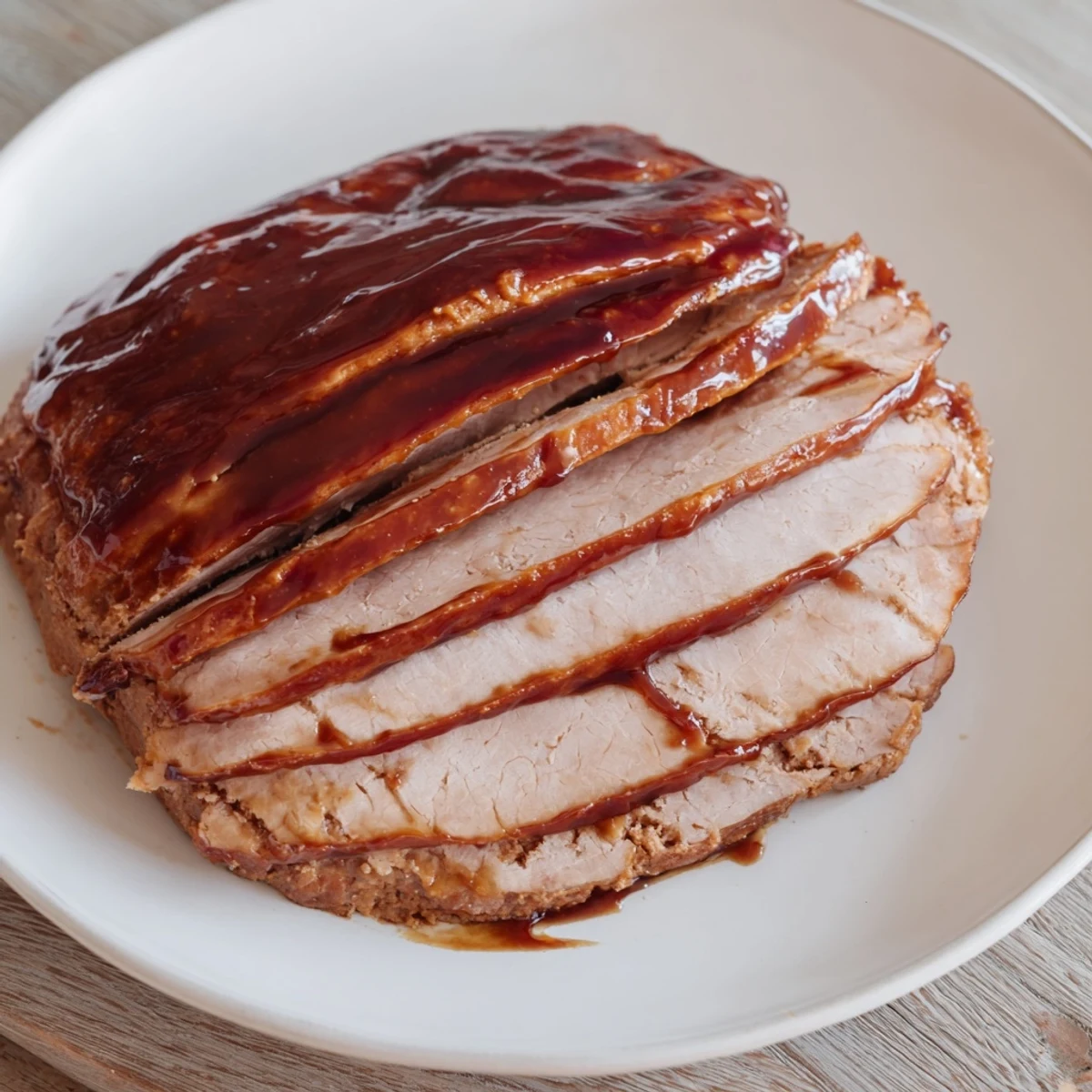
 This plant-based gammon-free roast blends vital wheat gluten and chickpeas with smoky spices and a rich glaze. Simmered gently then roasted to a golden, sticky finish, it creates a hearty centerpiece full of savory depth and sweetness. Its versatile ingredients and techniques deliver a satisfying texture and festive flavors without traditional meats, perfect for plant-based Sunday dinners or special occasions. Serve warm with roasted sides for a complete meal.
I pulled this roast from the oven on a rainy November evening, and the whole kitchen smelled like cloves and caramelized sugar. My partner walked in, stopped mid-sentence, and just stared at the golden, glossy thing sitting on the tray. It was the first time I'd managed to make something plant-based look this impressive, and honestly, I was a little proud.
The first time I served this was at a dinner party where half the guests were skeptical about plant-based mains. I watched them take cautious first bites, then go back for seconds without saying much. By the end of the night, someone asked if I'd share the recipe, and I knew I'd nailed it.
Ingredients
- Vital wheat gluten: This is what gives the roast its meaty texture, and kneading it properly makes all the difference in getting that chewy, satisfying bite.
- Chickpeas: Mashing them into the dough adds moisture and a subtle earthiness that keeps the roast from feeling too dense.
- Nutritional yeast: It brings a savory, almost cheesy depth that rounds out the flavor without being obvious.
- Smoked paprika: A gentle smokiness that reminds you of slow-cooked meats, especially when it mingles with the glaze.
- Vegetable stock: Use a good one here, it soaks into the roast during simmering and builds flavor from the inside out.
- Brown sugar and maple syrup: Together they create a glaze that caramelizes beautifully and clings to every edge.
- Dijon mustard: Sharp and tangy, it cuts through the sweetness and adds a grown-up edge to the glaze.
- Apple cider vinegar: A splash of brightness that keeps the glaze from becoming too heavy or one-note.
- Ground cloves: Just half a teaspoon, but it makes the whole thing smell like a holiday table.
Instructions
- Mix the dry base:
- Combine the vital wheat gluten, mashed chickpeas, nutritional yeast, and all the spices in a large bowl. It should smell warm and savory, like the start of something good.
- Bring it together:
- Whisk the wet ingredients in a separate bowl, then pour them into the dry mix. Stir until it clumps into a shaggy dough, then knead for a few minutes until it feels smooth and elastic.
- Shape and wrap:
- Form the dough into a log shape, not too tight, and wrap it snugly in foil or parchment. This keeps it firm while it simmers.
- Simmer gently:
- Lower the wrapped roast into simmering stock with bay leaves and onion. Let it cook for an hour, turning it once halfway through so it cooks evenly.
- Prepare the glaze:
- While the roast simmers, mix the glaze ingredients in a small pan and let it bubble for a few minutes. It should thicken just enough to coat the back of a spoon.
- Glaze and roast:
- Unwrap the roast, place it on a lined tray, and brush it generously with glaze. Roast for 20 minutes, brushing again halfway through until it turns golden and sticky.
- Rest and slice:
- Let it sit for 10 minutes before cutting. This helps it hold together and makes slicing clean and easy.
 Save to Pinterest
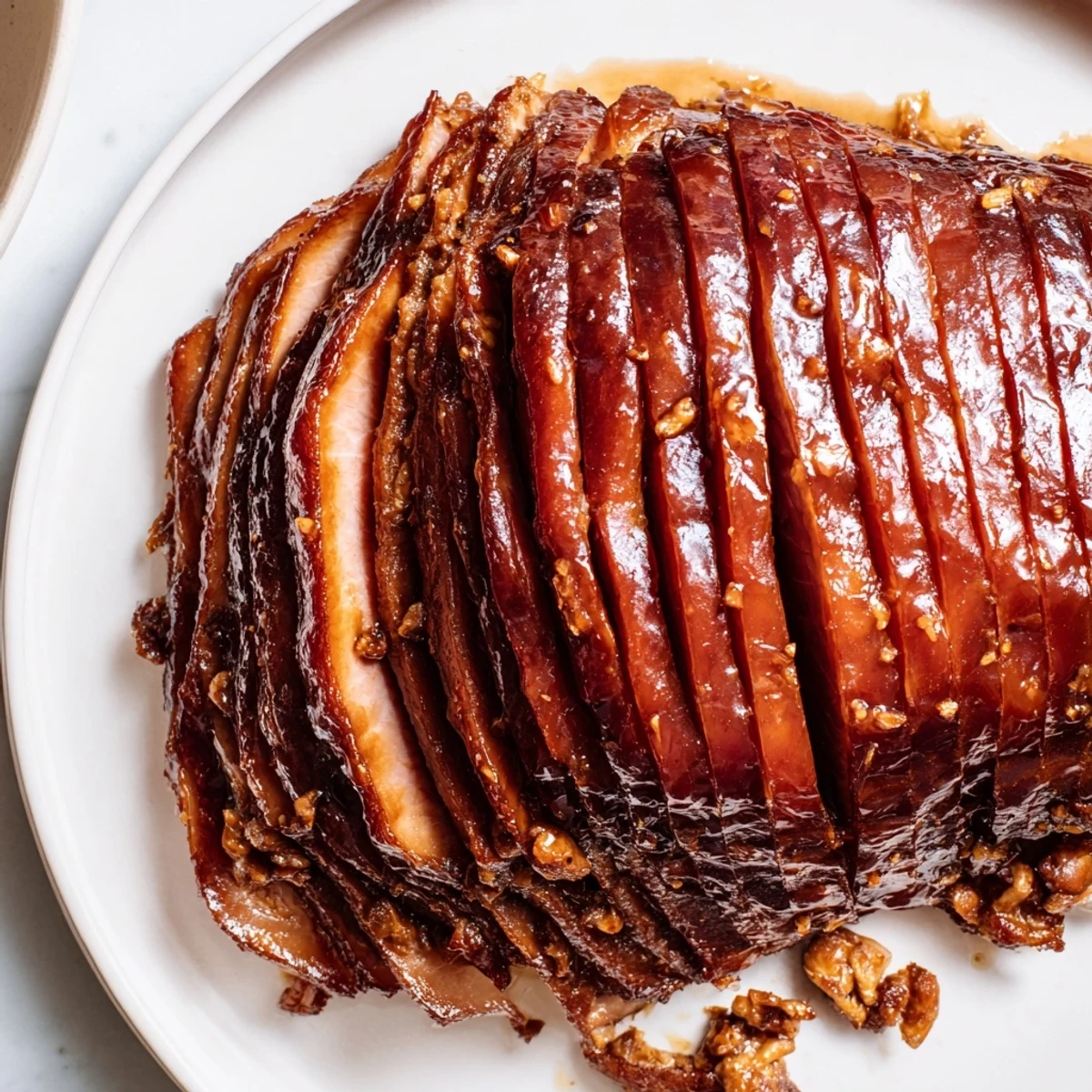
 I remember slicing into this roast the second time I made it, and the layers held perfectly. My friend leaned over the table and said it reminded her of the roasts her grandmother used to make, and suddenly it felt like more than just dinner.
How to Get the Best Texture
The key is in the kneading and the simmering. Knead until the dough feels tight and springy, not soft and sticky. When you simmer it, keep the heat low and steady so the roast firms up without turning rubbery. If you rush either step, the texture suffers, and you'll notice it when you slice.
What to Serve It With
I like to plate this with crispy roasted potatoes, buttered green beans, and a spoonful of tangy cranberry sauce on the side. A glass of fruity red wine ties it all together, and honestly, it feels like a proper feast without much fuss.
Making It Ahead
You can simmer the roast a day in advance and keep it wrapped in the fridge. When you're ready to serve, just unwrap it, glaze it, and roast it fresh. The glaze also keeps well in a jar for up to a week, so you can make it earlier and reheat it gently before brushing.
- Simmered roast stores well in the fridge for up to three days before glazing.
- Leftover slices reheat beautifully in a hot pan with a little extra glaze.
- Freeze the unglazed roast for up to a month, then thaw and glaze when needed.
 Save to Pinterest
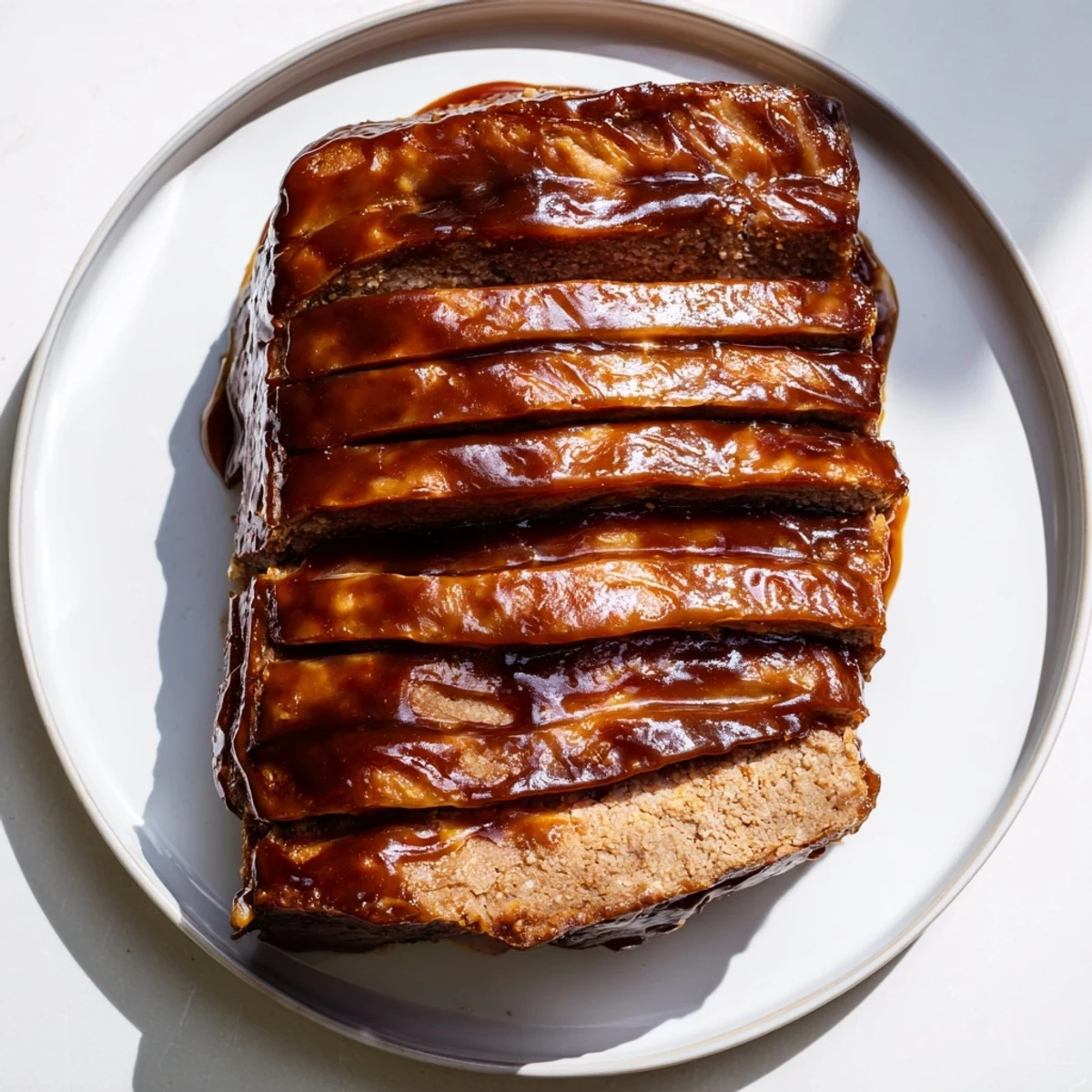
 This roast has become my go-to when I want to impress without stressing. It tastes like effort, but once you've made it once, it feels easy every time after.
Frequently asked questions about this recipe
- → What gives the roast its smoky flavor?
-
The combination of smoked paprika and optional liquid smoke adds a rich, smoky depth to the roast.
- → How is the glaze prepared and applied?
-
The glaze is simmered briefly to thicken and brushed generously on the roast before and during roasting for a sticky, flavorful finish.
- → Can this dish be made gluten-free?
-
Yes, substitute vital wheat gluten with a blend of beans, nuts, and oats designed for gluten-free roasting.
- → What texture can be expected from the roast?
-
The vital wheat gluten provides a firm yet elastic texture that mimics the chewiness of traditional roasts.
- → How long should the roast rest before slicing?
-
Allow the roast to rest for 10 minutes after roasting to let juices redistribute for better slicing and flavor.
- → What sides complement this glazed roast best?
-
Roasted potatoes, steamed green beans, and fruity red wine pair wonderfully alongside for a balanced meal.