
 Save to Pinterest
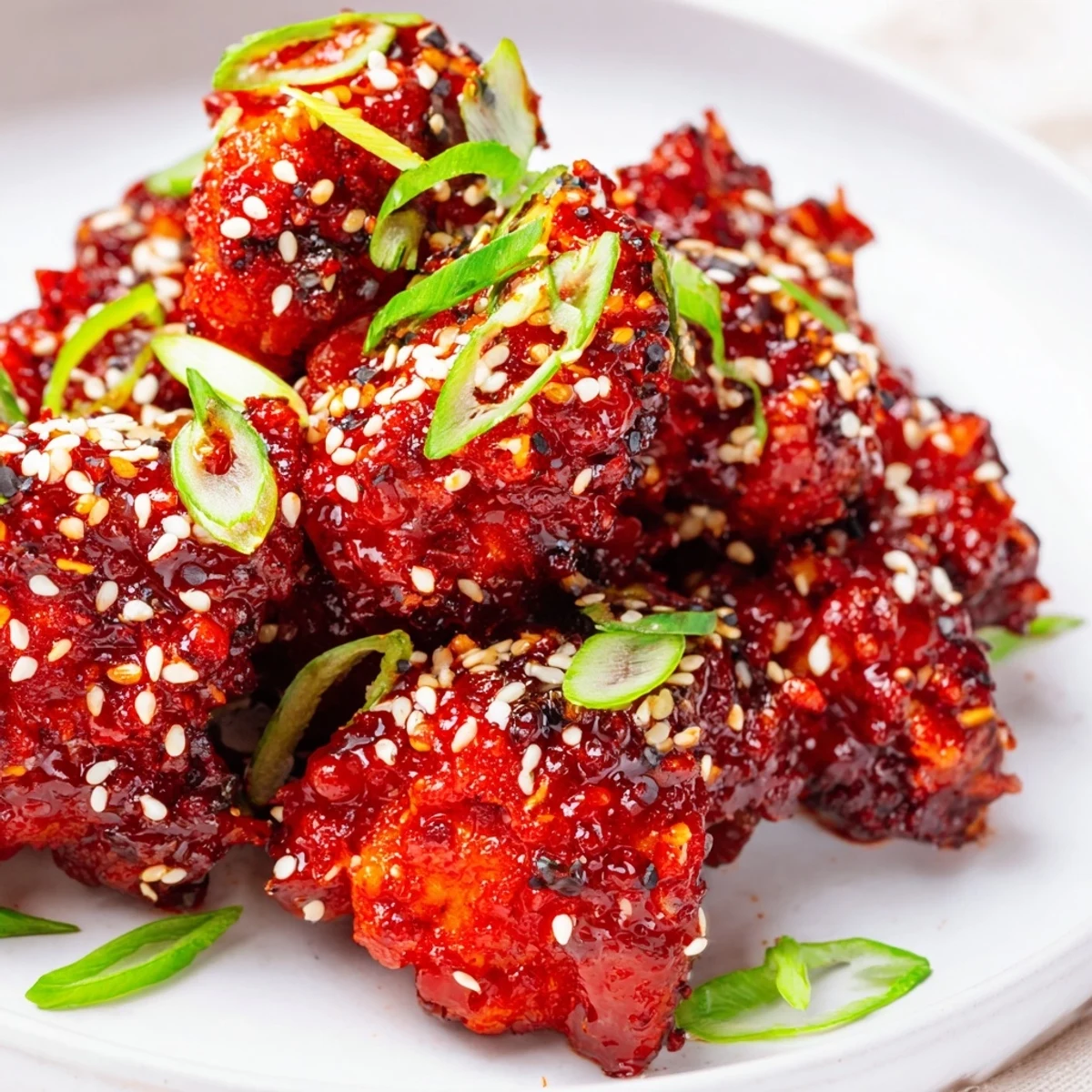
 Experience the perfect balance of spicy and sweet with this Korean-inspired chicken dish. Boneless thighs marinate in a rich gochujang sauce featuring honey, soy sauce, sesame oil, garlic, and fresh ginger. After marinating, the chicken sears to golden perfection while the sauce reduces to a sticky, caramelized glaze that coats every piece.
The entire process takes just 40 minutes, making it ideal for weeknight dinners. Serve over steamed rice to soak up the flavorful sauce, and garnish with fresh green onions and sesame seeds for added texture and nuttiness.
Adjust the heat level by adding gochugaru (Korean chili flakes) or keep it family-friendly as written. The marinade can be prepared ahead, and the dish reheats beautifully for lunch the next day.
The first time gochujang entered my kitchen, I underestimated its power. One spoonful turned a Tuesday night dinner into something that made my roommate pause mid-bite and ask what kind of magic was happening on her plate. That deep, fermented chili flavor hits differently than anything else in the condiment aisle.
Last winter, I made this for a friend who swore she hated spicy food. She watched suspiciously as the chicken hit the heat, the sauce bubbling up into these gorgeous dark red bubbles. Two servings later, she was asking if gochujang comes in bulk sizes.
Ingredients
- Chicken thighs: Thighs stay juicy through high-heat cooking and absorb the marinade better than breasts ever could.
- Gochujang: This Korean chili paste is the heart of the dish—look for one with good fermentation depth, not just heat.
- Honey and brown sugar: The double sweetness tames the chili heat and helps create that gorgeous caramelized glaze.
- Sesame oil: Just enough adds that distinct nutty aroma that makes your kitchen smell like a proper Korean restaurant.
- Fresh ginger and garlic: Don't even think about using the powdered stuff—fresh brings the bright, zesty notes this sauce needs.
Instructions
- Whisk together your sauce base:
- Combine gochujang, soy sauce, sesame oil, honey, rice vinegar, garlic, ginger, brown sugar, and pepper in a large bowl until completely smooth and incorporated.
- Marinate the chicken:
- Toss the chicken pieces in the sauce until every surface is coated, then cover and let them sit for at least 15 minutes while you prep everything else.
- Sear to perfection:
- Heat your skillet until it's properly hot, add the chicken in a single layer without overcrowding, and let it develop that dark caramelized crust before flipping.
- Finish with the glaze:
- Pour in any remaining marinade and let it bubble away until it thickens into a glossy coating that clings to every piece.
 Save to Pinterest
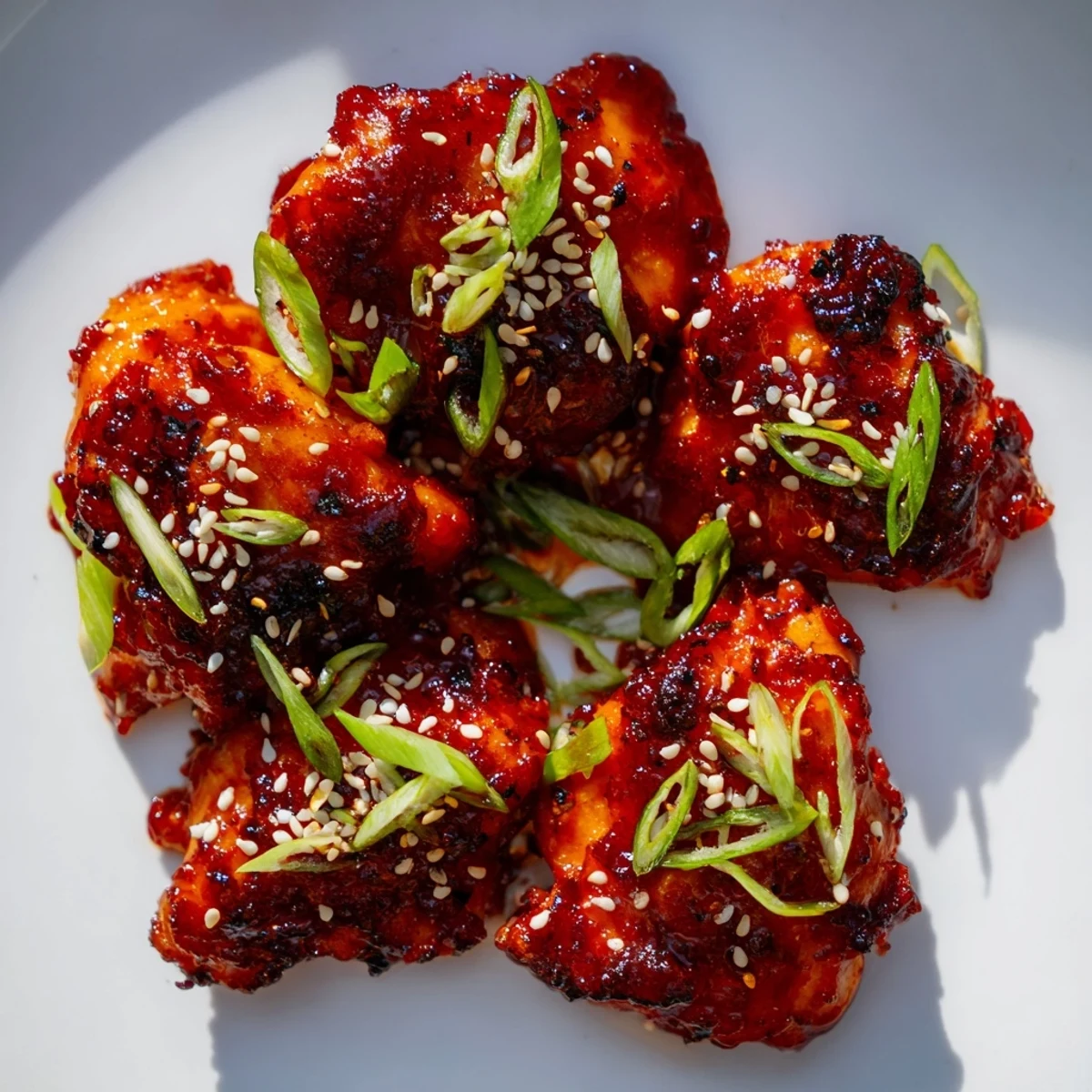
 This recipe has become my answer to every 'what should I bring to dinner party' question. There's something universally satisfying about that sweet-spicy glaze that works whether you're feeding adventurous eaters or spice-averse skeptics.
Getting The Right Heat Level
Gochujang brands vary wildly in their heat intensity, so taste your marinade before adding the chicken. Some milder versions might welcome a teaspoon of gochugaru (Korean chili flakes) while others bring enough fire on their own.
Side Dishes That Work
Steamed rice is the classic choice for a reason—it soaks up every drop of that precious sauce. But I've also served this alongside quick-pickled cucumbers, roasted broccoli, or even just a simple green salad dressed with sesame vinaigrette.
Make Ahead Strategy
The marinade can be mixed up to two days ahead and stored in the refrigerator. Actually, the flavors meld even better with that extra time, just bring it to room temperature before adding the chicken.
- Chicken thighs freeze beautifully in the marinade for future weeknight emergencies.
- Double the sauce portion and keep some in a jar for drizzling over rice bowls or roasted vegetables.
- The leftover chicken (if there is any) reheats surprisingly well the next day.
 Save to Pinterest
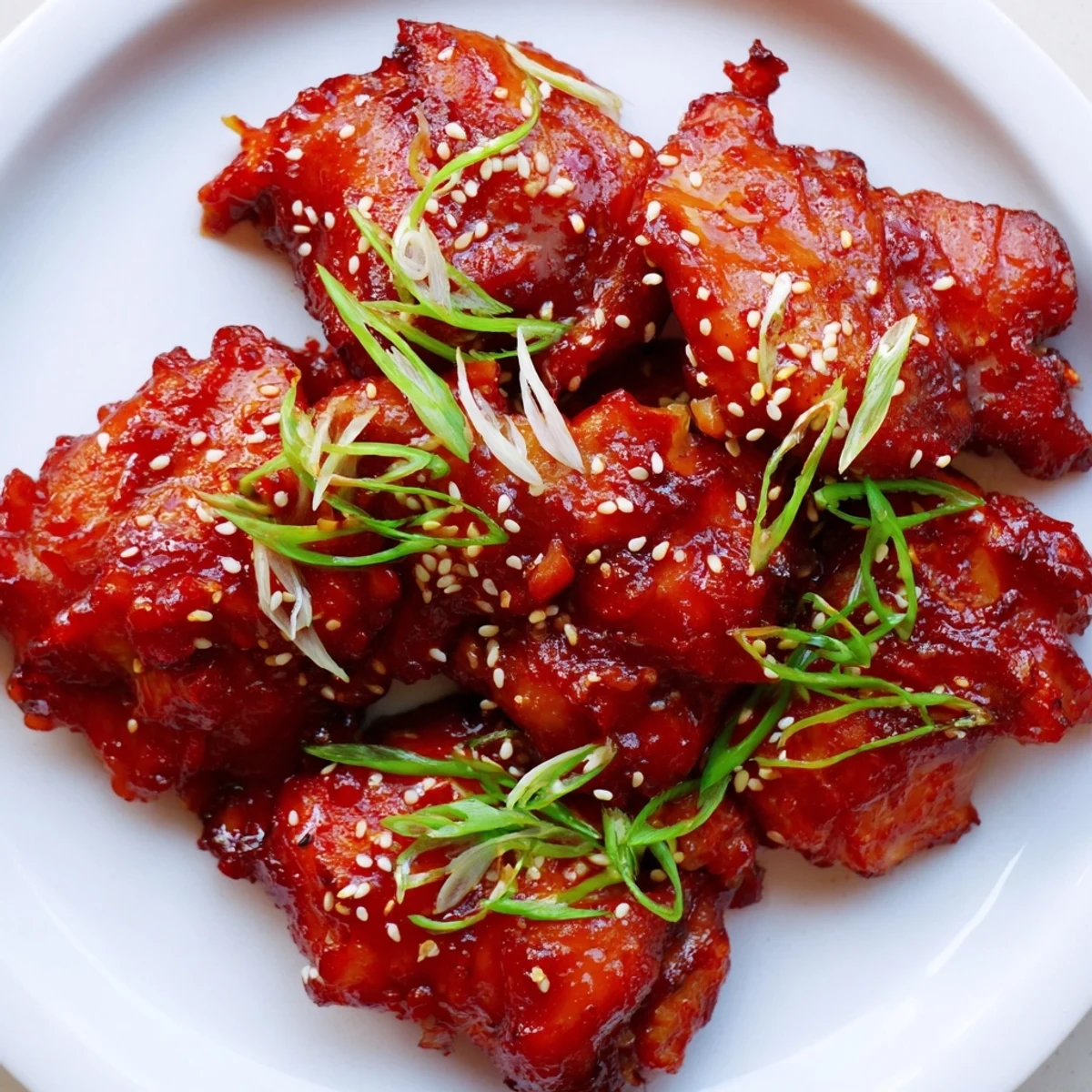
 Garnish generously with those green onions and sesame seeds—they add the fresh crunch and nutty finish that takes this from great to absolutely memorable.
Frequently asked questions about this recipe
- → How spicy is gochujang chicken?
-
The heat level is moderate—gochujang brings a gentle warmth rather than overwhelming spice. The honey and brown sugar balance the chili heat, creating approachable flavor. For more intensity, add Korean chili flakes to the marinade.
- → Can I use chicken breasts instead of thighs?
-
Absolutely. Chicken breasts work well—just reduce cooking time slightly to prevent drying. Thighs naturally stay juicier, but breasts marinated in the sauce will remain tender if not overcooked.
- → What can I substitute for gochujang?
-
For closest results, mix Sriracha with miso paste and a touch of tomato paste. Alternatively, combine red pepper flakes with soy sauce and sugar. The flavor profile won't be identical but still delivers sweet-spicy notes.
- → How long should I marinate the chicken?
-
Fifteen minutes minimum works, but 1-2 hours yields deeper flavor penetration. The tenderizing effect of the marinade helps the sauce cling better during cooking. Avoid exceeding 4 hours as the texture may become mushy.
- → What sides pair well with this dish?
-
Steamed white rice soaks up the sauce beautifully. For contrast, serve with pickled vegetables, cucumber salad, or kimchi. Roasted broccoli or sautéed bok choy also complements the rich flavors.
- → Is gochujang gluten-free?
-
Traditional gochujang often contains wheat. Look for certified gluten-free versions if avoiding gluten. Tamari replaces soy sauce easily, and all other ingredients naturally contain no gluten.