
 Save to Pinterest
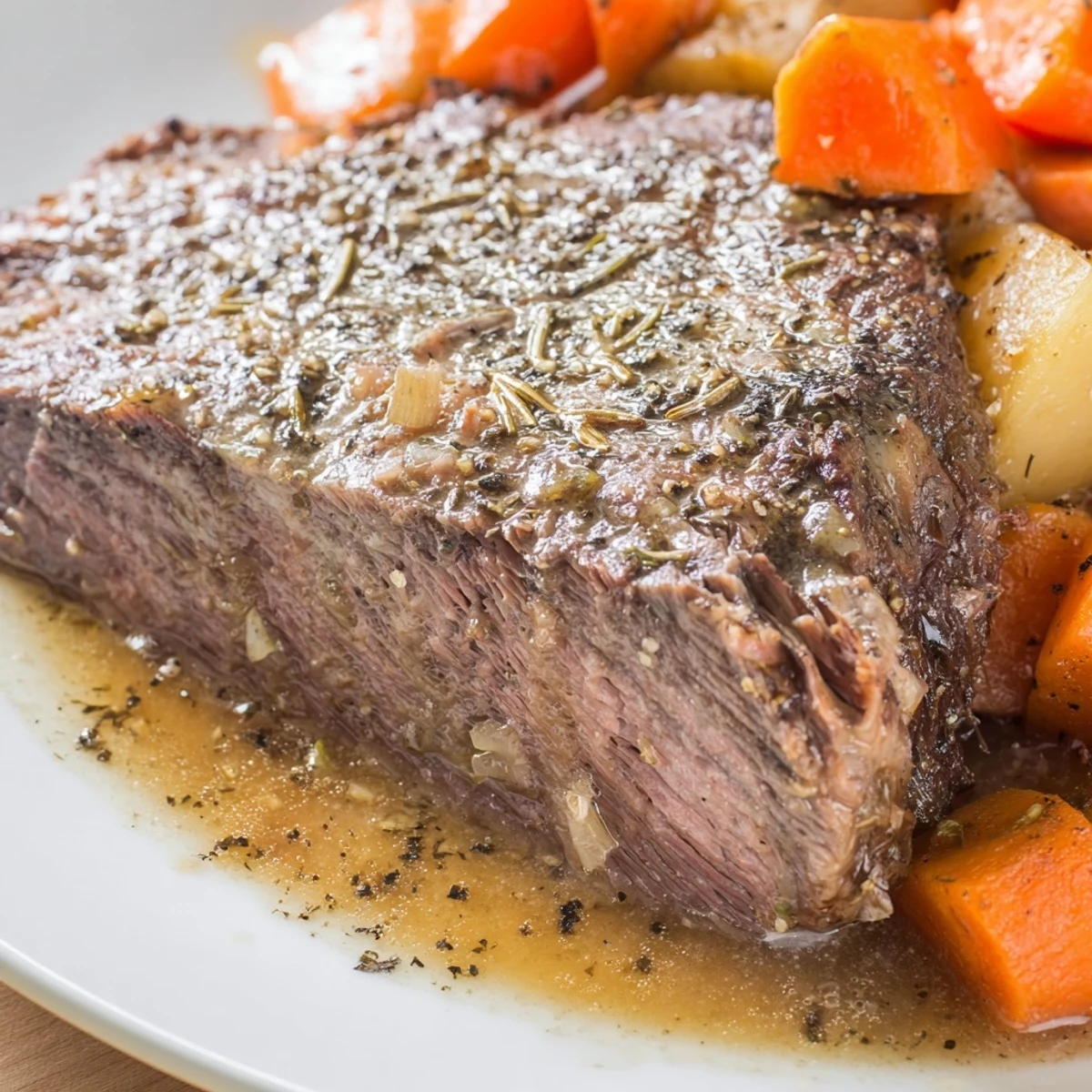
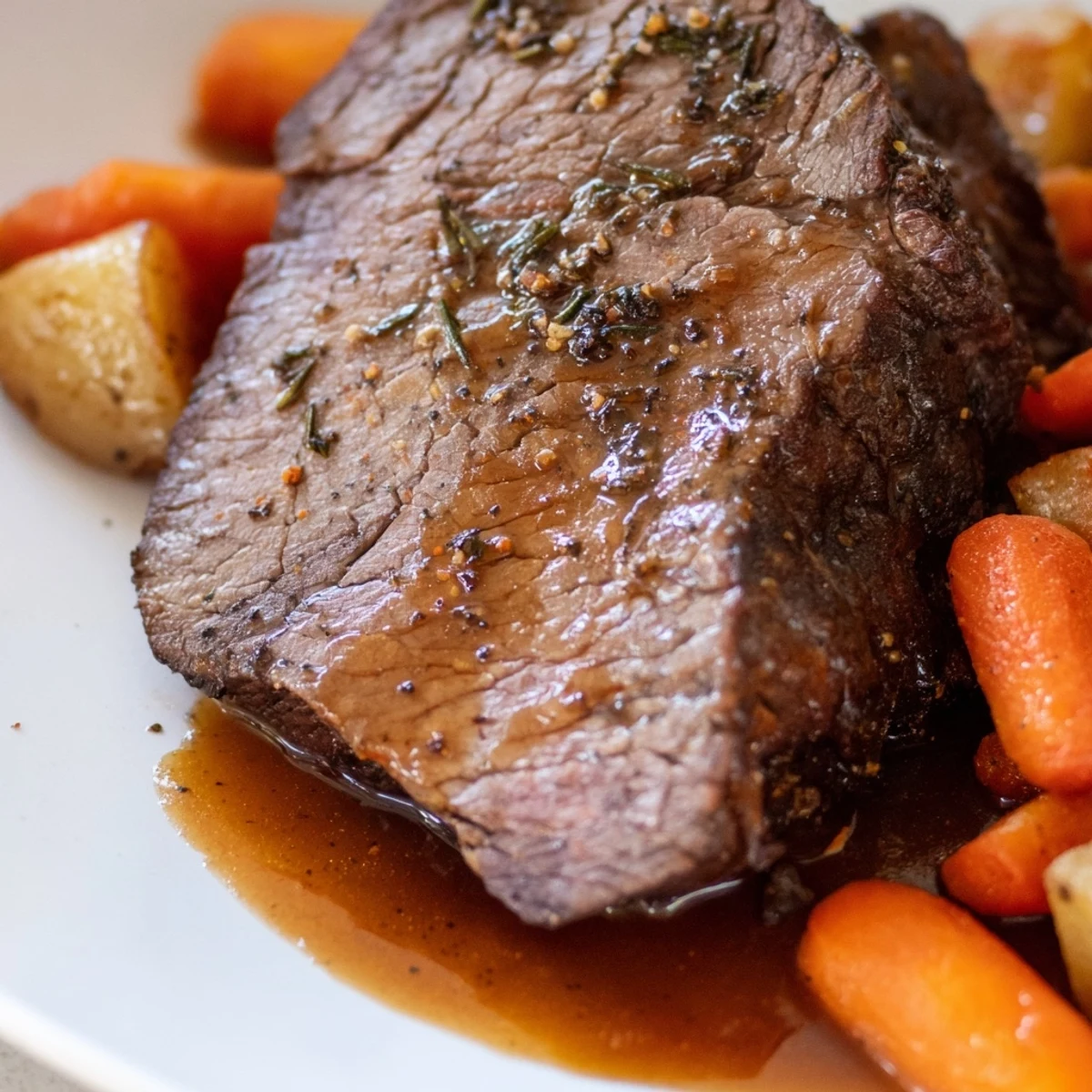
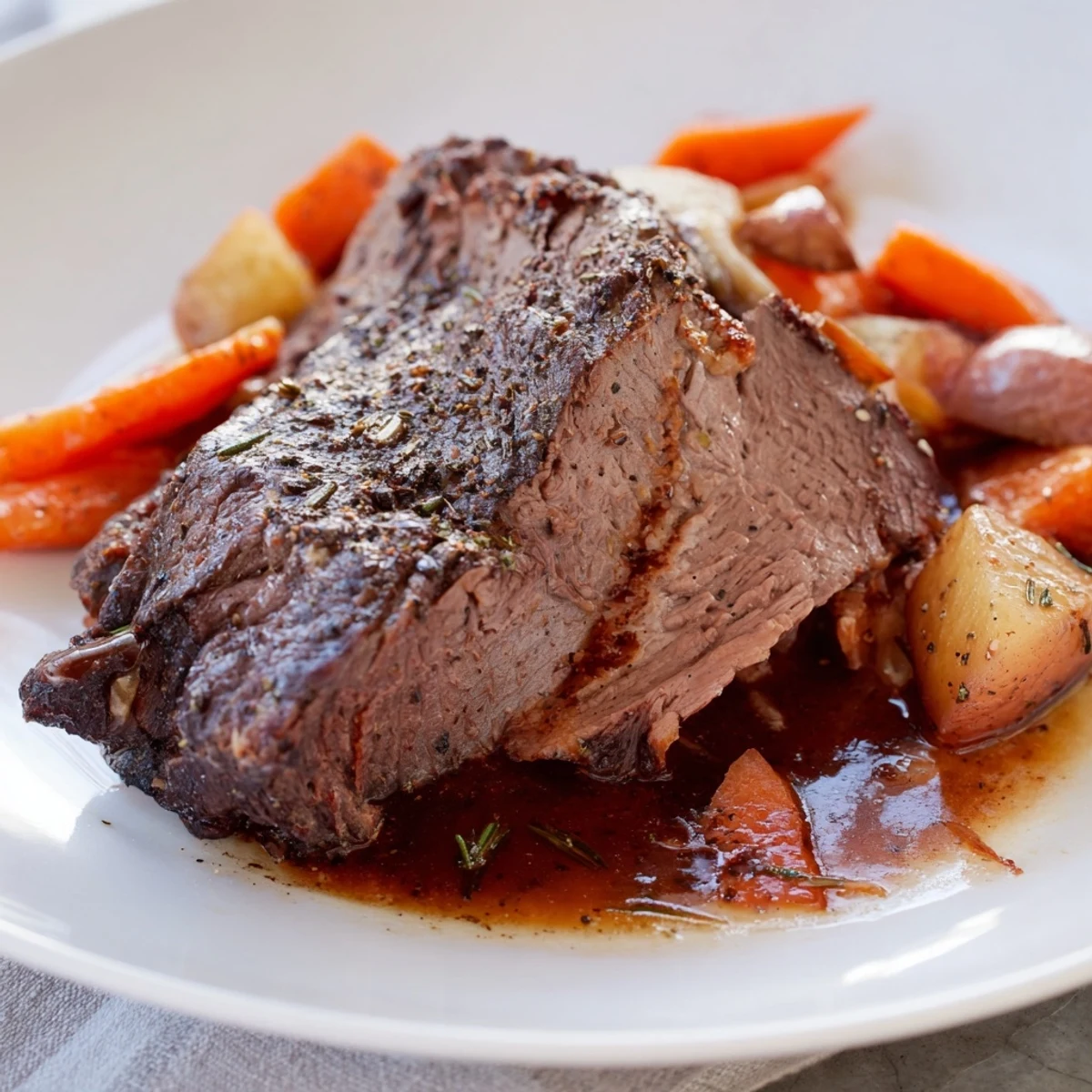
 This dish features a succulent beef chuck roast seared to a deep brown, then slowly cooked with a medley of root vegetables including carrots, potatoes, onions, and celery. Aromatic herbs like thyme, rosemary, and bay leaves infuse the meat and vegetables with rich flavors. Finished with beef broth and optional red wine, the roast emerges tender and full of robust taste. Let it rest before serving to retain juices. Ideal for a cozy family dinner with gluten-free ingredients.
There's something about a beef roast that fills a kitchen with purpose. My grandmother kept a heavy Dutch oven on her stove like it was a family heirloom, and on winter Sundays, that's what she'd reach for. The smell of beef browning in hot oil, then vegetables softening underneath—it meant everyone would gather around the table eventually, no phones, no rush. That's the kind of meal this is.
I made this for my partner on a gray afternoon when we'd been cooped up too long, and two hours later we were sitting with bowls of steaming roast and vegetables, steam rising between us, and somehow the whole day felt warmer. That's when I realized this isn't just dinner—it's a way to turn an ordinary day into something worth remembering.
Ingredients
- Beef chuck roast, 1.5 kg (3.3 lbs), trimmed: Chuck has enough fat and connective tissue to become silky rather than tough when braised—don't skimp here or use a lean cut.
- Carrots, 4 large, peeled and chunked: They sweeten as they cook and practically melt into the sauce if you cut them generous.
- Potatoes, 4 medium, peeled and quartered: Waxy potatoes hold their shape better than mealy ones—look for Yukon Gold if you can.
- Onions, 2 medium, quartered: The base of everything good; don't skip them even if you think you don't like onions.
- Celery, 3 stalks, cut into 2-inch pieces: A quiet backbone that deepens the flavor without announcing itself.
- Garlic cloves, 4, smashed: Smashing them instead of mincing releases more flavor into the broth.
- Olive oil, 2 tbsp: Use regular olive oil, not extra virgin—high heat will waste it.
- Kosher salt, 2 tsp and freshly ground black pepper, 1 tsp: Salt the beef generously before browning; it's what creates that dark crust.
- Dried thyme and rosemary, 1 tsp each: These two together say comfort louder than any single herb can.
- Bay leaves, 2: Remove them before serving unless you enjoy a bitter surprise.
- Beef broth, 500 ml (2 cups): Good broth tastes like it was made from actual beef; taste yours before adding extra salt.
- Dry red wine, 120 ml (1/2 cup), optional but encouraged: It adds a subtle depth that broth alone won't give you.
Instructions
- Get your oven and pot ready:
- Preheat to 160°C (325°F) and place your Dutch oven on the stove over medium-high heat. A covered Dutch oven is what makes this whole thing work—it traps steam and turns tough meat tender.
- Dry and season the meat:
- Pat the roast completely dry with paper towels; any moisture stops browning. Season all over with salt and pepper and let it sit for a minute so it clings to the meat.
- Sear the roast until it's deep brown:
- Add olive oil to the hot pot and lay the roast in carefully. Don't move it for 2 minutes, then flip and repeat on each side until the whole outside is dark mahogany brown, about 8 minutes total. This isn't just for looks; it's flavor being built from the ground up.
- Brown the vegetables, starting without the roast:
- Remove the roast to a plate and add onions, carrots, celery, and garlic to the same pot with all those brown bits stuck to the bottom. Sauté for about 4 minutes, stirring occasionally, until they soften slightly and smell sweet.
- Layer it all back together:
- Return the roast to the pot and arrange the potatoes, thyme, rosemary, and bay leaves around it. Pour in the broth and red wine, then bring everything to a gentle simmer—you'll see small bubbles breaking the surface.
- Cover and move to the oven:
- Clap that lid on tight and slide the whole pot into the preheated oven. This is where the magic happens, where steam and gentle heat work together for 2 to 2.5 hours.
- Check for tenderness and finish:
- The roast is done when it falls apart at the slightest pressure from a fork and the vegetables are soft through. Remove everything to a cutting board, let the roast rest for 10 minutes, then slice against the grain and serve with the pan juices spooned over.
 Save to Pinterest
 I've learned to let people stand in the kitchen while it cooks, drawn by the smell, and just talk—no real reason, just the warmth of it. That's when families actually connect, in the in-between moments before the eating starts.
Making the Sauce Richer
If you want the pan juices to cling to the meat instead of running off the plate, here's what I do: pour the juices into a saucepan and let them bubble on the stove for 10 minutes while the roast rests. The flavor concentrates and gets glossy. If you want it thicker still, mix 1 tbsp cornstarch with 2 tbsp cold water to make a slurry, stir it in slowly, and let it bubble for another minute until there's no cloudy look left. Taste it before serving and add salt if it needs it.
Variations That Still Feel Right
One winter I swapped out half the potatoes for parsnips because that's what I had, and the whole dish tasted earthier and slightly sweet. Turnips work the same way. I've also made it with young spring vegetables in place of the heavier root vegetables, adding them only in the last 30 minutes so they don't dissolve. The bones of the recipe stay the same; it's just listening to what looks good at the market and trusting the method.
What to Serve Alongside
This meal doesn't need much—the vegetables are already there, the sauce is rich. A good crusty bread to soak up every drop is all I want on the side. A robust red wine like Cabernet Sauvignon poured alongside tastes like you planned something special, even if you're sitting at the kitchen table in sweatpants. Save any leftovers for tomorrow; reheated roast tastes somehow deeper the next day.
- Crusty bread goes from nice-to-have to essential once you taste that sauce.
- A crisp green salad the next day cuts through the richness if you have leftovers.
- Pour a glass of the same wine you cooked with and drink it while you eat.
 Save to Pinterest
 Some meals you make because you're hungry. This one you make because you need your kitchen to feel like home again. That's the real recipe.
Frequently asked questions about this recipe
- → What cut of beef is best for this roast?
-
Beef chuck roast is ideal, as its marbling breaks down during slow cooking, resulting in tender, flavorful meat.
- → Can I substitute potatoes with other vegetables?
-
Yes, parsnips or turnips make excellent alternatives, adding unique flavors and textures to the dish.
- → How do I achieve a thicker sauce from the pan juices?
-
After removing the meat and vegetables, simmer the pan juices on the stovetop for 10 minutes or whisk in a slurry of cornstarch and water until desired thickness is reached.
- → Is it necessary to sear the beef before roasting?
-
Searing helps develop a rich crust and deep flavor, enhancing the overall taste of the roast.
- → What wines pair well with this beef roast?
-
Robust reds like Cabernet Sauvignon complement the hearty flavors and herbs in the dish perfectly.