
 Save to Pinterest
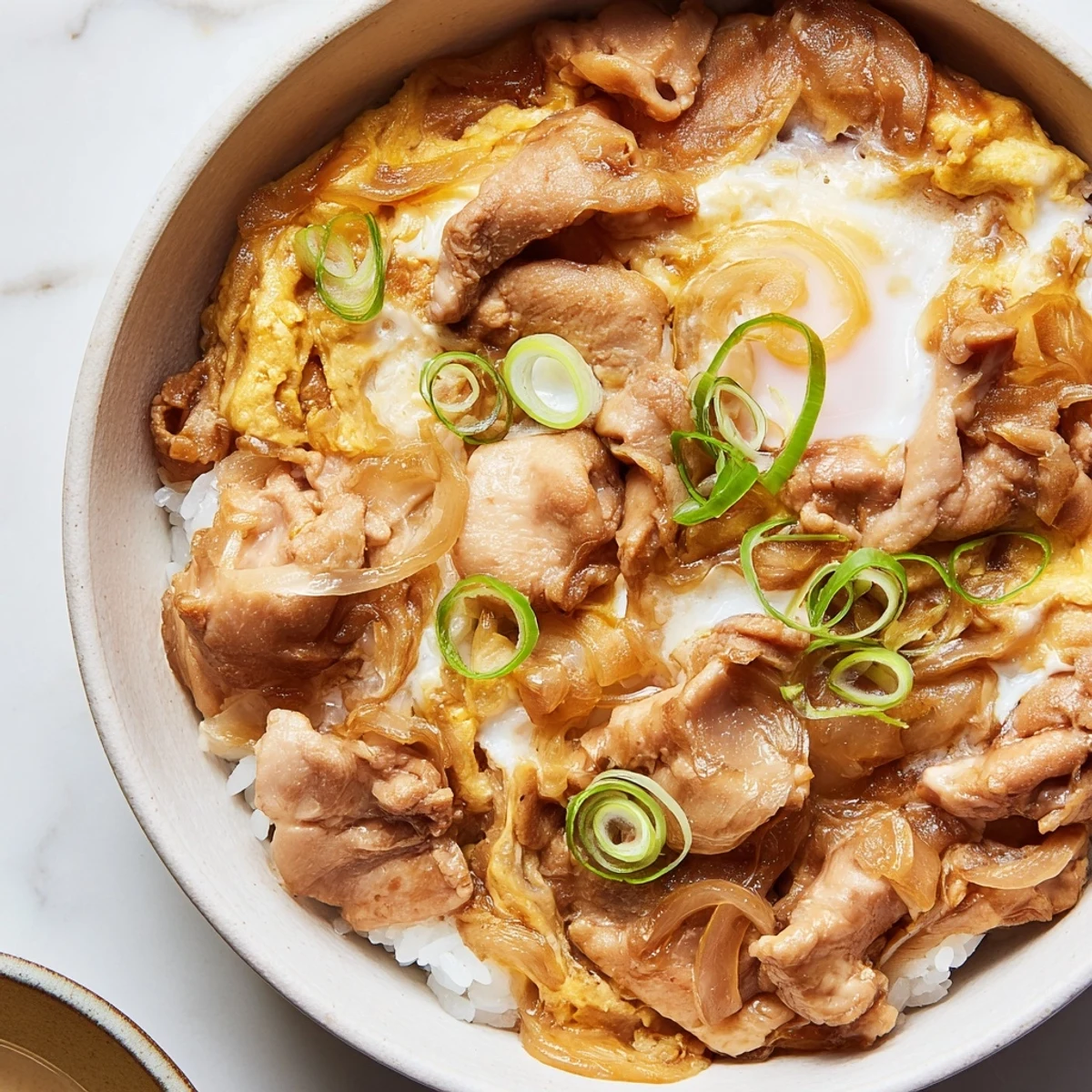
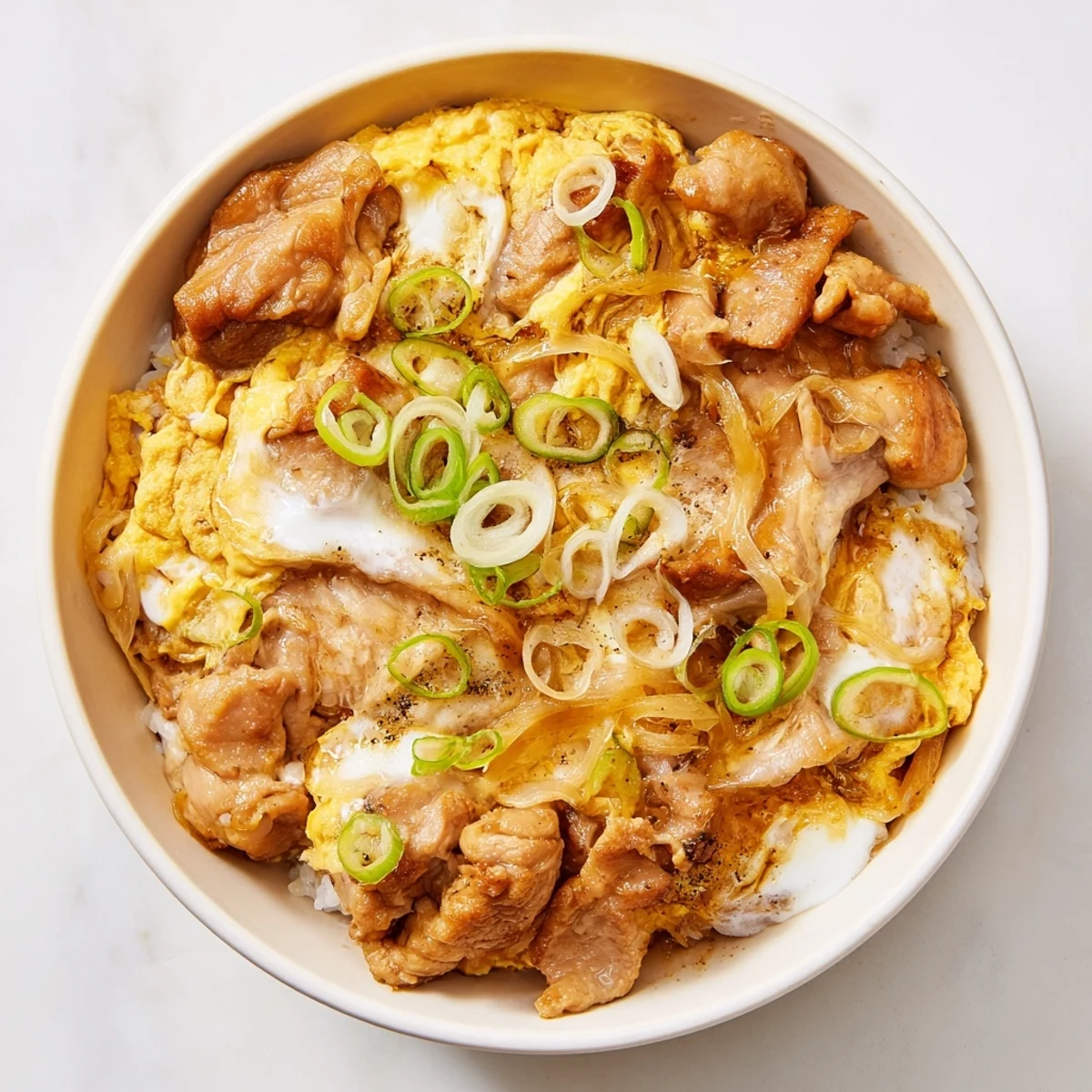
 Oyakodon brings together tender chicken thighs and sweet onions in a flavorful dashi-based sauce, finished with barely-set eggs that create silky ribbons throughout the dish. The savory-sweet seasoning balance comes from soy sauce, mirin, and sake, while fresh spring onions add brightness.
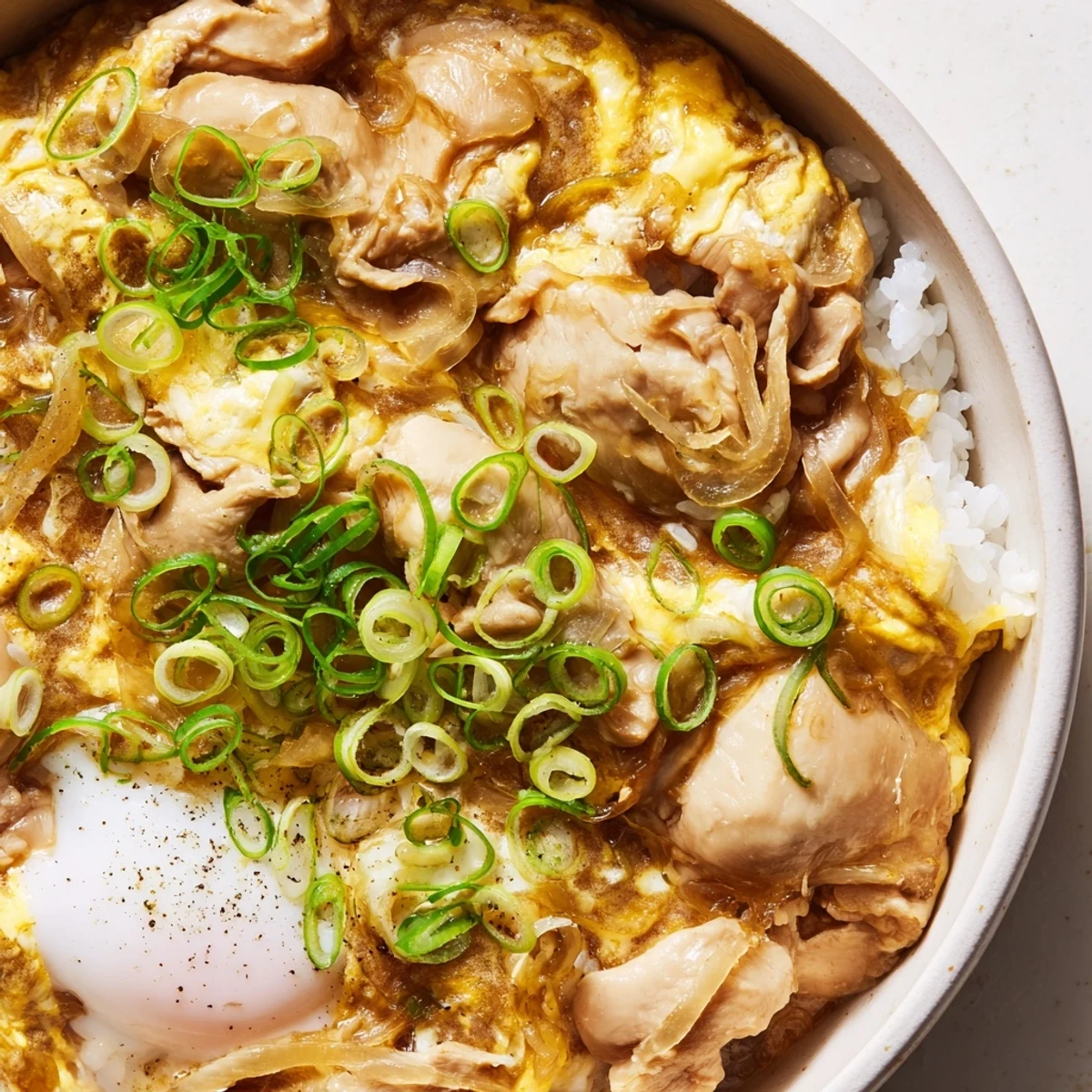
Serve this satisfying bowl over fluffy Japanese short-grain rice for the authentic experience. The key is removing the pan from heat while the eggs remain slightly runny—they continue cooking from residual heat, creating that perfect creamy texture Japanese home cooks love.
The first time I had oyakodon was in a tiny Tokyo restaurant tucked between a laundry and a convenience store, where the owner handed me a steaming bowl without a menu. The contrast of fluffy egg against savory chicken, all clinging to warm rice, made me understand why this humble dish is a Japanese staple for rushed weeknights and slow Sunday lunches alike.
I once made this for my roommate who was recovering from a terrible cold, and she actually sat up in bed to finish the entire bowl. Something about the combination of warm dashi and soft eggs feels like a hug, even on days when you are not sick.
Ingredients
- 2 boneless skinless chicken thighs: Thighs stay juicier than breast, but cut them into uniform pieces so they cook evenly
- 3 large eggs: Beat them gently just before adding, overbeating makes the final texture rubbery
- 1 small onion: Thin slices are crucial here so they melt into the sauce during simmering
- 2 spring onions: Save these for the very end, their fresh bite cuts through the richness
- 120 ml dashi stock: This is the foundation of the flavor, but chicken broth works in a pinch
- 2 tbsp soy sauce: Adjust based on how salty your brand is, they vary wildly
- 1 tbsp mirin: Adds a subtle sweetness that balances the soy sauce
- 1 tbsp sake: The alcohol cooks off but leaves behind this depth you cannot replicate
- 1 tsp sugar: Just enough to round out the savory notes without making it sweet
- 2 bowls Japanese short-grain rice: The sticky texture is what makes everything cling together perfectly
Instructions
- Mix the sauce base:
- Whisk together dashi, soy sauce, mirin, sake and sugar until the sugar completely dissolves, otherwise it will settle at the bottom of your pan
- Soften the aromatics:
- Simmer the onion slices in the sauce mixture for about 4 minutes until they are translucent and tender
- Cook the chicken through:
- Add chicken pieces and cover, letting them simmer for about 8 minutes and turning once halfway through
- Add the eggs:
- Pour lightly beaten eggs over everything, cover immediately, and remove from heat while they are still slightly runny because they will keep cooking
- Assemble the bowls:
- Divide hot rice between bowls and gently slide the chicken and egg mixture on top
- Finish and serve:
- Sprinkle with fresh spring onions and bring the bowls to the table while they are still steaming
 Save to Pinterest
 This recipe became my go-to when I moved into my first apartment and realized cooking dinner did not have to be complicated to feel nourishing. Now whenever friends visit and say they are tired, I put on water for rice.
Getting The Rice Right
Japanese short-grain rice is essential because its natural starch helps the sauce cling to every grain. I have tried this with long-grain rice and it just does not work the same way.
The Egg Technique
Some restaurants pour the eggs in a circular pattern while others drizzle them back and forth, but honestly just pour them evenly and let them do their thing.
Make It Your Own
Once you master the basic version, you can add mushrooms or spinach during the onion step.
- Try adding a pinch of shichimi togarashi if you like a little heat
- Chicken breast works if you prefer leaner meat, just watch it closely so it does not dry out
- Double the sauce ingredients if you want extra liquid to spoon over the rice
 Save to Pinterest
 There is something deeply satisfying about a meal that requires so little effort but delivers such comfort, every single time.
Frequently asked questions about this recipe
- → What does oyakodon mean?
-
Oyakodon translates to 'parent-and-child bowl,' referring to the chicken (parent) and eggs (child) served together over rice. It's a beloved donburi dish from Japanese home cooking.
- → Can I use chicken breast instead of thighs?
-
Yes, chicken breast works well for a leaner version. Keep in mind that breast meat cooks faster and can become dry if overcooked, so reduce the simmering time by 1-2 minutes.
- → What can I substitute for dashi stock?
-
Low-sodium chicken broth makes an excellent substitute for dashi. For a vegetarian version, use vegetable broth with a piece of kombu (dried kelp) simmered in it for 10 minutes to add umami depth.
- → Why should the eggs remain slightly runny?
-
The eggs continue cooking from the residual heat after removing the pan from the stove. This technique creates silky, creamy ribbons rather than rubbery curds, which is the hallmark of well-made oyakodon.
- → How do I store and reheat leftovers?
-
Store components separately in airtight containers in the refrigerator for up to 2 days. Reheat the chicken and egg mixture gently in a pan over low heat, adding a splash of water if needed. Warm the rice separately and combine just before serving.
- → Can I make this dish gluten-free?
-
Use tamari instead of soy sauce and ensure your mirin and sake are gluten-free. Double-check all condiment labels, as some Japanese sauces contain wheat-based additives.