
 Save to Pinterest
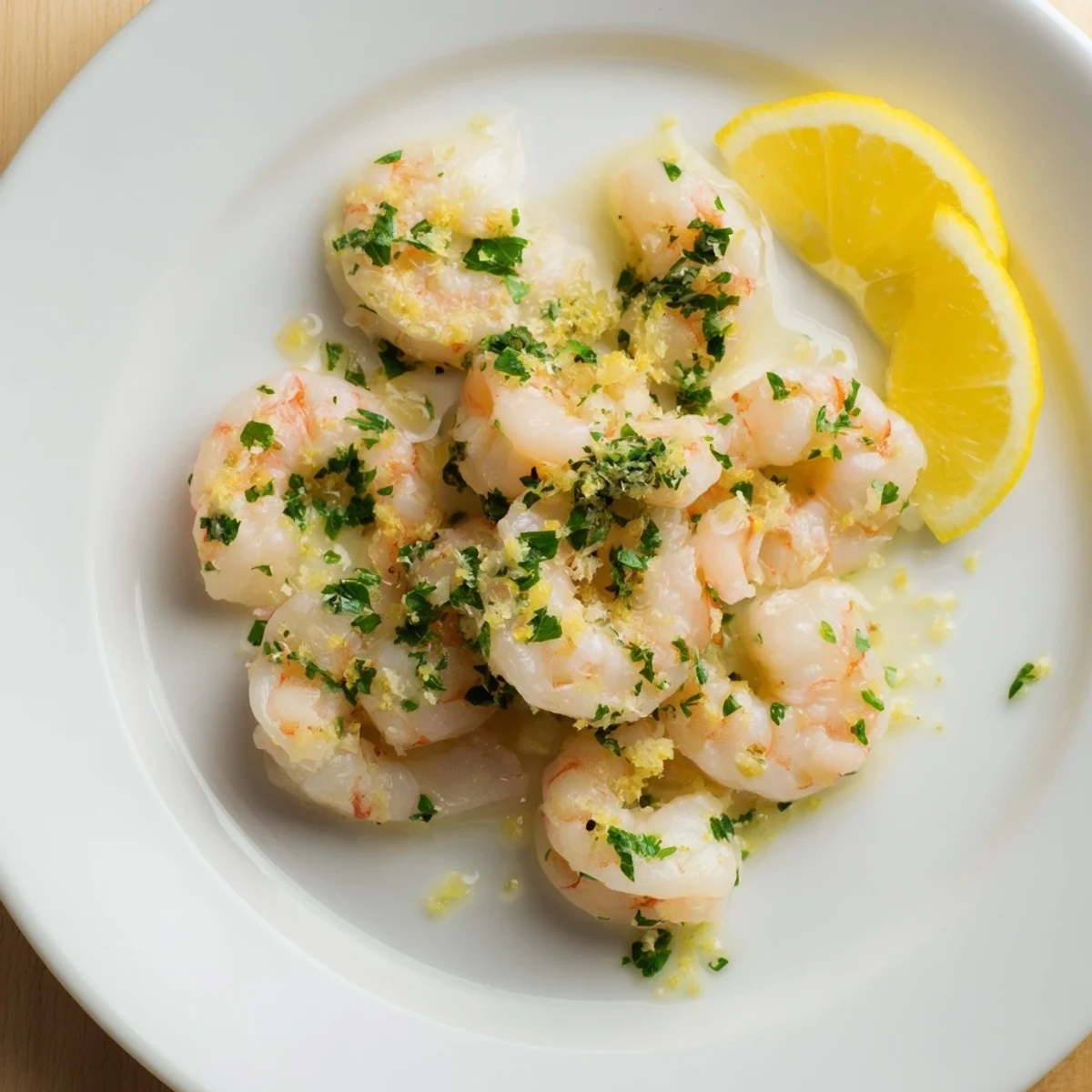
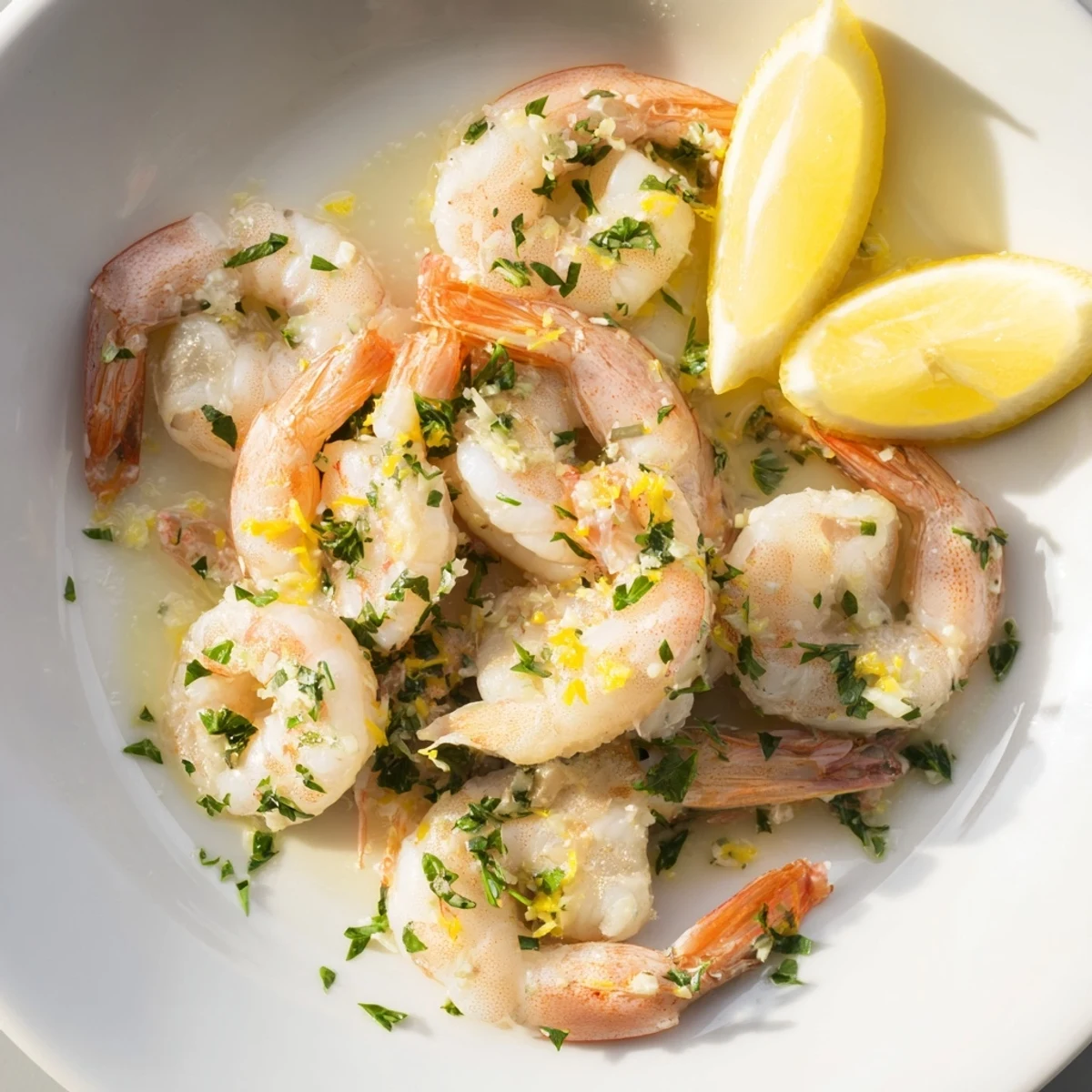
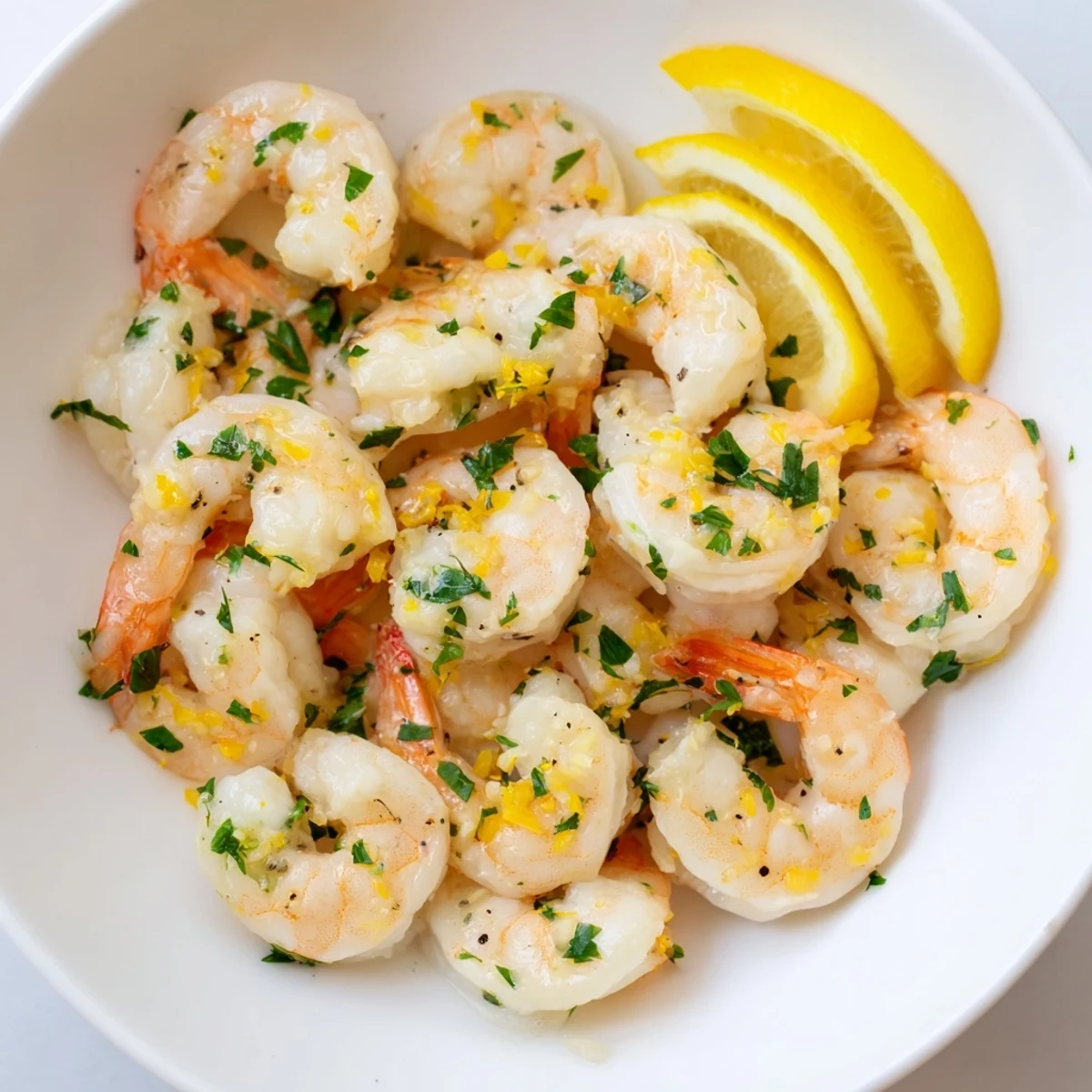
 This dish features succulent shrimp sautéed in olive oil with fresh garlic, bright lemon zest and juice, and a touch of red pepper flakes for gentle heat. Garnished with chopped parsley and served with lemon wedges, it delivers a fresh and vibrant flavor perfect for a quick Mediterranean-inspired meal. Ready in under 20 minutes, it pairs beautifully with rice, pasta, or salad.
There's a particular magic to cooking shrimp on a weeknight when you're hungry but running short on time. I was staring into the fridge one evening, exhausted from work, when I spotted a bag of raw shrimp and a lemon rolling around in the crisper drawer. Twenty minutes later, the aroma of garlic hitting hot oil filled my kitchen, and suddenly dinner felt less like an obligation and more like a small victory. This dish became my go-to whenever I needed something elegant that didn't require fussing.
I remember cooking this for my friend Marcus on a summer evening when he showed up unannounced. I had minimal ingredients and a skeptical attitude about pulling off dinner, but he sat at my kitchen counter with a glass of wine while the skillet sizzled, and by the time the shrimp hit the pan, even he was leaning in to catch the smell. He called it my secret weapon dish, and honestly, it became exactly that.
Ingredients
- Large raw shrimp, 1 lb (450 g), peeled and deveined: Look for shrimp that still have a slight translucency and a subtle ocean smell, not ammonia. The tails add visual appeal and flavor, but removing them makes for easier eating.
- Olive oil, 3 tablespoons: Use good quality oil here since it's one of the main flavor carriers. I learned the hard way that cheaper oils can taste flat when they're the hero of a simple dish.
- Fresh garlic, 4 cloves, finely minced: Mince it just before cooking so the oils are still volatile and fragrant. Pre-minced garlic tastes like regret.
- Lemon zest, 1 teaspoon: This tiny amount does more work than you'd expect, adding brightness before the juice even touches the pan.
- Fresh lemon juice, 2 tablespoons: One small lemon is usually perfect. Bottled juice will work but tastes notably distant and one-dimensional.
- Crushed red pepper flakes, 1/4 teaspoon (optional): A whisper of heat that doesn't overwhelm; add more only if you love spice.
- Salt and freshly ground black pepper, to taste: Season the shrimp first, then adjust at the end once you've tasted the lemon balance.
- Fresh parsley, 2 tablespoons, chopped: The green finish that makes this feel intentional rather than rushed. Chop it right before serving so it stays bright.
- Lemon wedges, for serving: Let people squeeze their own; it keeps the dish from becoming too acidic all at once.
Instructions
- Prep your shrimp with intention:
- Pat them completely dry with paper towels—any moisture will steam instead of sear, and you want that golden kiss on the outside. A light sprinkle of salt and pepper is all they need at this stage.
- Get your oil singing:
- Heat the olive oil in a large skillet over medium-high heat until it shimmers and moves easily across the pan. You'll know it's ready when a tiny piece of garlic sizzles on contact.
- Toast the garlic gently:
- Add your minced garlic and listen for that immediate sizzle, then count to 30 seconds. The goal is fragrant, not brown and bitter—there's a paper-thin line between these two outcomes, and you'll feel the difference in taste.
- Sear the shrimp without crowding:
- Lay each shrimp in the skillet in a single layer so they touch the hot pan directly. After 2 minutes, you'll see the underside turning that signature opaque pink.
- Flip and finish with brightness:
- Turn each shrimp over, then immediately add the lemon zest, lemon juice, and red pepper flakes if using. The shrimp need only 2 to 3 more minutes to cook through; overcooking turns them rubbery, and you'll taste the regret immediately.
- Finish with fresh herb and serve:
- Remove the pan from heat, sprinkle with chopped parsley, and serve right away with lemon wedges on the side. The residual heat keeps everything warm without pushing the shrimp past done.
 Save to Pinterest
 I've served this dish to people who claim they don't usually enjoy cooking, and watching them taste it made me realize that sometimes the simplest meals carry the most weight. It's not about complexity; it's about respecting the few ingredients you're using and letting them do what they do best.
Making It a Complete Meal
On its own, this shrimp is vibrant and satisfying, but it transforms into something different depending on what you serve it with. Over buttered rice, it becomes comforting. Tossed into pasta, it's elegant. On a bed of greens, it's a light dinner that doesn't feel like you sacrificed anything.
The Lemon Question
The first time I made this, I used bottled lemon juice and wondered why it tasted flat and one-dimensional. Fresh lemon juice makes such a difference that it's worth keeping a couple of lemons on hand just for this recipe. The zest matters too, because it carries the oils that juice alone can't deliver.
Small Variations That Keep Things Interesting
This recipe is forgiving enough to welcome gentle experimentation without losing its character. A splash of dry white wine added with the lemon juice gives it warmth and complexity. Fresh basil or cilantro work beautifully in place of parsley if that's what you have growing on your windowsill. You can even add a pinch of garlic powder if you're using pre-minced garlic in a pinch, though fresh is always the better choice.
- Fresh herb choices matter more than the exact measurements, so taste and adjust as you go.
- Keep lemon wedges nearby so people can add brightness exactly to their taste.
- This dish is best served the moment it's done, while the shrimp are still warm and the parsley is still bright green.
 Save to Pinterest
 This dish taught me that cooking doesn't always require hours or a long ingredient list to feel like an accomplishment. Sometimes the most memorable meals are the ones you throw together on a Tuesday night when you're tired but hungry, and they turn out better than expected.
Frequently asked questions about this recipe
- → What type of shrimp is best to use?
-
Use large raw shrimp, peeled and deveined, with tails on or off based on preference for best texture and flavor.
- → Can I adjust the spiciness?
-
Yes, the crushed red pepper flakes are optional and can be adjusted or omitted to suit your desired heat level.
- → What sides complement this dish well?
-
This shrimp dish pairs well with rice, pasta, or a fresh salad to create a complete and balanced meal.
- → Is there an alternative to parsley for garnish?
-
Fresh basil or cilantro may be used as substitutes for parsley to vary the flavor profile.
- → How do I prevent garlic from burning?
-
Sauté garlic briefly over medium-high heat until fragrant but not browned to avoid bitterness.