
 Save to Pinterest
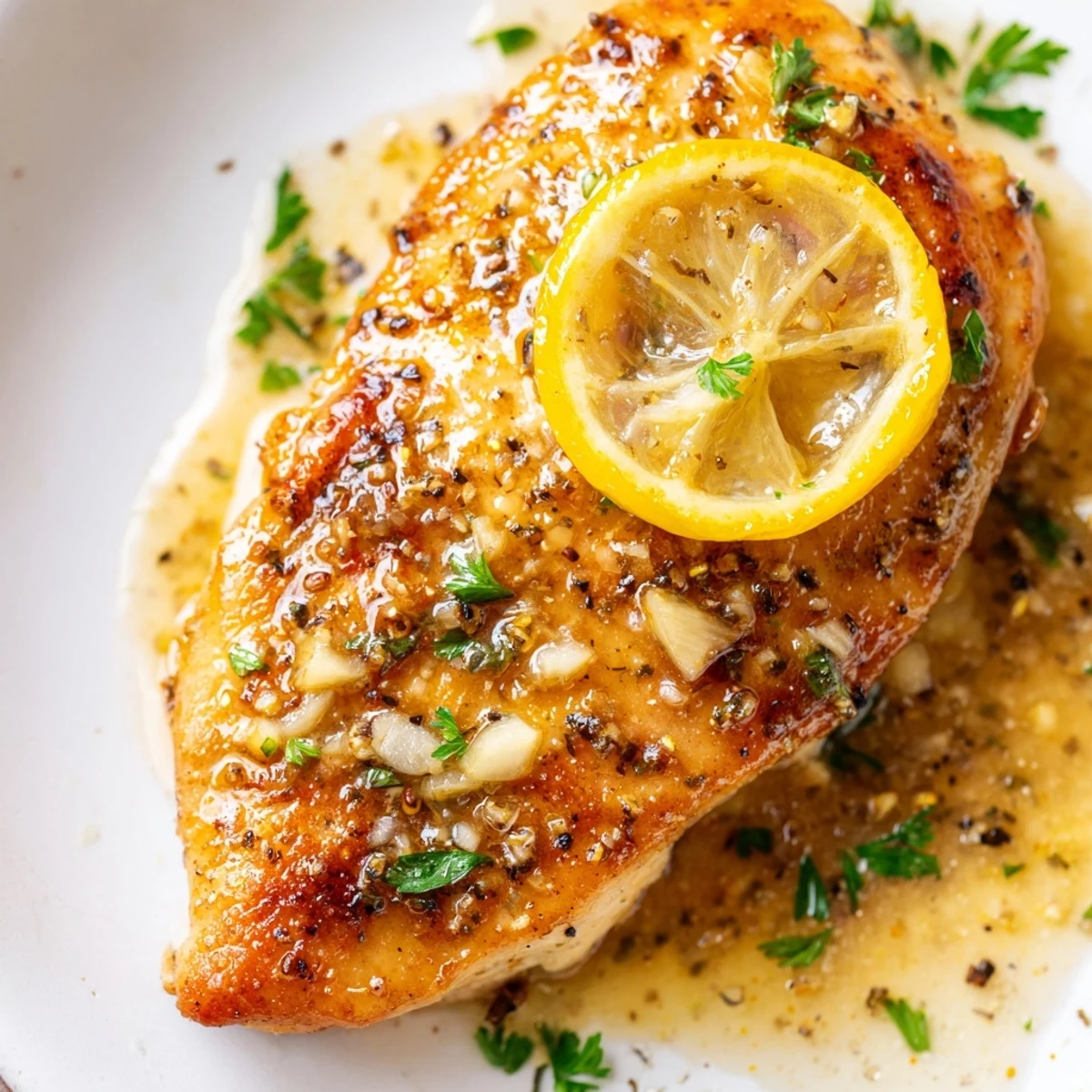
 This dish features boneless chicken breasts marinated in a vibrant blend of lemon juice, zest, garlic, honey, and herbs. The chicken cooks to juicy tenderness before finishing in a rich lemon-infused sauce. Fresh parsley and optional lemon slices add a bright, fresh garnish. Perfect for an easy weeknight supper, it pairs well with rice, roasted potatoes, or vegetables.
The method balances marinating, pan-searing, and simmering techniques to enhance the citrus and herb flavors. Adjust the cooking time for thighs or add white wine for extra depth. This gluten-free option brings a fresh, aromatic profile to any meal.
There's something about the way lemon zest catches the kitchen light that always makes me pause. The first time I made this chicken, I wasn't sure if I was using enough brightness in the sauce—I kept adding more zest, tasting, second-guessing myself. By the time the chicken hit the skillet, my hands smelled like citrus and I'd already fallen for the dish. It turns out that hesitation was just my palate learning what it wanted.
I made this for my neighbor one evening when she'd had the kind of day where everything goes wrong—her oven was broken, she was tired, and she'd ordered takeout out of sheer defeat. When I brought a plate over still warm from the pan, the way her expression shifted felt like the best compliment I could get. She asked for the recipe before she'd even finished eating.
Ingredients
- 4 boneless, skinless chicken breasts: Pound them gently to even thickness so they cook at the same pace; thinner edges won't dry out while waiting for thick centers.
- 2 large lemons (zested and juiced): Zest before you cut—once it's juiced, retrieving zest is an exercise in frustration.
- 3 tablespoons olive oil (for marinade): Quality oil matters here since it carries the flavor, but your everyday bottle will work just fine.
- 2 garlic cloves, minced: Mince them small enough that they almost disappear into the marinade but still deliver that warm, peppery depth.
- 1 tablespoon honey: This softens the lemon's sharpness and adds a subtle golden note that balances everything.
- 1 teaspoon Dijon mustard: A single teaspoon might seem timid, but it's the secret that keeps this from tasting one-dimensional.
- 1 teaspoon dried thyme (or 1 tablespoon fresh, chopped): Fresh thyme is gorgeous if you have it growing on your windowsill, dried works beautifully when you don't.
- 1 teaspoon salt and 1/2 teaspoon black pepper: Taste the marinade before you commit to this amount—you're the expert in your own kitchen.
- 1 tablespoon olive oil (for cooking): Medium-high heat needs enough oil to shimmer but not enough to pool.
- 1/2 cup low-sodium chicken broth: This becomes your sauce base and catches all those wonderful browned bits stuck to the pan.
- Fresh parsley and lemon slices for garnish: These finish the plate and remind everyone why they came to the table hungry.
Instructions
- Whisk together your bright foundation:
- In a medium bowl, combine the lemon juice, zest, 3 tablespoons olive oil, minced garlic, honey, Dijon mustard, thyme, salt, and pepper. Whisk until everything looks like a loose, fragrant paste—this is your marinade.
- Give the chicken time to listen:
- Place your chicken breasts in a shallow dish or bag and pour half the marinade over them, turning to coat every surface. Pour the rest into a small container for later. Let them sit at room temperature for 15 minutes or longer in the fridge if you're thinking ahead.
- Let the pan do the work:
- Heat 1 tablespoon oil in a large skillet over medium-high heat until it shimmers. Place the chicken in the pan—you'll hear a satisfying sizzle—and leave it alone for 5 to 6 minutes per side. When the edges turn golden and a thermometer reads 165°F, it's done; transfer to a plate and tent loosely with foil to stay warm.
- Rescue the fond and build the sauce:
- Pour your reserved marinade and chicken broth into the same skillet, scraping with a wooden spoon to lift all those caramelized bits from the bottom. Let it bubble and reduce for 3 to 4 minutes until it tastes concentrated and alive.
- Bring everyone together:
- Return the chicken to the skillet and spoon that golden sauce over the top. Let it simmer for another 2 minutes just to warm through and marry all the flavors.
- Plate and celebrate:
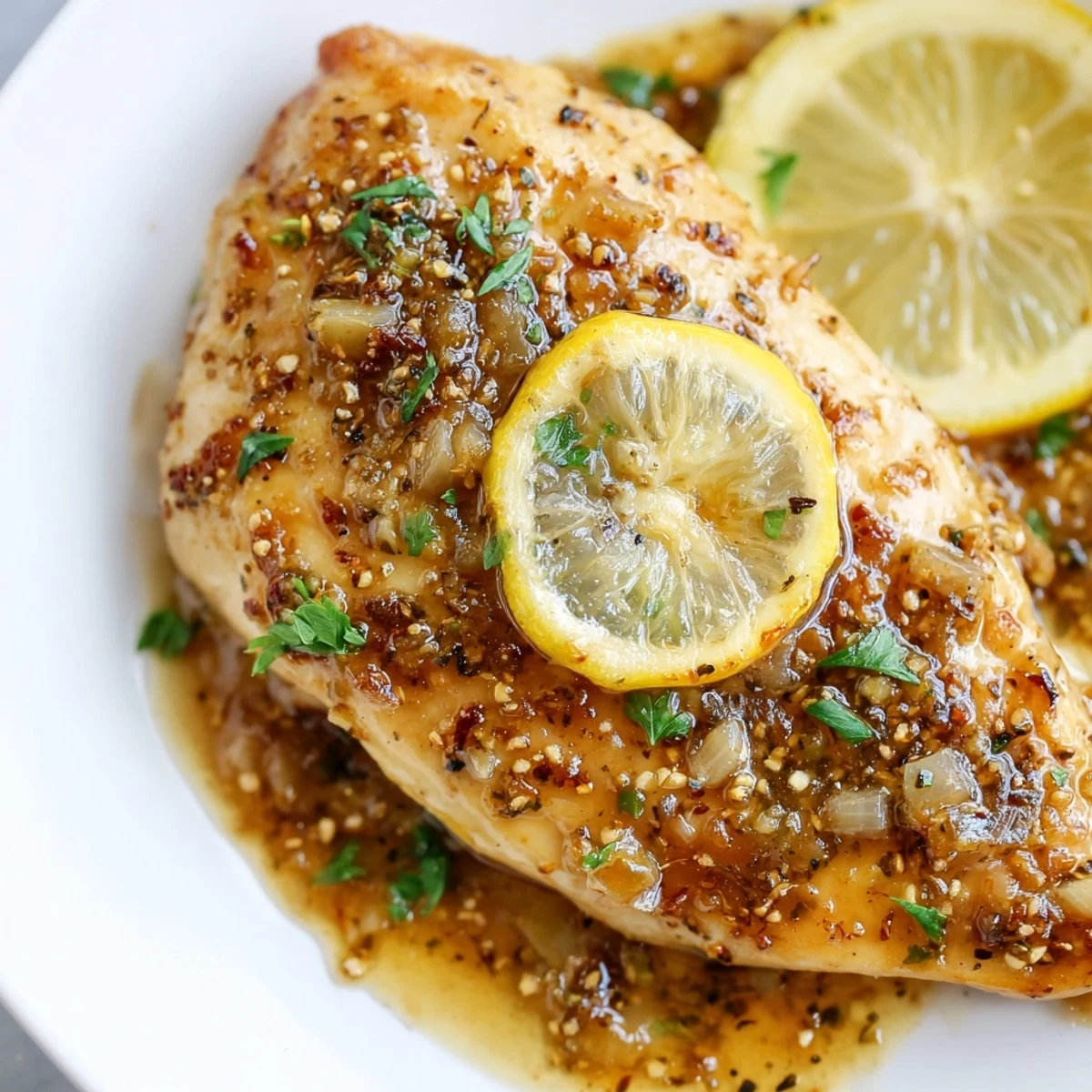
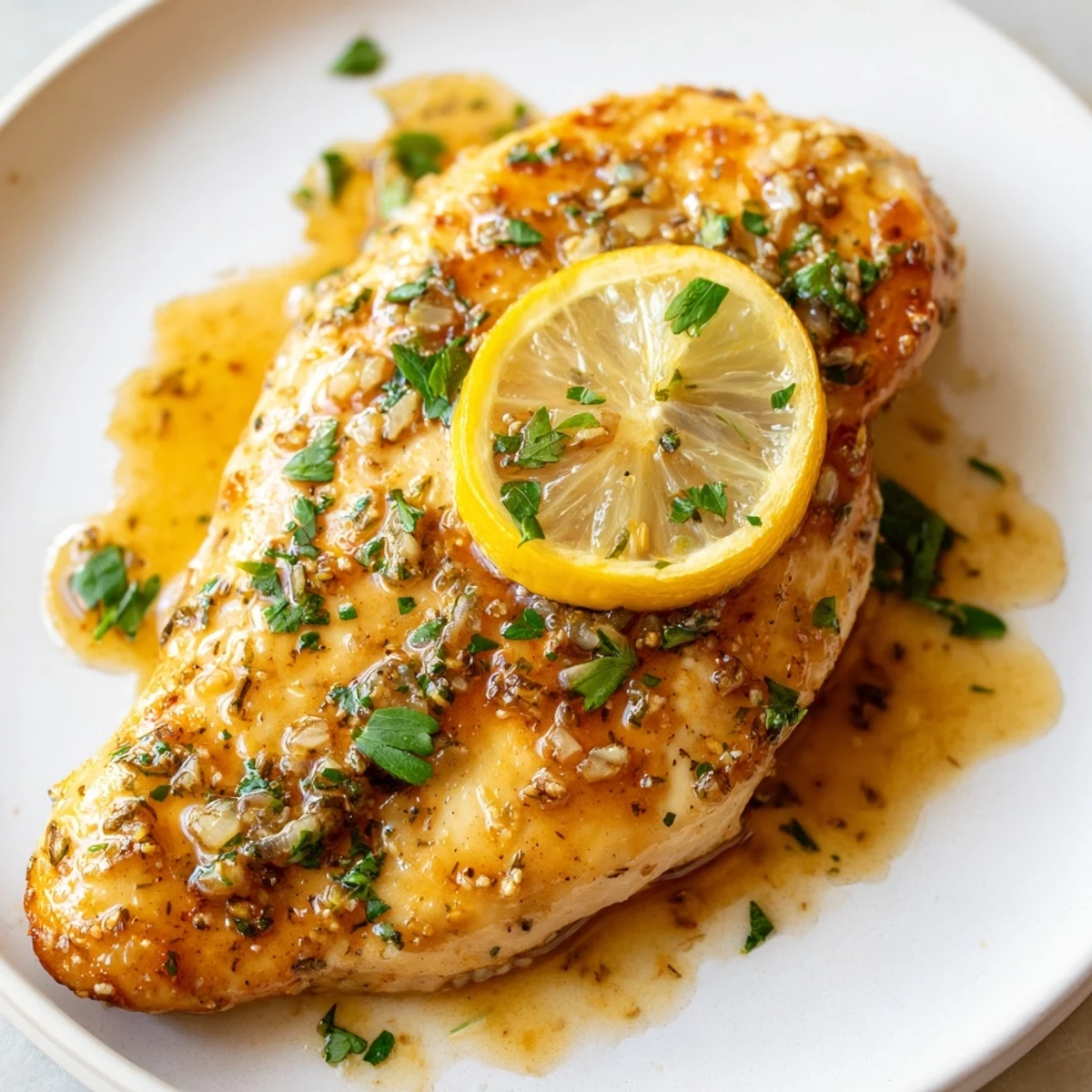
- Transfer to your serving dishes and scatter fresh parsley and thin lemon slices across the top.
 Save to Pinterest
 My daughter once asked why this chicken tasted different from the roasted chicken we usually made, and I realized that was the moment she started paying attention to flavor layering. It was just a simple question, but it made me understand that cooking isn't just about feeding people—it's about teaching them to notice the difference between ordinary and intentional.
The Magic of Lemon in Savory Cooking
Lemon doesn't just add brightness; it acts like a flavor amplifier, making every herb and spice sing louder. When you use both juice and zest, you're capturing two different forms of lemon's personality—the juice is sharp and liquid, while the zest carries all those fragrant oils that give you that sunny, concentrated taste. It's why adding zest at the end as garnish hits differently than zest built into the sauce.
Why Marinating Matters Beyond Just Flavor
The acid in the lemon juice actually begins breaking down the proteins in the chicken, which sounds scary but isn't—it's tenderizing. The longer it sits, the more tender it becomes, which is why even 15 minutes makes a difference and 2 hours makes you wonder why you don't marinate everything. The honey and oil in there help keep everything from drying out once it hits the heat, creating a cushion of protection around each piece.
Make It Your Own
This dish is flexible enough to bend to whatever you have and whatever mood you're in. Some nights I add a splash of white wine to the sauce for extra depth, and other times I use chicken thighs instead of breasts because they're more forgiving and stay juicer longer. The beauty is in how the structure holds together even when you change the ingredients—the lemon, the herbs, and the technique stay the same, so you're always cooking something you recognize.
- If you can't find fresh thyme, basil or oregano work beautifully in its place.
- Serve this with rice to catch the sauce, roasted potatoes for earthiness, or sautéed greens for balance.
- Leftovers shredded and tossed with pasta the next day become something entirely new and equally delicious.
 Save to Pinterest
 This chicken has become my answer to the question what should we have for dinner when nothing else feels right. It's simple enough that I'm not exhausted afterward, but it tastes like you cared enough to take 45 minutes and fill your kitchen with good smells.
Frequently asked questions about this recipe
- → How do I ensure the chicken stays tender?
-
Marinating the chicken in the lemon and herb mixture for at least 15 minutes allows the flavors to penetrate and helps keep the meat juicy during cooking.
- → Can I use chicken thighs instead of breasts?
-
Yes, chicken thighs can be used. Adjust the cooking time accordingly, as thighs generally require a bit more time to cook through.
- → What side dishes complement this chicken best?
-
This bright chicken pairs well with rice, roasted potatoes, or sautéed vegetables to balance the citrus flavors.
- → Is it possible to add wine to the sauce?
-
Yes, adding a splash of white wine to the sauce enhances the depth and complexity of the citrus and herb flavors.
- → How do I make the sauce thicker?
-
Let the reserved marinade and broth simmer a bit longer to reduce and thicken naturally before returning the chicken to the pan.