
 Save to Pinterest
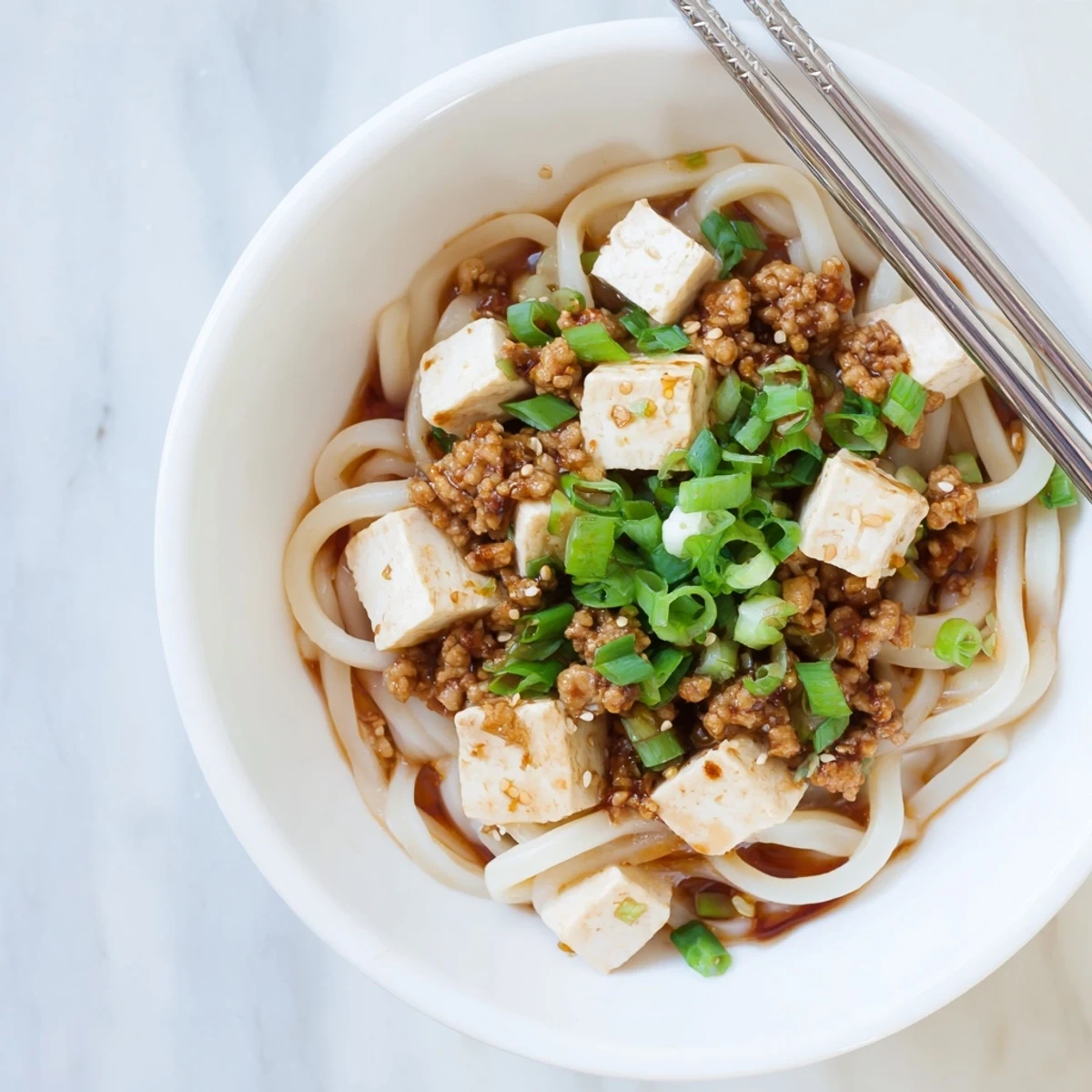
 This comforting fusion brings together the numbing spice of Sichuan mapo tofu with the hearty chew of Japanese udon noodles. Soft tofu cubes simmer in a rich, aromatic sauce featuring fermented chili bean paste, garlic, and ginger, while ground pork adds savory depth. The thickened sauce coats each udon strand perfectly, creating a bowl that's both warming and deeply satisfying. Adjust the heat level to your preference and enjoy this quick 35-meal that's perfect for busy weeknights.
The kitchen was tiny but it smelled like Sichuan and I didn't care that I'd just spent twenty minutes hunting down a Chinese grocery store in the rain. This was back when udon meant those vacuum-sealed packs from the supermarket, and mapo tofu was something I ordered, not made. Then came that Tuesday night when a craving for spicy noodles collided with a package of tofu and some ground pork sitting in the fridge.
My roommate wandered in midway through cooking, sniffing the air like a cartoon character. What is that magic she asked, watching me toast peppercorns in the wok. I served her a bowl with the reserved green onions sprinkled on top and she ate it standing up, burning her tongue and not caring. We sat on the kitchen floor afterward with full bellies and agreed this fusion thing was worth exploring.
Ingredients
- Soft tofu, 300g: The silken texture creates these creamy pockets that soak up the spicy sauce like little flavor sponges
- Ground pork, 200g: Adds savory depth and something to sink your teeth into between bites of tofu, though plant-based mince works beautifully too
- Fresh udon noodles, 400g: These thick, chewy noodles are the whole reason this fusion works, they stand up to the bold sauce instead of disappearing
- Sichuan peppercorns, 1 tablespoon: Lightly crushing them releases that citrusy, numbing sensation that makes mapo tofu uniquely addictive
- Doubanjiang, 2 tablespoons: This fermented chili bean paste is the soul of the dish, its funky, salty heat builds complexity you can't fake
Instructions
- Toast the aromatics:
- Heat oil in a large skillet or wok over medium heat and add the crushed Sichuan peppercorns, letting them sizzle for about 30 seconds until their citrusy perfume fills the air, then fish them out unless you want serious heat.
- Build the flavor base:
- Throw in garlic, ginger, and the white parts of your spring onions, stirring constantly for 1 minute until the smell makes your stomach growl.
- Brown the protein:
- Crank the heat to medium-high, add ground pork and break it apart with your spatula until it's cooked through and starting to get some golden edges.
- Activate the paste:
- Stir in the doubanjiang and watch the oil turn red as the paste blooms for 1 to 2 minutes, this is where the magic happens.
- Add the saucy elements:
- Pour in soy sauce, oyster sauce, Shaoxing wine, and sugar, letting everything bubble together into something that smells like a restaurant kitchen.
- Gentle does it:
- Lower the heat and slide in those tofu cubes along with the broth, simmering for 5 minutes while you spoon sauce over the tofu like a protective parent.
- Thicken it up:
- Give your cornstarch mixture a quick stir and pour it into the bubbling sauce, watching it transform from thin broth to glossy perfection in 2 to 3 minutes.
- Noodle time:
- While sauce thickens, drop udon noodles into boiling water and cook according to the package, then drain and divide among waiting bowls.
- Bring it together:
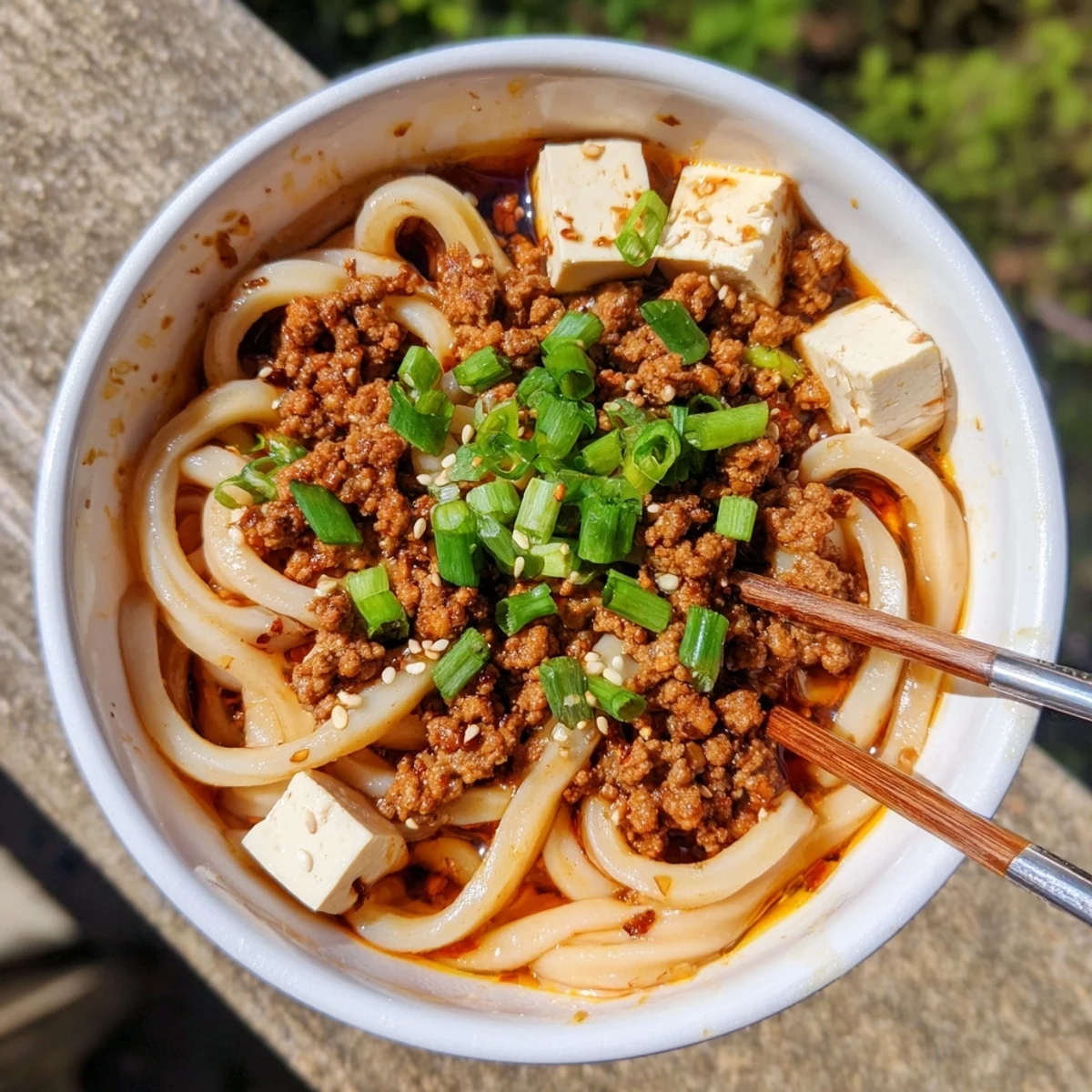
- Ladle that spicy, thickened sauce generously over the noodles and top with green onions, sesame seeds, and a drizzle of chili oil if you're feeling brave.
 Save to Pinterest
 This recipe became my go-to for dinner parties after I served it to a group of friends who swore they hated tofu. They scraped their bowls clean and asked for seconds, not realizing they'd just eaten vegetables in a spicy disguise. There's something about noodles and sauce that makes people try things they'd otherwise avoid.
Getting the Sauce Consistency Right
The trick is patience after adding the cornstarch. Keep the sauce at a gentle simmer, not a rolling boil, and give it time to thicken properly. I learned the hard way that rushing this step means thin, disappointing sauce that refuses to cling to noodles.
Making It Your Own
Sometimes I add bell peppers or mushrooms when I want more vegetables, throwing them in right after the aromatics. The sauce is forgiving enough that you can adjust the heat level, making it milder for kids or spicier for brave friends.
Serving Suggestions That Work
Cold beer or chilled sake cuts through the richness perfectly. I've also learned that a simple cucumber salad dressed with rice vinegar makes an excellent refreshing contrast to the spicy noodles.
- Have extra chili oil on the table so guests can adjust heat to their preference
- Serve immediately while the sauce is still glossy and thick
- Cold leftovers become an entirely different, equally delicious lunch the next day
 Save to Pinterest
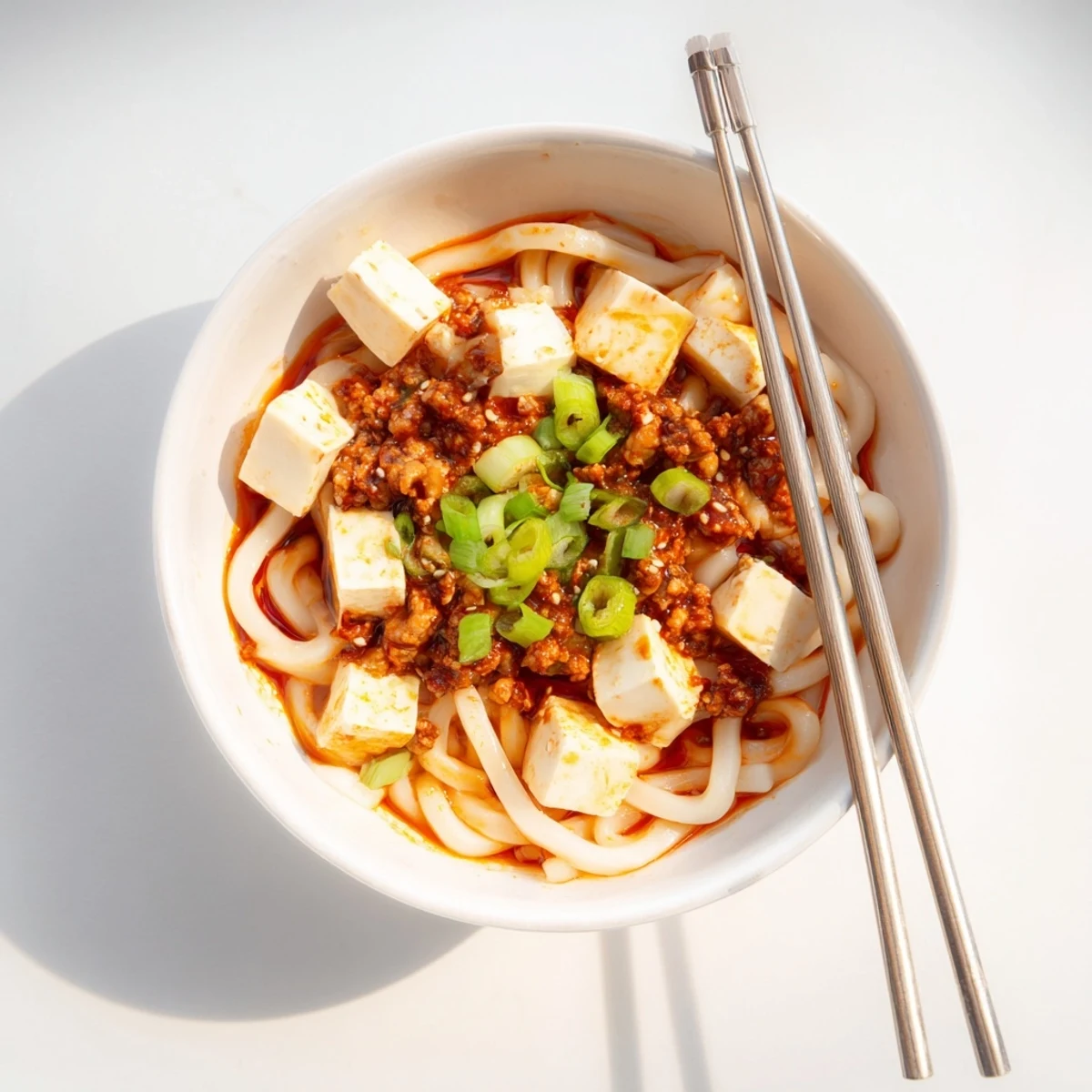
 There's a reason this fusion works: comfort food is universal, and when two traditions collide, sometimes you get something better than both originals alone.
Frequently asked questions about this recipe
- → Can I make this dish vegetarian?
-
Yes, simply substitute ground pork with plant-based mince and replace oyster sauce with mushroom sauce. The flavors remain equally delicious.
- → How spicy is this dish?
-
The spice level is moderate but adjustable. Reduce doubanjiang for milder heat or add chili oil for extra kick. Sichuan peppercorns provide a mild numbing sensation.
- → Can I use dried udon instead of fresh?
-
Yes, dried udon works well. Just cook according to package instructions and drain thoroughly before topping with the mapo tofu mixture.
- → How do I prevent the tofu from breaking apart?
-
Handle tofu gently when adding to the pan. Use a spatula to fold rather than stir vigorously, and keep the simmer at a gentle bubble.
- → Can I make the sauce ahead of time?
-
The mapo tofu sauce reheats beautifully. Make it up to 2 days in advance and warm gently while cooking fresh noodles for serving.
- → What can I serve with this?
-
Steamed bok choy or Chinese broccoli balances the richness. A crisp lager or light sake pairs perfectly with the bold flavors.