
 Save to Pinterest
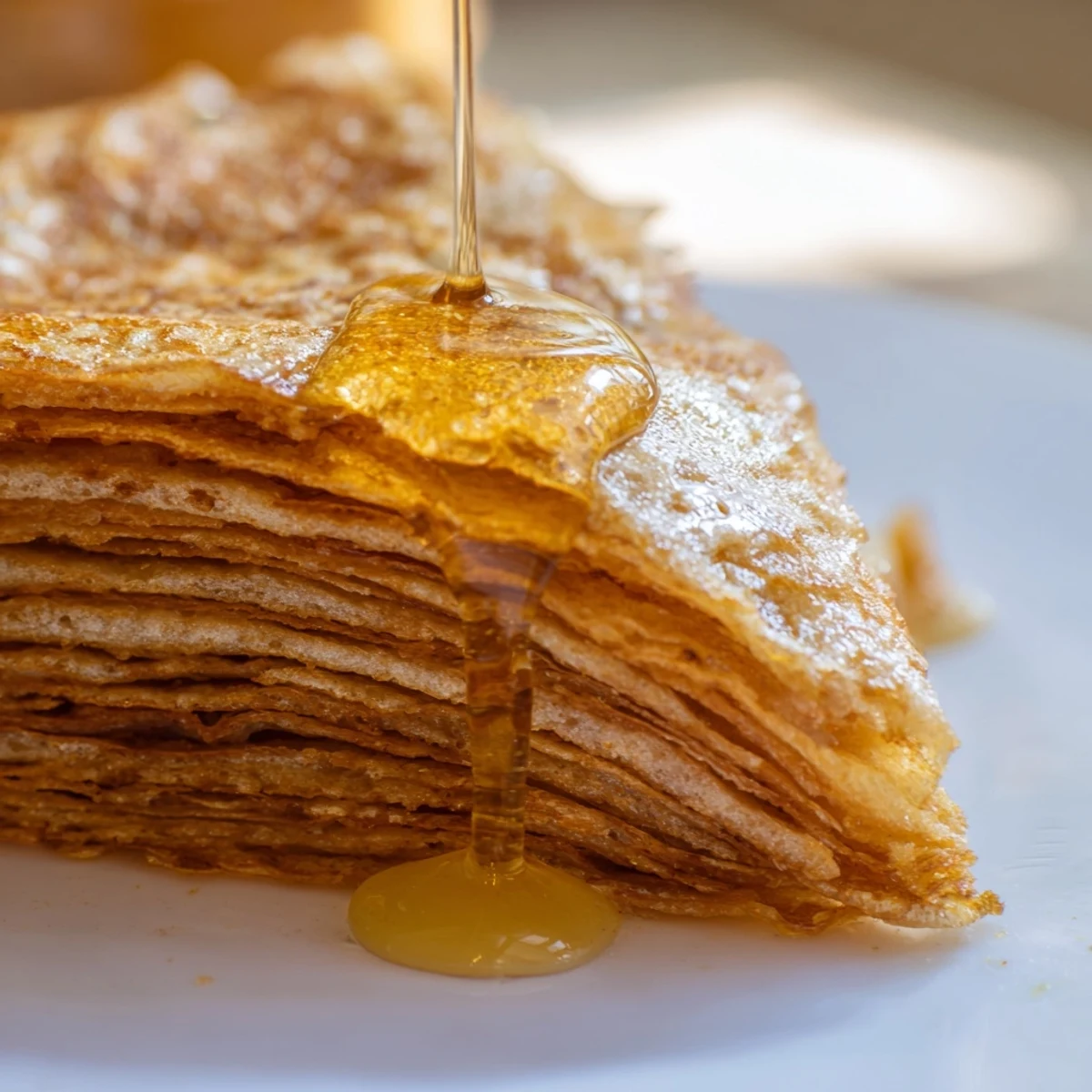
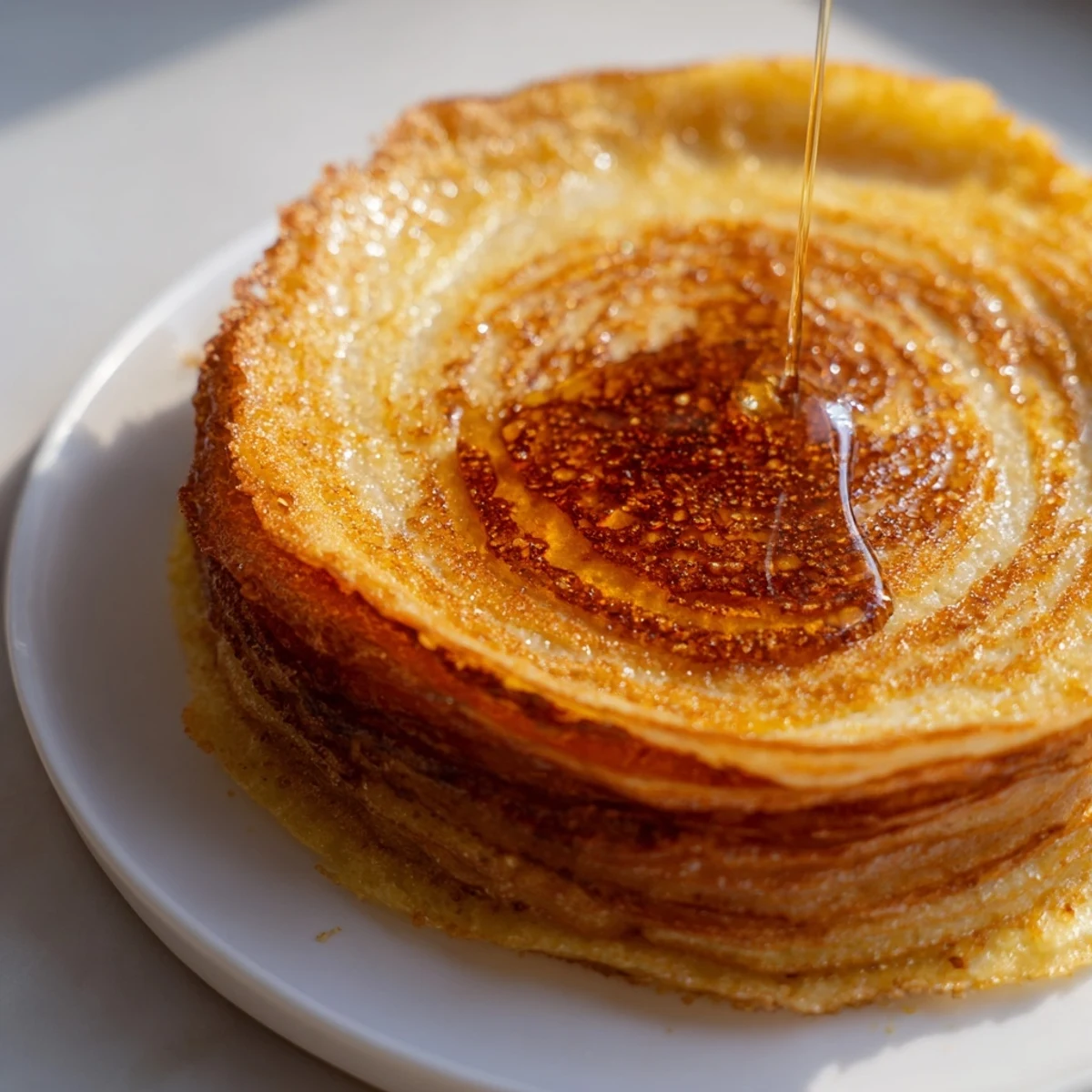
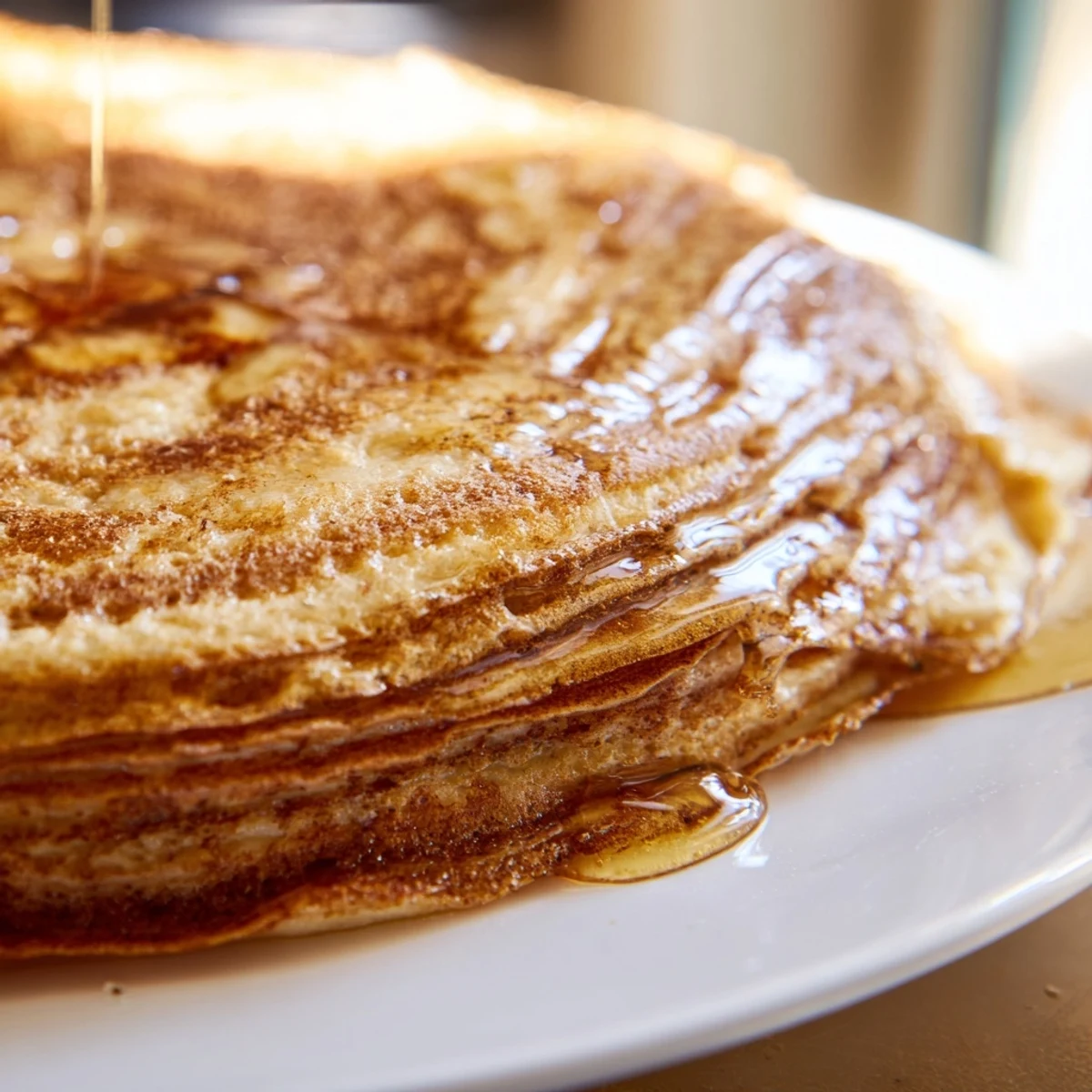
 Master the art of making Meloui, beloved Moroccan pancakes featuring delicate flaky layers and a buttery richness. These traditional treats require patience but reward with incredible texture—crisp outside, tender inside. The technique involves stretching dough thinly, folding with butter and semolina, then cooking until golden. Perfect for leisurely weekend breakfasts or afternoon snacks, especially when paired with sweet honey or fruit preserves. While the folding method takes practice, the result is an authentic taste of Moroccan cuisine that brings warmth to any table.
The first time I watched a Moroccan grandmother make meloui, I sat mesmerized as she stretched and folded the dough with practiced ease, her hands moving in a rhythm I couldn't quite follow. The smell of butter and semolina hitting the hot skillet filled her tiny kitchen, and I knew I had to learn this technique. It took me months of tearing thin dough circles and frustrated sighs before I found my own rhythm. Now those flaky layered pancakes are my weekend comfort food, each bite bringing back that sunny morning in Marrakesh.
My sister visited last winter and watched me stretch the first dough ball so thin it tore, laughing as I tried to patch the holes. By the eighth pancake, she wasnt laughing anymore she was too busy drizzling warm honey over the stack wed made together, steam rising from each golden square. We sat at the kitchen table until sunset, eating them warm and talking about nothing and everything.
Ingredients
- All purpose flour (3 cups): The base structure that creates those distinct layers when folded properly
- Fine semolina (1 ½ cups total): Adds signature grainy texture and prevents layers from sticking together
- Warm water (1 ½ cups plus extra): Needs to be genuinely warm to help the semolina soften and gluten develop
- Salted butter (¼ cup softened): Creates the rich flaky separation between layers that makes meloui irresistible
- Vegetable oil (½ cup): Essential for keeping your hands greased enough to stretch dough without tearing
Instructions
- Mix and knead the dough:
- Combine flour, semolina, salt and sugar in a large bowl, gradually adding warm water until you have a soft smooth dough that releases from the bowl sides. Knead for 8 to 10 minutes, feeling the gluten develop until the surface becomes elastic and slightly tacky but not sticky.
- Rest and portion:
- Divide into 8 equal balls and cover with a damp cloth for 15 minutes, letting the semolina absorb moisture and the gluten relax.
- Stretch and fold:
- Grease your hands with oil and flatten one ball into a nearly transparent circle, dot with softened butter and sprinkle generously with semolina before folding into thirds horizontally then vertically into a neat square.
- Rest again:
- Set aside and repeat with remaining balls, letting all folded pieces rest for 5 minutes to prevent springing back during final shaping.
- Final flatten:
- Gently press each square to about ½ inch thickness, being careful not to press too hard and lose those precious buttery layers.
- Cook to golden perfection:
- Heat a skillet over medium heat with a light coating of oil, cooking each pancake for 2 to 3 minutes per side until deep golden brown and cooked through.
 Save to Pinterest
 Last Ramadan, I made a triple batch for our neighbors iftar, standing at the stove from afternoon until sunset. The look on their faces when I brought over that warm stack, wrapped in a clean cloth and smelling of butter and honey, made every aching shoulder worth it.
Getting That Paper Thin Stretch
The secret is greased hands and confidence, not pulling slowly but rather working the dough outward from the center with firm, sweeping motions. Dont worry about perfect circles some of the best meloui I have eaten were irregular shapes from home kitchens.
Flavor Variations
A pinch of anise seeds or cinnamon in the dough adds subtle warmth that complements the honey beautifully. Some mornings I sprinkle orange blossom water over the butter dots for a floral Moroccan twist.
Making Ahead and Storage
Meloui freeze exceptionally well layered between parchment paper, ready to be reheated in a skillet for an impressive breakfast with zero morning effort. The texture actually improves after a night in the refrigerator as the layers settle and the semolina softens further.
- Reheat over medium low heat to restore crispness without burning
- Wrap warm leftovers tightly to prevent them from drying out
- Extra semolina between layers keeps them from sticking during storage
 Save to Pinterest
 There is something profoundly satisfying about turning simple flour and semolina into such an elaborate, comforting bread. Each golden layer represents patience, practice and the joy of sharing something handmade with people you love.
Frequently asked questions about this recipe
- → What makes Meloui different from regular pancakes?
-
Meloui features unique flaky layers created by folding buttered dough multiple times, similar to puff pastry technique. Unlike batter-based pancakes, these are made from stretched dough that develops a distinctive texture—crisp and golden on the outside with tender, buttery layers within.
- → Can I prepare Meloui dough in advance?
-
Yes, the dough can be made ahead and stored in the refrigerator for up to 24 hours. Bring to room temperature before shaping and cooking. Already cooked Meloui keeps well in airtight containers and reheats beautifully on a skillet for 1-2 minutes per side.
- → What toppings work best with Meloui?
-
Traditional serving includes warm honey, fruit jams, or powdered sugar dusting. For authentic Moroccan experience, pair with mint tea. You can also enjoy with butter, maple syrup, nut spreads, or savory fillings like cheese or herbs.
- → Why is my dough tearing when stretching?
-
Dough tearing typically means it needs more resting time to relax gluten. Let the balls rest covered for 15-20 minutes. Work with oiled hands rather than floured surface, and stretch gradually using your palms. The dough should be soft and pliable, not resistant.
- → Can I make Meloui dairy-free?
-
Absolutely—substitute butter with plant-based butter or coconut oil. The technique remains identical, though flavor profile shifts slightly. Coconut oil adds subtle sweetness while plant-based butter mimics dairy butter's richness.
- → What's the secret to getting flaky layers?
-
The key is thorough dough stretching to translucent thinness, generous butter distribution, and proper folding technique. Letting folded pieces rest briefly before final flattening allows layers to set. Cooking over medium heat ensures even browning without burning before centers cook through.