
 Save to Pinterest
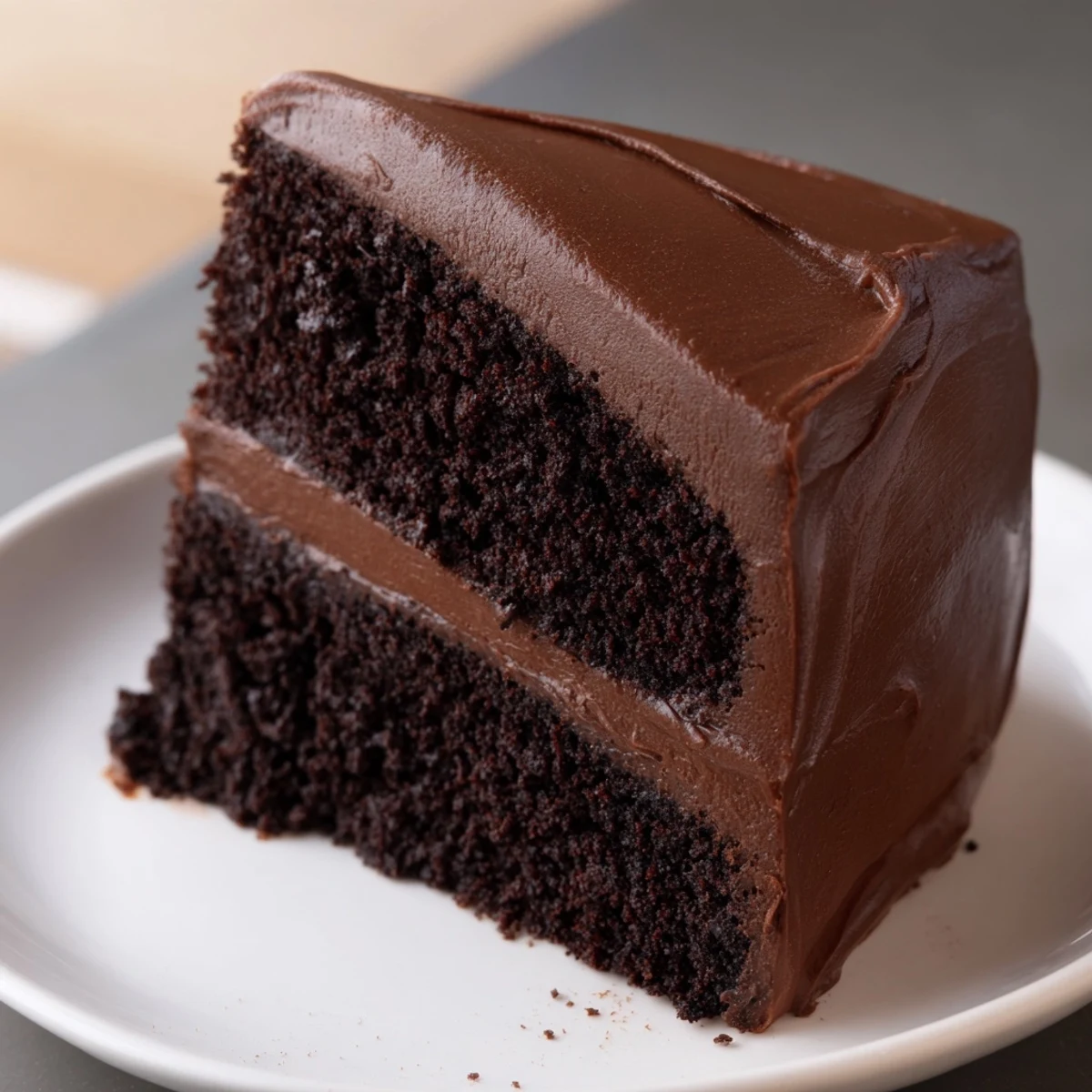
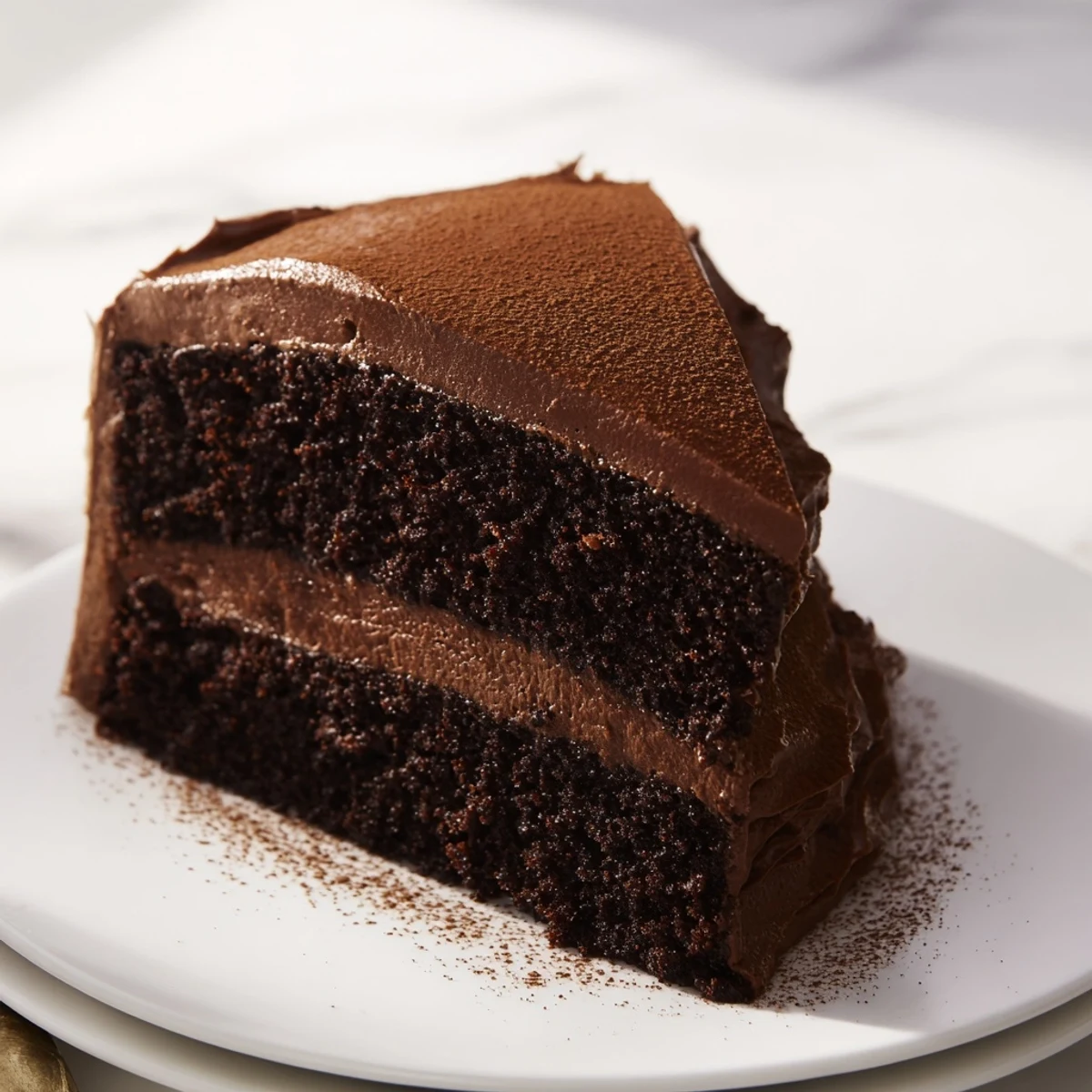
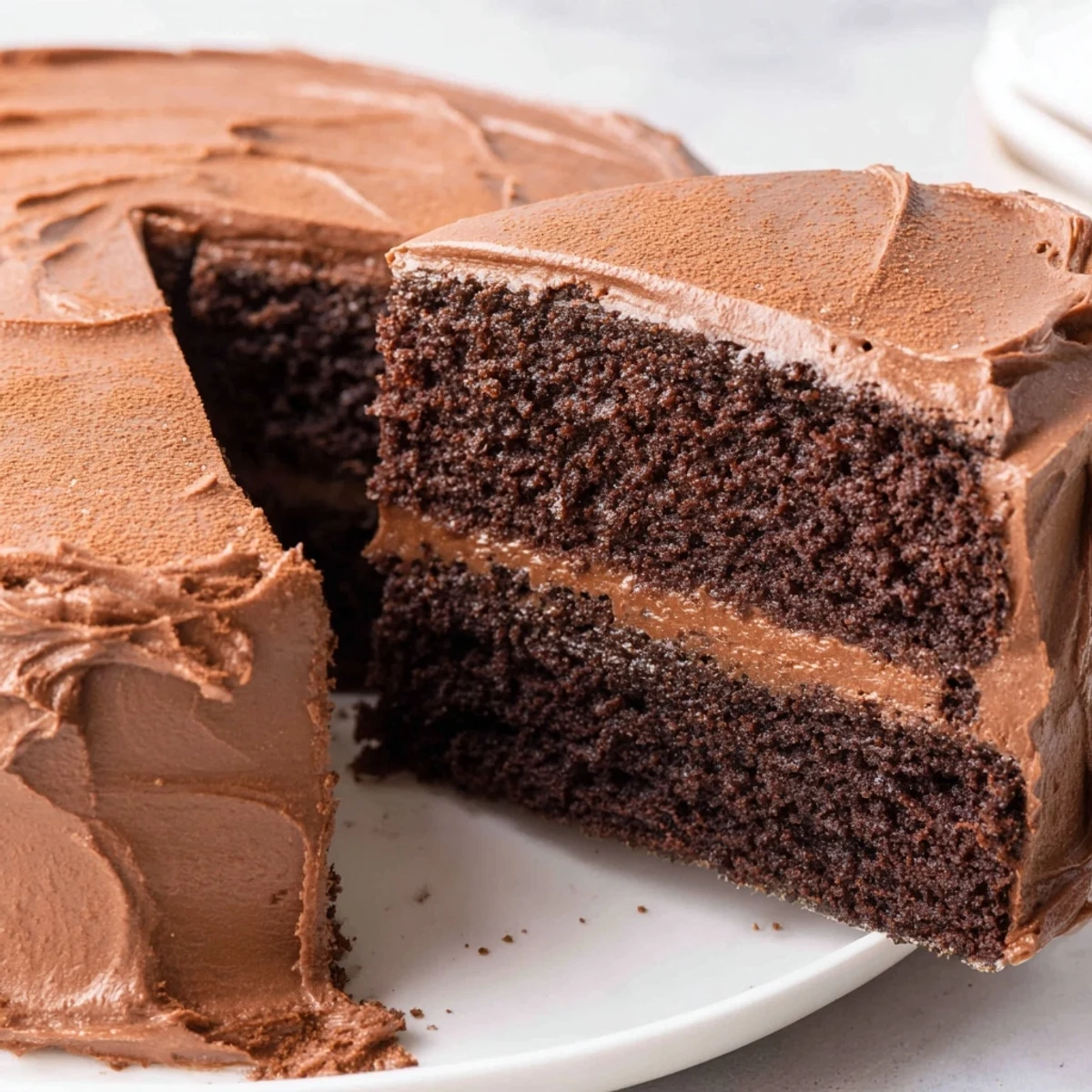
 This decadent chocolate layer features a tender and moist crumb, enhanced by unsweetened cocoa and vanilla. The batter combines dry ingredients like flour and cocoa powder with eggs, milk, oil, and boiling water to create a smooth, thin texture. After baking, two layers are cooled and generously coated with a creamy, cocoa-spiced frosting made from butter, powdered sugar, and milk. Serve slices with fresh berries or a scoop of ice cream for a truly indulgent experience.
My sister called on a Tuesday afternoon asking if I could make her favorite chocolate cake for her birthday dinner. I hadn't baked in months, but something about her voice—hopeful, a little uncertain—made me say yes before thinking twice. That evening, as the kitchen filled with the smell of cocoa and vanilla, I remembered why I loved this recipe: it never fails, it tastes like celebration, and somehow it always brings people together around the table.
The first time I made this cake was for a potluck at work, and I was genuinely nervous. But when I pulled those layers from the oven, golden and springy to the touch, I knew I'd found something special. One colleague came back for seconds, then thirds, and suddenly this humble recipe became the one people actually asked me to bring.
Ingredients
- All-purpose flour (1¾ cups): The base that keeps everything tender—don't sift it unless you like a dense cake.
- Unsweetened cocoa powder (¾ cup): Use good quality here; it's the main flavor player.
- Granulated sugar (2 cups): This amount is crucial for moisture and depth.
- Baking powder and baking soda (1½ tsp each): Together they create the perfect rise without any metallic aftertaste.
- Salt (½ tsp): A quiet ingredient that makes the chocolate sing.
- Eggs (2 large, room temperature): Room temperature eggs blend smoother and create a more tender crumb.
- Whole milk (1 cup): Any milk works, but whole milk gives the richest flavor.
- Vegetable oil (½ cup): Oil keeps this cake tender longer than butter alone ever could.
- Vanilla extract (2 tsp): Don't skip this—it rounds out all the chocolate notes beautifully.
- Boiling water (1 cup): This is the secret weapon that keeps the cake moist and prevents it from drying out.
- Unsalted butter for frosting (1 cup, softened): Softened butter is essential for a smooth, creamy frosting.
- Powdered sugar (3½ cups): Sift it to avoid lumps in your frosting.
- Cocoa powder for frosting (¾ cup): More cocoa means deeper chocolate flavor in every bite.
- Milk for frosting (¼ cup, plus more as needed): Add it gradually until you reach your ideal consistency.
Instructions
- Prepare your stage:
- Preheat the oven to 350°F and grease and flour two 9-inch round pans—this step matters more than you'd think. Cold pans can cause uneven baking, so let them sit at room temperature while your oven warms.
- Mix the dry team:
- Whisk together the flour, cocoa powder, sugar, baking powder, baking soda, and salt in a large bowl. The whisking aerates and combines everything evenly, which means fewer lumps and more consistent results.
- Bring it together:
- Add the eggs, milk, oil, and vanilla to the dry mixture and beat on medium speed for exactly 2 minutes. You'll notice the batter starts looking smooth and almost glossy—that's the sign it's ready.
- The thin batter moment:
- Stir in the boiling water carefully; yes, the batter will look dangerously thin and almost soup-like. This is exactly right and the reason your cake will be so moist.
- Into the pans:
- Pour the batter evenly between your prepared pans. A kitchen scale helps here, but eyeballing it usually works fine too.
- Bake with patience:
- Bake for 30-35 minutes until a toothpick inserted in the center comes out clean or with just a few moist crumbs. Every oven is different, so start checking at 30 minutes to avoid over-baking.
- Cool with intention:
- Let the cakes rest in their pans for exactly 10 minutes—this helps them firm up enough to turn out without crumbling. Then turn them out onto wire racks to cool completely before frosting; warm cake will melt your frosting.
- Build the frosting:
- Beat the softened butter until it's light and creamy, then sift in the powdered sugar and cocoa powder along with the salt and vanilla. Add the milk gradually while beating until you reach a spreadable consistency that's silky, not grainy.
- Layer and frost:
- Place the first cake layer on your serving plate, spread a thick layer of frosting on top, then carefully add the second layer. Frost the top and sides with confident strokes—imperfect frosting looks homemade and honest.
- The final touch:
- Let the frosted cake sit for 15 minutes before slicing so the frosting sets slightly and gives you clean, beautiful slices.
 Save to Pinterest
 Years ago, I learned that dessert is memory. My grandmother didn't say much, but the way she cut a slice of chocolate cake, set it on a small plate, and smiled—that said everything. Now when I make this cake, I'm not just following steps; I'm continuing something that matters.
Why This Recipe Works Every Time
The combination of oil and boiling water is what separates this cake from dense, dry versions that disappoint. Oil creates tenderness, boiling water dissolves the cocoa powder more completely and keeps the cake moist for days. The ratio of cocoa to flour is balanced so you get deep chocolate flavor without bitterness or that chalky texture some chocolate cakes have.
Customizing Your Chocolate Cake
This is a forgiving recipe that welcomes small changes without falling apart. Coffee enhances the chocolate dramatically—swap the boiling water for hot brewed coffee for a more sophisticated flavor. Chocolate chips stirred into the batter add pockets of extra richness, and a pinch of cayenne or cinnamon can deepen the chocolate notes in unexpected ways. For a lighter frosting, use half butter and half cream cheese, which cuts some of the sweetness while adding tang.
Serving and Storage Wisdom
This cake is best served at room temperature, which is when the frosting is creamy and the chocolate flavor is most vibrant. Store it covered at room temperature for up to three days, or wrap individual slices in plastic wrap and freeze for up to a month. Fresh berries, vanilla ice cream, or even a cold glass of milk are perfect companions, turning a simple slice into something memorable.
- Let the cake come to room temperature before slicing for clean, elegant pieces.
- Invest in an offset spatula for frosting—it makes the whole process feel professional and calm.
- Make this cake a day ahead if you're entertaining; flavors deepen and it's one less thing to worry about.
 Save to Pinterest
 Chocolate cake is one of those rare dishes that never goes out of style. Make it for birthdays, for no reason at all, or when someone needs a quiet reminder that they're loved.
Frequently asked questions about this recipe
- → How do I achieve a moist texture in this chocolate cake?
-
Using boiling water in the batter helps bloom the cocoa, making the cake moist and tender. Adding vegetable oil and whole milk also contributes to a rich texture.
- → Can I substitute ingredients to enhance the chocolate flavor?
-
Replacing boiling water with coffee intensifies the chocolate notes without altering the cake's moisture or texture.
- → What is the best way to frost the layers evenly?
-
Cool the cake layers completely before frosting. Use an offset spatula to spread a smooth, even coating between layers and on top.
- → How long should the cake be baked?
-
Bake for 30-35 minutes at 350°F (175°C) until a toothpick inserted in the center comes out clean.
- → Are there any allergen considerations to keep in mind?
-
This includes eggs, milk, and wheat gluten. Check cocoa labels for possible soy traces if allergies are a concern.
- → Can this cake be made vegan or dairy-free?
-
Substitutions like plant-based milk and egg replacers might work, but texture and flavor may vary from the original.