
 Save to Pinterest
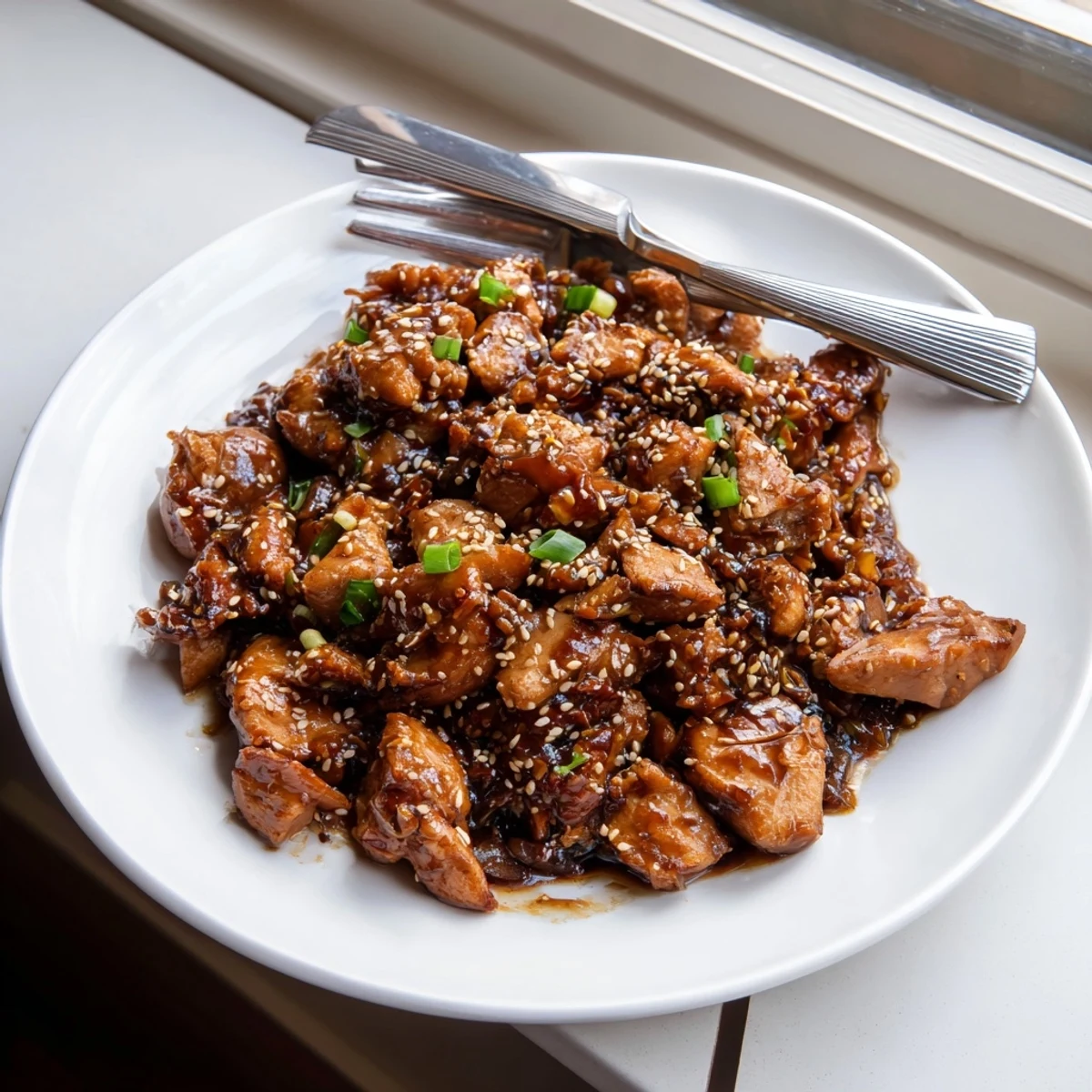
 This Asian-style stir-fry features golden chicken pieces coated in a thick, savory sauce. The garlic-ginger base creates aromatic depth while hoisin and brown sugar add subtle sweetness. The entire dish comes together in just 30 minutes, making it perfect for busy weeknights.
Cornstarch creates a light coating on the chicken, ensuring the sauce clings to every bite. Fresh scallions add bright contrast and sesame seeds provide a nutty finish. Serve over steamed rice for a complete meal.
The first time I made Mongolian Chicken, I was hosting a last-minute dinner for friends and needed something impressive but fast. I'd always been intimidated by stir-fry techniques, worried about overcooking the meat or ending up with a gloppy sauce. But watching that sauce bubble and thicken, coating each piece of chicken in this gorgeous mahogany glaze, I felt like I'd unlocked some secret kitchen magic. Now it's my go-to when I want takeout quality food without the delivery wait.
Last winter, during one of those relentless weeks where everything felt overwhelming, I threw this together on a Tuesday night. My roommate wandered into the kitchen, drawn by the smell of garlic and ginger hitting hot oil, and we ended up eating standing up at the counter. Something about that combination of comfort food and actually having the energy to cook it felt like a small victory against the chaos. Now whenever either of us has a rough day, we give each other that look that says Mongolian Chicken night.
Ingredients
- 1 lb boneless skinless chicken breasts, thinly sliced: Cutting against the grain into thin strips ensures every bite stays tender and cooks quickly
- 1/4 cup cornstarch: This creates that signature velvety coating and helps the sauce cling beautifully to each piece
- 1/4 tsp salt and 1/4 tsp black pepper: Just enough to season the meat without competing with the bold sauce flavors
- 2 tbsp vegetable oil: A neutral oil that can handle high heat frying without burning
- 2 tbsp soy sauce: The foundation of our sauce, bringing that essential umami depth
- 2 tbsp hoisin sauce: This is the secret ingredient that gives Mongolian dishes their distinctive sweet and savory complexity
- 2 tbsp brown sugar: Balances the salty components and helps create that gorgeous glossy finish
- 1/2 cup water: Thins the sauce just enough so it coats rather than clumps
- 2 tsp cornstarch: Transforms the liquid into that perfect restaurant-style glaze
- 2 cloves garlic, minced: Fresh garlic is non-negotiable here for that aromatic kick
- 1 tbsp fresh ginger, minced: Use fresh, not ground, for that bright, spicy warmth
- 4 scallions, sliced: Add these at different times for layers of fresh onion flavor
- Steamed rice and sesame seeds: The classic accompaniments that make this feel like a complete meal
Instructions
- Coat the chicken:
- In a large bowl, toss the sliced chicken with the cornstarch, salt, and pepper until every piece is evenly dusted. This coating is what gives the chicken that incredible texture and helps the sauce stick later.
- Sear the chicken:
- Heat the oil in a large skillet or wok over medium-high heat until it shimmers slightly. Arrange the chicken in a single layer and let it cook undisturbed for 2 to 3 minutes per side until golden and cooked through. Set aside on a plate.
- Whisk the sauce:
- In a small bowl, combine the soy sauce, hoisin, brown sugar, water, and cornstarch. Whisk until the cornstarch dissolves completely and the mixture is smooth.
- Bloom the aromatics:
- Add a splash more oil to the same skillet if needed, then toss in the garlic and ginger. Stir for about 30 seconds until fragrant but not browned.
- Build the sauce:
- Pour in the sauce mixture and bring it to a gentle simmer. Cook for 2 to 3 minutes, stirring constantly, until it thickens enough to coat the back of a spoon.
- Bring it together:
- Return the chicken to the skillet and toss to coat every piece in the sauce. Let it cook for 1 to 2 more minutes until heated through and everything is glossy.
- Finish and serve:
- Stir in half the scallions and serve immediately over steamed rice, topped with remaining scallions and sesame seeds.
 Save to Pinterest
 This recipe became my signature dish during my first year of teaching, when I'd bring leftovers to school and watch my colleagues' eyes light up as they reheated it in the breakroom microwave. Something about those aromatics filling the whole office made even the most exhausting Thursdays feel a little more manageable. Now whenever I make it, I think of that tiny staff kitchen and the way good food can turn coworkers into family.
Mastering the Sauce Consistency
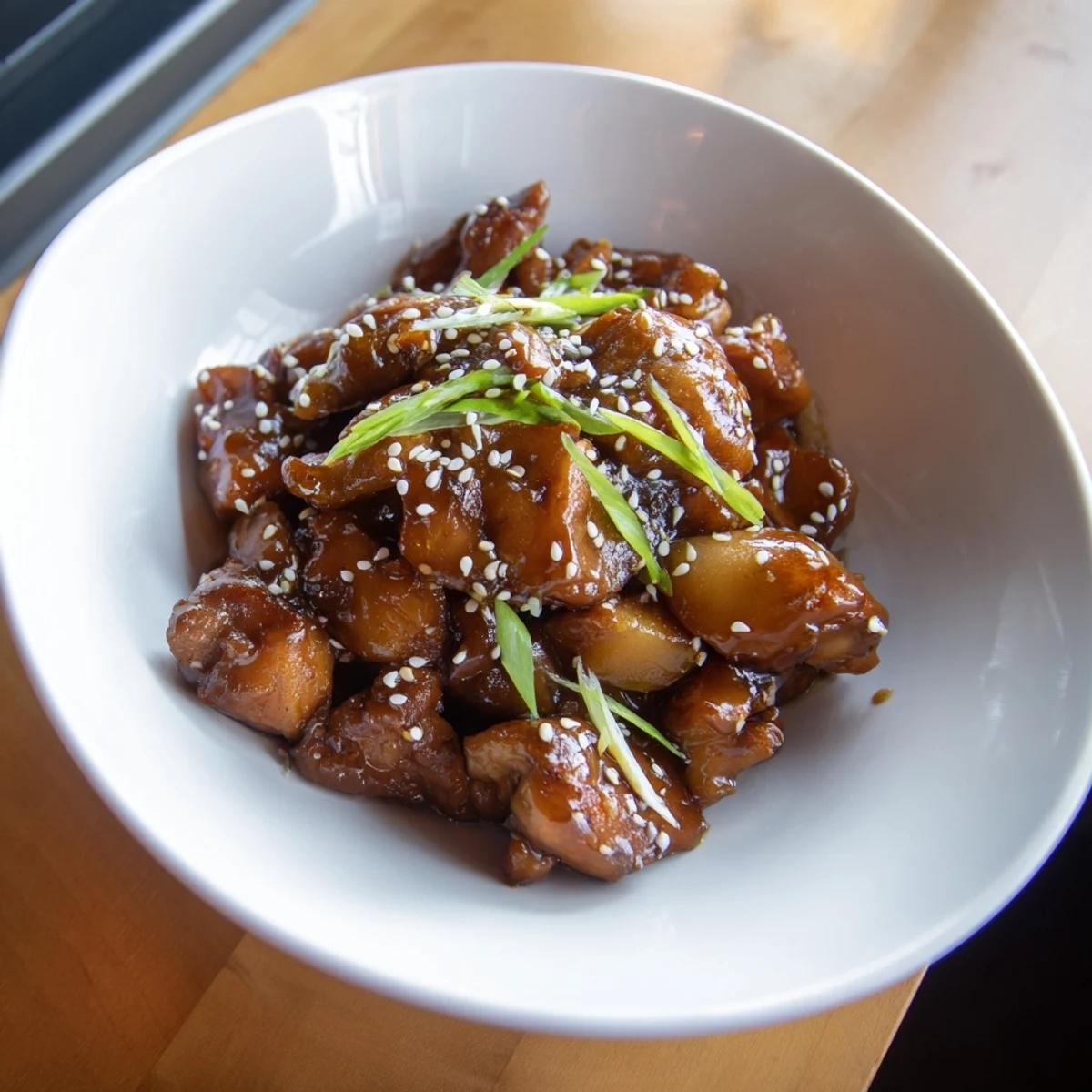
I learned through trial and error that the sauce's thickness is everything. Too thin and it won't coat properly, too thick and it becomes a gluey mess. The key is watching those bubbles closely as it simmers. You want it to reduce just enough that when you drag a spoon through it, the trail holds for a second before closing back up.
Perfecting Your Stir-Fry Technique
Hot wok, cold oil is the golden rule my friend's grandmother taught me during a cooking session that lasted three hours and produced the best stir-fry I've ever eaten. Make sure your pan is properly heated before adding ingredients, and resist the urge to constantly move the food around. Let it sear, let it develop that crust, that's where all the flavor lives.
Customization Ideas
The beauty of this recipe is how well it adapts to whatever you have on hand or whatever mood you're in. I've added everything from steamed broccoli to snap peas to bell peppers, and each variation brings something new to the table.
- Add red pepper flakes if you want a spicy version that packs a serious punch
- Swap in sliced mushrooms or bok choy for extra vegetables and bulk
- Try cashews or peanuts in the final minute for a satisfying crunch
 Save to Pinterest
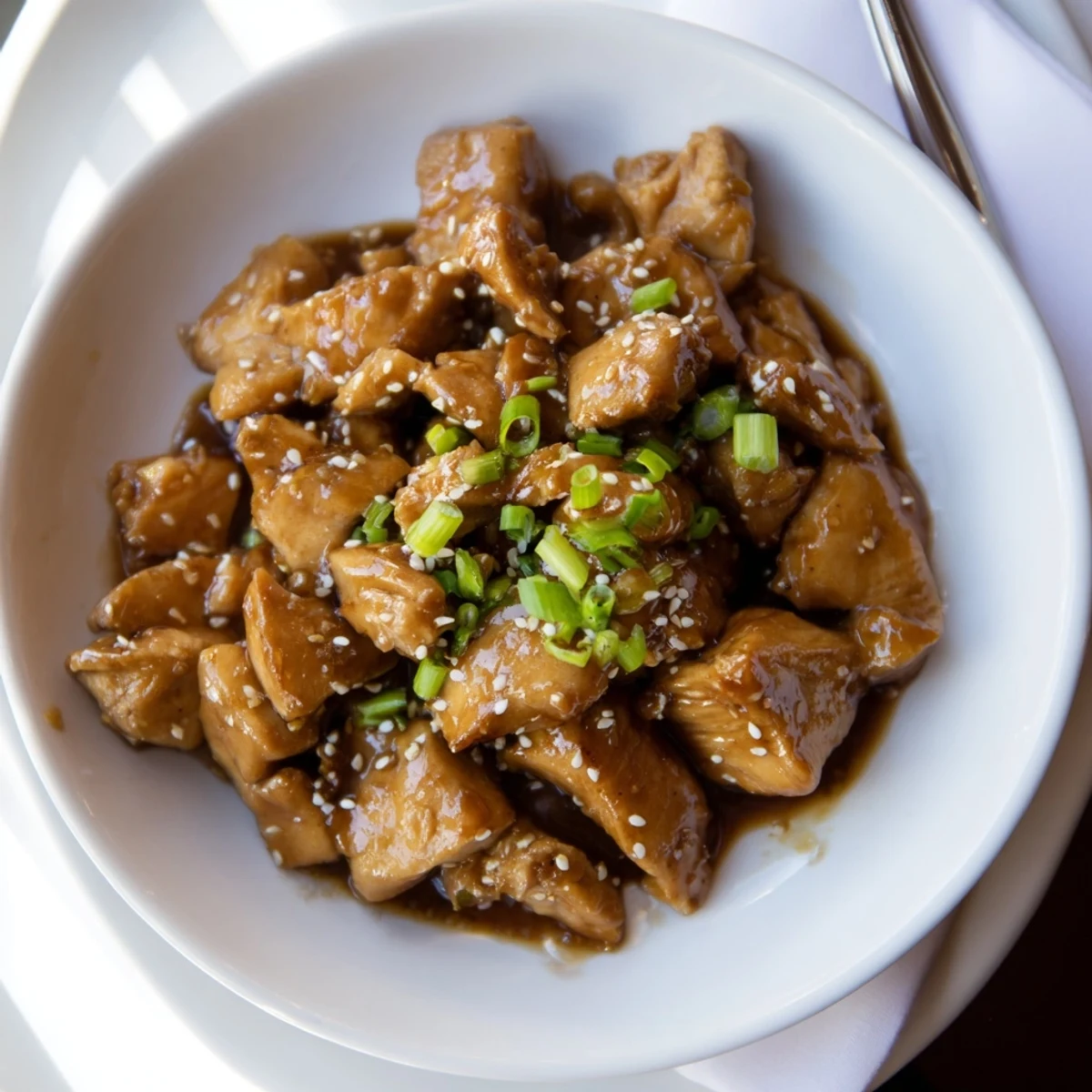
 There's something deeply satisfying about a recipe that comes together this quickly but tastes like it required way more effort. I hope this becomes your weeknight hero too.
Frequently asked questions about this recipe
- → What makes this dish authentic?
-
The combination of hoisin sauce, fresh ginger, and garlic creates the characteristic flavor profile. The cornstarch coating on chicken and the thick, glossy sauce are traditional techniques that make this dish restaurant-quality.
- → Can I use chicken thighs instead?
-
Absolutely. Boneless, skinless chicken thighs work wonderfully and add extra richness. Slice them thinly and adjust cooking time by 1-2 minutes to ensure they're cooked through.
- → How do I prevent the sauce from becoming too thick?
-
The sauce naturally thickens as it cools. If it becomes too thick while cooking, simply add water 1 tablespoon at a time until you reach the desired consistency. The sauce should coat the back of a spoon.
- → What vegetables can I add?
-
Broccoli florets, bell pepper strips, snap peas, or sliced carrots all complement the flavors well. Add stir-fried vegetables during the final 2 minutes of cooking to maintain their crunch.
- → Can I make this ahead?
-
The sauce can be prepared up to 2 days in advance and stored refrigerated. For best results, cook the chicken fresh as reheated chicken may become rubbery. The sauce reheats beautifully in the microwave.
- → Is this dish spicy?
-
No, this version is not spicy. The heat level comes from the ginger and garlic, which provide warmth without burning spice. Add red pepper flakes if you prefer a spicy kick.