
 Save to Pinterest
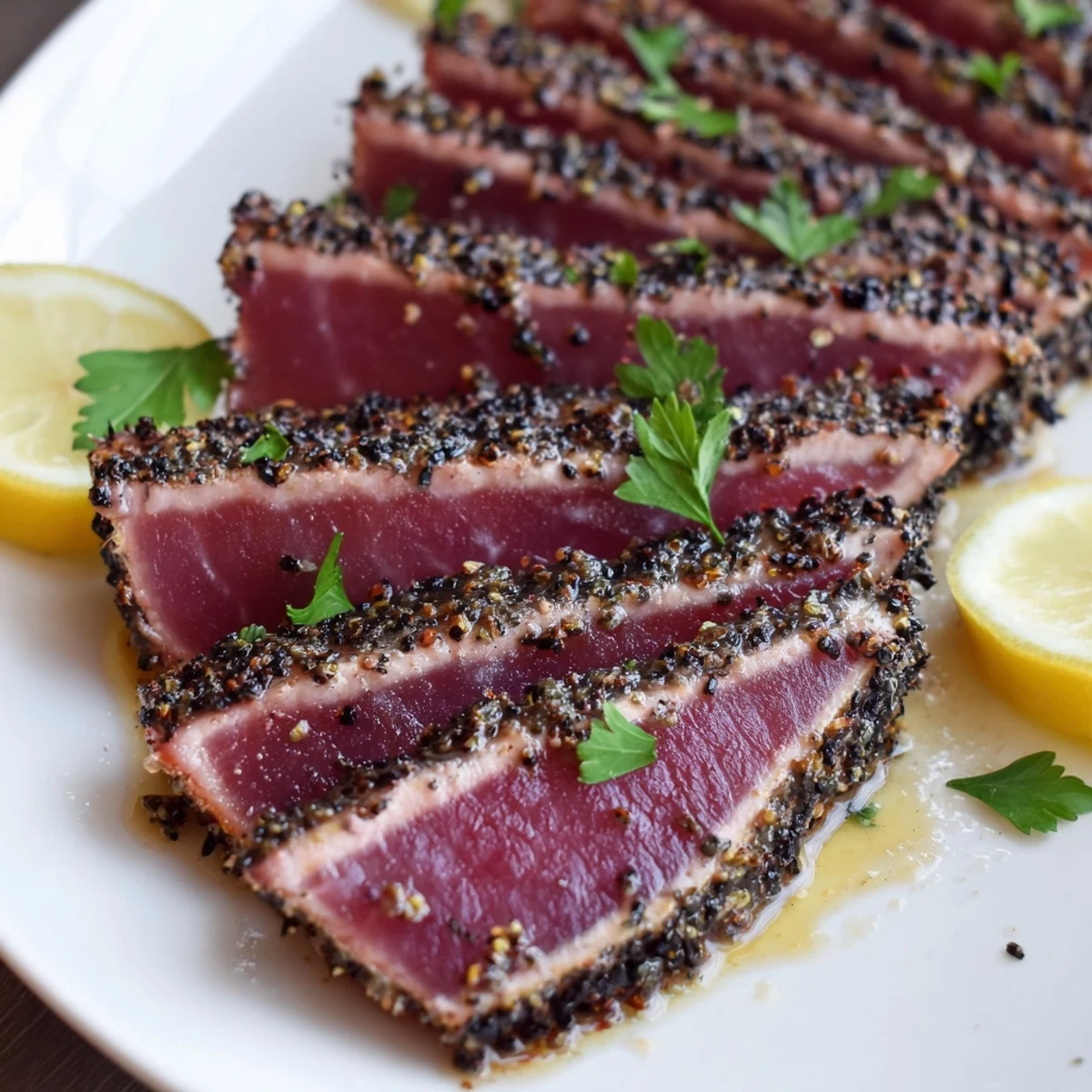
 This dish features fresh tuna steaks quickly seared in a hot skillet to develop a crispy crust while maintaining a tender, rare center. Simple seasoning with olive oil, soy sauce, lemon juice, and spices enhances the natural flavors of the fish. Ready in under 20 minutes, it's perfect for a fast, nutritious meal with optional garnishes like lemon wedges and fresh herbs. Ideal for gluten-free and low-carb diets, it pairs well with steamed vegetables or rice.
I bought tuna steaks on a whim one Thursday after work, drawn in by their deep ruby color at the fish counter. I had no plan, just a vague memory of a seared tuna dish I'd loved years ago at a tiny restaurant by the harbor. That night, I heated my cast iron skillet until it smoked, seared the steaks for barely three minutes total, and sliced into the most tender, pink-centered fish I'd ever made at home.
The first time I made this for friends, I was nervous about the timing, convinced I'd ruin expensive fish. But when I sliced into those steaks and saw the perfect gradient from seared edge to jewel-toned center, everyone went quiet for a moment before reaching for their forks. It became the dish I make when I want to remind myself that restaurant-quality food isn't out of reach.
Ingredients
- Tuna steaks: Freshness is everything here, look for firm, bright red flesh with no fishy smell, and ask your fishmonger for sushi-grade if you plan to keep the center very rare.
- Olive oil: This creates the initial sear and prevents sticking, but don't drown the fish, just a light brush on each side does the job.
- Soy sauce: It adds a savory depth that complements the tuna's natural richness without overpowering it, and tamari works perfectly if you need it gluten-free.
- Lemon juice: A small splash brightens the marinade and cuts through the oiliness, giving the crust a subtle tang.
- Sea salt and black pepper: Coarse salt creates little pockets of crunch on the surface, and freshly cracked pepper adds a gentle heat that blooms in the high heat.
- Garlic powder: Just a hint in the rub brings warmth without the risk of burning fresh garlic in a screaming-hot pan.
- Lemon wedges and herbs: A squeeze of fresh lemon at the table and a sprinkle of parsley or chives add color and a final burst of freshness.
Instructions
- Prep the tuna:
- Pat the steaks completely dry with paper towels, moisture is the enemy of a good sear. Any wetness will steam the fish instead of crisping it.
- Brush with oil:
- Lightly coat both sides of each steak with olive oil, using your fingers or a pastry brush. This thin layer helps the seasonings stick and prevents the tuna from tearing when you flip it.
- Season generously:
- Mix the soy sauce, lemon juice, salt, pepper, and garlic powder in a small bowl, then rub it evenly over every surface of the tuna. Let it sit for a minute or two while your pan heats up.
- Heat the skillet:
- Place your heaviest skillet over high heat and let it get ripping hot, you should see a faint shimmer and feel the heat radiating when you hold your hand above it. Cast iron is ideal because it holds heat so well.
- Sear the steaks:
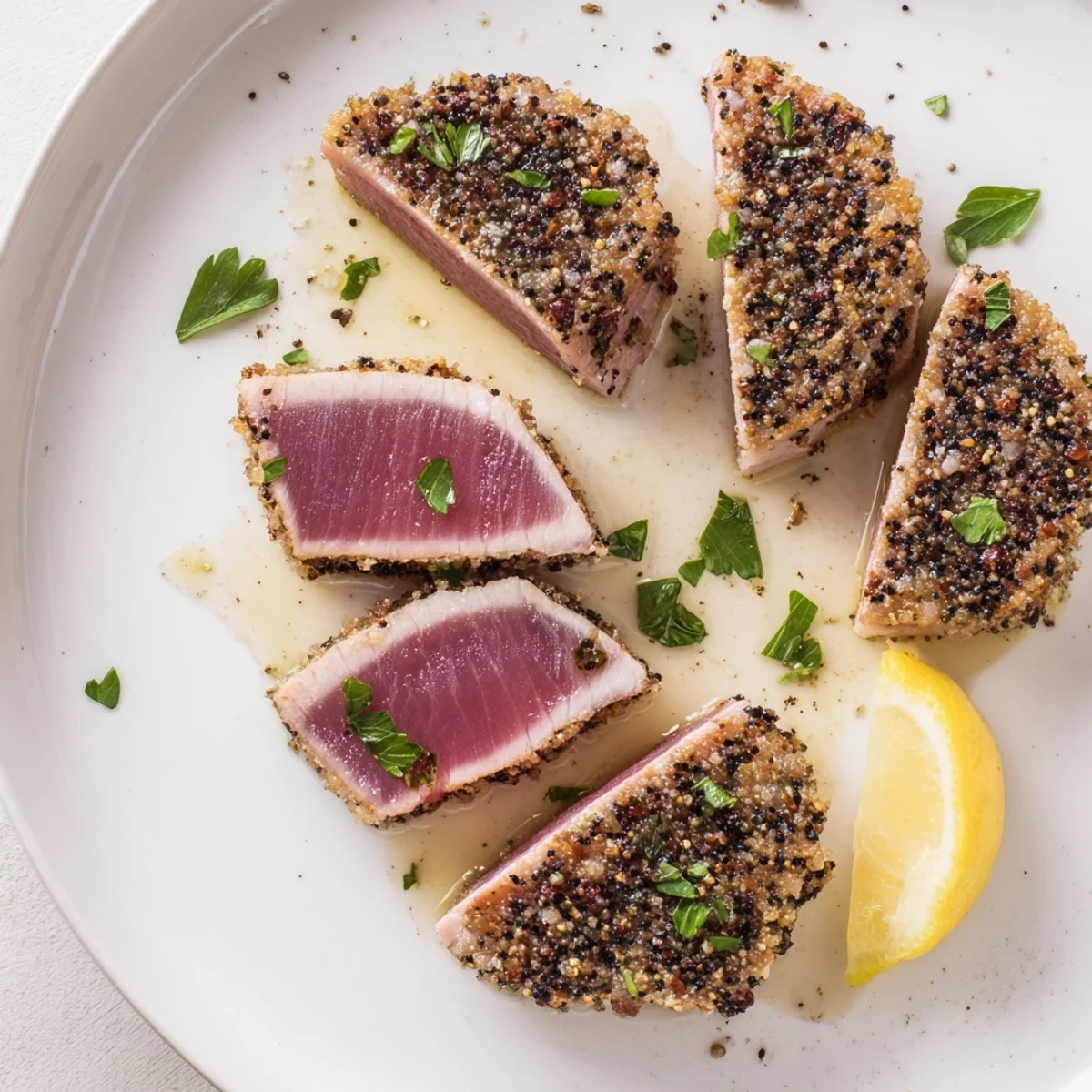
- Lay the tuna steaks in the pan without moving them, and let them sear undisturbed for one and a half to two minutes per side for a rare center. Resist the urge to peek or shift them around.
- Rest and slice:
- Transfer the steaks to a cutting board and let them rest for two minutes to let the juices settle. Slice against the grain into thick pieces, and you'll see that gorgeous gradient from charred edge to rosy middle.
 Save to Pinterest
 I remember serving this on a summer evening with nothing but a simple arugula salad and a cold glass of white wine. My neighbor, who usually claims she doesn't like fish, asked for the recipe before she even finished her plate. That's when I realized this dish has a way of converting people.
Choosing Your Tuna
At the fish counter, I always ask when the tuna arrived and whether it's been frozen. Sushi-grade is a good sign, but more importantly, the flesh should look moist and smell like the ocean, not fishy or ammonia-like. If the edges look dry or brown, keep looking. I've learned that spending a little more on quality tuna is worth it, because there's nowhere for mediocre fish to hide in such a simple preparation.
Getting the Sear Right
The first time I tried this, I panicked and flipped the steaks too early, leaving half the crust stuck to the pan. Now I know that patience is the secret. Once the tuna hits the skillet, leave it alone and let the heat do its work. You'll see the edges start to turn opaque and the crust will release naturally when it's ready. If it sticks, it's not done yet.
Serving Suggestions
I love pairing this with steamed jasmine rice and a drizzle of toasted sesame oil, or sometimes I'll serve it over a bed of soba noodles tossed with soy and ginger. On lighter nights, a handful of mixed greens with a citrus vinaigrette is all you need. The tuna is rich enough to stand on its own, but it also plays well with bold flavors like wasabi, pickled ginger, or even a quick mango salsa.
- If you want to stretch this for more people, slice the tuna thin and serve it over a grain bowl with avocado and edamame.
- Leftover seared tuna, if you somehow have any, makes an incredible next-day salad or poke bowl.
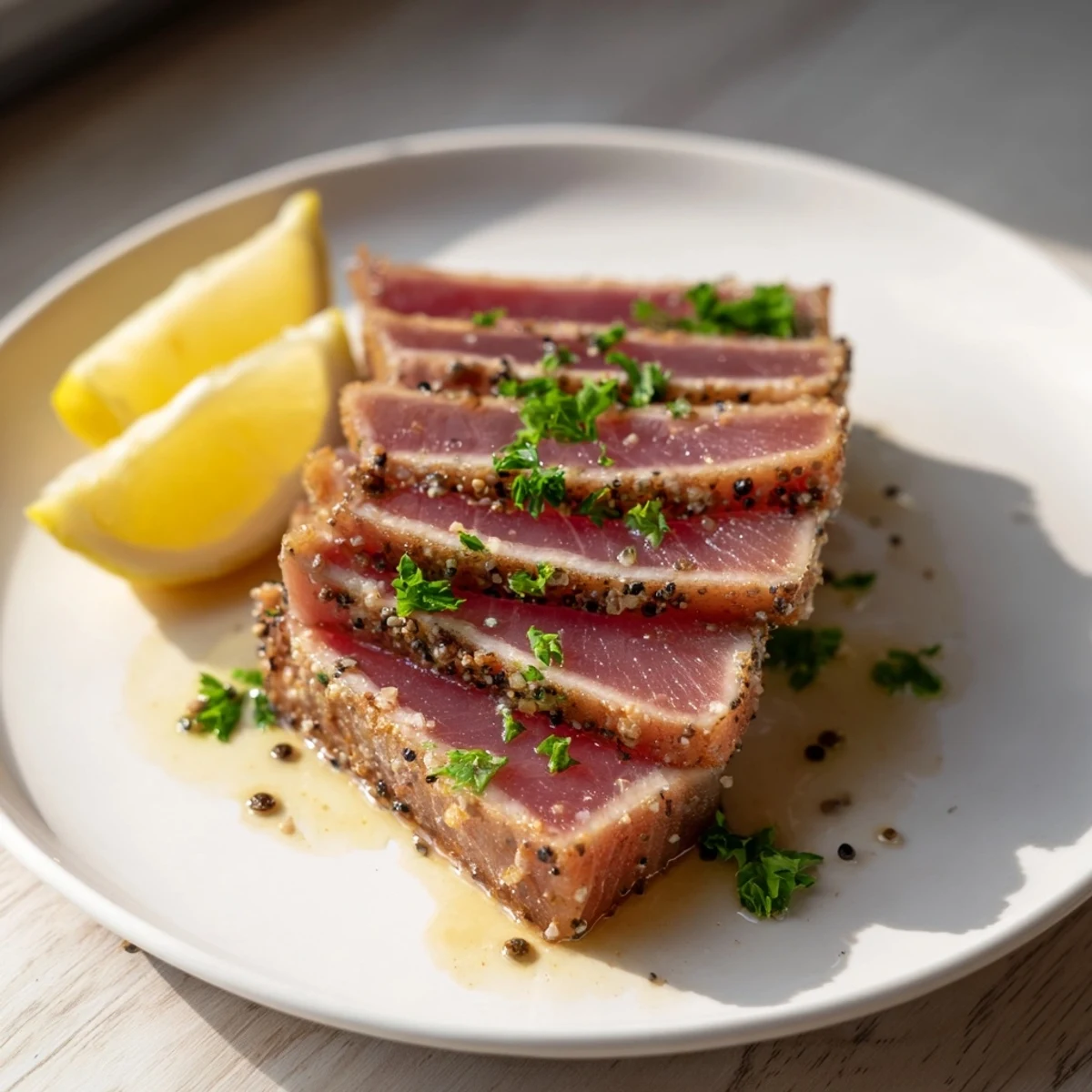
- For a fancier presentation, fan the slices on the plate and garnish with microgreens and a drizzle of reduced balsamic.
 Save to Pinterest
 This recipe taught me that some of the best meals come from the simplest techniques done with care. I hope it brings you as much quiet satisfaction as it's brought me, standing at the stove with a hot pan and a little confidence.
Frequently asked questions about this recipe
- → How do I achieve a crispy crust on tuna steaks?
-
Use a heavy skillet over high heat and sear each side briefly, typically 1½ to 2 minutes, to develop a crispy outer layer while keeping the inside tender.
- → What is the best doneness for tuna steaks?
-
Tuna is best enjoyed rare to medium-rare to preserve its moistness and tender texture. Avoid overcooking to prevent dryness.
- → Can I substitute soy sauce for a gluten-free option?
-
Yes, tamari is an excellent gluten-free alternative to soy sauce that maintains the savory flavor in the seasoning.
- → What sides complement pan seared tuna well?
-
Light salads, steamed rice, or sautéed vegetables balance the richness of tuna and make for a complete meal.
- → How should I prepare tuna steaks before cooking?
-
Pat them dry with paper towels and brush both sides with olive oil before seasoning to ensure even searing.
- → Can I add extra flavor to the seasoning?
-
Adding chili flakes or a drizzle of toasted sesame oil before serving introduces a spicy or nutty twist to the dish.