
 Save to Pinterest
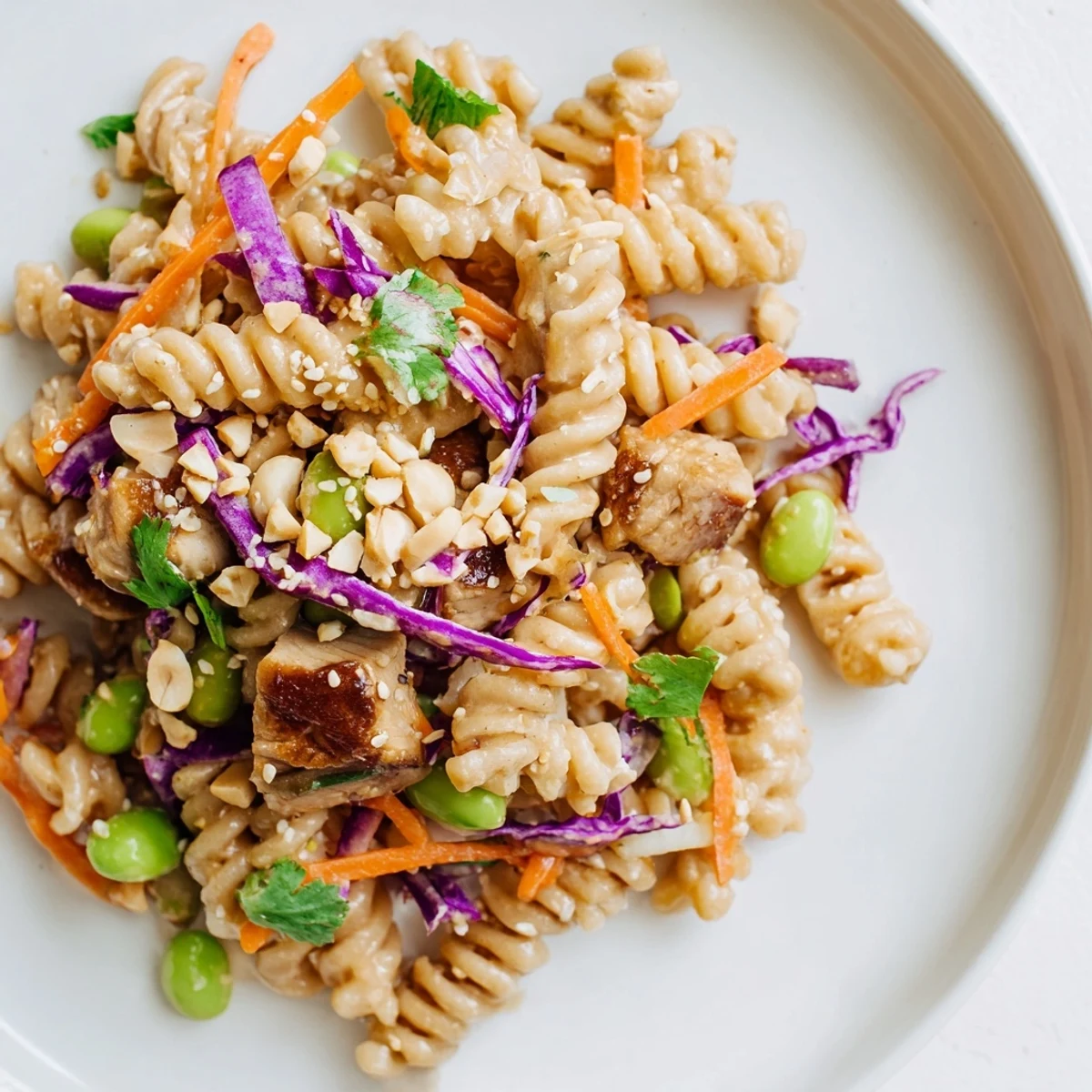
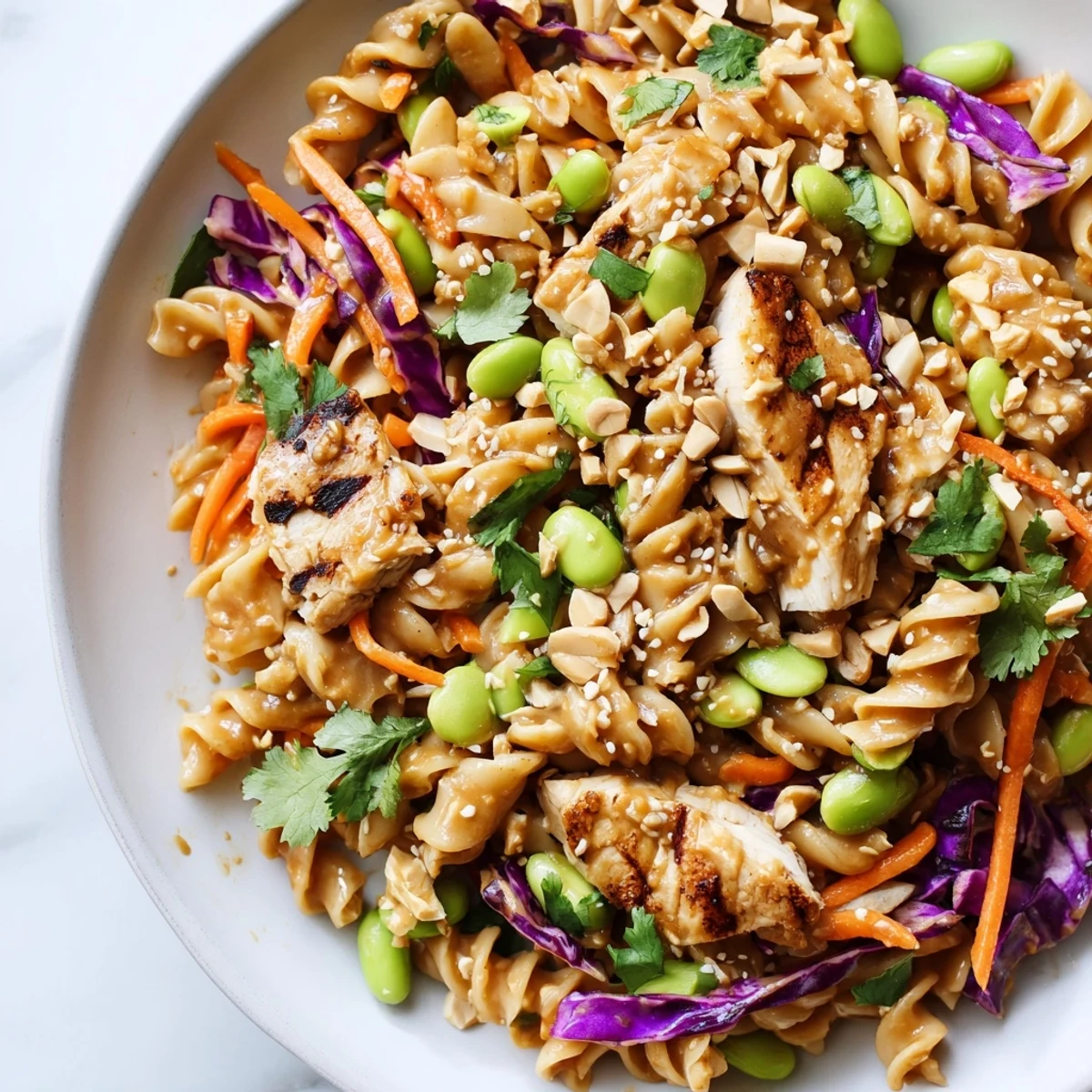
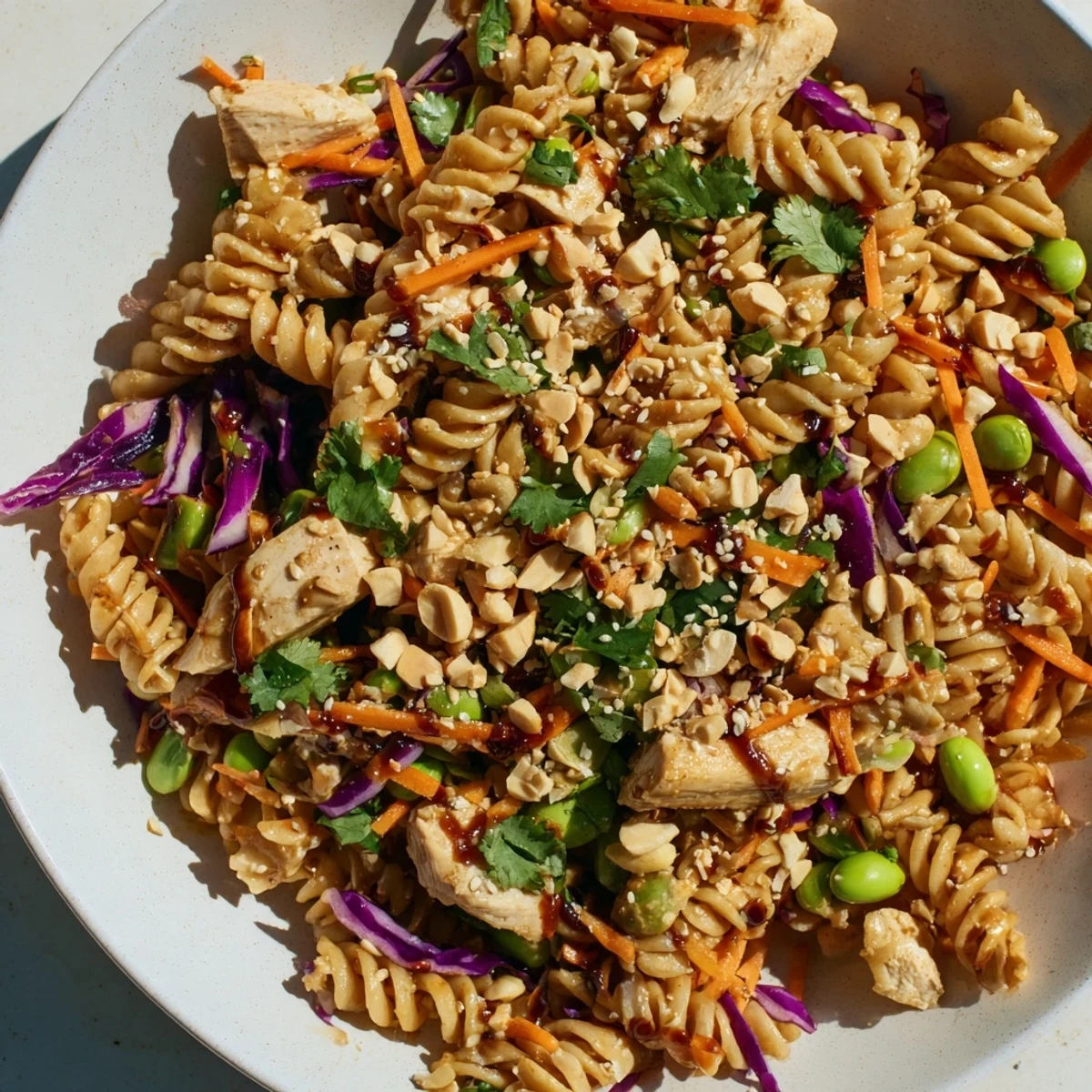
 This protein-packed Thai pasta brings together tender whole wheat pasta, juicy grilled chicken, and a colorful medley of crisp vegetables including bell pepper, shredded cabbage, and julienned carrot.
The star of the dish is a creamy peanut dressing made with natural peanut butter, soy sauce, lime juice, and a hint of Sriracha that coats every bite with bold Thai-inspired flavors.
Ready in just 32 minutes, it yields four generous servings and keeps well in the fridge for up to three days, making it an excellent choice for weekday lunches or make-ahead meals.
The summer I discovered Thai peanut dressing, I was living in a cramped apartment with a broken air conditioner and a fridge that hummed like a diesel engine at three in the morning. Pasta salad had always struck me as boring, the kind of thing you reluctantly scoop onto a paper plate at a potluck and forget about five minutes later. Then a friend dragged me to a tiny strip mall Thai restaurant where the owner tossed cold noodles in a sauce so tangy and rich it rewired my brain on the spot. I went home and immediately started dumping peanut butter into everything, and this salad was the beautiful accident that came out of it.
I brought a massive bowl of this to a backyard barbecue once and watched a guy who swore he hated cold pasta go back for his third helping while pretending to graze near the buffet table. His wife caught him and just laughed, and that pretty much sums up the persuasive power of a good peanut sauce.
Ingredients
- Whole wheat pasta (225 g): Rotini and farfalle are ideal because their shapes trap the dressing in every fold and curve.
- Cooked chicken breast or firm tofu (300 g): Grilled chicken adds smokiness, but pressed and pan seared tofu soaks up the dressing like a sponge and makes this completely plant based.
- Edamame (75 g): These little green gems add a satisfying pop of protein and a buttery texture that contrasts beautifully with the crunch of raw vegetables.
- Red bell pepper: Slice it thin so it distributes sweetness in every bite rather than clumping into big unwieldy chunks.
- Carrot: Julienned is best because matchstick sized pieces blend into the salad instead of dominating it.
- Purple cabbage (1 cup): The color bleeds slightly into the dressing and turns it a gorgeous muted purple, which I genuinely love.
- Spring onions: These provide a sharp bite that cuts through the richness of the peanut butter.
- Cucumber (1/2): Half moons are the right shape here because they stay crisp without releasing too much water into the salad.
- Fresh cilantro (3 tbsp): Skip it if you are genetically opposed, but if you tolerate it, the herbal brightness pulls everything together.
- Natural peanut butter (60 g): Use the kind with no added sugar or oils so you control the sweetness and consistency yourself.
- Low sodium soy sauce (2 tbsp): Tamari works perfectly for a gluten free version and tastes nearly identical in the finished dressing.
- Rice vinegar (1 tbsp): This mild acidity balances the fat in the peanut butter without making the sauce taste sour.
- Honey or maple syrup (2 tsp): Maple syrup is the move for vegans and adds a deeper caramel note than honey.
- Fresh lime juice (2 tsp): Always squeeze it fresh because the bottled stuff tastes flat and metallic by comparison.
- Sesame oil (1 tsp): A tiny amount goes a long way and gives the dressing that unmistakable toasty aroma.
- Sriracha (1 to 2 tsp): Optional but recommended because a gentle background heat makes all the other flavors more interesting.
- Warm water (2 to 3 tbsp): Add gradually because the dressing thins quickly and you want it pourable, not watery.
- Roasted peanuts (2 tbsp): Roughly chop them right before serving so they stay crunchy and fragrant.
- Toasted sesame seeds (1 tbsp): A quick toast in a dry pan turns pale seeds into something nutty and golden in about two minutes.
Instructions
- Cook and cool the pasta:
- Boil the pasta in well salted water until just past al dente, then drain and rinse thoroughly under cold running water until completely cool to the touch. Spread it out on a sheet pan if you are in a hurry because warm pasta will wilt the vegetables and turn your salad into a sad warm mush.
- Prepare your protein:
- Slice grilled chicken breast into bite sized strips, or cut pressed tofu into cubes and sear them in a hot skillet with a splash of oil until golden on at least two sides. Let the protein cool before adding it to the salad so nothing steams together.
- Whisk the dressing:
- Combine peanut butter, soy sauce, rice vinegar, honey or maple syrup, lime juice, sesame oil, and sriracha in a bowl and whisk until smooth. Add warm water one tablespoon at a time, whisking after each addition, until the dressing flows off the spoon like a creamy sauce rather than clinging in a thick clump.
- Build the salad:
- Toss the cooled pasta, protein, edamame, bell pepper, carrot, cabbage, spring onions, cucumber, and cilantro together in your largest mixing bowl. Get your hands in there if needed because the vegetables tend to hide at the bottom otherwise.
- Dress and toss:
- Pour the dressing over everything and toss with enthusiasm, using tongs or two large spoons to lift from the bottom and fold repeatedly. Stop when every strand of pasta glistens and no pocket of undressed vegetables remains.
- Finish and serve:
- Scatter chopped peanuts and sesame seeds across the top and serve immediately, or tuck the whole bowl into the fridge for an hour or two so the flavors settle and deepen.
 Save to Pinterest
 There is something deeply satisfying about opening the fridge at noon on a sweltering Wednesday and finding a bowl of this waiting, already perfect, needing nothing but a fork.
Smart Swaps and Additions
Snap peas, bean sprouts, or thinly sliced radishes all belong in this salad if you have them lurking in your crisper drawer. Quinoa pasta makes it gluten free, and the nutty flavor of quinoa actually complements the peanut dressing better than you might expect.
Making It Ahead
This salad is one of the rare dishes that genuinely tastes better on day two, which makes it an ideal candidate for Sunday meal prep. Keep the dressing separate if you are stretching it to day three, because by then the cabbage starts to soften and you want to preserve every bit of crunch you can.
Allergen Notes to Keep in Mind
This recipe contains peanuts, soy, and wheat in its standard form, but substitutions exist for all three if you cook thoughtfully.
- Sunflower seed butter can replace peanut butter for a school safe version, though the flavor skews slightly earthier.
- Coconut aminos stand in for soy sauce and reduce sodium while keeping that savory umami character intact.
- Always recheck labels on sriracha and peanut butter brands because hidden allergens love to hide in condiment aisles.
 Save to Pinterest
 Keep a batch in the fridge and you will never dread lunch again. It is the kind of recipe that earns a permanent spot in your rotation without even trying.
Frequently asked questions about this recipe
- → Can I make this Thai pasta salad ahead of time?
-
Absolutely. This dish actually benefits from resting in the fridge for 1-2 hours, allowing the peanut dressing to soak into the pasta and vegetables. It stores well for up to 3 days in an airtight container, making it ideal for meal prep.
- → What can I substitute for chicken to make it vegetarian?
-
Firm tofu works perfectly as a plant-based alternative. Cube the tofu and pan-sear it until golden on all sides. You will also want to swap honey for maple syrup in the dressing to keep the dish fully vegan.
- → How do I adjust the spiciness of the peanut dressing?
-
The Sriracha is listed as optional, so you can omit it entirely for a mild dressing. For gentle heat start with 1 teaspoon, and for a noticeably spicy kick use up to 2 teaspoons or add a dash of chili flakes when serving.
- → Is there a gluten-free version of this dish?
-
Yes. Use gluten-free pasta such as quinoa or rice pasta, and replace the soy sauce with tamari. All other ingredients including the peanut butter, rice vinegar, and sesame oil are naturally gluten-free.
- → What pasta shapes work best for this salad?
-
Rotini, farfalle, and penne are all excellent choices because their ridges and curves hold the peanut dressing well. Avoid long noodles like spaghetti, as they tend to clump together once coated and chilled.
- → Can I add more vegetables to this dish?
-
Snap peas, bean sprouts, shredded lettuce, or thinly sliced radishes all pair beautifully with the Thai-inspired flavors. Add them at the same stage as the other vegetables and toss everything together with the dressing.