
 Save to Pinterest
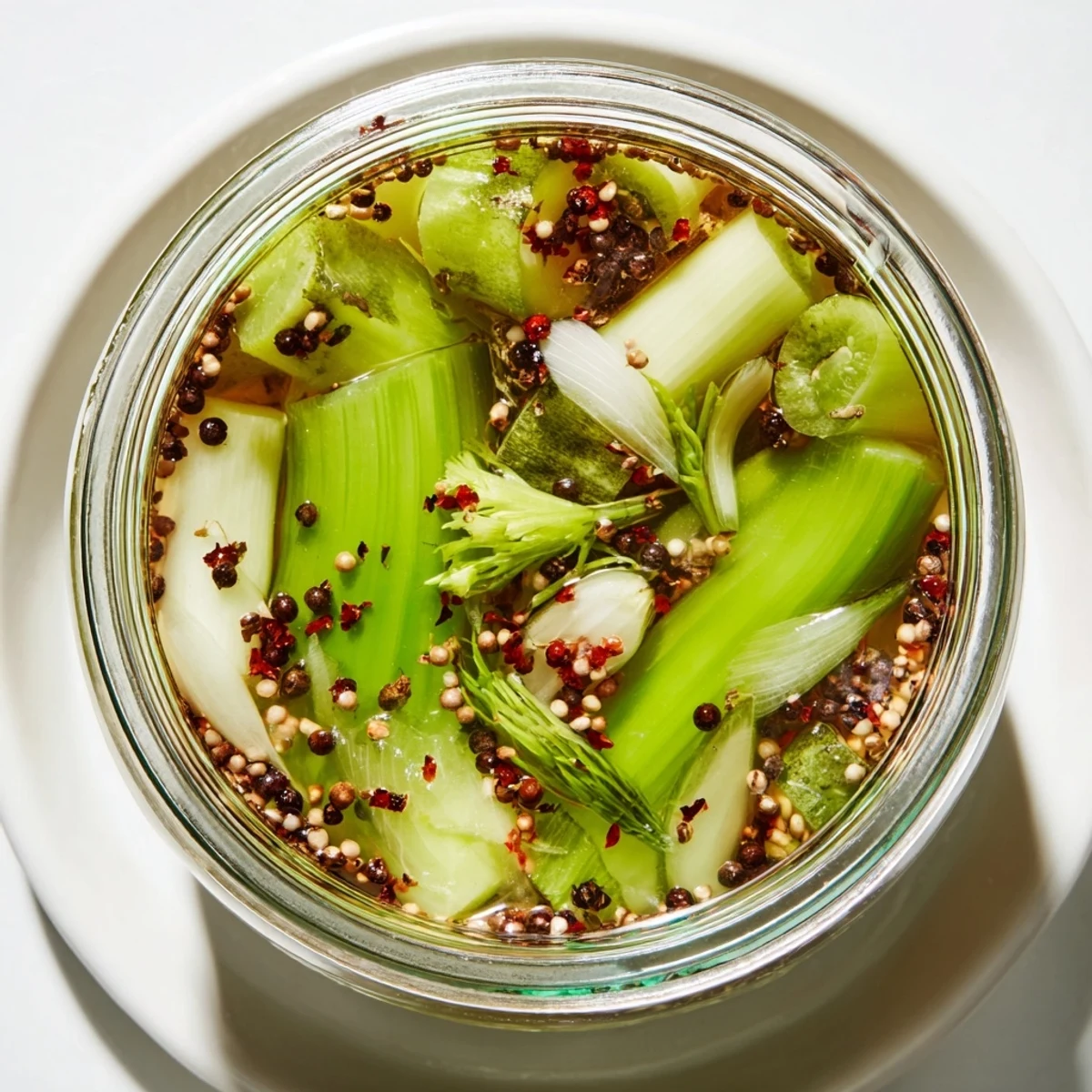
 Transform ordinary celery into a vibrant, tangy condiment that elevates everything from weekend Bloody Marys to weekday sandwiches. These quick-pickled stalks develop their signature crunch and zest in just two hours of refrigeration, though they only improve with a few extra days of marinating.
The brine balances white vinegar's bright acidity with subtle sweetness, while mustard seeds, peppercorns, and optional red pepper flakes create layers of flavor. Slice your celery uniformly for even pickling, and don't shy away from adding a garlic clove or fresh dill sprig for aromatic depth.
Keep a jar in your refrigerator for instant texture and flavor upgrades—tuck into salads, layer onto burgers, or enjoy straight from the jar as a satisfying snack.
The crunch of perfectly pickled celery caught me completely off guard during a summer barbecue years ago. My friend Sarah tossed a jar of these onto the table beside the burgers, and within minutes, everyone was abandoning their buns to snack on these tangy ribbons instead. That afternoon changed everything I thought about celery, transforming it from background crunch to the star of the show.
Last winter, I started keeping a steady jar on the counter, and my husband began eating them straight from the container while cooking dinner. Something about that snap followed by the tangy brine became his favorite kitchen ritual, and now I make double batches just to keep up. Theyve rescued countless plain meals from boredom.
Ingredients
- 4 large celery stalks: Slice these ¼ inch thick for the perfect crunch to brine ratio
- 1 small shallot: Thinly sliced adds a mellow sweetness that plays beautifully with the vinegar
- ½ cup white vinegar or apple cider vinegar: The foundation of your brine, choose based on what you have on hand
- ½ cup water: Softens the vinegar just enough so the acidity doesnt overwhelm
- 1 tablespoon sugar: Crucial for balancing the sharpness and helping the celery stay crisp
- 1 teaspoon kosher salt: Pulls moisture out of the celery and seasons it from the inside
- ½ teaspoon whole black peppercorns: Subtle warmth that builds as the pickles sit
- ½ teaspoon mustard seeds: Classic pickling spice that adds depth and gentle heat
- ¼ teaspoon crushed red pepper flakes: Optional but recommended for a tiny kick at the finish
Instructions
- Pack your jar:
- Place the sliced celery and shallot into a clean pint jar, pressing them down gently to fit as much as possible
- Heat the brine:
- Combine vinegar, water, sugar, salt, peppercorns, mustard seeds, and red pepper flakes in a small saucepan over medium heat, stirring until the sugar and salt dissolve
- Pour and submerge:
- Once the brine simmers, pour it over the celery immediately, ensuring all pieces are completely covered by the liquid
- Cool and wait:
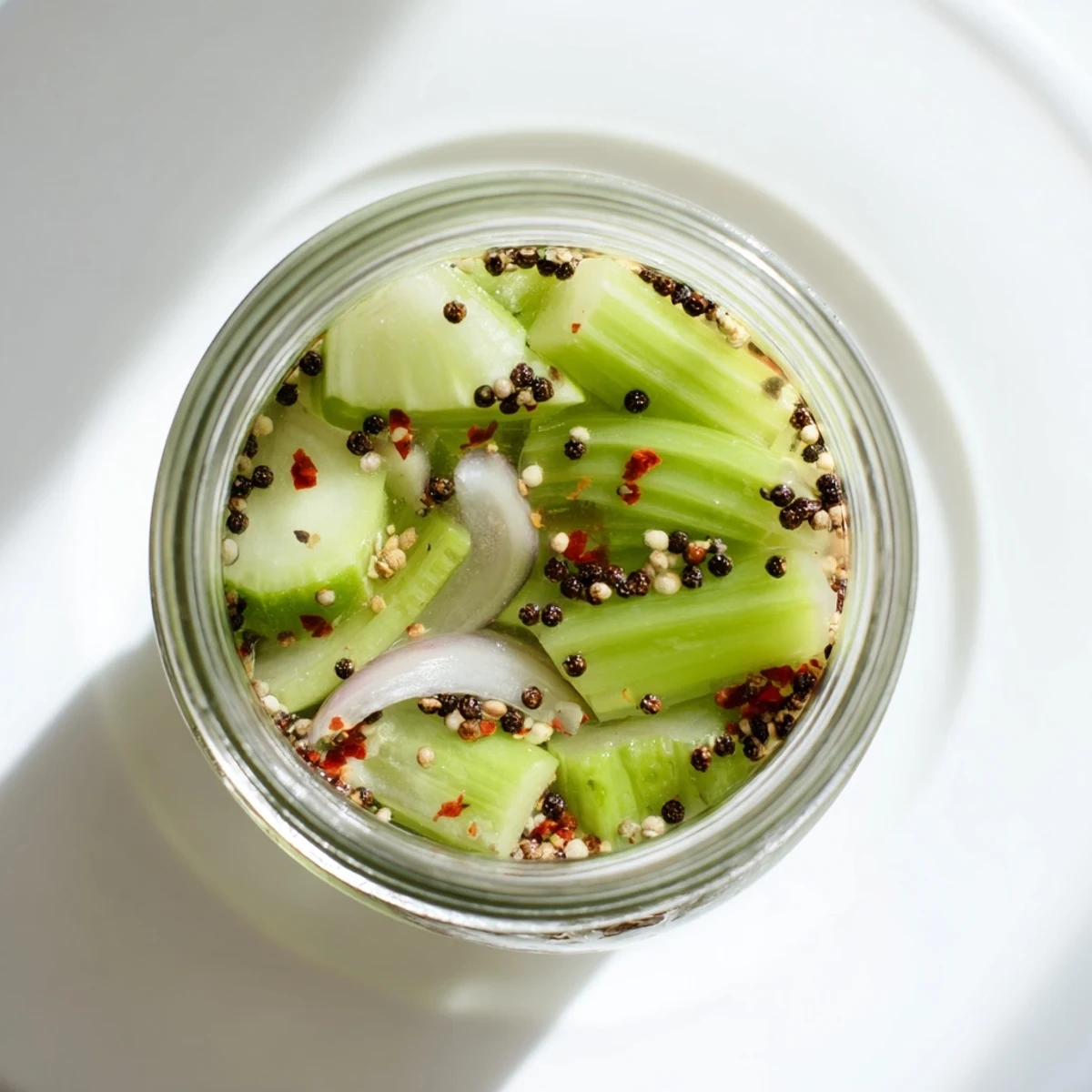
- Let the jar sit until it reaches room temperature, then cover and refrigerate for at least two hours before digging in
 Save to Pinterest
 My sister texted me at midnight once from her kitchen, confessing shed eaten half a jar while waiting for pasta water to boil. Theres something about these pickles that turns them into an unexpected snack, completely separate from whatever meal you planned to serve them with. Now I always make extra, knowing they rarely make it to the table intact.
Ways To Use Them
These pickles shine brightest when you treat them as more than a garnish. Layer them onto turkey sandwiches, fold them into potato salad, or chop them finely and mix into tuna salad for extra brightness. The brine itself is liquid gold, so save every drop and splash it into vinaigrettes.
Making Them Your Own
A sprig of fresh dill or a smashed garlic clove tucked into the jar transforms the profile completely. Sometimes I add thin slices of carrot or fennel bulb along with the celery for a colorful mix that looks beautiful in the jar. The recipe is forgiving, so trust your instincts.
Storage And Timing
Keep the jar refrigerated and use within two weeks for the best texture and flavor. The celery will gradually soften over time, but that first week is when the contrast between snap and brine is at its most compelling.
- Always use a clean fork to remove pickles rather than reaching in with your fingers
- If the brine looks cloudy after a week, the pickles are still safe to eat
- The flavors continue developing, so they often taste better on day three than day one
 Save to Pinterest
 Somewhere along the way, these simple pickled ribbons became the thing friends ask for most. Nothing makes me happier than seeing someone reach past all the elaborate dishes to grab another piece of celery.
Frequently asked questions about this recipe
- → How long does pickled celery last?
-
When stored properly in the refrigerator, your pickled celery stays fresh for up to 2 weeks. Keep the vegetables completely submerged in brine and ensure your jar is tightly sealed.
- → Can I use different vinegar types?
-
Absolutely. White vinegar provides the cleanest, brightest flavor, while apple cider vinegar adds subtle fruity notes. Rice vinegar works beautifully for a milder Asian-inspired profile.
- → Do I have to cook the brine?
-
Heating the brine ensures sugar and salt dissolve completely and helps release the aromatic oils from mustard seeds and peppercorns. This quick step significantly enhances flavor development.
- → Can I add other vegetables?
-
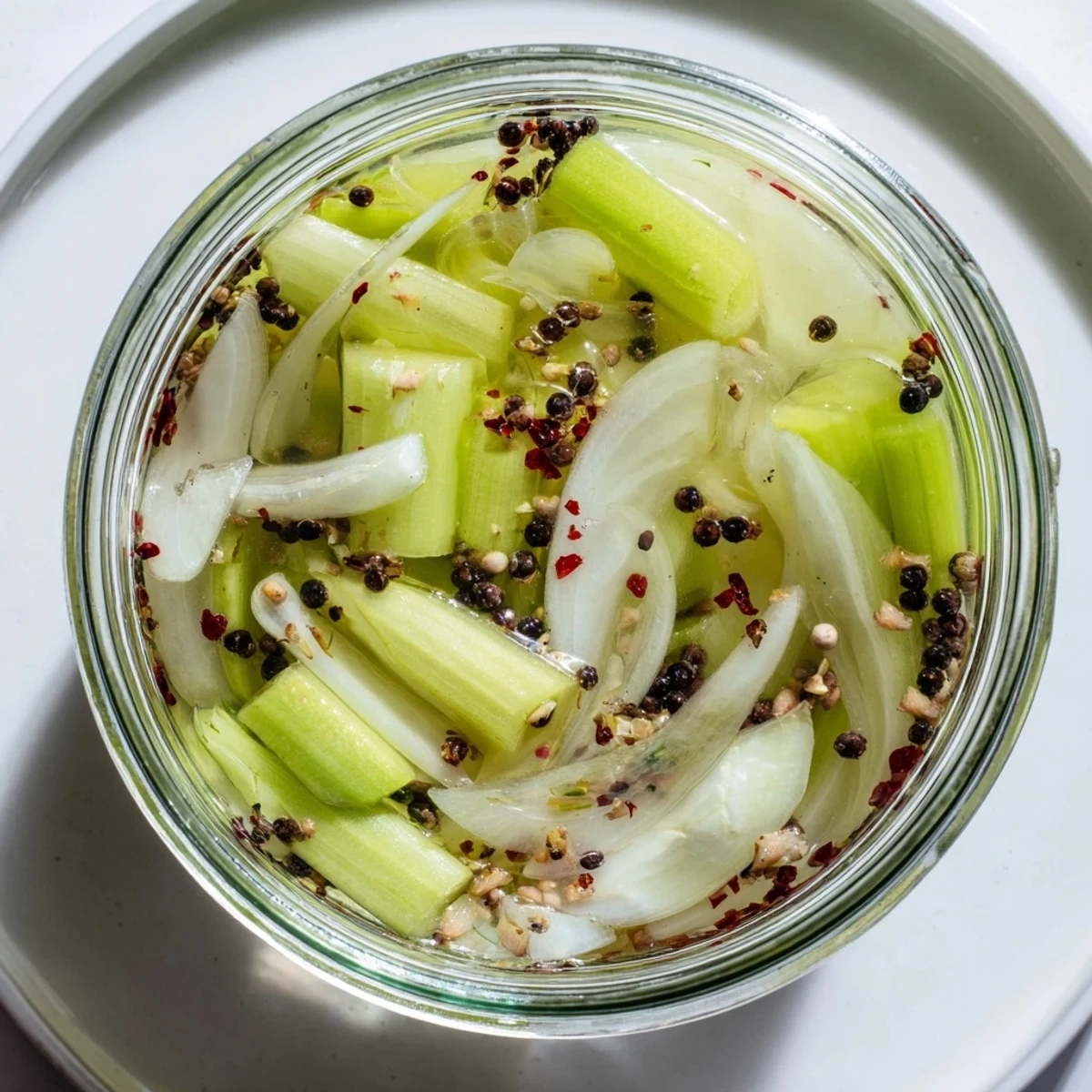
Celery pairs beautifully with thinly sliced carrots, fennel, or red onion. Just maintain similar slice thickness for consistent pickling across all vegetables in the jar.
- → What's the minimum pickling time?
-
For optimal texture and flavor, refrigerate at least 2 hours before serving. The celery continues to develop deeper tang and becomes more tender over the next few days.
- → Is this freezer-friendly?
-
Pickled celery doesn't freeze well—freezing compromises the crisp texture that makes these strips so appealing. The refrigerator method provides the best results for texture retention.