
 Save to Pinterest
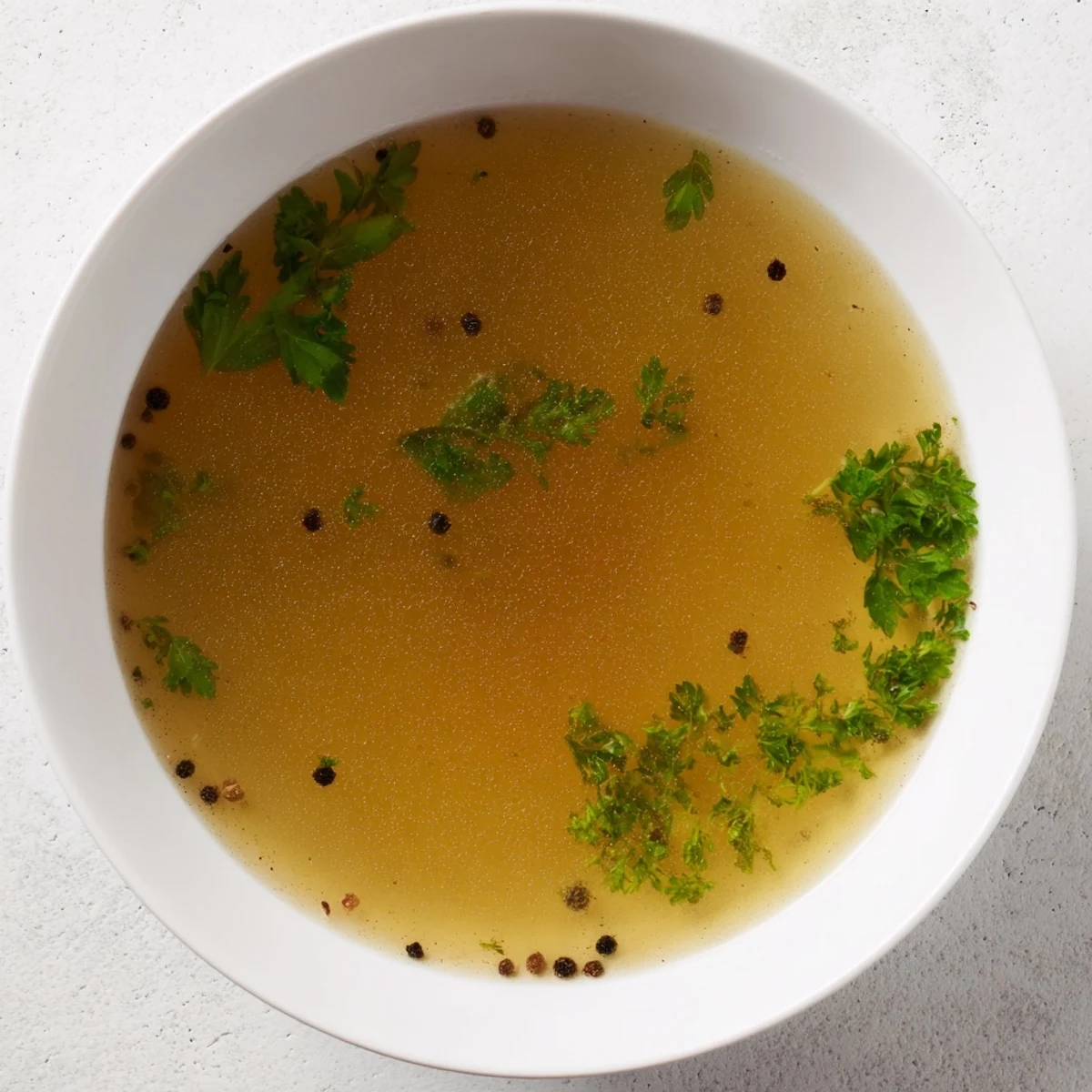
 This beef broth combines roasted marrow and knuckle bones with aromatic vegetables and herbs for a deeply flavorful, nourishing cooking base. Slow simmering extracts rich flavors and nutrients, while gentle skimming ensures clarity. Perfect for enhancing soups, sauces, risottos, or enjoyed warm. Keep refrigerated or frozen for convenience. Variations include adding apple cider vinegar to aid mineral extraction or adjusting salt for lower sodium options.
Discovering how to make the perfect beef broth felt like uncovering a comforting secret passed down through generations in my kitchen. The deep, savory smell filled my home and instantly made everything feel cozy and welcoming.
I remember the first time unexpected guests arrived and I only had this broth simmering. It became the base for an impromptu soup that stole the evening—everyone asked for seconds and the recipe.
Ingredients
- Beef bones and optionally beef shank: I always reach for marrow and knuckle bones because they release the richest gelatin, giving the broth that perfect silky texture.
- Carrots, celery, onion, leek, garlic: Using the onion skin adds a beautiful depth of color; smashing garlic brings out its aromatic punch.
- Bay leaves, peppercorns, parsley, thyme, salt: Fresh herbs provide brightness while the seasoning layers gentle warmth into the final broth.
- Cold water: Starting cold helps slowly extract flavors while preventing cloudiness.
Instructions
- Roast to Perfection:
- Preheat your oven and roast beef bones until deeply browned; the scent of caramelizing meat will fill the air, a sure sign that flavor is building.
- Start Your Stockpot:
- Transfer bones and meat into a large pot, then add chopped vegetables and aromatics. The colors and smells blend beautifully as you pour in cold water.
- Simmer Gently:
- Bring to a gentle boil and reduce heat, skimming off foam—this keeps your broth clear and clean in flavor. Add herbs and seasoning to infuse.
- Patience is Key:
- Let the broth simmer uncovered for hours. Occasionally skim fat and add water as needed to keep all ingredients cozy and submerged.
- Strain and Store:
- Remove solids carefully, strain, and cool the broth quickly. Refrigerate or freeze, and remember to skim any solidified fat before using.
 Save to Pinterest
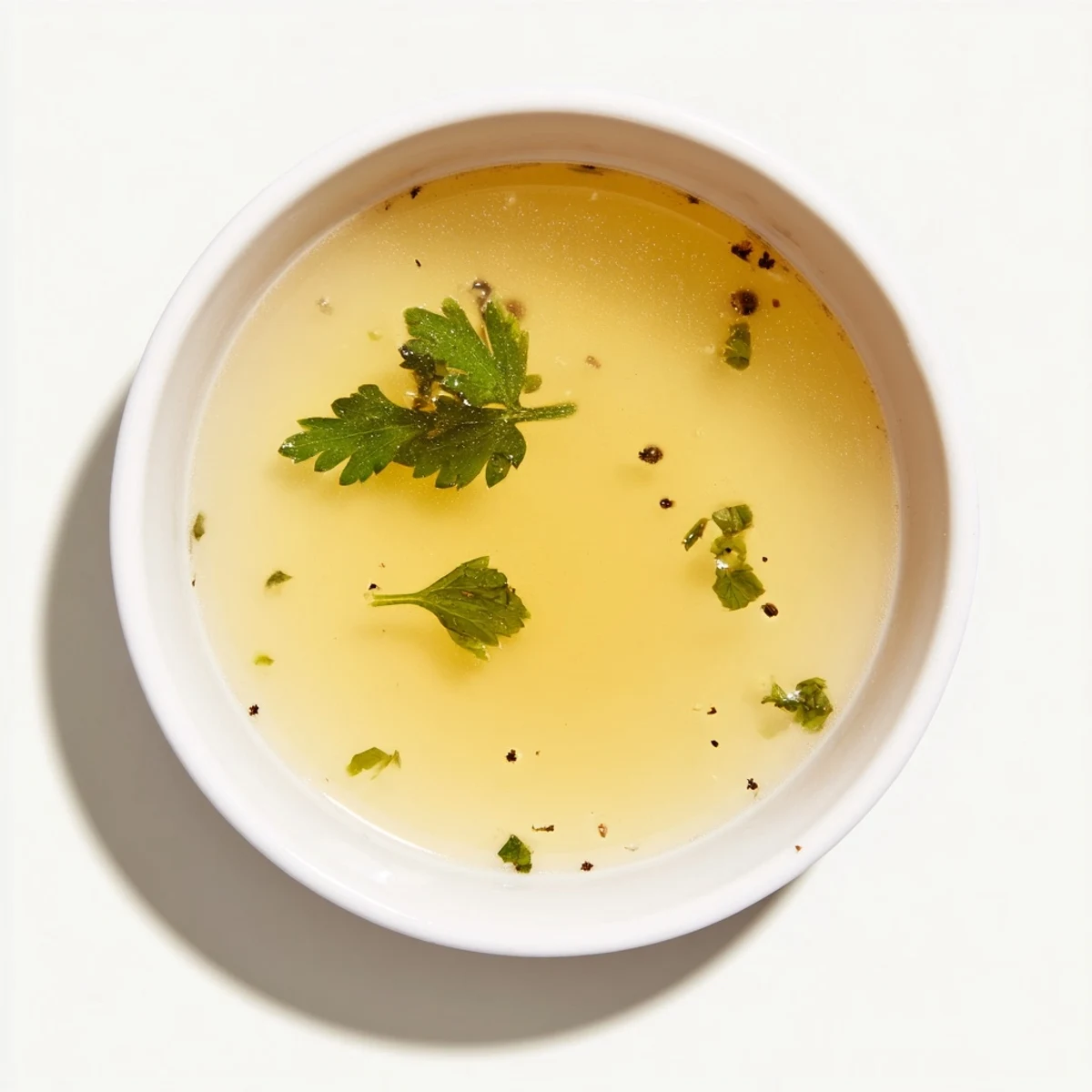
 This broth became more than just a soup base—it transformed moments into celebrations of warmth and comfort every time I ladled it out for friends and family.
Keeping It Fresh
Always cool your broth quickly after cooking to avoid any funky off flavors. Store it in airtight containers and divide into portions that suit your weekly meals.
Serving Ideas That Clicked
Use your homemade broth as a base for soups, risottos, or sauces to unlock new levels of flavor. Drinking it warm on its own makes a simple, nourishing treat on chilly evenings.
A Time This Recipe Saved the Day
Once, when the power flickered and the fridge was mostly empty, having frozen broth on hand let me whip up a hearty soup that felt like a cozy rescue.
- Never underestimate the power of a well-stocked freezer with broth ready.
- Oh, and keep a fine-mesh sieve always nearby—it’s a small tool with a big impact.
- Remember to label your containers with dates to keep track of freshness.
 Save to Pinterest
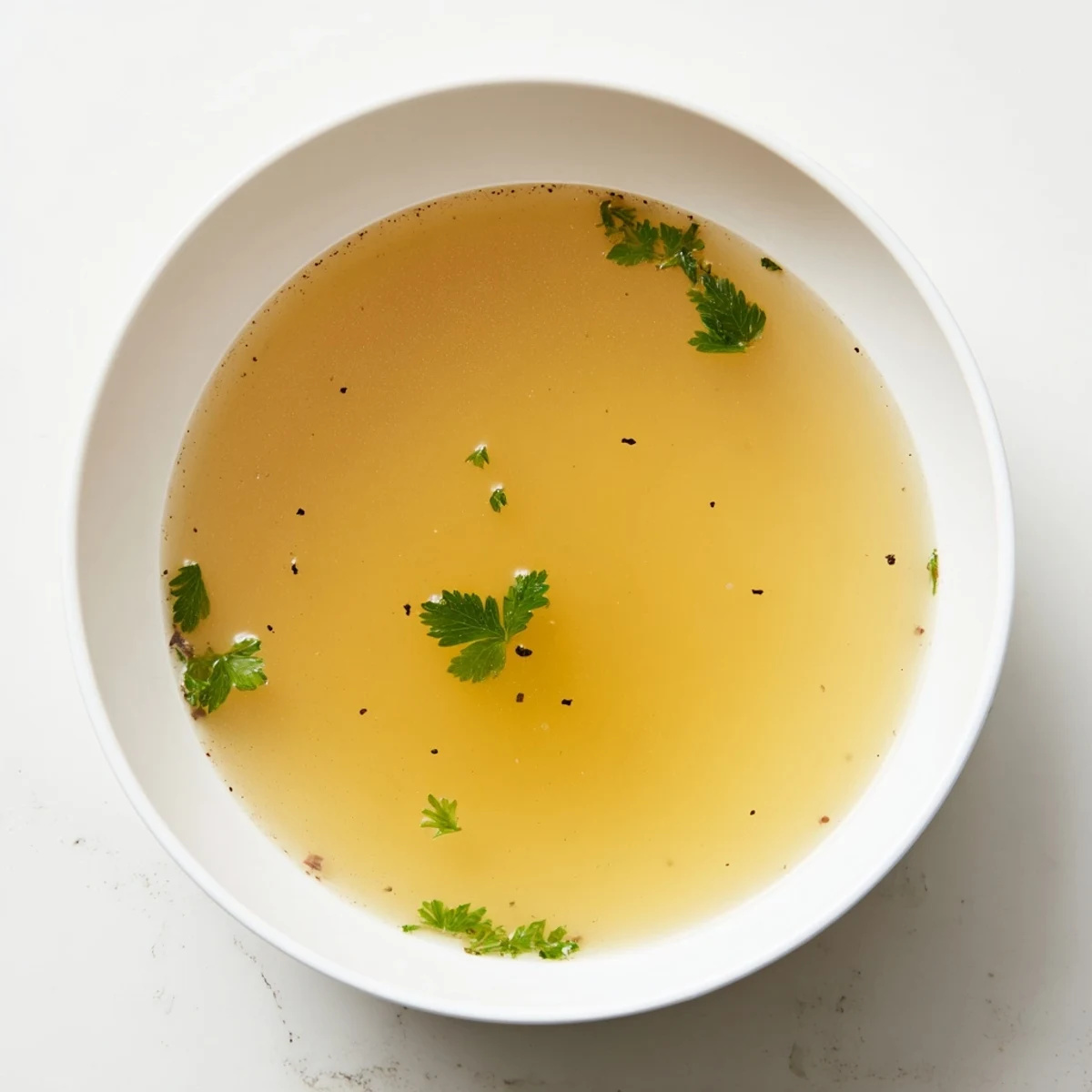
 Thanks for spending time chatting about this broth—it’s always a joy sharing recipes that bring comfort straight from my kitchen to yours.
Frequently asked questions about this recipe
- → What type of bones work best for this broth?
-
Marrow and knuckle bones provide the richest flavor and gelatin, making them ideal for this broth.
- → Can I use meat along with the bones?
-
Yes, adding beef shank or stew meat boosts flavor and body but is optional.
- → Why is roasting bones recommended before simmering?
-
Roasting deepens flavor and color by caramelizing the marrow and proteins on the bones.
- → How long should the broth simmer?
-
Simmer the broth gently for about 2.5 to 3 hours to fully extract flavors and nutrients.
- → What is the purpose of adding apple cider vinegar?
-
Apple cider vinegar helps draw minerals like calcium and magnesium out of the bones during cooking.
- → How can I ensure a clear broth?
-
Avoid vigorous boiling and skim the surface regularly to remove foam and impurities.