
 Save to Pinterest
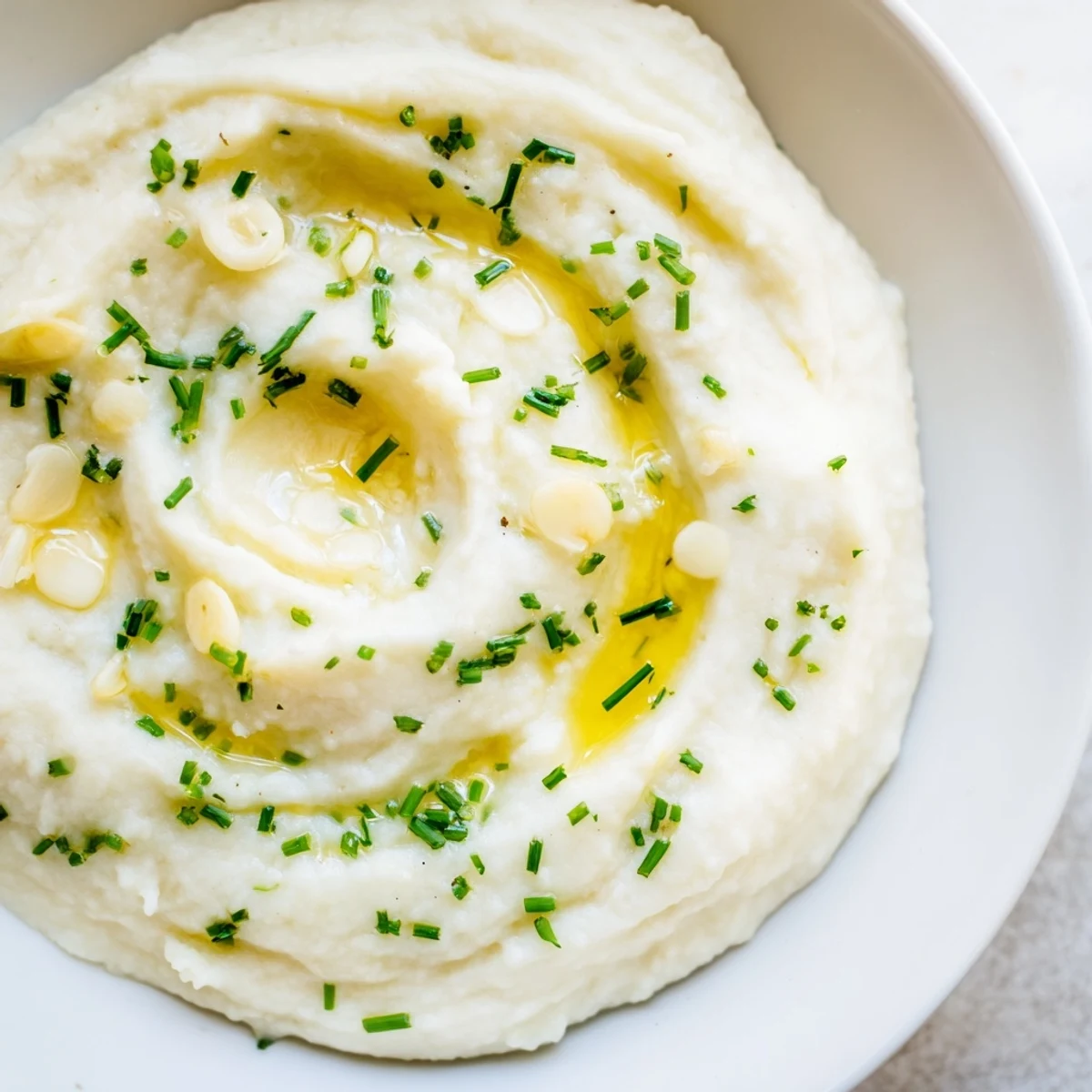
 This dish offers a creamy and flavorful alternative using mashed cauliflower combined with the rich, mellow taste of roasted garlic and the fresh aroma of chives. The cauliflower is steamed until tender, then blended with butter, milk, and sour cream or Greek yogurt to create a smooth texture. Roasting garlic softens its sharpness, adding depth and sweetness. Finished with a drizzle of olive oil and chopped chives, this lightly seasoned side pairs well with various mains and suits vegetarian and gluten-free diets.
The smell of roasting garlic fills my entire apartment, and my roommate wanders into the kitchen asking what I'm making. When I tell her it's cauliflower, she looks at me like I've lost my mind. That's the thing about this dish—nobody believes it's not potatoes until they take a bite. I stumbled onto this recipe during a month of trying to cut carbs, expecting something sad and diet-y, and ended up with a side dish I actually prefer to the real thing.
I made this for my dad's birthday dinner last fall, pairing it with a herb-crusted rack of lamb. He's a traditionalist when it comes to sides—mashed potatoes should be potatoes, full stop—but halfway through the meal he paused, fork mid-air, and asked what I'd done differently. The look on his face when I said cauliflower was absolutely worth the secret ingredient suspense. Now he requests it instead of the real deal.
Ingredients
- 1 large head cauliflower: Cut into evenly sized florets so they cook at the same rate—nothing worse than some pieces turning to mush while others stay crunchy.
- 1 bulb garlic: Roasting whole transforms sharp raw garlic into something spreadable and sweet, like a savory confit.
- 2 tablespoons chopped fresh chives: Add these at the end for a fresh bite that cuts through all that creaminess.
- 3 tablespoons unsalted butter: Let this soften to room temperature before mixing in so it melts seamlessly into the hot cauliflower.
- 1/4 cup whole milk or unsweetened plant-based milk: Warm this slightly before adding—cold milk can make hot potatoes (or cauliflower) gummy and resistant to smoothing out.
- 2 tablespoons sour cream or Greek yogurt: This adds a slight tang that keeps the dish from feeling one-dimensionally rich.
- 2 tablespoons olive oil: One tablespoon goes on the garlic for roasting, the other gets drizzled over the finished dish like you would with good olive oil on hummus.
- 1/2 teaspoon salt, plus more to taste: Cauliflower needs more salt than you'd expect—taste as you go rather than dumping it all in at once.
- 1/4 teaspoon freshly ground black pepper: Grind this right before using; pre-ground pepper loses its punch pretty quickly.
Instructions
- Get your oven going and start the garlic:
- Preheat to 400°F (200°C). Slice just the very tip off the garlic bulb—enough to expose the cloves but not so much that the bulb falls apart. Drizzle with a tablespoon of olive oil, wrap snugly in foil, and pop it in the oven for 30–35 minutes while you prep everything else.
- Cook the cauliflower until it's collapse-ably tender:
- Steam or boil those florets for 10–12 minutes. You want them soft enough that a fork slides through with zero resistance—any texture left here will show up in the final mash. Drain them well and let them sit for a minute to release excess steam.
- Bring it all together:
- Squeeze those roasted garlic cloves right out of their skins into your food processor (they'll slip out like butter). Add the hot cauliflower, butter, warm milk, sour cream, salt, and pepper. Process until completely smooth—no cauliflower chunks allowed. Let it run for an extra minute to get that fluffy texture.
- Finish it like you mean it:
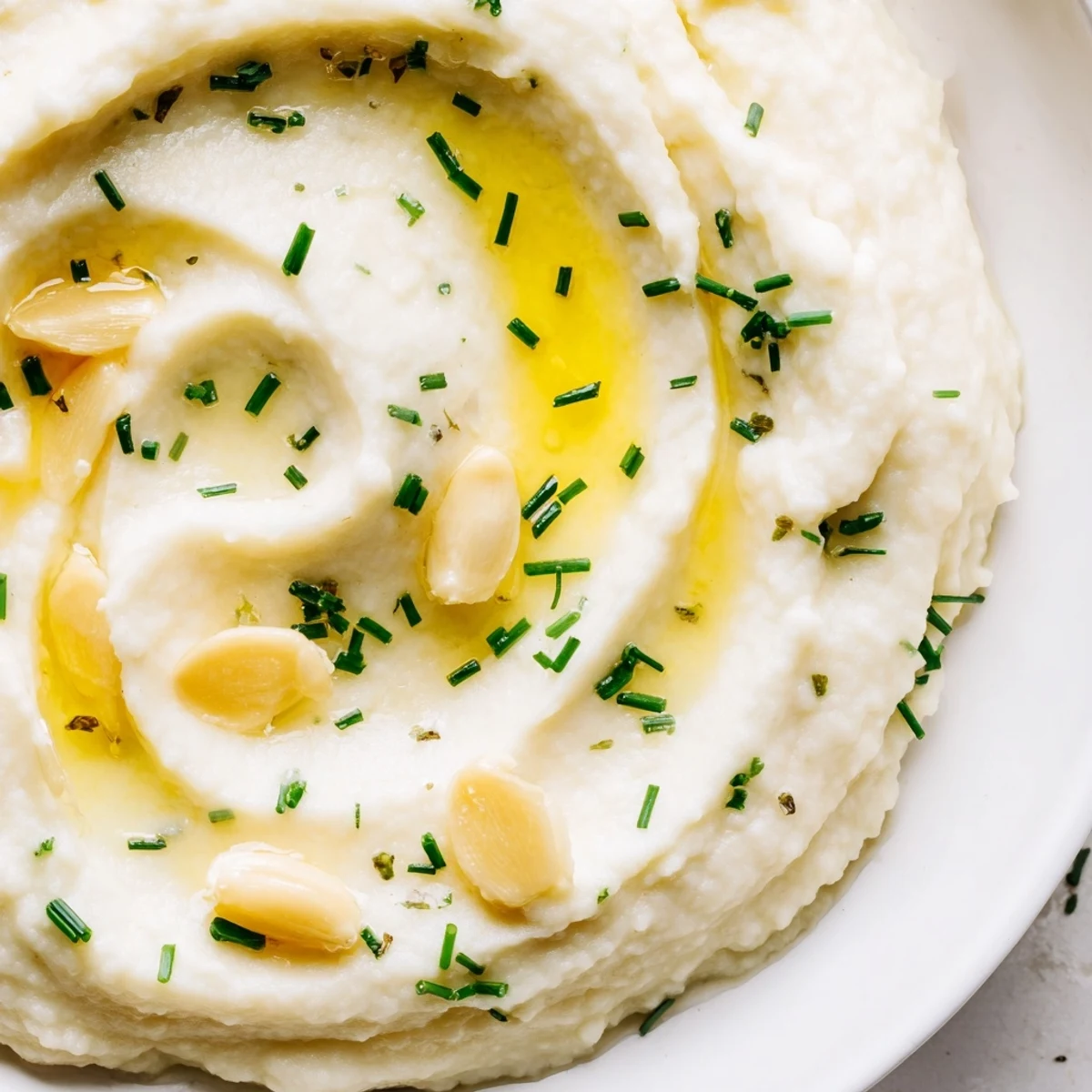
- Taste and adjust the seasoning—cauliflower needs more salt than potatoes to taste properly seasoned. Spoon into a pretty serving bowl, drizzle with that last tablespoon of olive oil, and scatter the chives over the top while it's still steaming hot.
 Save to Pinterest
 This became my go-to bring-along dish after I showed up to a friend's dinner party with it instead of the requested mashed potatoes. The host was skeptical until she tasted it, and now I get text messages every time she's planning a menu: 'are you bringing that cauliflower thing?' The dish that was supposed to be a temporary substitute has completely taken over.
Getting the Texture Right
I've tried making this with both a food processor and a potato masher, and the processor wins every time. Cauliflower doesn't have the starch that potatoes do, so it doesn't get gummy when overworked—feel free to let the machine run until it's silky smooth. If you're using a ricer or masher, you might want to add a splash more liquid to help it along.
Make-Ahead Magic
The roasted garlic can be done up to three days ahead and kept in the fridge, which cuts your prep time in half on busy weeknights. The whole mash also reheats beautifully—just add a tiny splash of milk and warm it gently over low heat, stirring occasionally. I actually think the flavors get better after sitting overnight.
Flavor Twists That Work
Sometimes I'll stir in a handful of grated Parmesan right at the end, or add a pinch of nutmeg which surprisingly complements the roasted garlic. During fall, a little roasted butternut squash blended in makes the color gorgeous and adds sweetness. In summer, fresh basil instead of chives gives it a completely different vibe while keeping that cream-craving-satisfying texture.
- A drop of truffle oil makes this feel downright fancy without much effort.
- Try goat cheese instead of sour cream for a tangier, more grown-up flavor profile.
- If you want it extra garlicky, roast two bulbs instead of one—I won't judge.
 Save to Pinterest
 I keep meaning to go back to regular mashed potatoes, but honestly, why bother when this exists? Sometimes the accidental favorites are the ones that stick around longest.
Frequently asked questions about this recipe
- → How do I roast garlic for this dish?
-
Slice the top off the garlic bulb to expose cloves, drizzle with olive oil, wrap in foil, and roast at 400°F (200°C) for 30–35 minutes until soft and golden.
- → Can I use plant-based milk instead of whole milk?
-
Yes, unsweetened plant-based milk works well to maintain creaminess while keeping it dairy-free.
- → What is the best method to cook cauliflower for this mash?
-
Steaming or boiling the cauliflower florets until very tender, about 10–12 minutes, ensures a smooth mash.
- → How can I adjust the seasoning?
-
Start with salt and freshly ground black pepper, then taste and add more if needed to balance flavors.
- → What dishes pair well with this mashed cauliflower?
-
It complements grilled meats, roast chicken, or can be served alongside sautéed mushrooms for a vegetarian option.