
 Save to Pinterest
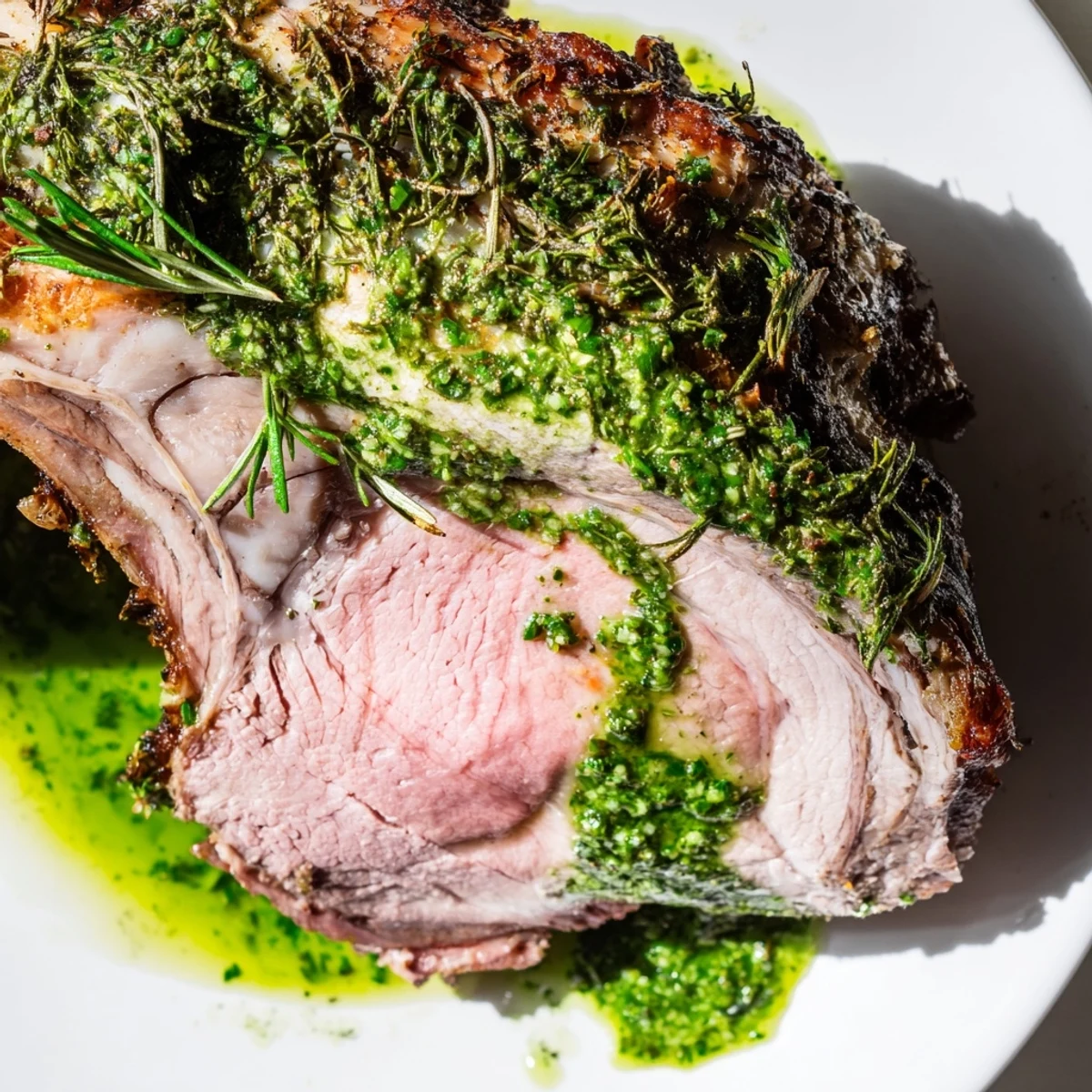
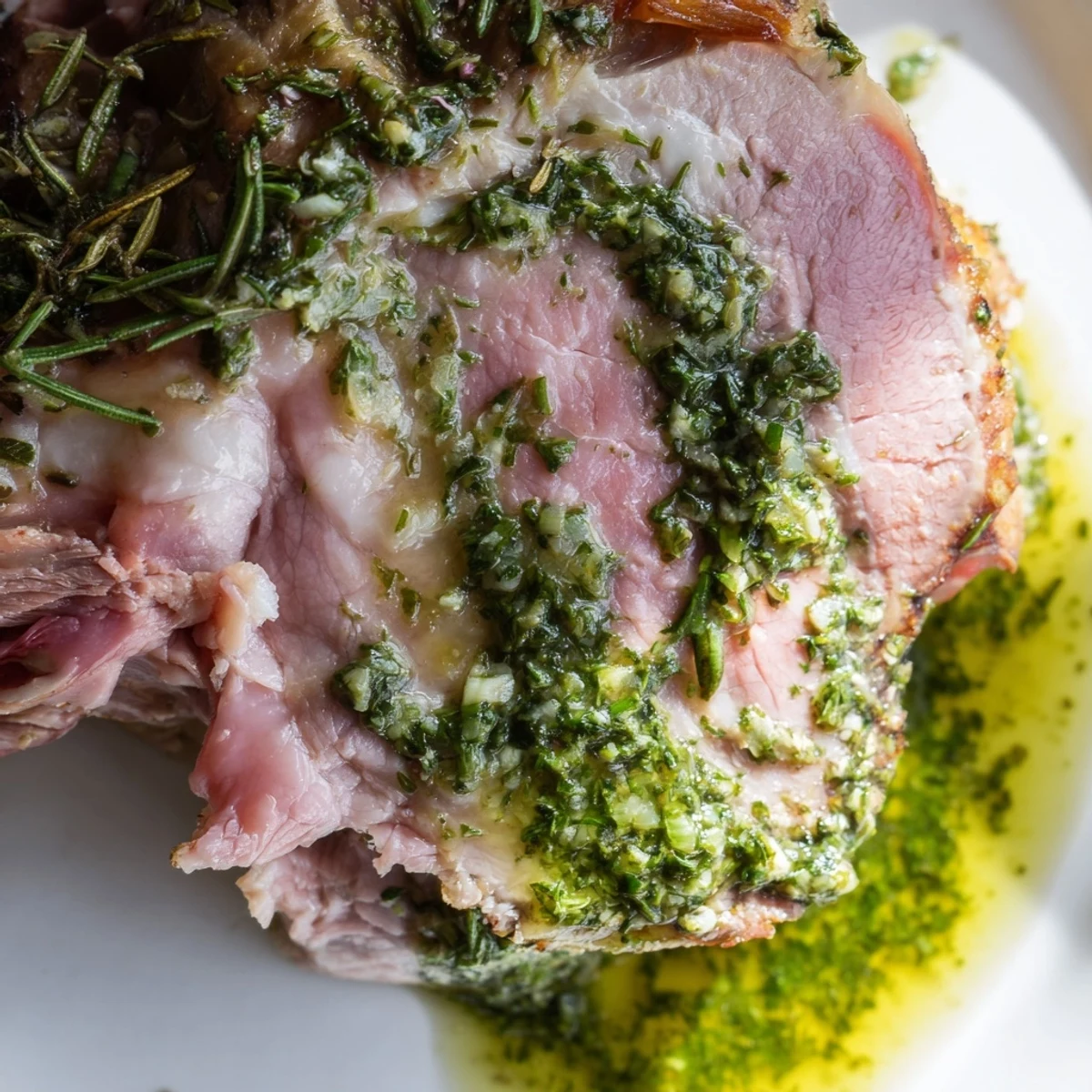
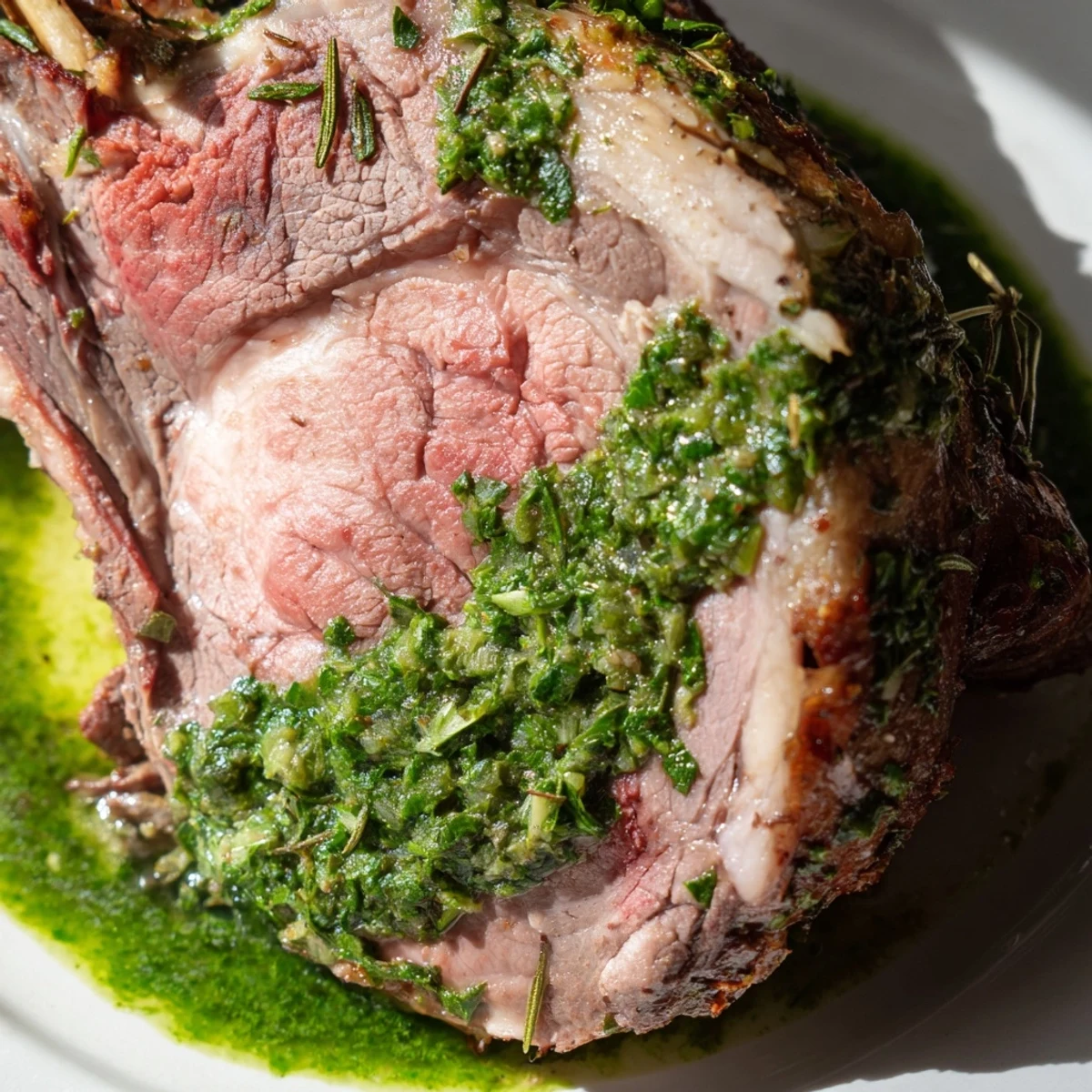
 This dish features a bone-in leg of lamb infused with garlic and herbs, slow roasted to juicy perfection. The accompanying mint sauce blends fresh chopped mint, sugar, vinegar, and a pinch of salt, creating a bright complement to the rich meat. Resting the lamb after roasting ensures tender, flavorful slices. Ideal for gatherings, serve with roasted potatoes or steamed vegetables for a balanced and elegant plate.
There's something about the smell of lamb roasting with rosemary that stops you mid-conversation. My kitchen once filled with that aroma on a rainy April afternoon when I was experimenting with different herb combinations, and I realized that the simplest approach—just good olive oil, salt, and fresh herbs—was the one that made everyone pause at the table. This roasted lamb with mint sauce became my go-to for gatherings because it tastes like you've been cooking all day, even though the actual work is straightforward.
I made this for my sister's birthday dinner last year, and what I remember most isn't the lamb itself but how the kitchen felt warm and alive while it roasted—my nephew asking every ten minutes if it was ready, my brother-in-law setting the table with actual napkins instead of paper towels because somehow this meal demanded it. The quiet satisfaction when everyone finished their plates and nobody wanted to talk about anything else made me understand why certain dishes become traditions.
Ingredients
- Bone-in leg of lamb (1.8 kg / 4 lb): The bone conducts heat evenly and adds flavor as it roasts, making the difference between decent lamb and truly memorable lamb; don't be tempted by boneless cuts unless you absolutely must.
- Garlic cloves (3), sliced: Tucked into small incisions, the garlic becomes sweet and mellow rather than sharp, infusing the meat from the inside out.
- Olive oil (2 tbsp): Your base for browning and seasoning; use something you actually like the taste of, not the cheapest bottle on the shelf.
- Sea salt (2 tsp) and freshly ground black pepper (1 tsp): These form the foundation—don't skimp on the grinding, as fresh pepper makes a noticeable difference in lamb.
- Fresh rosemary (2 tbsp, chopped) and thyme leaves (1 tbsp): These woody herbs pair with lamb so naturally that dried versions feel like a compromise; fresh is worth seeking out.
- Fresh mint leaves (1 cup, finely chopped): The sauce's soul—bright, clean, and essential for balance.
- Granulated sugar (2 tbsp): Balances the vinegar's sharpness with just enough sweetness to make your mouth water.
- Boiling water (1/3 cup), white wine vinegar (1/4 cup), and sea salt (pinch): These three create the sauce's tang and complexity when mint infuses into them.
Instructions
- Heat your oven properly:
- Preheat to 200°C (400°F) while you prep the lamb—this initial high heat is what creates that beautiful caramelized exterior. Give it a solid fifteen minutes to reach temperature; cold ovens are one of those silent kitchen saboteurs.
- Dry and score the lamb:
- Pat the lamb completely dry with paper towels (moisture prevents browning), then use a sharp knife to make small incisions about an inch deep all over the surface. Slide a garlic slice into each slit—they'll soften and flavor the meat from within as it cooks.
- Coat and season generously:
- Rub the entire lamb with olive oil until it glistens, then sprinkle the salt, pepper, rosemary, and thyme evenly across all surfaces. Don't be timid here; you're building flavor, not decorating a cake.
- Sear and roast:
- Place the lamb in your roasting pan and roast at 200°C for twenty minutes until the exterior is deeply browned and smells incredible. Lower the heat to 180°C (350°F) and continue roasting for about one hour, checking the internal temperature at the thickest point (aim for 60°C / 140°F for medium-rare).
- Rest the meat:
- Remove the lamb from the oven and cover it loosely with foil—this lets it relax for fifteen minutes while the juices redistribute, which is what makes each bite tender rather than stringy. Resist the urge to carve immediately; resting is non-negotiable.
- Make the mint sauce:
- While the lamb rests, dissolve the sugar in boiling water, then stir in the finely chopped fresh mint, vinegar, and salt. Let it sit for at least ten minutes so the mint's oils have time to bloom and perfume the entire sauce.
- Carve and serve:
- Slice the lamb with a sharp carving knife, cutting against the grain for the most tender pieces. Arrange on a warm platter with the mint sauce alongside, and bring it to the table while everything is still hot enough to matter.
 Save to Pinterest
 My friend Marcus brought his new girlfriend to dinner the first time I made this, and watching her take that first bite and realize the brightness of the mint sauce against the richness of the lamb—that moment of surprise and pleasure—made me understand that good food creates small memories. It became one of his go-to stories about why he knew she was someone special: they sat there, just eating and talking, and nothing else mattered.
Flavor Layers That Make It Work
The genius of this dish lies in how each component plays a specific role: the lamb is rich and deeply savory, the herbs bring earthiness and warmth, and the mint sauce arrives like a bright cymbal crash that wakes up your palate. It's the reason this pairing has endured for centuries in British cooking—it's not trendy or complicated, it's just fundamentally right. The sugar in the sauce isn't about sweetness; it's about balance, softening the vinegar's edge just enough so your mouth begs for the next forkful.
Timing and Temperature Guide
Lamb temperature matters more than almost any other variable in this recipe, because the difference between rare and well-done completely changes the texture and whether it feels luxurious or dry on your tongue. The high initial heat is crucial—it browns the outside before the inside cooks, which is what gives you that contrast between the caramelized crust and the tender meat beneath. If you're nervous about timing, start checking the internal temperature at the one-hour mark, then check every five minutes; there's a narrow window where it's perfect, and going past it is hard to forgive.
Sides and Serving Suggestions
Roasted potatoes and steamed seasonal vegetables are the traditional companions, not because they're required but because they soak up the lamb's juices and keep the plate interesting texture-wise. Spring brings peas and new potatoes; summer calls for tender green beans; autumn suggests roasted root vegetables; winter makes you want something earthy like mushrooms or root vegetables. The mint sauce is really the only essential accompaniment—everything else is simply there to make sure your guests have something to do with their hands besides stare at the lamb.
- Roasted potatoes with fresh mint and a drizzle of olive oil echo the sauce's flavor notes in a subtle way.
- Steamed spring vegetables feel lighter and let the lamb remain the star, which is how it should be.
- A simple green salad with lemon dressing on the side provides freshness without competing with the mint.
 Save to Pinterest
 This lamb has become the meal I make when I want to feel like I've accomplished something in the kitchen without actually struggling. It tastes like generosity and care, which is really all cooking is.
Frequently asked questions about this recipe
- → How do I ensure the lamb stays moist while roasting?
-
Pat the lamb dry before seasoning and let it rest covered after roasting to retain juices, which keeps the meat tender and moist.
- → What is the best internal temperature for medium-rare lamb?
-
Cook the lamb until it reaches about 60°C (140°F) internally for a perfect medium-rare doneness.
- → Can the mint sauce be prepared in advance?
-
Yes, the mint sauce can be made up to two days ahead and kept refrigerated to enhance its flavor.
- → What herbs complement the lamb flavor?
-
Fresh rosemary, thyme, and garlic are classic herbs that add fragrant, savory notes to the lamb.
- → What side dishes pair well with roasted lamb and mint sauce?
-
Roasted potatoes and steamed seasonal vegetables offer a balanced and delicious accompaniment.