
 Save to Pinterest
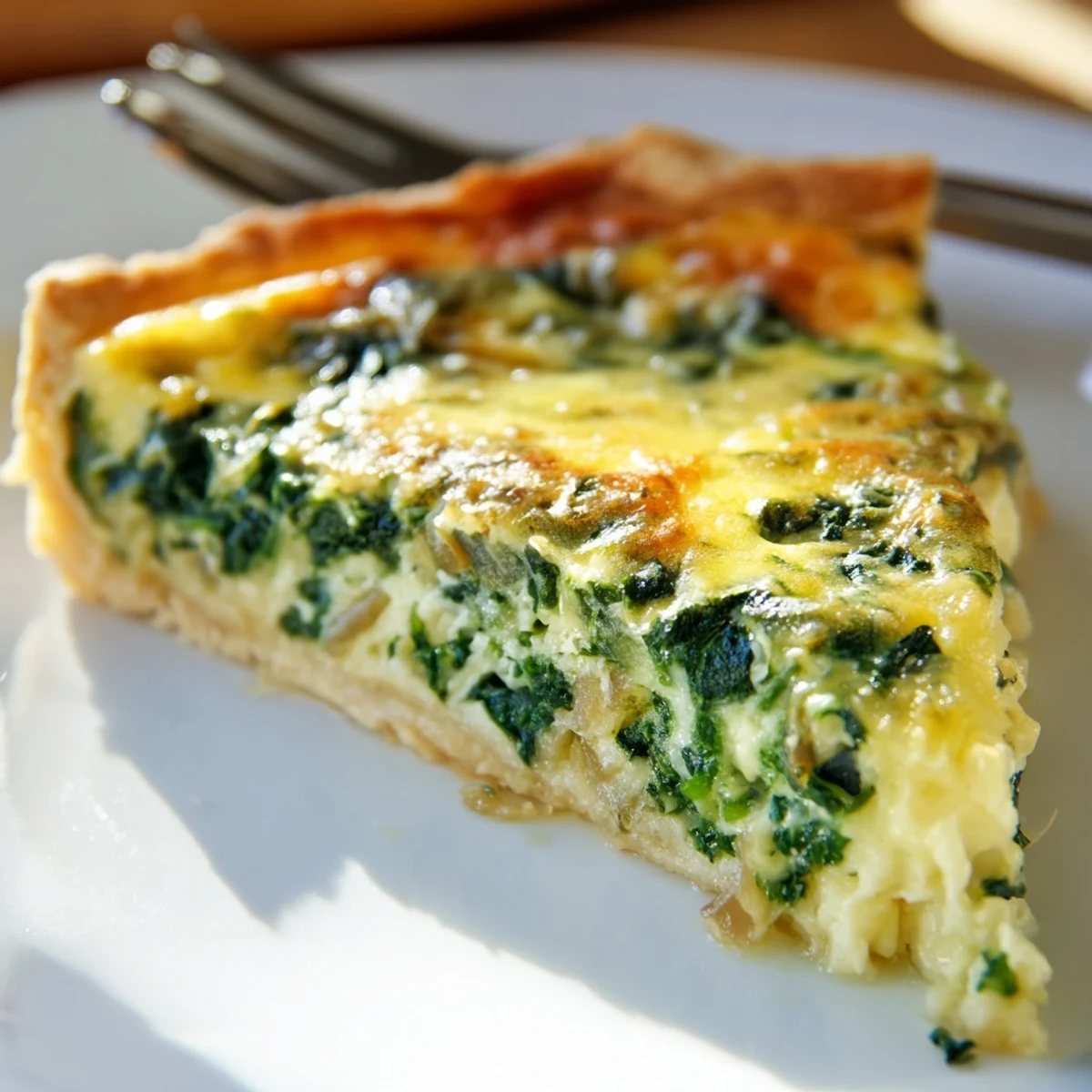
 This savory quiche features a crisp shortcrust pastry base topped with sautéed spinach and a rich, creamy custard of eggs, milk, and cream. Aromatic nutmeg and melted Gruyère cheese elevate the flavors while the flaky crust provides satisfying texture. Ideal for brunch or light dinners, it can be customized with varied cheeses or added vegetables for variety. Baking until golden ensures a tender, yet firm filling perfect for slicing and serving warm or at room temperature.
There's something about the smell of spinach wilting in a hot pan that makes me feel like I'm actually cooking something worthwhile. My neighbor once brought over a quiche on a rainy afternoon, and I watched how her guests devoured it without hesitation—not because it was fancy, but because it tasted like comfort wrapped in a buttery crust. I've been making versions of it ever since, tweaking the cheese, the seasonings, and the ratio of custard to vegetables until it became something I'd serve with zero apologies.
I made this for a Sunday brunch when my partner's parents were visiting, and his mom asked for the recipe before dessert even arrived. That moment—when someone wants to recreate what you've made—is when you know you've done something right. The quiche came out with a golden top, the center set but still tender, and everyone seemed genuinely surprised that the crust was so flaky.
Ingredients
- Ready-made shortcrust pastry (1 sheet, about 250 g): Using a quality store-bought pastry saves time without sacrificing texture; look for one with real butter in the ingredient list.
- Fresh spinach (200 g, roughly chopped): Fresh spinach shrinks dramatically when cooked, so don't worry if the pile looks enormous; the key is cooking it until all the moisture has released.
- Small onion (1, finely chopped): Onion becomes sweet and mellow when sautéed, building a subtle flavor base that makes everything taste richer.
- Garlic cloves (2, minced): Add garlic only after the onion has softened, or it'll turn bitter and harsh.
- Large eggs (4): Room temperature eggs whisk more smoothly and create a silkier custard.
- Whole milk (200 ml): This keeps the custard lighter than using all cream; the ratio of milk to cream matters for the final texture.
- Heavy cream (100 ml): The cream adds richness and helps the custard set with a tender crumb rather than becoming rubbery.
- Gruyère or Emmental cheese (120 g, grated): Gruyère melts beautifully and adds a slightly nutty flavor that complements the spinach; Emmental is milder if you prefer.
- Freshly grated nutmeg (1/4 tsp): Nutmeg is the secret that makes the custard taste like it came from a proper French kitchen; don't skip it or substitute.
- Salt and freshly ground black pepper: Taste as you go; the cheese contributes saltiness, so start conservatively.
- Olive oil (1 tbsp): Use this for the vegetables since butter can brown too quickly over medium heat.
- Butter (for greasing): Butter the pan thoroughly to prevent the crust from sticking to the edges.
Instructions
- Prepare your workspace:
- Preheat the oven to 180°C (350°F) and grease your 23 cm tart pan generously with butter. This step seems small but prevents frustration when you're ready to slide the finished quiche onto a plate.
- Line the pan with pastry:
- Unroll the shortcrust pastry and gently press it into the pan, letting it settle naturally into the corners. Trim any overhang with a knife, prick the base all over with a fork (this prevents big air bubbles), and slide it into the fridge for 10 minutes while you prep the filling.
- Build the vegetable base:
- Heat olive oil in a skillet over medium heat, add the chopped onion, and let it soften and turn translucent—about 2 minutes. Add the minced garlic, stir for just 30 seconds until fragrant, then tumble in the spinach and watch it collapse from a huge pile into something that fits on a spoon.
- Cook out the moisture:
- Keep stirring the spinach mixture until any liquid that released has mostly evaporated; this takes 3 to 4 minutes and is crucial because excess water will make the quiche soggy. Remove from heat and let it cool slightly while you move to the next step.
- Mix the custard:
- In a large bowl, crack the eggs and whisk them together with the milk, cream, nutmeg, salt, and pepper until everything is well combined and looks pale and smooth. Stir in half of the grated cheese, reserving the rest for topping.
- Assemble and top:
- Spread the cooled spinach mixture evenly over the pastry base, then pour the egg custard over top, letting it settle around the vegetables. Sprinkle the remaining cheese in an even layer so every slice gets a golden, cheesy top.
- Bake until golden:
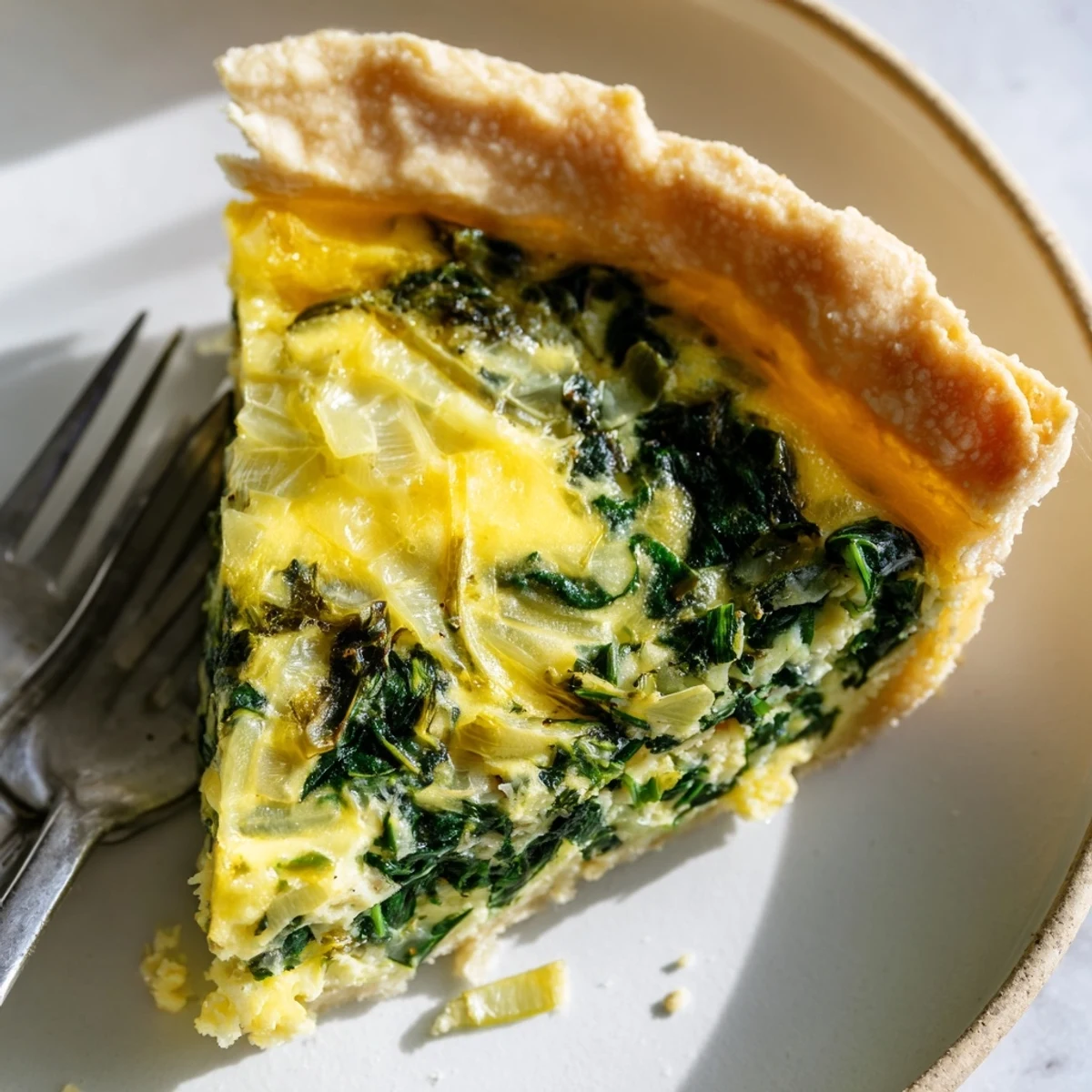
- Slide the quiche into the oven and bake for 35 to 40 minutes, until the center is just set (it should jiggle slightly if you give the pan a gentle shake) and the top has turned a rich golden brown. Let it cool in the pan for 10 minutes before slicing; this helps it hold together beautifully.
 Save to Pinterest
 There was an evening when I served this quiche to a friend who said she didn't like quiche, and she ended up eating nearly half of it. We laughed about it, and she admitted that she'd only ever had the rubbery, flavorless kind from a chain restaurant. That's when I realized a good quiche is transformative—it's not about being fancy, it's about every component working together and tasting like it was made with intention.
Why This Works as a Meal
A quiche bridges the gap between breakfast, lunch, and dinner in a way almost no other dish can manage. Serve it warm straight from the oven when the custard is still slightly creamy, or let it cool completely and serve it at room temperature with a crisp green salad and a glass of white wine. I've also reheated leftover slices gently in a low oven, and they taste almost as good the next day, which makes this perfect for meal prep or feeding unexpected guests.
Customizing Your Quiche
Once you understand the basic proportions—the custard ratio, the quantity of vegetables, the amount of cheese—you can improvise endlessly. Swap the spinach for sautéed mushrooms, add crumbled cooked bacon, toss in sun-dried tomatoes, or use a combination of cheeses like feta, goat cheese, or sharp cheddar. The structure stays the same; what changes is the personality. I've found that adding vegetables doesn't require changing the egg mixture as long as you've cooked out all the excess moisture from the vegetables first.
Making It Your Own
The beauty of quiche is that it rewards confidence and forgives small mistakes. If your pastry cracks slightly, the custard will seal it. If your cheese topping browns faster than expected, cover it loosely with foil for the last few minutes. If you don't have heavy cream, use all milk or a mix of milk and crème fraîche. This recipe is forgiving because it's built on fundamentals that work.
- For a gluten-free version, swap the regular pastry for a certified gluten-free shortcrust, and no other adjustments are needed.
- You can make this quiche up to a day ahead and reheat it gently in a 160°C oven until warmed through.
- If you'd rather make the pastry from scratch, feel free—homemade crust has an incomparable flavor and texture, though it does add 15 minutes of hands-on time.
 Save to Pinterest
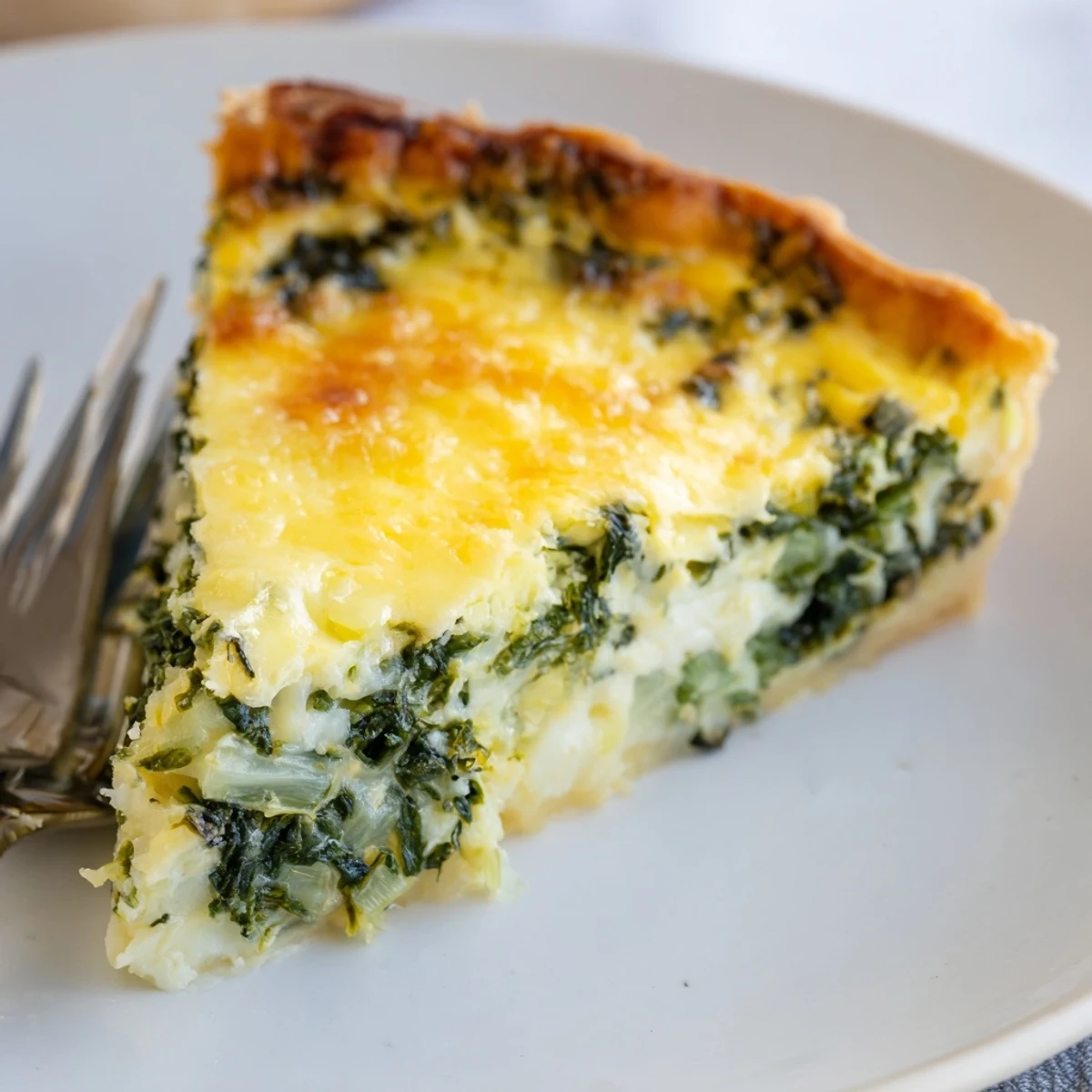
 Making a quiche is one of those small acts of kitchen confidence that feels disproportionately rewarding. Every time you slice into one and see that creamy, tender custard studded with vegetables and cheese, you'll feel a quiet sense of accomplishment. It's the kind of dish that tastes like you know what you're doing, even on mornings when you've barely had your coffee.
Frequently asked questions about this recipe
- → What type of cheese works best?
-
Gruyère or Emmental provide a creamy, nutty flavor, but cheddar, feta, or goat cheese are great alternatives for a different twist.
- → Can the crust be homemade?
-
Yes, a homemade shortcrust pastry can be used for a richer flavor and a flakier texture.
- → How to prepare the spinach for the filling?
-
Sauté fresh spinach with onion and garlic until wilted and most moisture evaporates, ensuring the custard sets properly.
- → What oven temperature is ideal for baking?
-
Bake at 180°C (350°F) for 35–40 minutes until the filling is set and the top is golden brown.
- → Can this be made gluten-free?
-
Use a gluten-free pastry base to adapt the dish for gluten sensitivity without sacrificing taste.
- → How should it be served?
-
Allow to cool briefly, then slice and serve warm or at room temperature, ideally with a crisp green salad.