
 Save to Pinterest
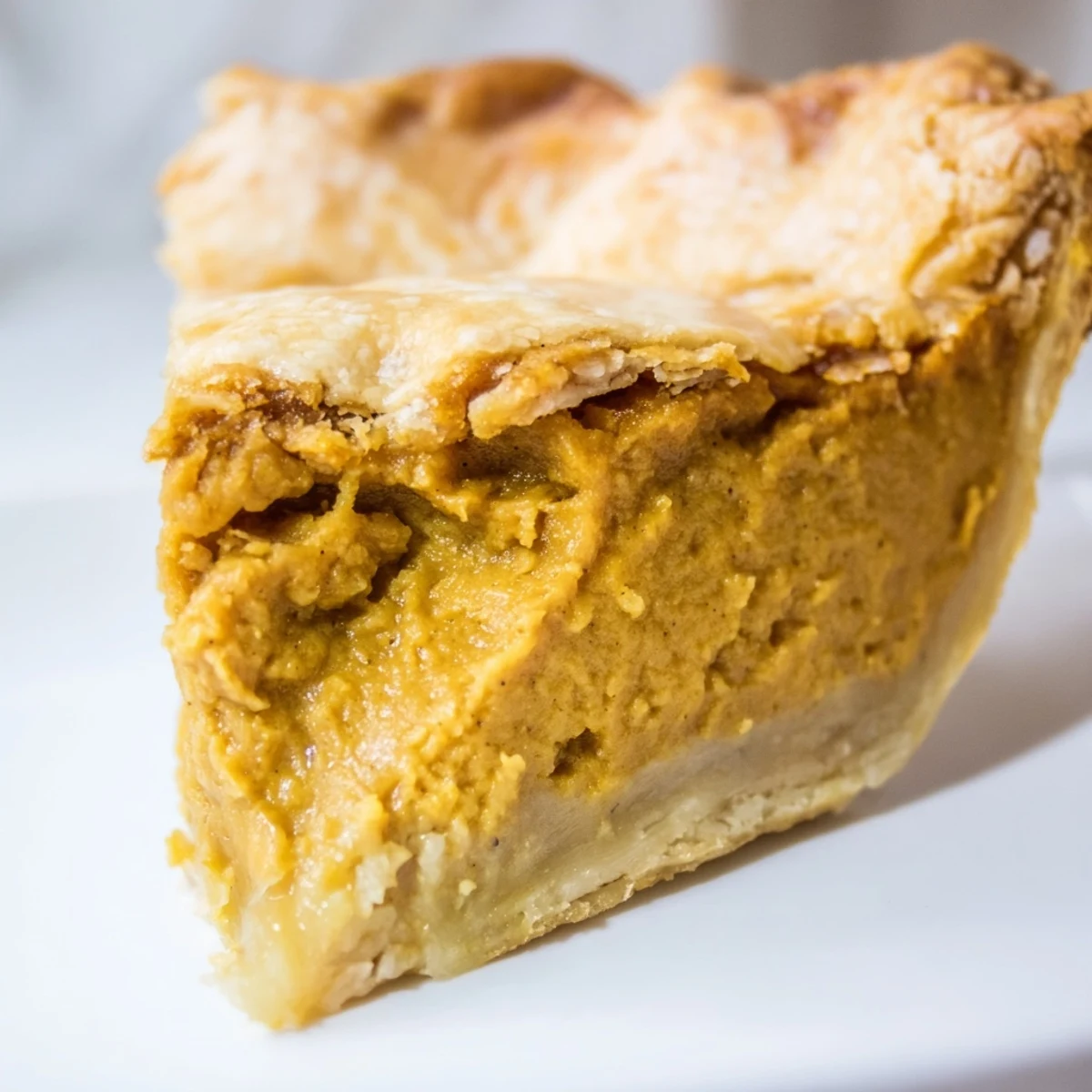
 This comforting autumn dessert features a crisp, buttery crust enveloping a smooth, warmly spiced pumpkin custard. A blend of cinnamon, ginger, cloves, and nutmeg imparts a rich aroma and balanced spice, while the creamy filling sets perfectly after baking. Ideal for seasonal gatherings, it requires chilling the dough, whisking the filling ingredients until smooth, then baking until the center is set yet tender. Cooling before serving ensures slice stability and flavor development.
There's something about the smell of cinnamon and nutmeg hitting your kitchen in late September that signals the shift into autumn, even before the leaves turn. I made this pumpkin pie on a whim one October afternoon when a friend texted asking what to bring to a dinner party, and I realized it was the one dessert everyone always asks for. The buttery crust crackles under your fork, giving way to that silky, spiced filling that somehow tastes like comfort itself. Since then, I've made it dozens of times—sometimes perfectly, sometimes with a slightly dented crust, but always with the same feeling of quiet satisfaction.
I remember bringing a homemade pie to my partner's family dinner, watching their faces when they realized the crust wasn't store-bought, and then nobody said much because they were too busy eating. That moment—where a dessert becomes the quiet hero of the table—is when I knew this recipe was worth keeping around.
Ingredients
- All-purpose flour: The foundation of a tender crust; measure it by spooning into a cup rather than scooping to avoid packing it down.
- Cold unsalted butter: Non-negotiable for flakiness—if your butter is soft, your crust becomes tough, so chill it while you prep.
- Ice water: Keep it genuinely cold; warm water makes the dough sticky and encourages gluten development, which you don't want here.
- Pure pumpkin puree: Not pumpkin pie filling (which is pre-spiced), just the plain stuff—it gives you control over the flavor.
- Brown sugar: Packed light brown sugar adds a subtle molasses depth that granulated sugar misses entirely.
- Heavy cream and whole milk: This combination creates a custard that's rich but not overwhelming; using only cream makes it too heavy.
- Cinnamon, ginger, cloves, and nutmeg: Each spice layers differently—the cinnamon is warm and forward, ginger adds brightness, cloves bring depth, nutmeg finishes with an almost floral note.
Instructions
- Make the crust foundation:
- Mix your flour, salt, and sugar together first—this distributes the salt evenly so you don't hit a salty pocket. It sounds like a small step, but it matters.
- Cut in the cold butter:
- Work quickly with a pastry blender or two forks, breaking the butter into pea-sized pieces; when it's done right, the mixture looks like coarse sand and feels cool to the touch. Don't overthink it—once you see visible butter pieces the size of peas, you're there.
- Add ice water gradually:
- Sprinkle it in one tablespoon at a time, tossing gently with a fork until the dough just barely holds together; this is the moment most people add one tablespoon too many and ruin it, so go slow.
- Rest the dough:
- Shape it into a disc, wrap it, and let it chill for at least 30 minutes—this relaxes the gluten and makes rolling easier. Honestly, overnight in the fridge works beautifully too.
- Preheat and prepare:
- Set your oven to 375°F while you work, giving it time to fully heat up. Precision matters when you're dealing with custard pies.
- Roll and transfer:
- On a lightly floured surface, roll the dough to fit a 9-inch pie dish; if it tears, don't panic—just patch it with a scrap of dough, press gently, and continue. Transfer it carefully, trim the overhang, and crimp the edges with your fingers or a fork for a rustic look.
- Chill the crust again:
- Ten minutes in the fridge prevents it from shrinking unevenly while it bakes. This second chill is not optional.
- Whisk the filling:
- Combine pumpkin, brown sugar, eggs, cream, milk, vanilla, and all four spices in a large bowl, whisking until smooth and uniform. Don't rush this—a few extra whisks ensure the eggs are fully incorporated and the spices are evenly distributed.
- Pour and bake:
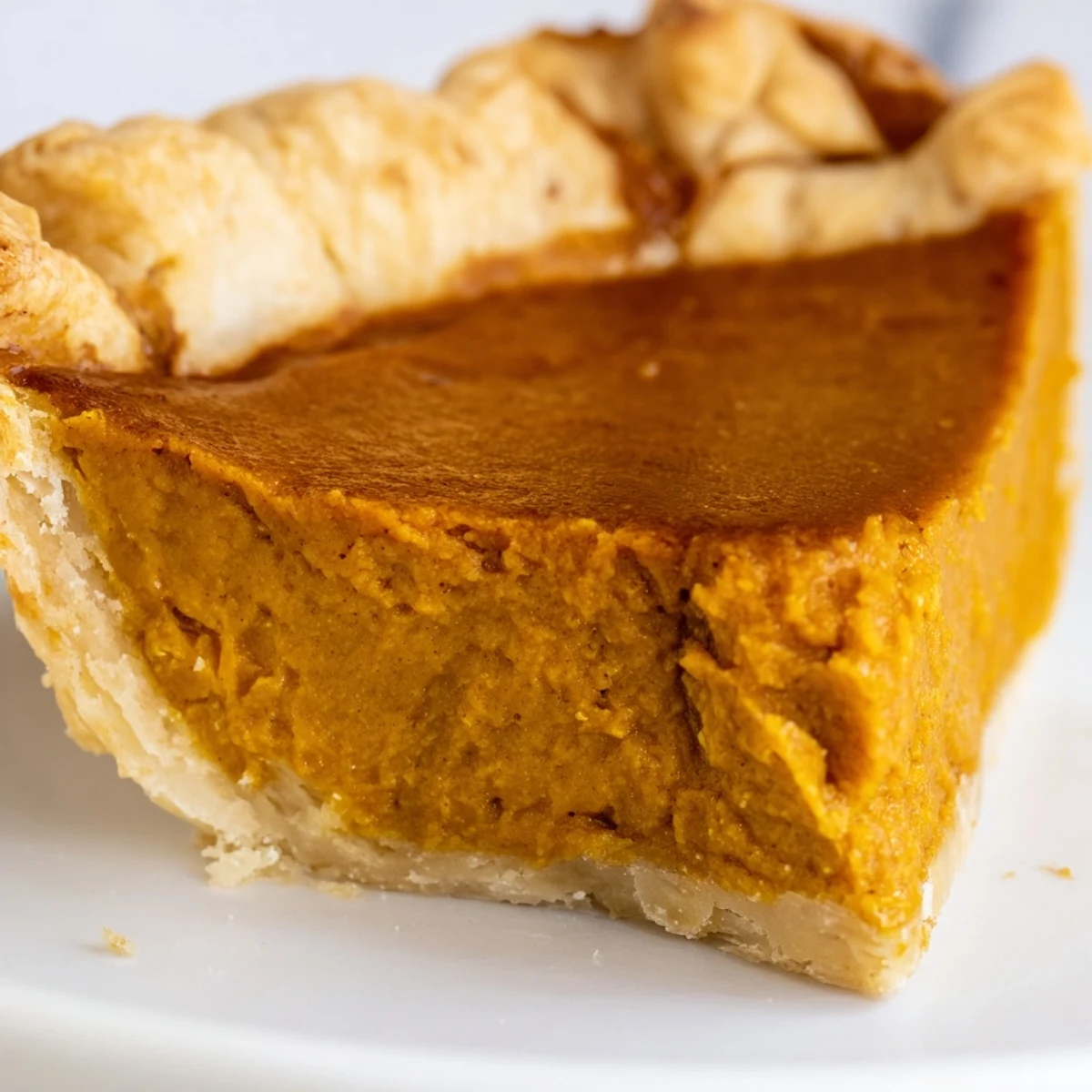
- Pour the filling into the chilled crust, smooth the top with a spatula, and bake for 50 to 55 minutes until the center is set but still has a slight wobble when you gently jiggle the pan. If the crust edges brown too quickly, drape foil loosely over them halfway through.
- Cool completely:
- A wire rack lets air circulate underneath, preventing a soggy bottom crust. Two hours of cooling is the real timeline—rushing this results in a filling that's still warm and soft.
 Save to Pinterest
 There's a particular peace that comes from pulling a golden pie out of the oven on a cool afternoon, knowing you built something from scratch that will feed people and make them happy. That feeling—that quiet pride—is what keeps me coming back to this recipe every single October.
The Crust Secret Nobody Talks About
Most pie crust fails because people work the dough too much or use warm ingredients, both of which develop gluten and create a tough crust instead of a tender, flaky one. The cold butter has to stay cold, the water has to go in gradually, and your hands should move quickly but not frantically—it's gentleness combined with speed, which is an odd balance but absolutely necessary. I spent years making dense, tough crusts before I realized the difference between mixing until the dough barely comes together versus mixing until it's fully incorporated.
The Spice Ratio That Actually Works
Most pumpkin pies are drowning in cinnamon, which is why so many taste one-dimensional and overwhelming. This recipe balances cinnamon with three other spices so each one has room to breathe—you taste the warmth of cinnamon, the gentle bite of ginger, the subtle earthiness of cloves, and the floral finish of nutmeg all at once. It took me three or four attempts to nail this ratio, and honestly, once you taste what they're supposed to do together, store-bought pie spice mix feels like a shortcut you'll never want to take again.
Serving and Storage Wisdom
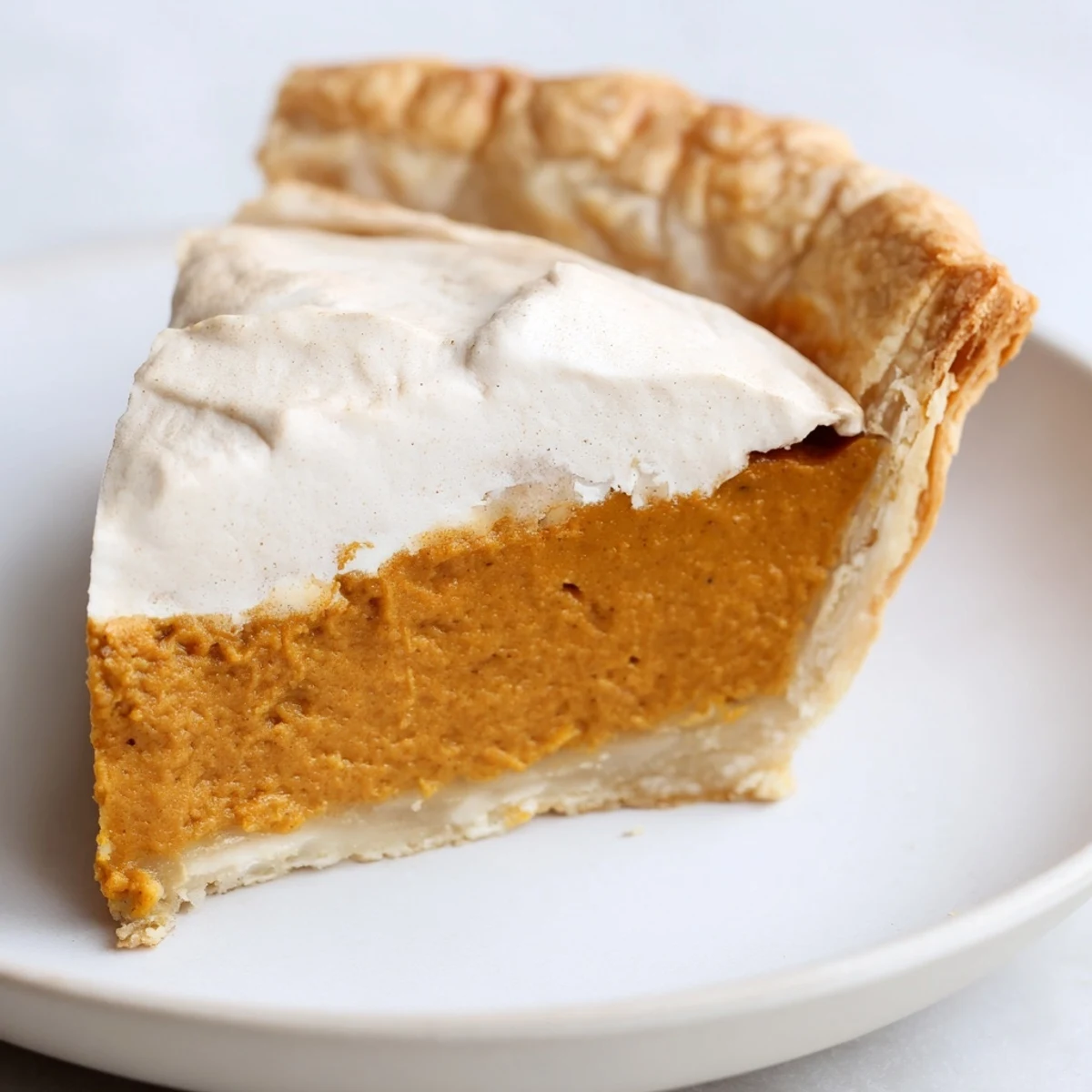
This pie is equally stunning served at room temperature with a dollop of whipped cream or chilled straight from the fridge with vanilla ice cream melting into the crust. Leftovers keep beautifully for up to four days in the refrigerator, though honestly they rarely last that long.
- Slice with a hot, wet knife and wipe it between cuts for clean, attractive slices.
- Pair it with lightly sweetened whipped cream if you're serving warm, or plain vanilla ice cream if it's cold.
- Bring it to room temperature 15 minutes before serving for the fullest flavor experience.
 Save to Pinterest
 This pie is worth making from scratch because every element—the shattered crust, the spiced custard, the moment it comes out of the oven—reminds you why baking from memory and instinct is so much better than following shortcuts. Make it this October, and I promise it'll become the pie you're known for.
Frequently asked questions about this recipe
- → How do I make the pastry crust flaky?
-
Use cold unsalted butter cut into small cubes and mix gently with flour until coarse crumbs form. Adding ice water gradually helps the dough bind without overworking, preserving flakiness.
- → What spices complement the pumpkin filling?
-
Cinnamon, ginger, cloves, and nutmeg are combined for a warm, balanced spiced flavor that enhances the pumpkin's natural sweetness.
- → How can I prevent the crust edges from burning?
-
Cover the crust edges with foil partway through baking to shield them from excessive browning while allowing the filling to cook through.
- → Can I prepare the crust ahead of time?
-
Yes, chilling the dough for at least 30 minutes before rolling helps relax gluten and maintain its texture during baking.
- → What are good serving suggestions?
-
Serve chilled or at room temperature, optionally topped with whipped cream or vanilla ice cream to balance the spices.