
 Save to Pinterest
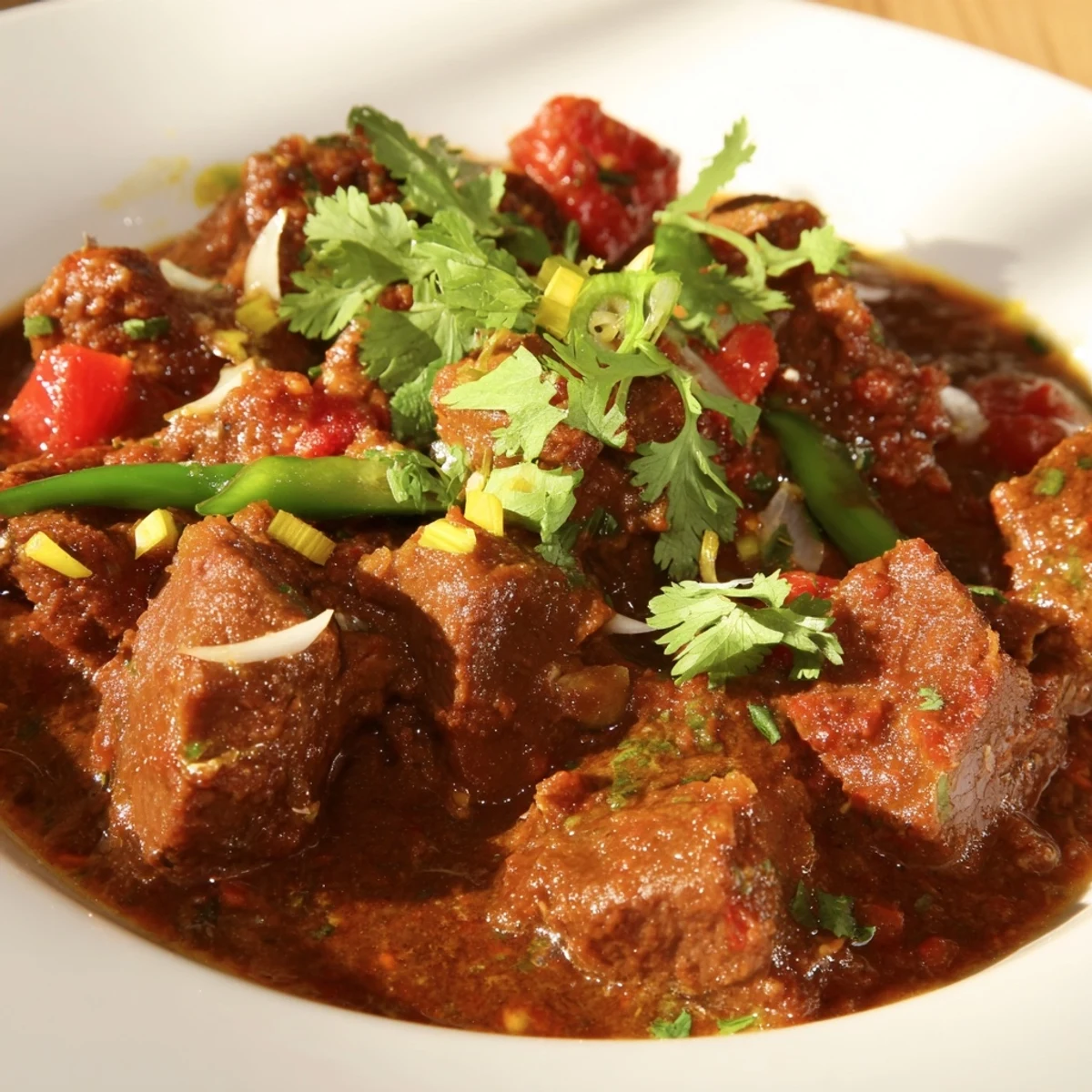
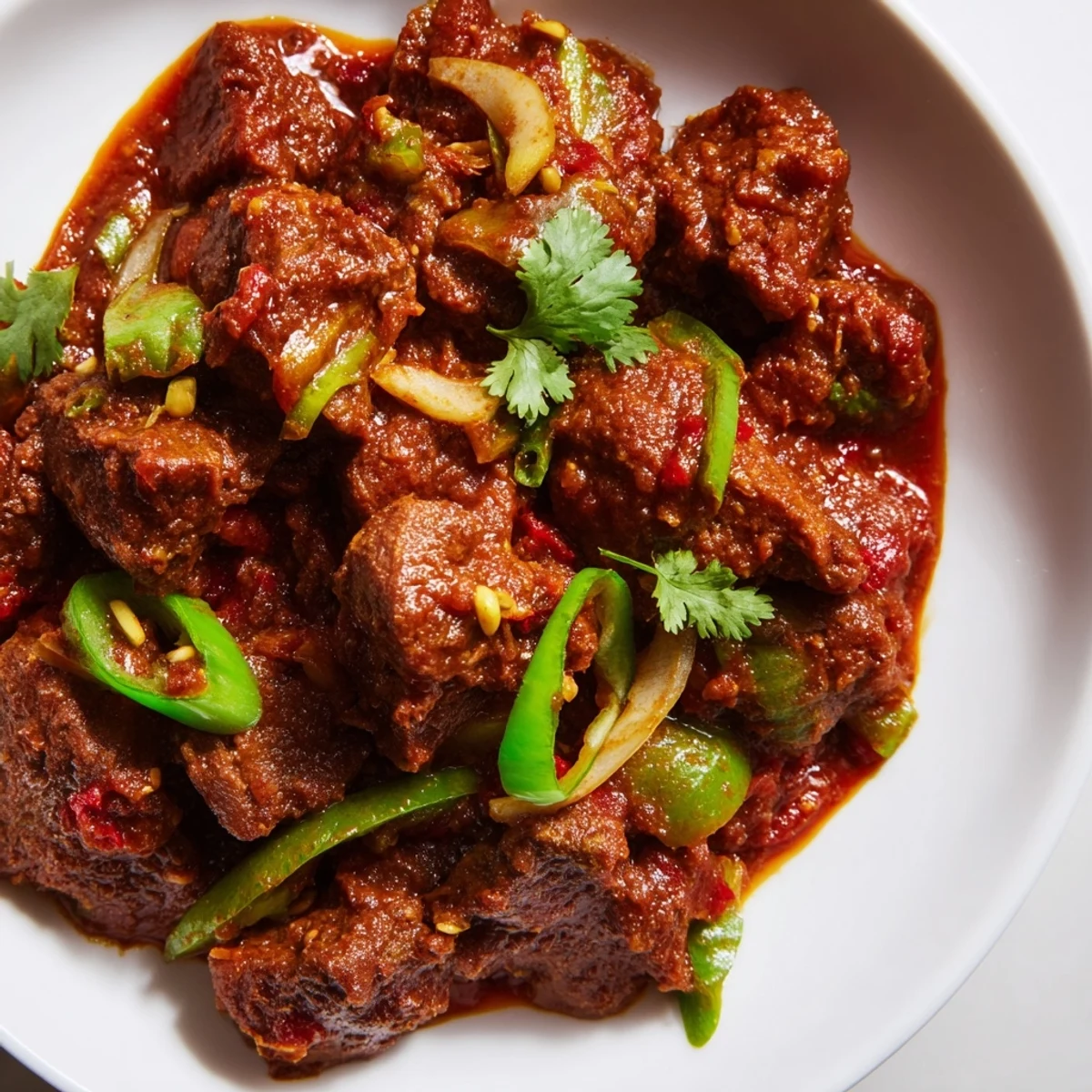
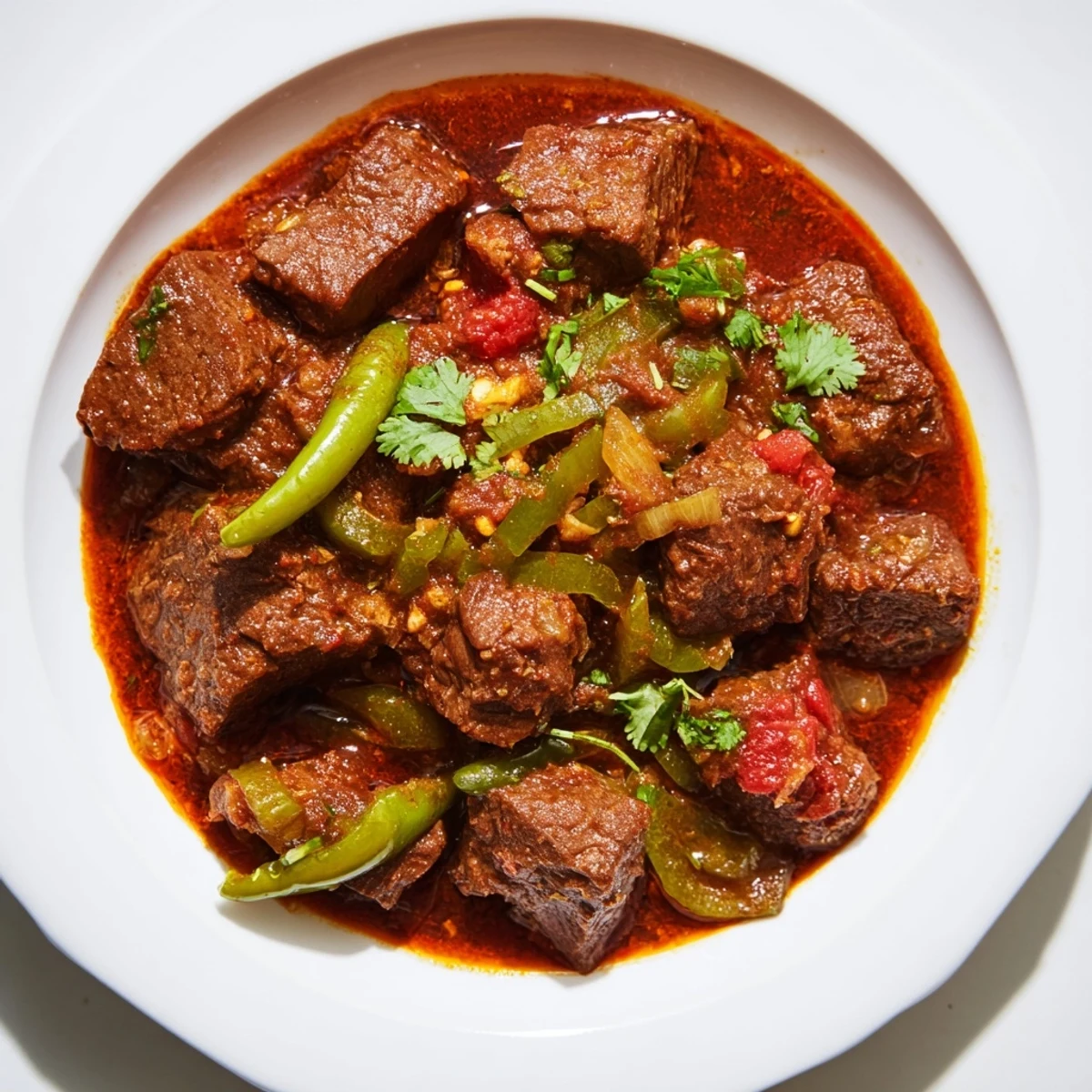
 This dish brings together tender cubes of beef slowly simmered in a rich, fragrant sauce made from a blend of Indian spices and creamy coconut milk. Aromatics like garlic, ginger, and green chilies provide layers of flavor, while whole spices such as cinnamon and cardamom add depth. The preparation involves sautéing, toasting spices, then simmering beef for tender results. Garnished with fresh cilantro, it pairs excellently with rice or naan, ideal for cozy evenings.
My neighbor stopped by one evening with a jar of homemade curry paste and a story about learning to make this dish in a cramped Mumbai kitchen, and I became instantly obsessed. The way she described it—deep, warming, unapologetically spicy—made me want to recreate that magic in my own home. That first batch taught me that a good curry isn't just about throwing spices together; it's about giving them time to bloom and meld into something greater than themselves. Now whenever I make it, I'm transported back to that conversation and the smell of whole spices crackling in hot oil.
I served this to a friend who claimed he didn't really like curry, and he ate three bowls without saying much except to ask for more rice. Watching someone discover something they thought they'd hate is one of my favorite kitchen moments, and that bowl of steaming, rust-colored curry did all the talking.
Ingredients
- Beef chuck, cut into 2 cm cubes (800 g): Chuck has just enough marbling to stay juicy during the long simmer, and those little fat pockets carry flavor beautifully—don't use lean cuts or you'll end up with rubbery meat.
- Onions, finely chopped (2 medium): These are your flavor foundation; the longer you cook them until they're golden and almost caramelized, the sweeter and deeper your curry becomes.
- Garlic, minced (4 cloves) and ginger, grated (1 thumb-sized piece): Fresh ginger makes all the difference—dried will turn bitter in the long cook, and garlic needs to be finely minced so it melts into the sauce.
- Tomatoes, chopped (2 medium): Fresh tomatoes add brightness and natural acidity that balances the richness, but canned works if yours aren't ripe.
- Green chilies, sliced (2): Start with two and taste as you go; they soften during cooking and distribute their heat gradually rather than hitting you all at once.
- Curry powder (2 tbsp), cumin (1 tsp), coriander (1 tsp), chili powder (1 tsp), turmeric (1/2 tsp), and black pepper (1 tsp): These spices need a moment in hot oil to wake up and release their oils before anything else goes in the pot.
- Whole spices—cinnamon stick, cloves (3), cardamom pods (3), and bay leaf (1): These add complexity and depth that ground spices alone can't touch, and you'll fish them out at the end so no one bites into a whole clove.
- Beef stock (400 ml) and coconut milk (200 ml): The stock builds savory depth while coconut milk rounds out the spices and creates that velvety sauce; use full-fat coconut milk for richness.
- Vegetable oil (2 tbsp): You need enough oil to properly fry the whole spices and toast the onions without them sticking and burning.
- Salt, to taste: Add it gradually at the end so you don't over-salt the dish as the sauce reduces.
Instructions
- Toast the whole spices in hot oil:
- Heat your pot until a drop of oil shimmers and moves freely, then add the cinnamon, cloves, cardamom, and bay leaf. You'll hear them crackle and smell something warm and almost sweet within seconds—that's when you know they're releasing their essential oils, so don't walk away.
- Golden the onions slowly:
- This is not a race; give them a full 8 minutes of patient stirring so they turn deep golden and lose their sharp bite. They're the flavor base for everything that follows.
- Add the aromatics and cook until fragrant:
- Garlic, ginger, and green chilies need about 2 minutes together to soften and release their flavor without burning—you'll smell it shift from raw to cooked.
- Break down the tomatoes:
- Let them cook for 5 minutes until they're soft and starting to fall apart, stirring occasionally. This step turns hard tomato chunks into a cohesive sauce.
- Toast the ground spices briefly:
- Sprinkle them in and stir for just 2 minutes; longer and they turn bitter, but this quick cooking deepens their flavor and takes away any raw edge.
- Sear the beef in the spice-coated onions:
- Add the beef cubes and stir for 5 minutes so they get coated in that fragrant spice mixture and develop a light brown crust. This isn't about fully cooking them; it's about locking in flavor.
- Simmer low and slow with stock:
- Pour in the beef stock, bring everything to a gentle simmer, then cover and turn the heat low. Over 1 hour, the meat becomes unbelievably tender and the sauce concentrates.
- Finish with coconut milk and cook uncovered:
- The final 30 minutes of simmering without a lid lets the sauce thicken and become silky while the flavors marry together. Taste and adjust salt near the end.
- Fish out the whole spices and finish:
- Use a spoon or small strainer to remove the cinnamon, cloves, cardamom, and bay leaf so no one finds a hard spice in their bowl. Scatter fresh cilantro on top just before serving.
 Save to Pinterest
 The first time I served this, my kitchen filled with such a warm, layered smell that people actually lingered in there instead of heading straight to the table. Food that makes someone want to stay in the kitchen is food worth making again and again.
Choosing Your Heat Level
Two green chilies give the curry a pleasant warmth without overwhelming you, but this is where personal preference takes over completely. I've made versions with four chilies for friends who like their food aggressively spicy, and mild versions for people trying it for the first time. The chili powder adds its own heat too, so taste as you go and remember that you can always add more spice but you can't take it back.
Beef Cuts and Texture
Chuck is ideal because it has enough fat and connective tissue to break down into tenderness during the long simmer, but brisket works beautifully too if that's what you have on hand. Cut your meat into 2 cm cubes roughly the same size so everything cooks evenly—some pieces won't turn into tender strands while others are still tough. The size matters because smaller pieces cook faster and risk drying out, while larger chunks might stay tough in the time allotted.
Serving Suggestions and Pairings
Basmati rice is traditional and lets the curry shine without competing, but I've also served this over cauliflower rice for friends watching carbs and it's equally good. Warm naan bread is perfect for scooping up the sauce and soaking in every bit of flavor you've built. A crisp white wine or cold beer cuts through the richness and the heat beautifully, leaving your palate clean for the next bite.
- Make extra rice or naan because people will want to use every last drop of sauce.
- A dollop of plain yogurt stirred in at the table adds cooling richness and another layer of flavor.
- Leftover curry tastes even better the next day after the spices have had time to deepen and marry together overnight.
 Save to Pinterest
 This curry has the kind of depth that makes people ask for the recipe and then call you weeks later to say they've made it three times. That's when you know you've found something worth holding onto.
Frequently asked questions about this recipe
- → What cut of beef works best?
-
Beef chuck, cut into 2 cm cubes, is ideal as it tenderizes well during slow simmering and absorbs flavors fully.
- → How can you control the heat level?
-
Adjust the amount of green chilies according to your spice preference; removing seeds can also reduce heat.
- → Can I prepare this dish in advance?
-
Yes, flavors deepen if made ahead and reheated gently. It can be stored refrigerated for up to 2 days.
- → What is the purpose of whole spices in this dish?
-
Whole spices like cinnamon, cloves, and cardamom are fried initially to release fragrant oils, enhancing the sauce's aromatic profile.
- → What sides complement this dish best?
-
Serving with steamed basmati rice or warm naan bread balances the rich, spicy flavors perfectly.