
 Save to Pinterest
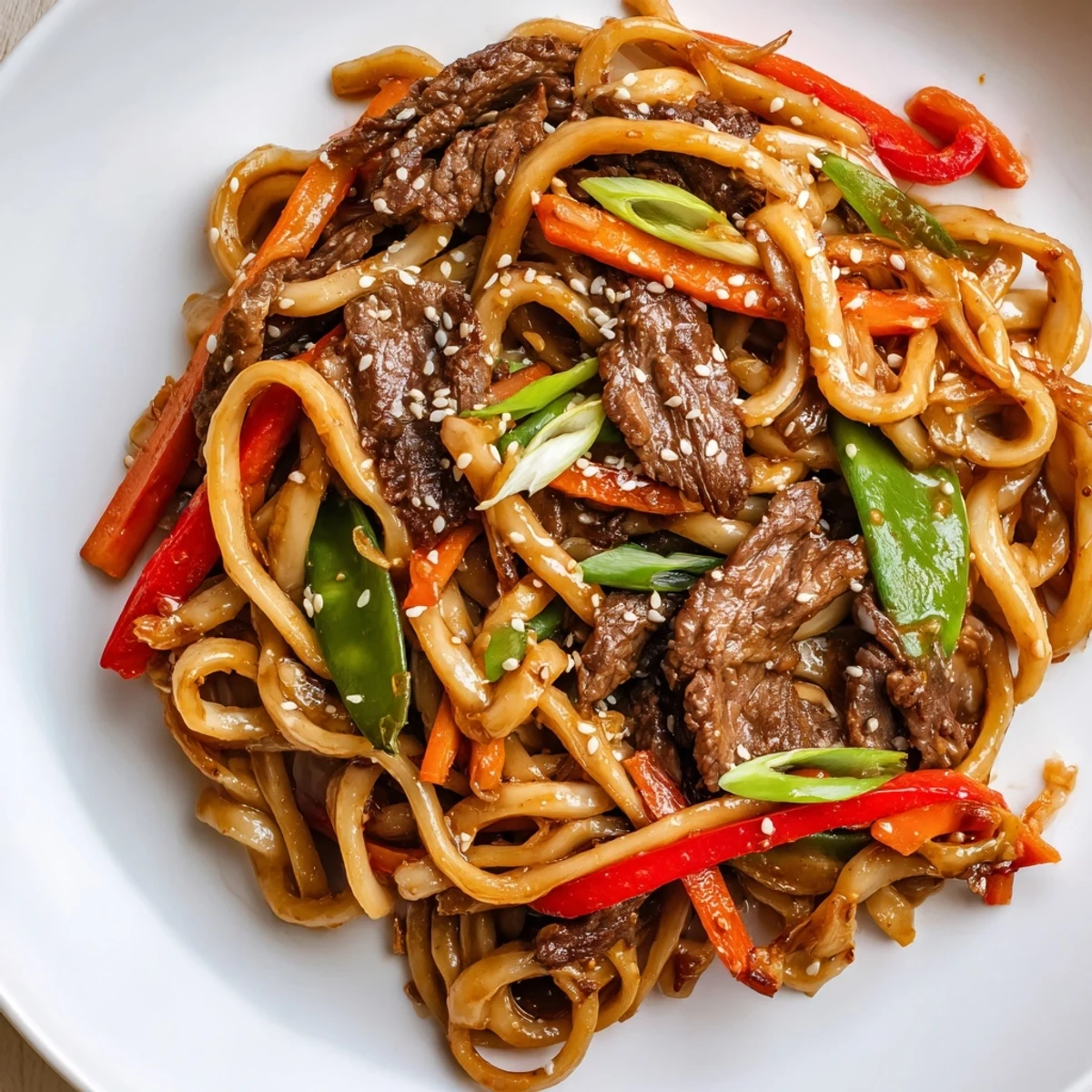
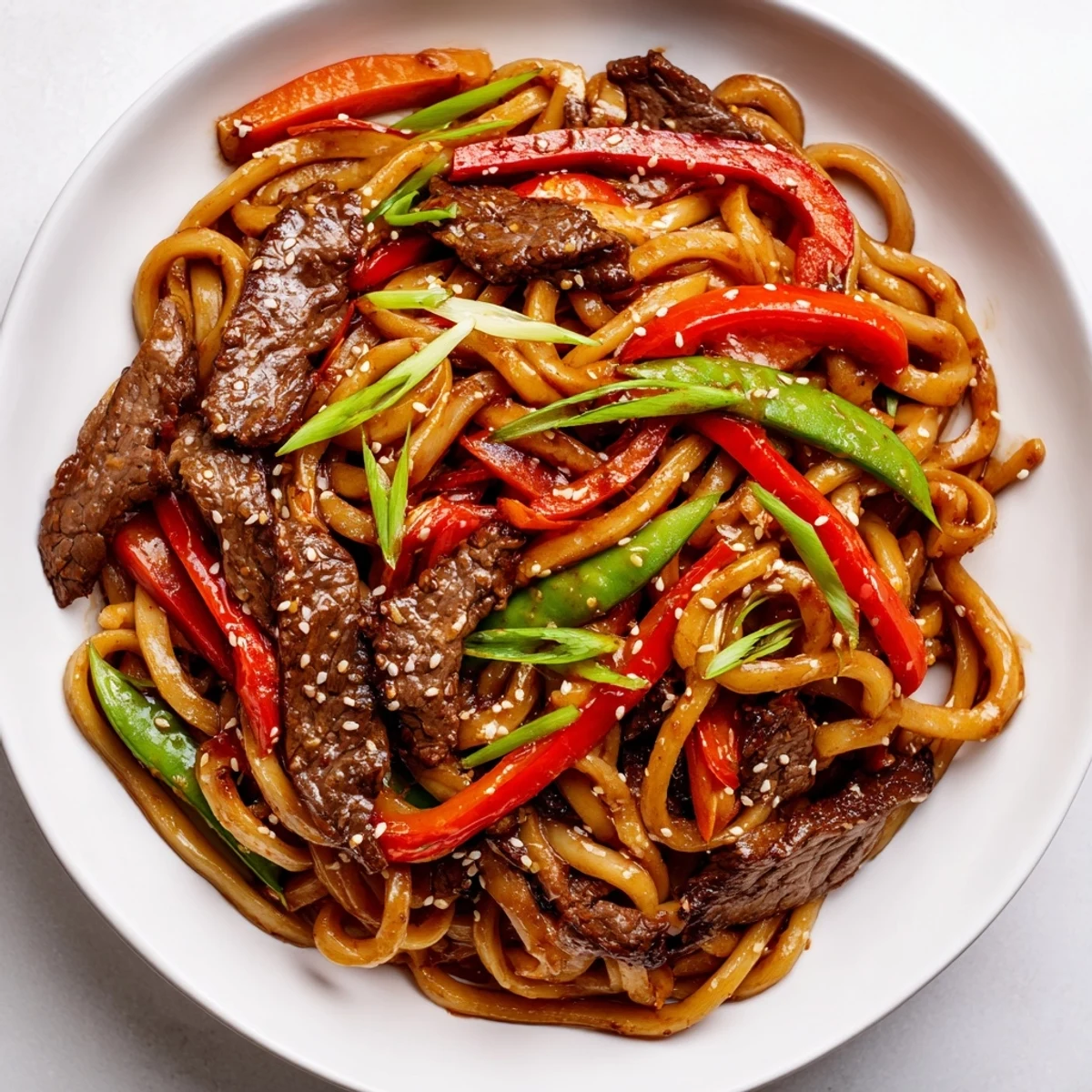
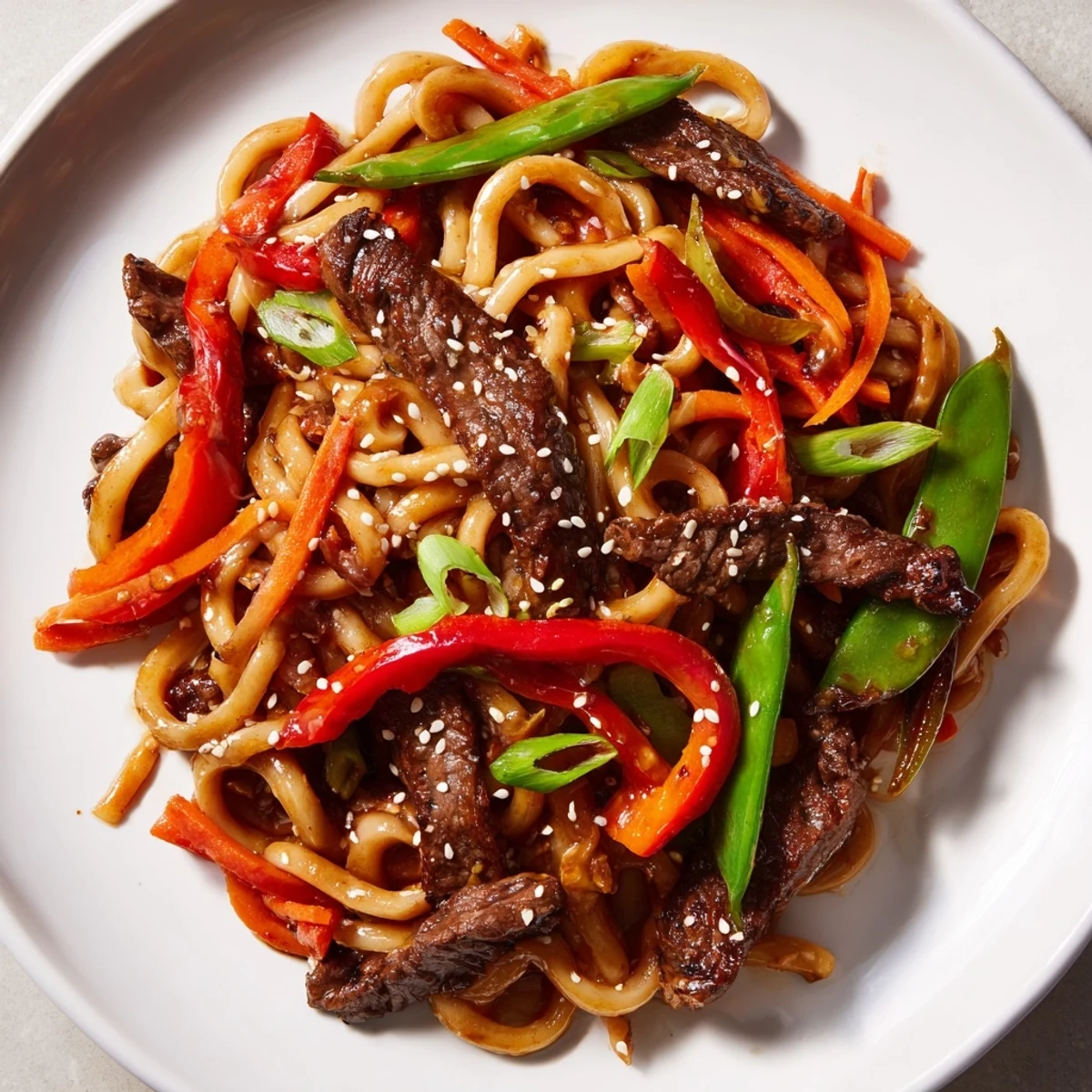
 This vibrant dish features thinly sliced beef marinated with soy and sesame oil, quickly seared to lock in flavor. Fresh udon noodles are cooked and combined with crisp bell peppers, carrots, and sugar snap peas, all coated in a spicy, savory sauce made from soy, oyster sauce, sriracha, and mirin. Finished with fresh ginger, garlic, and spring onions, this stir fry delivers a balanced heat and texture that’s perfect for a quick, satisfying meal. Garnished with toasted sesame seeds for added crunch, it pairs well with light lagers or jasmine tea.
There was this Tuesday night when my wok was still new, barely seasoned, and I was determined to prove I could handle high heat. I threw together whatever vegetables looked promising from the crisper drawer and some beef that needed using, and what emerged was so vibrant and alive with flavor that I immediately wanted to make it again. That accidental discovery turned into this spicy beef stir fry with udon noodles, a dish that somehow tastes both restaurant-perfect and genuinely homemade.
I made this for a group of friends who'd been skeptical about my cooking, and watching their faces when they tasted that first spoonful of noodles coated in that glossy, spicy sauce was everything. Someone asked if I'd gotten it from that restaurant downtown, and I didn't correct them for a full ten seconds because the compliment felt too good.
Ingredients
- Sirloin steak, thinly sliced: The meat cooks fast at high heat, staying tender rather than chewy—the cornstarch coating creates a slight velvety texture that helps the sauce cling to every piece.
- Cornstarch: This tiny addition is what separates a good stir fry from a great one, giving the beef that restaurant-quality finish without adding heaviness.
- Soy sauce and sesame oil: The beef marinade is deceptively simple, but those minutes resting in the bowl let the umami settle in before the wok's heat.
- Red bell pepper: The sweetness cuts through the spice brilliantly, and it stays slightly yielding rather than becoming a soft mess if you keep the heat high and the timing tight.
- Carrot and sugar snap peas: These two handle the aggressive heat differently—the carrot softens just enough to be pleasant, while the peas keep their character.
- Spring onions and fresh ginger: The spring onions add a sharp, fresh finish at the very end, while ginger from the start builds a spicy warmth that builds gradually rather than hitting all at once.
- Garlic, minced: Cook it quickly in the oil before it turns bitter; that fragrance blooming through the wok is your cue you're doing it right.
- Fresh udon noodles: These chewy, substantial noodles hold the sauce like nothing else can—they're worth seeking out at an Asian grocery store rather than settling for dried.
- Soy sauce, oyster sauce, and sriracha: Together they create the soul of the dish: salt, umami depth, and heat that doesn't scream but demands attention.
- Mirin and brown sugar: These add a subtle sweetness that makes the spice feel balanced rather than punishing, like someone's looking out for your palate.
- Rice vinegar: A tablespoon of brightness that keeps everything from becoming cloying, cutting through the richness with a gentle acid.
- Vegetable oil: High heat needs a neutral oil that won't smoke or impart flavor—this is where sesame oil would burn, so save it for finishing instead.
- Sesame seeds: A garnish that's optional on paper but essential in practice, adding a nutty finish and visual warmth.
Instructions
- Coat and Rest the Beef:
- Combine your sliced beef with cornstarch, soy sauce, and sesame oil in a bowl, mixing until each piece is evenly coated. Let it sit for ten minutes while you prepare everything else—this isn't just waiting time, it's when the marinade actually does its work, preparing the meat to brown beautifully and stay tender.
- Mix the Sauce:
- Whisk together soy sauce, oyster sauce, sriracha, mirin, brown sugar, and rice vinegar in a small bowl. Taste a tiny sip and adjust the sriracha upward if you want more heat, downward if you're sensitive—this is your only chance to calibrate before everything's in the wok.
- Cook the Noodles:
- Follow the package instructions, which usually means boiling them until they're tender but still slightly chewy. Drain them well, spreading them on a plate so they don't clump together while you're working on everything else.
- Sear the Beef:
- Heat one tablespoon of vegetable oil in a wok or large skillet over high heat until it shimmers and barely smokes, then lay the beef out in a single layer. You'll hear an immediate sizzle—this is the sound of proper searing happening. Let it sit untouched for one to two minutes until the bottom browns, then remove it to a plate, leaving behind all that flavorful crust.
- Cook the Vegetables:
- Add the remaining tablespoon of oil to the wok, let it heat, then add minced garlic and ginger, stirring constantly for about thirty seconds until the fragrance blooms and fills your kitchen. Add bell pepper, carrot, and sugar snap peas all at once, tossing constantly for two to three minutes—they should go from raw to tender-crisp, still with a slight snap when you bite them.
- Bring Everything Together:
- Return the seared beef to the wok along with the cooked noodles, pour in the sauce, and toss everything constantly for two to three minutes until the noodles are coated, the beef is warmed through, and the vegetables are glistening. The kitchen will smell incredible at this moment—hold on to that feeling.
- Finish with Fresh Spring Onions:
- Stir in the sliced spring onions and immediately remove the wok from heat. Their sharpness is the final note that makes the whole dish feel complete and fresh.
- Plate and Serve:
- Divide among bowls, scatter sesame seeds across the top if you have them, and serve immediately while the noodles are still steaming and the vegetables are at their crispest.
 Save to Pinterest
 I've learned that the best meals are the ones where you can taste every element working together, and this stir fry is proof of that. The spice doesn't bully the sweetness, the heat doesn't overpower the noodles, and somehow a simple weeknight dinner tastes like someone genuinely cared about the outcome.
Why This Stir Fry Feels Different
Most stir fries I've made felt like a race against the clock, a frantic toss of ingredients before something burned or softened too far. This one shifted that feeling for me because the timing is forgiving if you're actually paying attention. The beef rests while you prep vegetables, the noodles cook while the vegetables are in the wok, and everything comes together in that final toss where the heat does something almost magical to the sauce, turning it from liquid in a bowl into something glossy and clingy.
How to Customize Without Losing the Soul
Chicken breasts sliced thin work beautifully here, needing just slightly less searing time than beef. Tofu, pressed and cubed, takes on the sauce like it's been waiting for this moment its entire existence. Shrimp cooks so fast you'll question if it's done, but it will be.
The Details That Matter
Bean sprouts scattered over the finished dish add a raw snap that contrasts perfectly with the heat. A squeeze of fresh lime juice right before eating brightens everything without making it taste acidic. Serve this with jasmine tea or a cold lager—both cut through the richness in ways that make you want another bite.
- The wok is worth the investment if you find yourself making this more than twice a year.
- Prep everything before you start cooking; the actual cooking happens so fast there's no time to chop while things are on the flame.
- Leftovers taste surprisingly good cold the next day, though they're never as good as fresh.
 Save to Pinterest
 This is the dish I make when I want to feel like a competent cook, when the results need to taste deliberate and delicious. It's become one of those meals that tastes like it took hours but only required your focus and a hot wok.
Frequently asked questions about this recipe
- → How should the beef be prepared for best results?
-
Thinly slice sirloin steak and marinate it with cornstarch, soy sauce, and sesame oil to enhance tenderness and flavor before stir frying.
- → What vegetables work well in this stir fry?
-
Red bell pepper, julienned carrot, sugar snap peas, spring onions, garlic, and fresh ginger add crispness and a fresh bite.
- → Can the spice level be adjusted?
-
Yes, you can modify the heat by adjusting the amount of sriracha or chili garlic sauce used in the sauce mixture.
- → Are substitutions possible for udon noodles?
-
While udon noodles provide a chewy texture, thicker rice noodles or soba can be used as alternatives based on preference.
- → What is the best way to garnish the dish?
-
Sprinkling toasted sesame seeds on top adds a pleasant crunch and enhances the nutty flavor profile.
- → How do I avoid overcooking the beef?
-
Sear the marinated beef quickly over high heat in a single layer, cooking just until browned but still tender inside.