
 Save to Pinterest
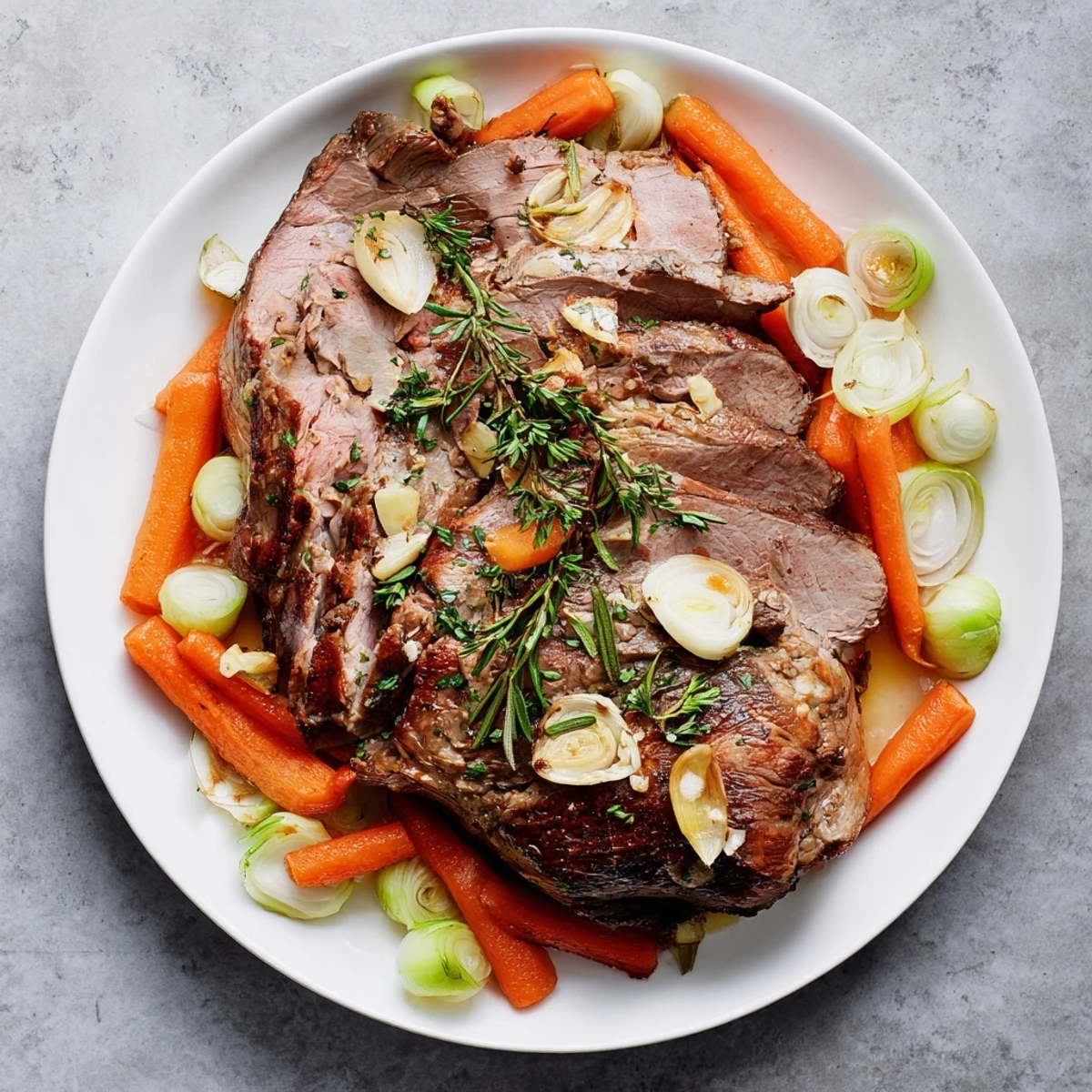
 This tender lamb roast is infused with fresh rosemary, thyme, and garlic for a fragrant flavor. Slow-roasted over a bed of onions, carrots, and celery, it absorbs rich aromas while cooking. The addition of lemon zest and white wine enhances the savory depth. Resting the meat before carving seals in the juices, ensuring a succulent and satisfying main dish ideal for gatherings.
There's something about the smell of lamb roasting with rosemary that stops time in a kitchen. Years ago, my grandmother would start hers early on Sunday mornings, and by noon the whole house smelled like a Mediterranean dream. I've since learned that the secret isn't just expensive meat or fancy technique—it's patience and the willingness to let aromatics do the heavy lifting. This recipe is the one I came back to again and again until I finally got it right.
I made this for the first time when trying to impress someone I'd been seeing for three months. I was nervous enough that I actually read through the entire recipe twice the night before. When they took that first bite, they closed their eyes and didn't say anything for a moment—and that's when I knew I'd nailed it. Now it's become my go-to for dinners that actually matter.
Ingredients
- Leg of lamb, bone-in (1.8 kg/4 lb): Bone-in keeps the meat juicier than boneless cuts, and the bones give the pan juices incredible depth.
- Garlic, sliced (4 cloves): Slicing instead of mincing means you get pockets of soft, sweet garlic throughout the meat rather than it dissolving into the oil.
- Fresh rosemary and thyme (2 tbsp rosemary, 1 tbsp thyme): These are non-negotiable—dried herbs lose their brightness, and you'll taste the difference.
- Sea salt (2 tsp) and black pepper (1 tsp): Season generously on the surface; the salt draws out moisture initially, then helps create that crust.
- Olive oil (3 tbsp): Good quality matters here since it's building your herb paste and protecting the meat's surface.
- Lemon, zested and juiced: The acid brightens everything and prevents the dish from feeling heavy.
- Onion, carrots, and celery (1 large onion, 3 large carrots, 2 celery sticks): These aren't just side vegetables—they're flavor architects, breaking down and enriching your pan sauce.
- Dry white wine or lamb stock (250 ml): Wine adds complexity, but stock works if that's what you have; avoid anything too acidic or it'll compete with the herbs.
Instructions
- Heat your oven and prep your lamb:
- Set the oven to 200°C (400°F). Pat your lamb completely dry with paper towels—moisture is the enemy of browning, and a dry surface is how you get that beautiful crust. Take your time here; wet meat will steam instead of roast.
- Create garlic pockets:
- Using a sharp knife, make little incisions all over the lamb's surface, going about half an inch deep. Slide thin garlic slices into each pocket—you're distributing flavor throughout the meat, not just seasoning the outside. The garlic will soften and almost disappear into the meat, infusing it as it cooks.
- Make your herb paste:
- Combine the rosemary, thyme, salt, pepper, olive oil, lemon zest, and juice in a small bowl until it looks like wet sand. This paste is your secret weapon—rub it everywhere on the lamb, getting it into crevices and making sure every surface is coated. The oils carry the herbs directly into the meat's surface.
- Build your flavor base:
- Scatter the onion, carrots, and celery across the bottom of your roasting pan in a loose pile. These vegetables will cook under the lamb, catching drippings and breaking down into your sauce. Place the lamb on top, centered among the vegetables.
- Add your liquid:
- Pour the wine or stock into the pan around the lamb—not over it, or you'll wash away your herb crust. The liquid will steam the vegetables and create that pan sauce magic.
- Roast and baste:
- Slide everything into the oven for 1 hour 30 minutes for medium-rare (135°C/275°F internal temperature). About halfway through, open the oven, spoon the pan juices over the meat, and check that the liquid hasn't evaporated. If it has, add a splash more wine or stock. This basting keeps the meat moist and builds flavor.
- Rest before carving:
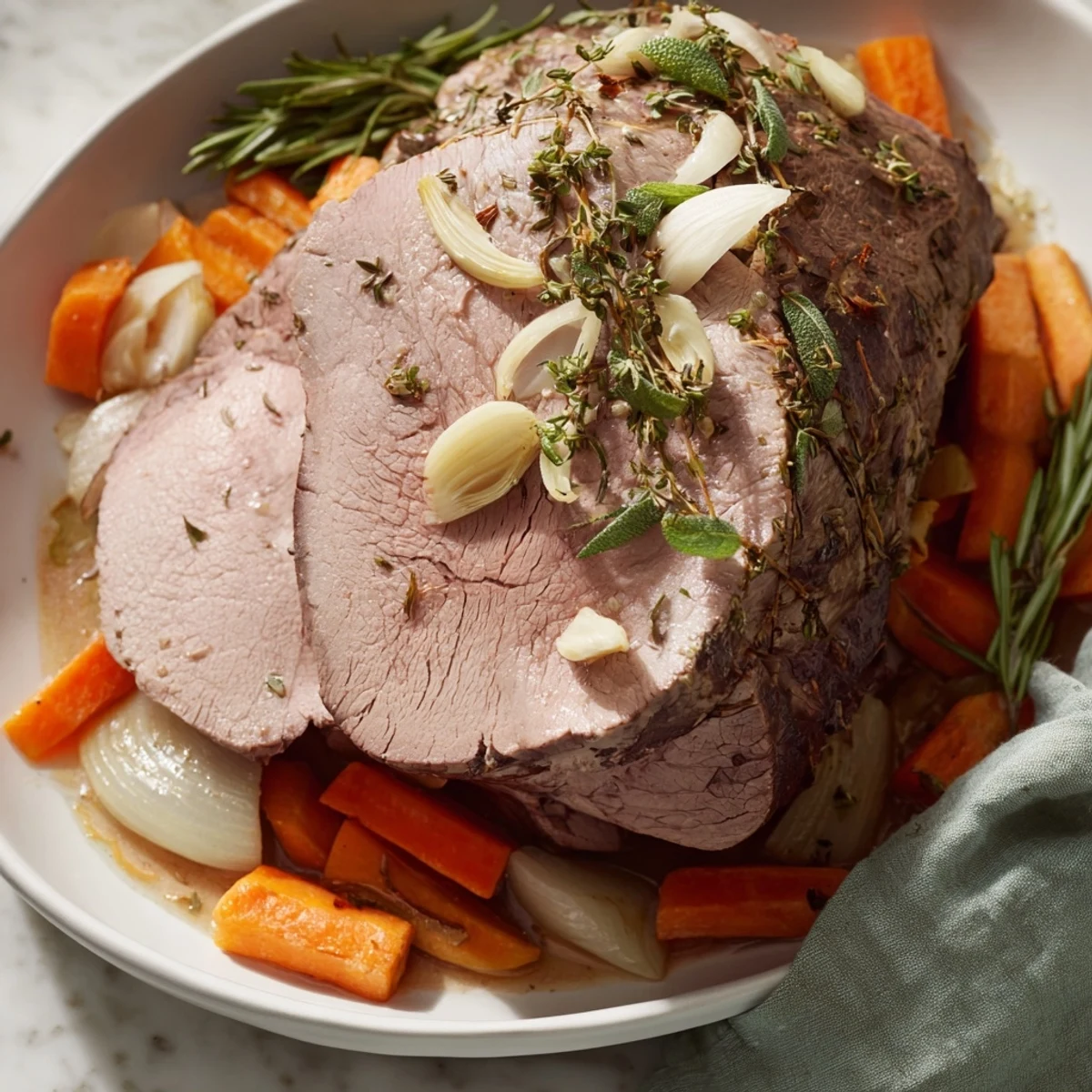
- Remove the lamb from the oven and tent it loosely with foil. Let it sit for 15–20 minutes while the juices redistribute throughout the meat. Carving too soon means those juices run out onto the plate instead of staying in each slice where they belong.
 Save to Pinterest
 The first time my nephew, who hates most vegetables, actually ate a whole carrot from this dish without complaining, I knew this recipe had passed every test that mattered. That's when cooking shifts from just feeding people to creating moments they remember.
Temperature and Timing
Lamb can go from perfect to overdone pretty quickly, and there's no bringing it back. I always use a meat thermometer now—insert it into the thickest part without touching bone. For medium-rare, aim for 60–63°C (140–145°F), which will rise another 3–5 degrees as it rests. Medium is 63–68°C (145–155°F). If you're cooking for people who prefer well-done lamb, you'll add those extra 15 minutes mentioned in the instructions, but I'd gently encourage medium-rare at least once—you might surprise yourself.
Wine and Stock Choices
I've used both white wine and stock, and they create subtly different results. A crisp white wine adds brightness and a slight tartness that cuts through the richness of the lamb beautifully. Stock creates a deeper, more savory base for your pan sauce. If you use stock, check the label for gluten and sodium levels—some brands are extremely salty and will oversalt your entire dish. A lighter chicken stock works in a pinch, but lamb or beef stock is ideal.
Making It Your Own
This recipe is flexible in the best ways. I've swapped the herbs depending on the season and what's growing in my garden—mint and oregano work beautifully if you don't have fresh thyme. The vegetable bed under the lamb can expand to include potatoes, parsnips, or even fennel if you want roasted vegetables that are meant to be eaten. One year I added a teaspoon of mustard powder to the herb paste and it was completely different but equally delicious.
- Always pat your lamb dry before seasoning—this is the single biggest factor in getting a proper crust.
- If you want to marinate overnight as suggested in the notes, do it in the fridge and bring the lamb to room temperature for 30 minutes before roasting.
- Save your pan juices—strain them, discard the solids, and serve them over everything or even freeze them for future gravies.
 Save to Pinterest
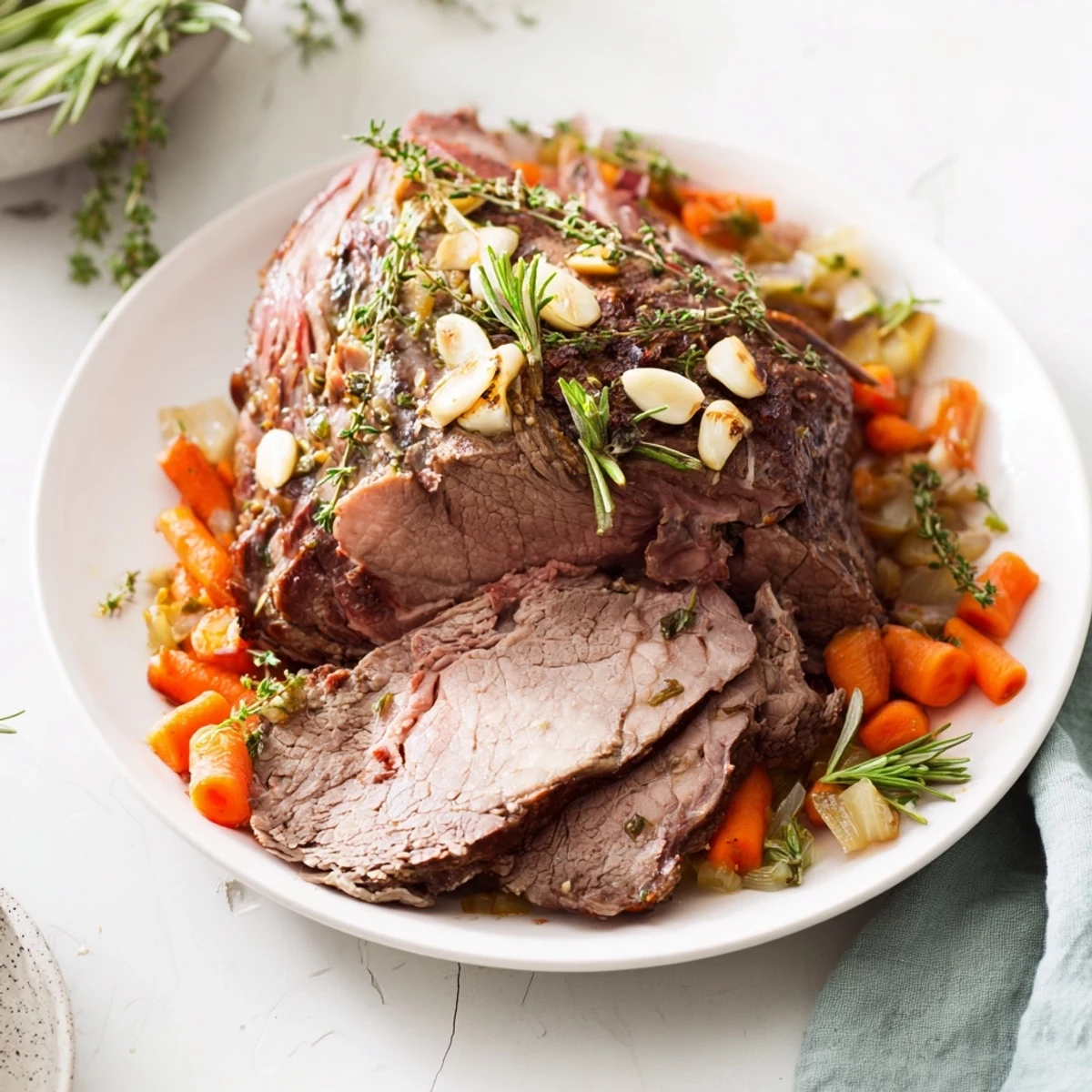
 This roast lamb has become my answer to every special dinner, every gathering where I want people to feel cared for without spending the whole day in the kitchen. It's generous, uncomplicated, and somehow always feels like more than just food.
Frequently asked questions about this recipe
- → How do I ensure the lamb stays tender?
-
Making small incisions and inserting garlic slices helps flavor and tenderize. Slow roasting and resting the meat seals in juices.
- → Can I substitute the white wine used in roasting?
-
Yes, lamb stock is an excellent substitute that adds rich flavor without alcohol.
- → What herbs best complement lamb in this dish?
-
Fresh rosemary and thyme provide aromatic earthiness that pairs beautifully with lamb.
- → How should the vegetables be prepared for roasting?
-
Thickly sliced onions, and chunked carrots and celery create a flavorful bed that adds moisture and aroma.
- → Is marinating the lamb necessary for deeper flavor?
-
Marinating overnight in the fridge intensifies the herb and garlic notes, enhancing tenderness and taste.