
 Save to Pinterest
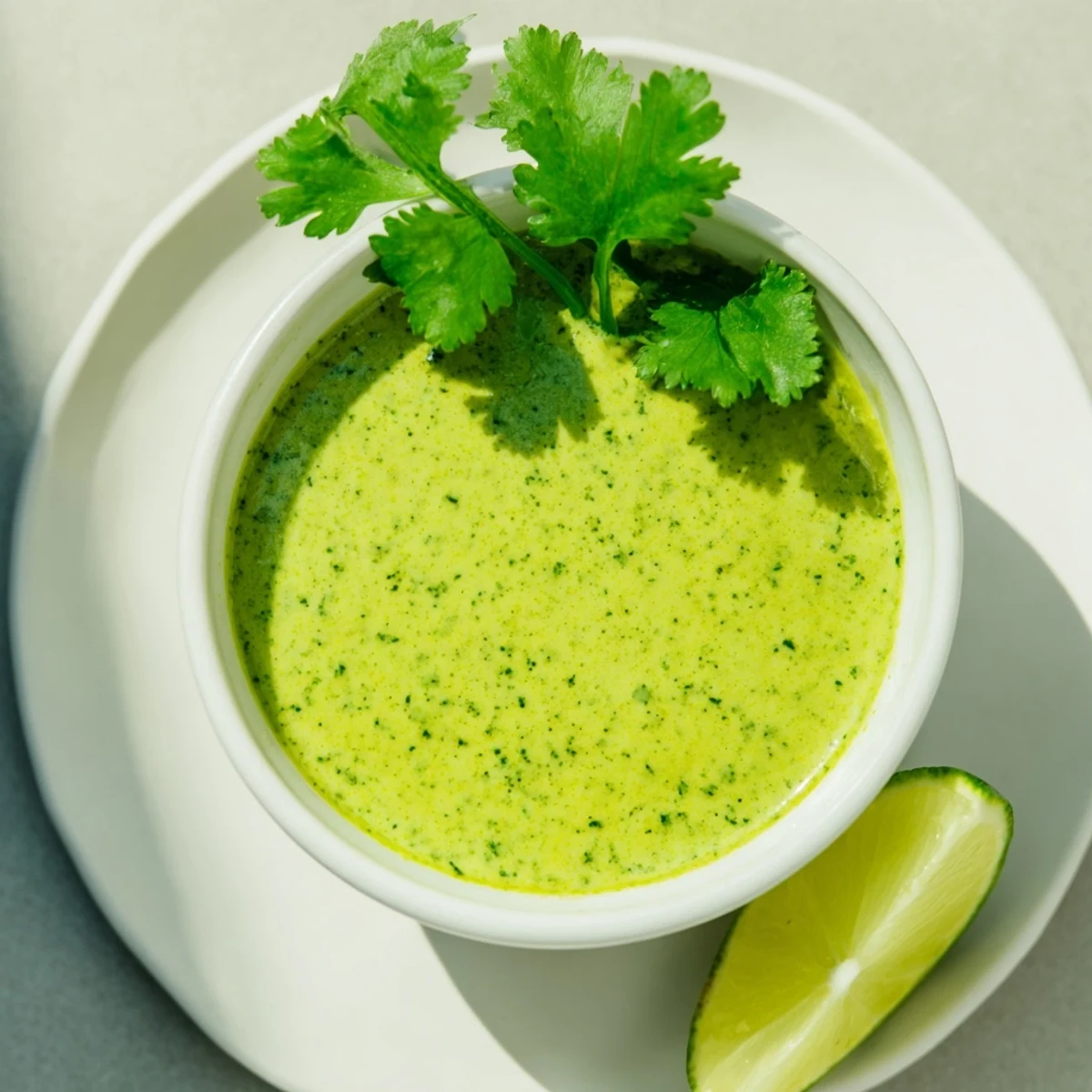
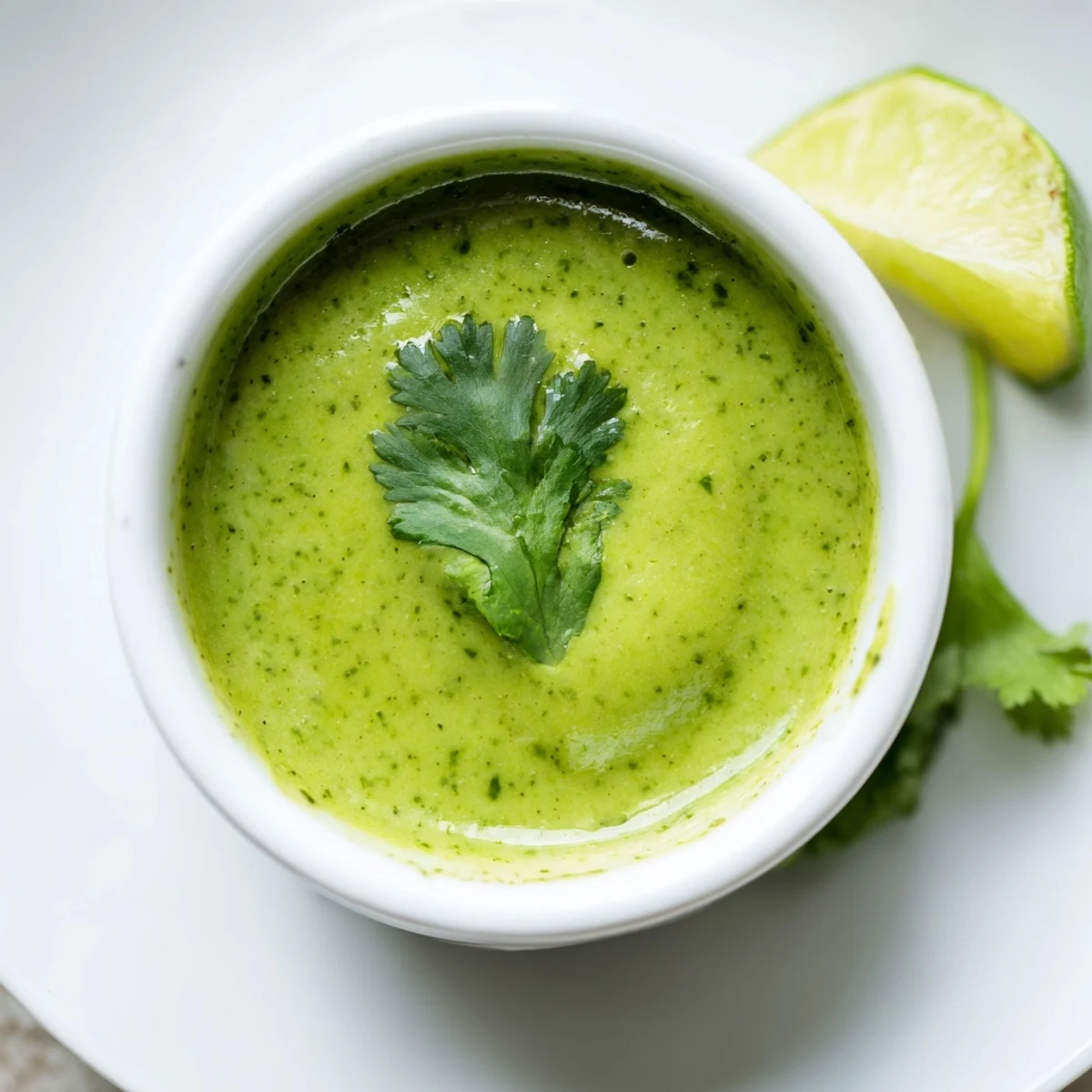
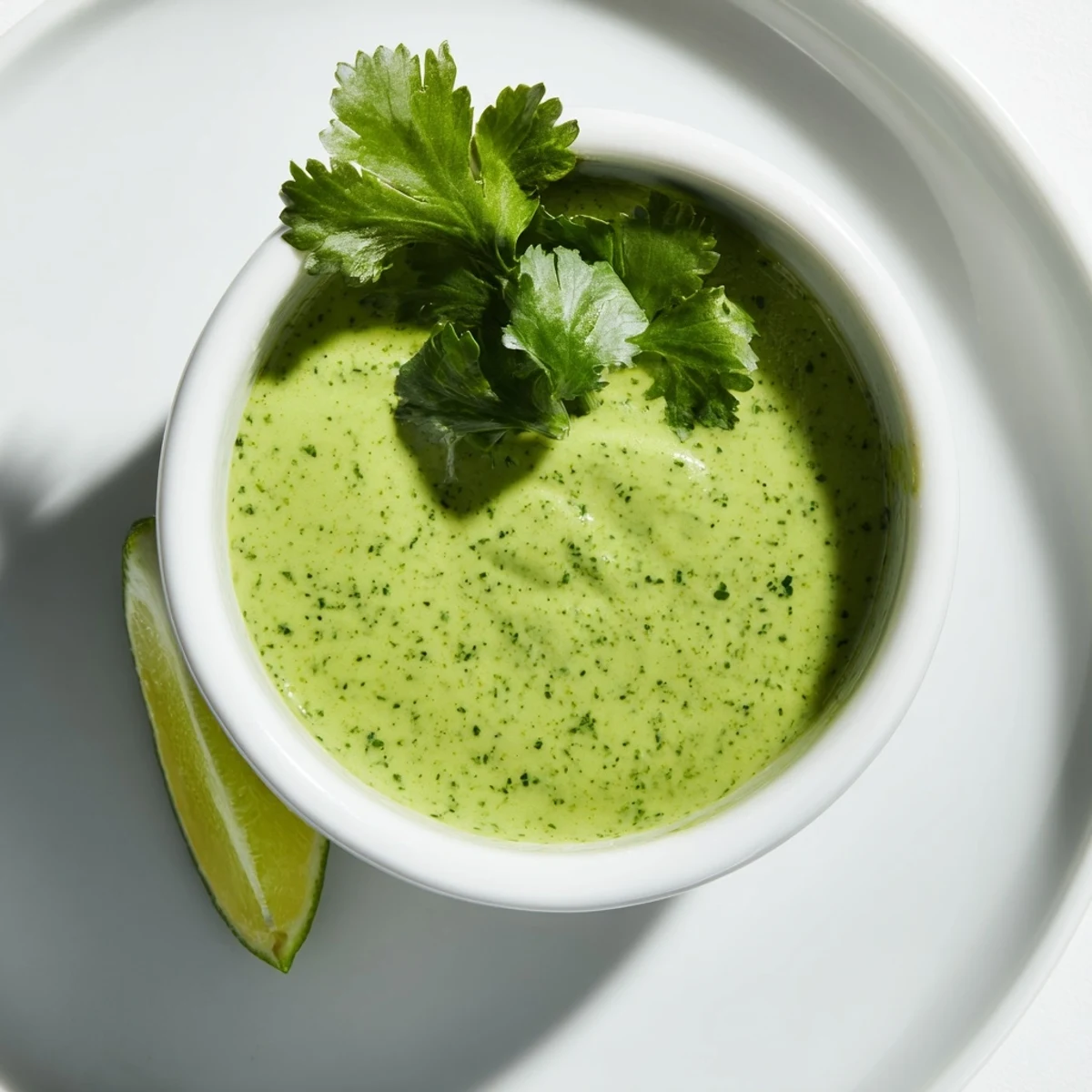
 This aromatic Thai-inspired sauce combines fresh cilantro, garlic, shallots, and Thai green chilies with bright lime juice and rice vinegar. Ready in just 10 minutes, it delivers vibrant flavors that elevate grilled chicken, shrimp, tofu, rice bowls, and roasted vegetables. The blend creates a smooth, pourable consistency perfect for drizzling or dipping. Make it spicy or mild by adjusting the chili seeds, and keep it refrigerated for up to 3 days to have bold flavor ready whenever you need it.
The first time I made this sauce, I'd just come home from a trip to Bangkok and was desperate to recreate those punchy, vibrant flavors that had woken up my palate every morning. I stood in my tiny kitchen with a massive bunch of cilantro I'd overestimated at the market, throwing things into the blender until something magical happened. Now it's the sauce I turn to when a meal needs rescuing from boredom, that certain spark that makes you sit up and pay attention to what you're eating.
Last summer, I made a triple batch for a backyard barbecue and watched my skeptical uncle drizzle it over everything from his burger to the corn on the cob. He asked for the recipe before he even finished his plate, which is basically the highest compliment someone from his generation can pay to anything that looks so aggressively green.
Ingredients
- Fresh cilantro: One large bunch, leaves and tender stems included, because that's where so much of the flavor lives and it would be a shame to waste it
- Fresh mint: Just a couple tablespoons adds this lovely cooling note that balances the heat and makes everything taste brighter
- Garlic cloves: Two cloves give you that aromatic backbone without overwhelming the fresh herbs
- Shallot: More subtle than onion, with this gentle sweetness that plays beautifully with the sharp lime
- Thai green chili: Or jalapeño if that's what you can find, seeded if you're heat-sensitive but leave those seeds in if you want to feel alive
- Fresh lime juice: Absolutely essential, and please use fresh limes because bottled juice just tastes sad in comparison
- Rice vinegar: Adds a mellow acidity that's softer than lime but still bright and clean
- Neutral oil: Grapeseed or vegetable oil helps the flavors meld and gives the sauce a silky mouthfeel
- Soy sauce or tamari: For that salty umami depth, with tamari keeping things gluten-free if needed
- Maple syrup or sugar: Just a tiny bit rounds out all the sharp edges and helps everything get along
- Sea salt: Start with half a teaspoon and add more as you go, because seasonings vary and your taste buds are unique
Instructions
- Prep your aromatics:
- Toss the cilantro, mint if you're using it, garlic, shallot, and chili into your food processor or blender, letting everything hang out together for a moment.
- Add the liquids and seasonings:
- Pour in the lime juice, rice vinegar, oil, soy sauce, maple syrup, and that half teaspoon of salt.
- Blend until smooth:
- Pulse or blend everything together, scraping down the sides as needed, until you've got this gorgeous vibrant green sauce.
- Adjust consistency if needed:
- If it seems too thick for your liking, add water a tablespoon at a time until it reaches your preferred texture.
- Taste and tweak:
- Give it a try and add more lime for brightness, salt for depth, or sweetener if it needs balancing.
- Store and serve:
- Transfer to a jar or bowl and use immediately, or keep it in the fridge for up to three days where the flavors will only get better.
 Save to Pinterest
 My friend who swears she hates cilantro tried this sauce at a dinner party and didn't even realize what she was eating until I told her. Now she asks for the jar every time she comes over, which feels like a personal victory for the cilantro evangelists of the world.
Serving Ideas That Work
This sauce is ridiculously versatile and plays nicely with practically anything that needs a wake-up call. I've drizzled it over grilled shrimp, roasted vegetables, plain rice bowls, and even used it as a dressing for a crisp cucumber salad on hot days when cooking feels like too much effort.
Make It Your Own
Sometimes I throw in a tablespoon of roasted peanuts or cashews right at the end for a creamy, nutty twist that adds body and makes it feel even more substantial. You can also skip the oil entirely and use more water if you're watching your fats, though the sauce won't cling quite the same way to whatever you're drizzling it over.
Storage And Make Ahead Tips
This sauce actually gets better after a night in the fridge as the garlic mellows and all the flavors really get to know each other. Store it in a clean glass jar with a tight lid and give it a good stir before using, since separation is totally natural and nothing to worry about.
- Double the batch and freeze half in ice cube trays for future you
- Let the sauce come to room temperature before serving for the best flavor
- A squeeze of fresh lime right before serving brings everything back to life
 Save to Pinterest
 There's something deeply satisfying about having a jar of this bright green magic in your fridge, ready to transform whatever's on your plate into something that feels intentional and cared for.
Frequently asked questions about this recipe
- → How long does this sauce keep?
-
The sauce stays fresh in the refrigerator for up to 3 days when stored in an airtight container. The flavors may develop and become more pronounced overnight.
- → Can I make it less spicy?
-
Yes, simply remove the seeds from the Thai chili or use a milder pepper like jalapeño. You can also reduce the amount of chili or omit it entirely for a mild version.
- → What can I serve this with?
-
This versatile sauce pairs beautifully with grilled chicken, shrimp, tofu, rice bowls, roasted vegetables, and even works as a dipping sauce for spring rolls or fresh summer rolls.
- → Can I freeze this sauce?
-
Freezing isn't recommended as the fresh herbs and oil may separate upon thawing, affecting texture. It's best enjoyed fresh within 3 days for optimal flavor and consistency.
- → How do I adjust the consistency?
-
Add water one tablespoon at a time while blending until you reach your desired thickness. For a thicker sauce, use less liquid; for a thinner, pourable sauce, add more water gradually.
- → Is there a substitute for cilantro?
-
While cilantro provides the signature flavor, you can substitute with fresh basil or a mix of basil and parsley for a different herb profile. The taste will change but still be delicious.