
 Save to Pinterest
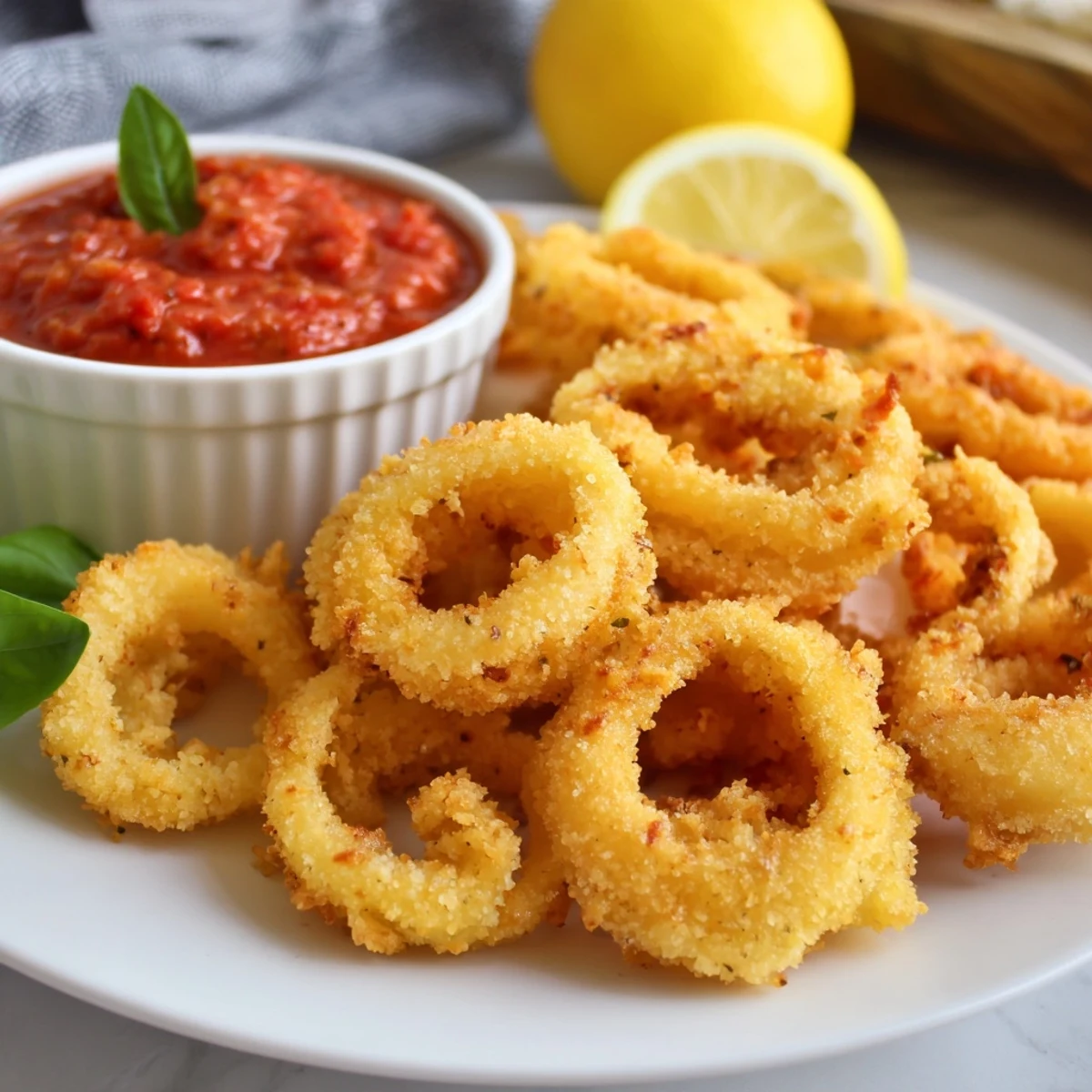
 Prepare fresh calamari by slicing rings and soaking in buttermilk for extra tenderness. Mix flour, cornmeal, and spices for the breading. Fry the coated squid in hot oil until golden and crunchy. Simmer crushed tomatoes with garlic and oregano to create a zesty marinara sauce. Serve immediately with lemon wedges.
There's something magical about the sizzle of calamari hitting hot oil—that moment when the kitchen fills with warmth and anticipation. I discovered this recipe at a small trattoria in Napoli, where the owner's grandmother was working the fryer with such casual precision that I had to ask for her secrets. She laughed and said the trick wasn't complicated, just buttermilk and patience, and maybe a little love for doing things the right way. Now whenever I make it, I'm back in that tiny kitchen, trying to recreate that same golden-brown perfection.
I made this for my partner's family dinner last spring, nervous because her mother is an actual chef. Halfway through frying the first batch, I caught myself holding my breath, worried the oil temperature might be off by a degree. When she took her first bite and closed her eyes in that satisfied way chefs do, I knew I'd gotten it right—and that quiet nod of approval meant more than any compliment ever could.
Ingredients
- Fresh calamari, cleaned and sliced into rings (500 g / 1.1 lbs): Ask your fishmonger to clean it for you—it saves time and removes any gritty bits. Fresh is always better than frozen if you can find it, and the buttermilk marinade will keep it incredibly tender.
- Buttermilk (1 cup / 240 ml): This is the secret ingredient that nobody talks about—it gently tenderizes the calamari while adding a subtle tang that complements the fried coating beautifully.
- All-purpose flour (1 cup / 120 g): Don't skip sifting it first; lumps in your breading mix are the silent enemy of a perfectly crispy coat.
- Fine cornmeal (1/2 cup / 60 g): This is what gives you that satisfying crunch without heaviness—it's the difference between good and unforgettable.
- Garlic powder (1 tsp): Pre-ground is fine here, but if you have time, toasting your own garlic powder in a dry pan for 10 seconds brings out deeper flavor.
- Paprika (1 tsp): Reach for the good kind—smoked paprika if you want a hint of complexity, sweet paprika if you prefer something more straightforward.
- Salt and black pepper (1/2 tsp each, plus more to taste): Taste as you go; the seasoning in the breading mixture should be almost aggressive since much of it won't cling to the calamari.
- Vegetable oil for frying (about 1 liter / 4 cups): Use an oil with a high smoke point—vegetable, peanut, or canola all work beautifully and won't impart unwanted flavors.
- Lemon wedges: These aren't just garnish; the brightness cuts through the richness and makes you want another piece.
- Olive oil (2 tbsp): Use something you actually like tasting, not the cheapest bottle on the shelf—it makes a real difference in the sauce.
- Garlic cloves, minced (2): Fresh garlic always, and mince it yourself just before cooking so the aromatics are at their peak.
- Crushed tomatoes in a can (400 g / 14 oz): San Marzano if your budget allows; they have less acidity and a sweeter, more natural taste.
- Dried oregano (1 tsp): This is one place where dried is actually better than fresh—it has a more concentrated, reliable flavor for marinara.
- Chili flakes (1/2 tsp, optional): A whisper of heat that makes people say the sauce is perfect without being able to name why.
- Sugar (1/2 tsp): Just enough to balance the acidity of the tomatoes, not enough to make it taste sweet—trust the amount and don't overdo it.
- Fresh basil, chopped (1 tbsp, optional): Add this at the very end so it stays bright and aromatic rather than becoming a shadow of itself.
Instructions
- Prepare your calamari for tenderness:
- Place the cleaned rings in a bowl and pour buttermilk over them, making sure everything is submerged. Set a timer for 15 minutes—this isn't a rushed step, and the buttermilk is quietly doing the work of breaking down the proteins and making each ring impossibly tender.
- Build your marinara sauce:
- While the calamari sits, warm olive oil in a saucepan over medium heat and add your minced garlic, listening for that gentle sizzle and waiting for the fragrance to fill the room—about 30 seconds is all you need. Pour in the crushed tomatoes along with oregano, chili flakes if you're using them, sugar, salt, and pepper, then let it simmer uncovered for 10–12 minutes, stirring occasionally, until it thickens slightly and the raw tomato taste mellows into something deeper.
- Mix your breading station:
- Combine flour, cornmeal, garlic powder, paprika, salt, and black pepper in a shallow dish, using a fork to break up any clumps so your coating goes on smoothly and evenly. This mixture is your golden ticket to crispiness, so don't skip the care here.
- Heat your oil to the right temperature:
- Bring your oil to 180°C (350°F) in a deep pan or fryer—use a thermometer because guessing will lead to either burnt coating with raw centers or pale, greasy disappointment. The oil should shimmer and move freely, and if you drop a tiny piece of bread into it, it should sizzle immediately and turn golden in about 30 seconds.
- Bread and fry your calamari:
- Remove the calamari rings from buttermilk one handful at a time, shaking off excess but leaving a light coating clinging to each ring. Toss them in your breading mixture, making sure every surface is covered, then slide them into the hot oil in small batches—overcrowding the pan drops the temperature and leads to soggy, oil-logged rings instead of crispy ones.
- Fry until golden and drain:
- Fry for 1–2 minutes, watching for that moment when the rings turn from pale to light golden brown—they'll continue cooking slightly after you remove them, so pull them out when they're just shy of where you want them. Use a slotted spoon or spider to fish them out and transfer them to a plate lined with paper towels, which will absorb excess oil and keep them crispy.
- Finish with brightness and serve:
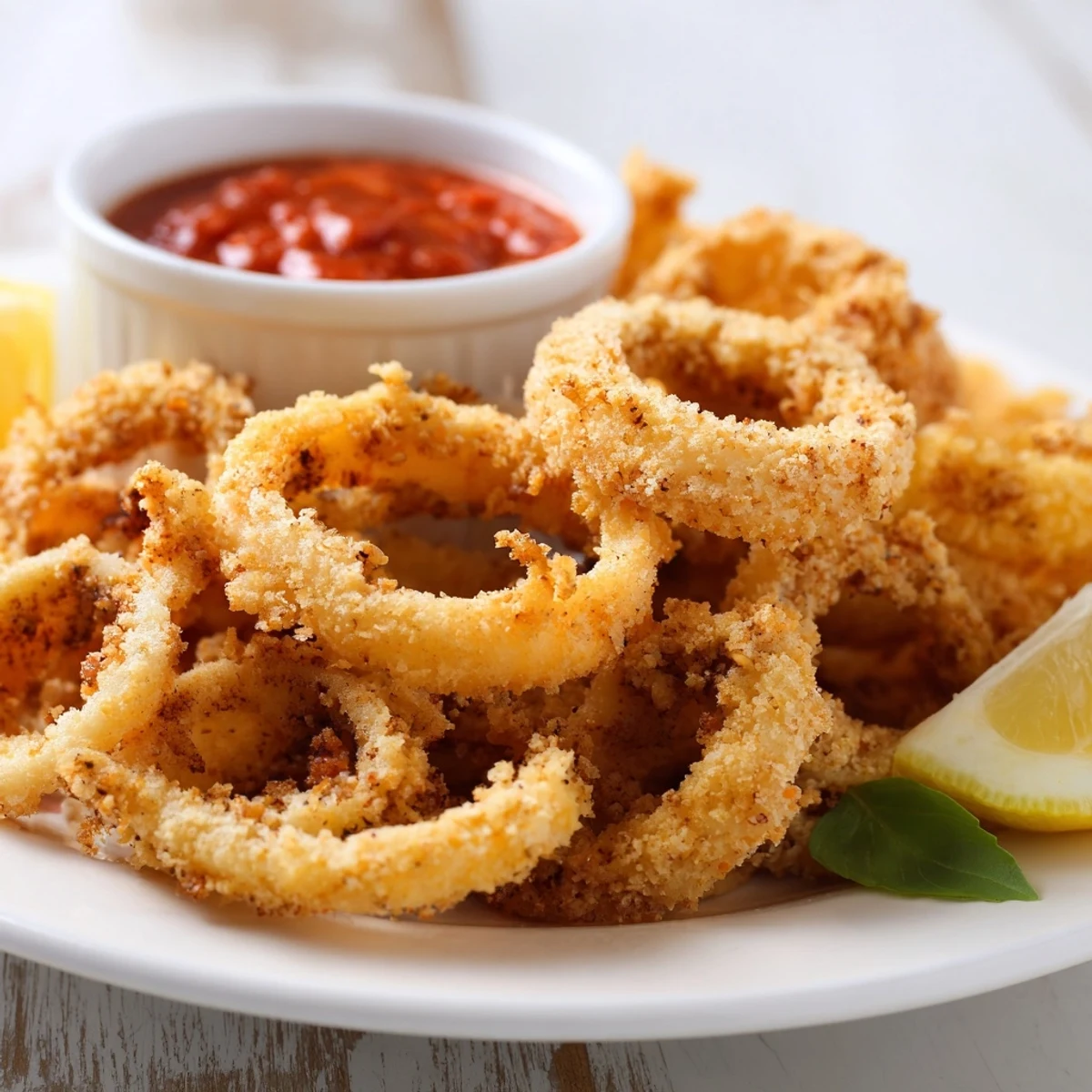
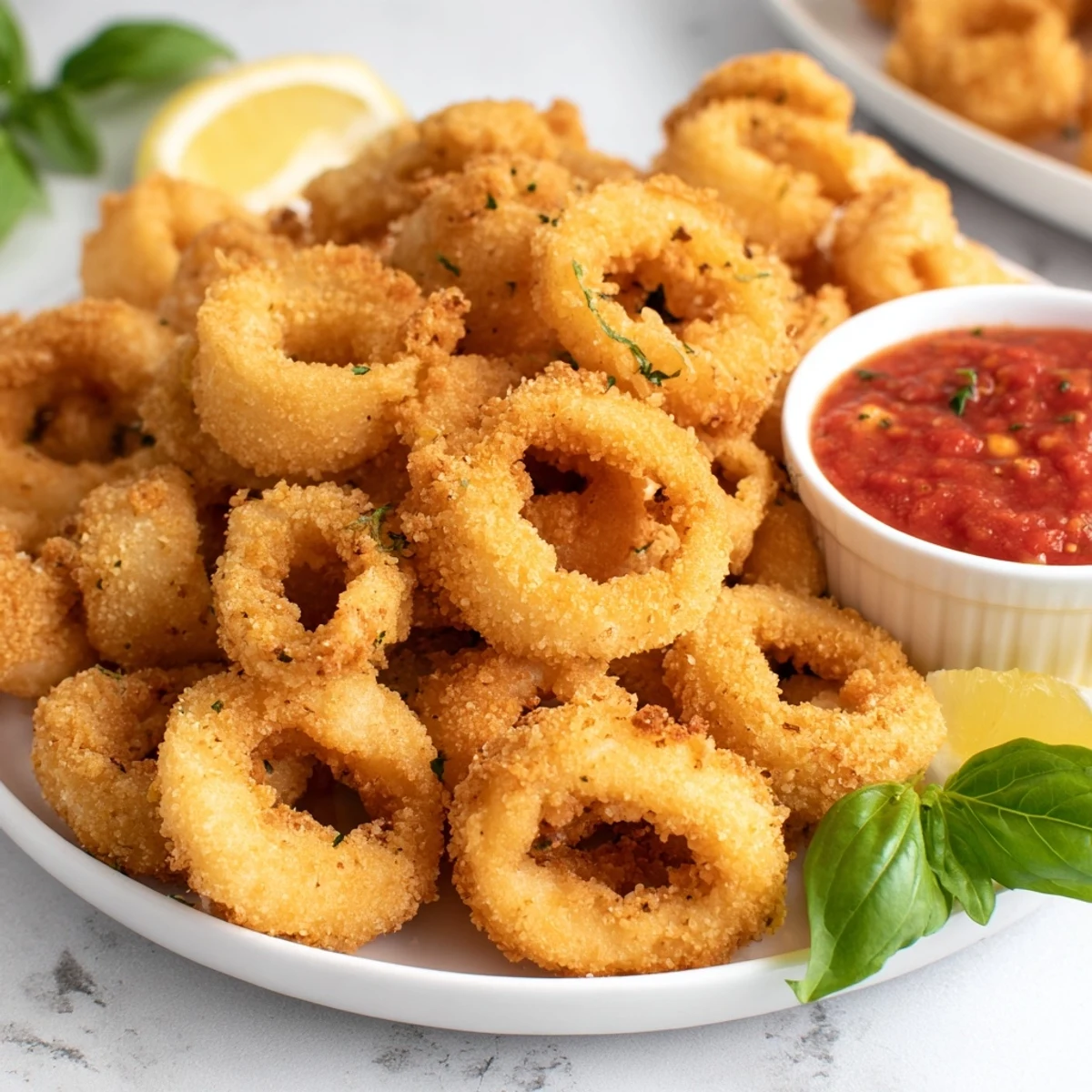
- Stir fresh basil into your warm marinara if using it, then taste and adjust seasoning one last time. Serve the hot calamari immediately with lemon wedges on the side and the marinara in a small bowl for dipping—the temperature contrast between the hot rings and cool sauce is part of the appeal.
 Save to Pinterest
 I remember serving this to my grandmother for the first time, and watching her take a bite transported me back to decades of her stories about eating seafood by the Adriatic coast. She closed her eyes, and for a moment it felt like I'd given her something more valuable than food—a small window back into a place she loved. That's when I realized this dish works because it doesn't try too hard; it just honors the ingredient and lets the calamari shine.
The Science of Tender Calamari
Calamari's reputation for toughness is actually undeserved—the issue is usually either overcooking or underseasoning. The buttermilk works by gently breaking down the muscle fibers through its lactic acid, similar to how marinades work on tougher cuts of meat. When you combine this with a quick, high-temperature fry that seals the exterior in seconds, you end up with something that's simultaneously crispy and delicate, which is the whole point.
Making Marinara That Tastes Like Italy
The marinara sauce is deliberately simple because it's not meant to overshadow the calamari—it's there to complement and enhance. The key is cooking it long enough for the raw tomato flavor to disappear into something rounder and deeper, but not so long that it becomes a paste. Adding the basil at the very end keeps it vibrant and fresh, a green note against the deep red sauce that makes everything taste brighter.
Beyond the Basic Serve
While lemon wedges and marinara are the classic pairing, this dish is flexible enough to shine in different contexts. For a spicier version, add a pinch of cayenne to your breading or increase the chili flakes in the sauce. Some people love it with a squeeze of fresh lime instead of lemon for brightness, or drizzled with a good balsamic reduction for unexpected sweetness.
- Double-dipping the calamari in buttermilk and breading creates an extra-crispy exterior that holds up beautifully to dunking in sauce.
- If you want to prep ahead, you can bread the calamari up to an hour before frying—just lay them on a baking sheet and refrigerate so they stay firm and the coating stays in place.
- Leftover marinara freezes beautifully and works with pasta, bread, or as a base for shakshuka the next morning.
 Save to Pinterest
 This dish has become my go-to when I want to feel like I'm cooking something impressive without the stress of remembering complicated techniques. Every time I make it, I'm reminded that the best recipes are the ones that respect their ingredients and don't try to be more than they are.
Frequently asked questions about this recipe
- → How do I keep calamari tender?
-
Soaking the rings in buttermilk for at least 15 minutes helps break down fibers, ensuring the meat remains tender after frying.
- → What oil is best for frying?
-
Use a neutral oil with a high smoke point, such as vegetable or canola oil, heated to 180°C (350°F) for optimal crispiness.
- → Can I bake instead of fry?
-
While frying yields the crispiest texture, you can bake the breaded rings at 200°C (400°F) for 10-15 minutes, though they will be less crunchy.
- → How do I store leftovers?
-
Store leftover calamari and sauce separately in airtight containers in the refrigerator for up to two days. Reheat in an oven to restore some crispness.
- → Can I use frozen calamari?
-
Yes, thaw the frozen calamari completely and pat it very dry with paper towels before marinating to remove excess moisture.
- → What can I substitute for buttermilk?
-
You can use regular milk mixed with a teaspoon of lemon juice or vinegar, let it sit for five minutes before using.