
 Save to Pinterest
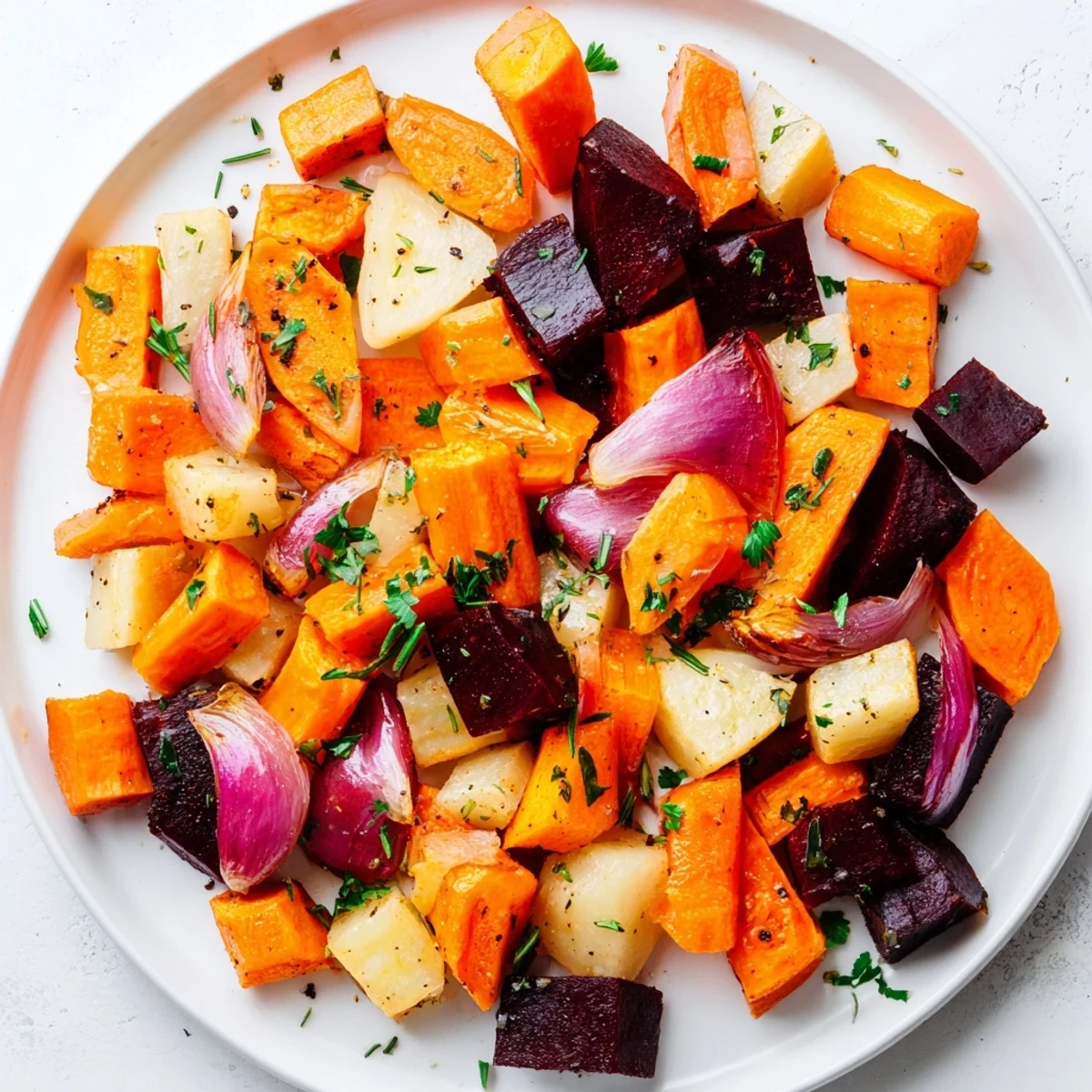
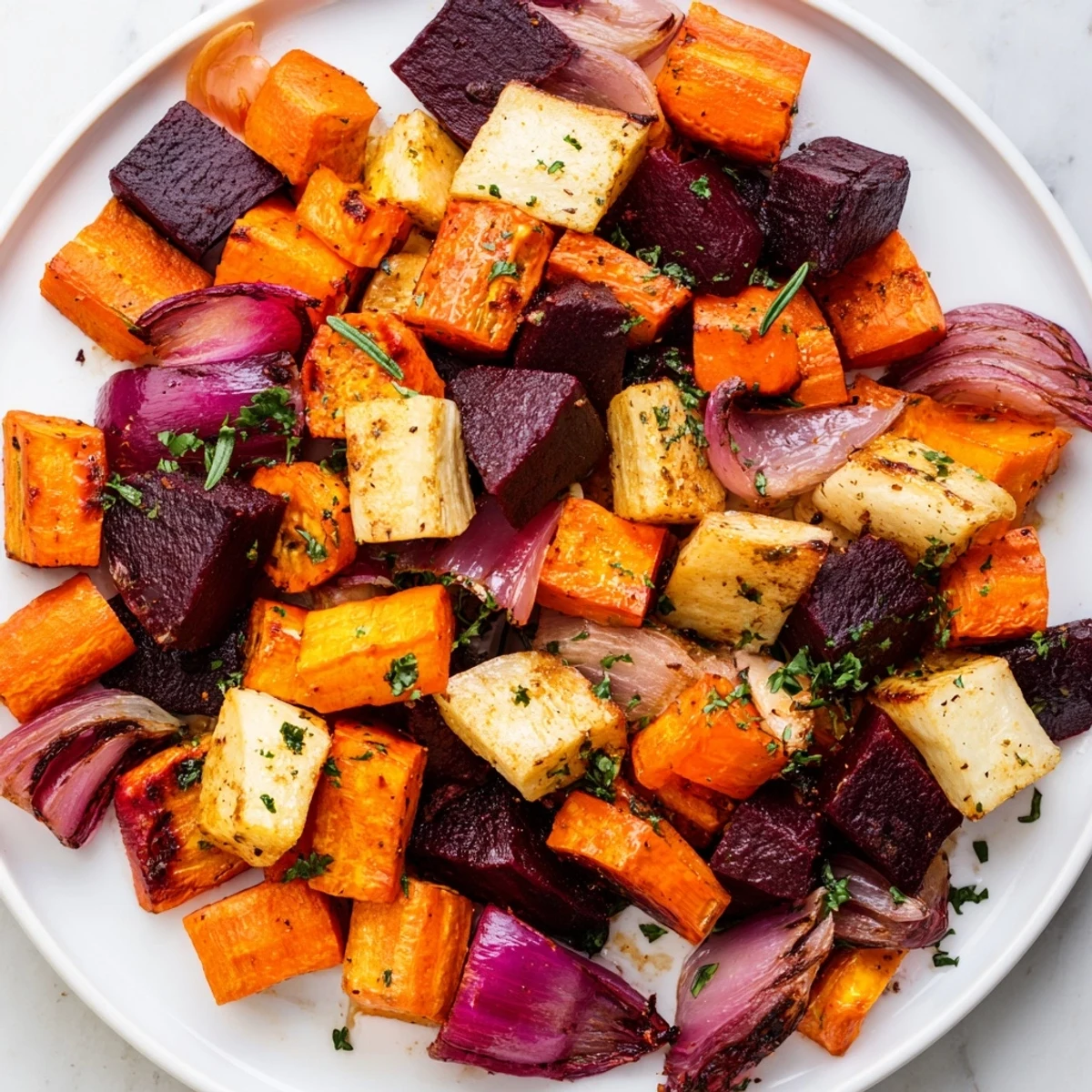
 This dish combines a colorful assortment of carrots, parsnips, beets, sweet potato, and red onion, tossed in olive oil and fragrant herbs like thyme, rosemary, and garlic. Roasted until tender and caramelized, these vegetables create a warm, flavorful side that’s both nourishing and satisfying. Garnishing with fresh parsley adds brightness and freshness. Ideal for pairing with a variety of mains or enjoying on its own as a hearty plant-based option.
There was this gray, rainy Sunday last November when I needed something to make the kitchen feel like a hug. I dug through my crisper drawer and found an assortment of root vegetables looking slightly neglected and decided to see what would happen if I treated them all with the same warmth and attention. The smell that filled my apartment was incredible—earthy and sweet and somehow cozy enough to make the rain outside feel intentional instead of dreary. Now it's the dish I make when I want dinner to feel like self-care without actually requiring any real effort.
I made these for a dinner party when my friend Sarah was going through a rough patch, and honestly watching her face light up after the first bite was better than any compliment I could have asked for. We ended up standing around the baking sheet picking at the caramelized edges while the rest of the food got cold, which is basically my favorite way to eat anyway.
Ingredients
- Carrots, parsnips, beets, and sweet potato: These root vegetables become naturally sweet when roasted, and cutting them into uniform pieces ensures everything finishes cooking at the same time
- Red onion: Onion wedges caramelize beautifully and add a savory depth that balances all that sweetness from the other vegetables
- Olive oil: You need enough fat to coat everything generously so the vegetables roast instead of steam, which is the difference between mushy and golden
- Kosher salt: Salt helps draw out moisture and encourages that nice browning that makes roasted vegetables so addictive
- Freshly ground black pepper: Freshly cracked pepper has way more personality than the pre-ground stuff, and you can taste the difference here
- Thyme and rosemary: These woody herbs can handle the high heat of roasting without turning bitter, and their piney scent fills the whole kitchen
- Fresh garlic: Minced fresh garlic gets sweet and mellow when roasted, adding aromatic flavor without any harsh bite
- Fresh parsley: A scattering of bright green parsley at the end makes the dish look finished and adds a fresh note to cut through all that roasted richness
Instructions
- Get your oven ready:
- Preheat your oven to 425°F and line a large baking sheet with parchment paper because cleanup should never be the reason you avoid making something this good
- Coat everything generously:
- In a large bowl, toss all those prepared vegetables with olive oil, salt, pepper, thyme, rosemary, and minced garlic until every piece feels loved and coated
- Give them room to roast:
- Spread the vegetables in a single layer on your prepared baking sheet, resisting the urge to crowd them or they will steam instead of caramelize
- Let the oven work its magic:
- Roast for 35 to 40 minutes, stirring once halfway through, until the vegetables are tender and have those gorgeous caramelized edges that make roasted vegetables impossible to stop eating
- Finish with something bright:
- Transfer to a serving dish and sprinkle with fresh parsley if you remembered to buy some, then serve warm while everyone is pretending not to eat directly from the serving dish
 Save to Pinterest
 My partner actually requested these for our anniversary dinner, which felt like the highest possible compliment—a dish so good and comforting that it became part of a celebration. There is something about a simple platter of beautifully roasted vegetables that makes any table feel like a proper restaurant.
Making It Your Own
I have swapped in turnips, rutabaga, or regular potatoes when that is what I had on hand, and honestly the combination barely matters as long as you are treating the vegetables with the same method. The only thing I would avoid is delicate vegetables like zucchini that will turn to mush before the root vegetables finish cooking.
Serving Suggestions
These vegetables are incredibly versatile and have shown up alongside roasted chicken, pork tenderloin, and even as the main event with some quinoa when I am cooking for vegetarians. The balsamic vinegar suggestion in the notes is not optional if you ask me—that acid cuts through the sweetness and makes the whole dish feel more sophisticated.
Storage and Reheating
Leftovers keep remarkably well in the refrigerator for up to four days, though they rarely last that long in my house. To reheat, spread them on a baking sheet and pop them in a 400°F oven for about 10 minutes until they are heated through and slightly crisped again.
- Avoid microwaving unless you absolutely must, because they will get soggy and lose that wonderful texture
- These are actually pretty good cold the next day, tossed into a salad with some mixed greens
- If you are meal prepping, roast the vegetables slightly less than you would for immediate serving since they will cook more during reheating
 Save to Pinterest
 Hope this recipe brings your kitchen the same kind of warmth it has brought to mine.
Frequently asked questions about this recipe
- → What vegetables work best for this medley?
-
- → How can I ensure vegetables roast evenly?
-
Cut all vegetables to similar sizes and spread them in a single layer on the baking sheet to allow even roasting and caramelization.
- → Can fresh herbs be used instead of dried?
-
Yes, fresh thyme and rosemary can replace dried herbs; just adjust quantities to maintain balanced flavor.
- → What temperature and duration are best for roasting?
-
Roasting at 425°F (220°C) for 35–40 minutes brings out natural sweetness while achieving tender texture.
- → Any tips for adding extra flavor?
-
A splash of balsamic vinegar before serving enhances depth and adds subtle tanginess to the dish.