
 Save to Pinterest
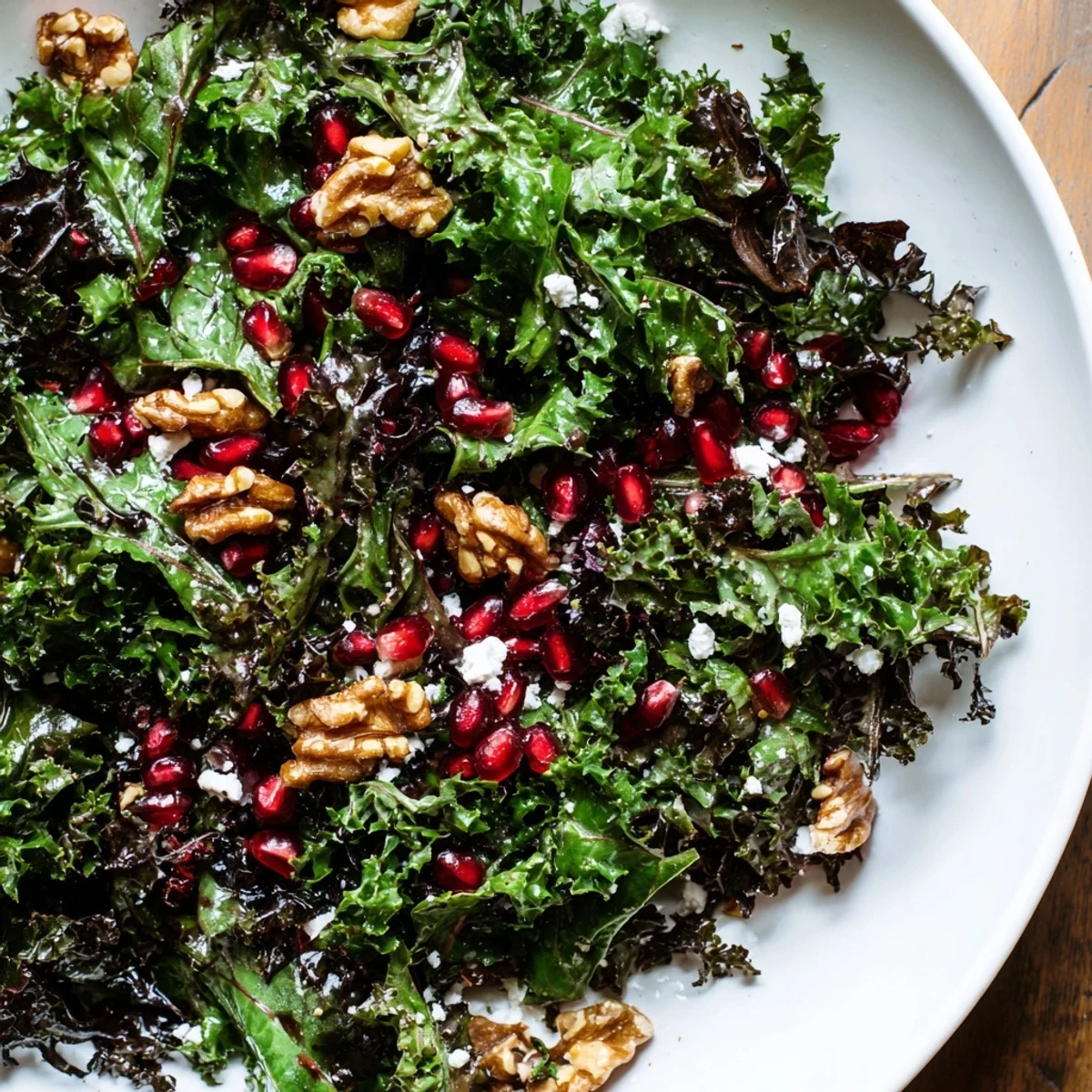
 This bright dish features a mix of robust winter greens gently coated with a tangy-sweet vinaigrette made from pomegranate juice, red wine vinegar, and a hint of honey. Topped with crunchy toasted nuts and jewel-like pomegranate seeds, it delivers a refreshing texture and burst of flavor. Perfect for adding color and zest to chilly days, this easy-to-assemble salad offers a balance of freshness and richness without cooking.
I discovered this salad on a gray January afternoon when my farmer's market visit coincided with the pomegranate season's final weeks. A vendor handed me a ruby-red fruit, still warm from her harvest bag, and something clicked—why not build an entire salad around that jewel-like tartness? That first winter, I made it for a holiday potluck, and watching people's faces brighten as they tasted the unexpected combination of bitter greens and sweet-tart pomegranate became my favorite kitchen memory of the season.
I remember making this for my sister's book club during the worst winter we'd had in years—snow piling up outside while we gathered around my kitchen island. When I set down this vibrant, colorful salad amid all the gray and white outside, the whole room seemed to exhale. Someone said it tasted like spring, and I realized that's exactly what this salad does: it reminds you that brightness exists even in the coldest months.
Ingredients
- Mixed winter greens (6 cups): Choose a mix of kale, baby spinach, arugula, and Swiss chard—the variety means different textures and flavors that keep each bite interesting. Wash them well and tear by hand rather than cutting, so the edges don't bruise and weep
- Pomegranate juice (3 tablespoons): This is the soul of the vinaigrette. Use fresh if you can; bottled works but tastes slightly less vibrant. I learned the hard way that store-bought versions with added sugar tip the balance too far toward sweet
- Red wine vinegar (1 tablespoon): The acid that brings everything into focus. Don't skimp on quality here—a good vinegar makes the difference between a salad and a revelation
- Dijon mustard (1 teaspoon): This tiny amount acts as an emulsifier, keeping the oil and vinegar married together instead of separating by the time you serve
- Honey or maple syrup (1 teaspoon): Just enough sweetness to echo the pomegranate without making this a dessert in disguise
- Sea salt and freshly ground black pepper (1/4 teaspoon salt, 1/8 teaspoon pepper): Taste as you go—the greens will absorb salt differently depending on how much water clings to them after washing
- Extra virgin olive oil (3 tablespoons): This creates the richness that rounds out all the bright, sharp flavors. A fruity oil works beautifully here
- Pomegranate seeds (1/2 cup): These are the whole point—their tartness and pop add texture and visual magic to every single bite
- Toasted walnuts or pecans (1/4 cup): Toast them yourself in a dry skillet; the two minutes it takes transforms them from decent to absolutely necessary. They add a warm, nutty depth against the bright vinaigrette
- Crumbled feta or goat cheese (1/4 cup, optional): The creaminess plays beautifully against the sharp vinaigrette, but this salad stands perfectly on its own if you skip it
Instructions
- Make the vinaigrette base:
- In a small bowl, whisk together the pomegranate juice, red wine vinegar, Dijon mustard, honey, salt, and pepper until the honey dissolves completely and everything smells like a bright, tart promise. This takes about 30 seconds of steady whisking—you'll feel the moment everything comes together
- Emulsify with the oil:
- Now comes the part that feels like magic: slowly drizzle the olive oil into the vinegar mixture while whisking constantly. Go slowly enough that you feel in control, watching the dressing transform from separated and dull to thick, glossy, and amber-colored. This should take about a minute of whisking, and your arm will know when you're done—the dressing will cling to the whisk instead of dripping
- Dress the greens:
- Place the torn winter greens in a large salad bowl—don't pack them down. Drizzle generously with the vinaigrette and toss gently with your hands or salad tongs, lifting from the bottom so every leaf gets coated without bruising. This is the moment to taste a single leaf and adjust seasoning if needed
- Crown with toppings:
- Sprinkle the pomegranate seeds across the top like jewels, scatter the toasted nuts, and add the cheese if you're using it. The toppings are meant to be seen and admired, so don't toss them in—they're part of the beauty
- Serve immediately:
- This salad is best served right away, while the greens are still cool and the nuts still have that toasted warmth. If you must make it ahead, keep the vinaigrette separate and dress the greens just before serving
 Save to Pinterest
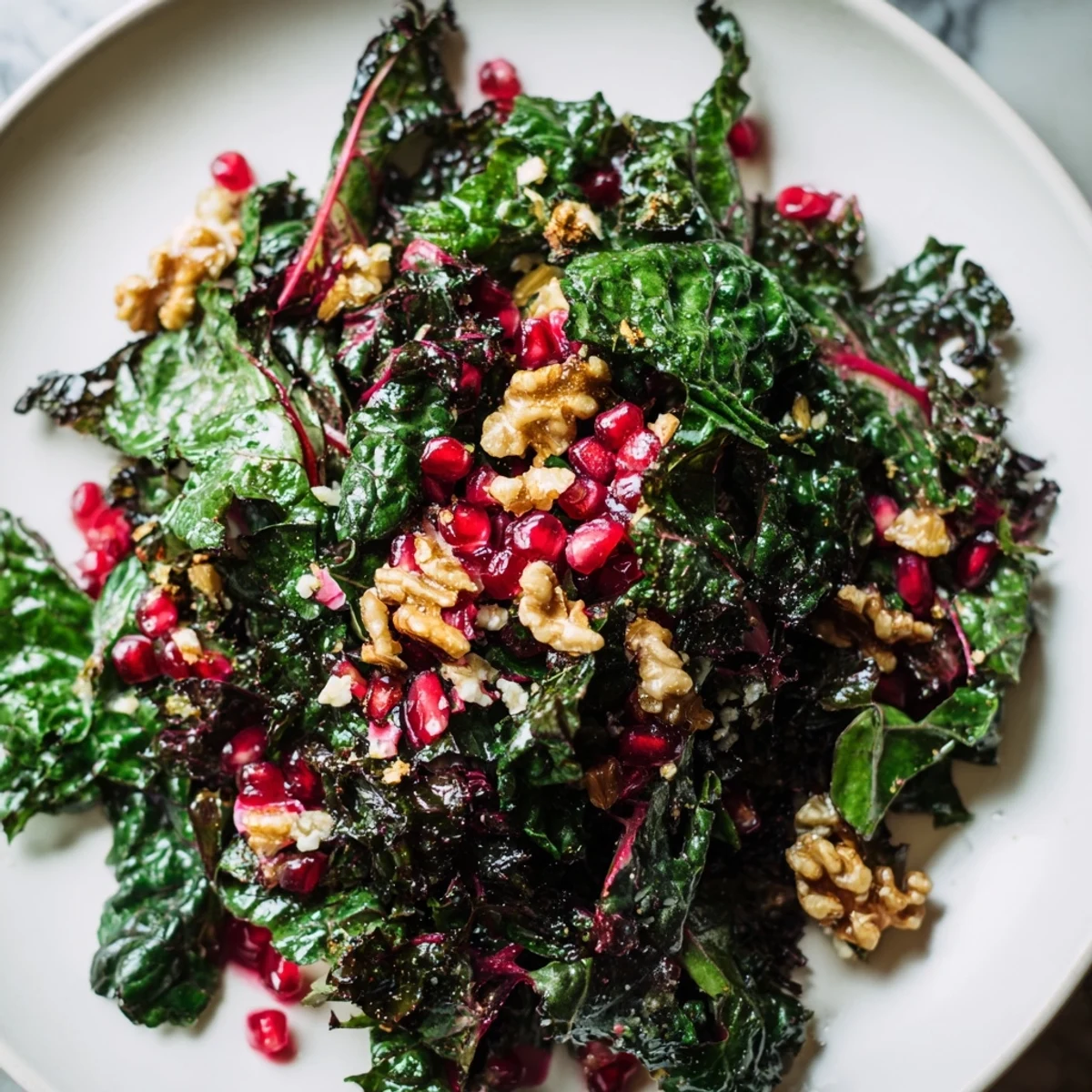
 There's a moment during winter when this salad stops being just dinner and becomes a small act of rebellion against the season—a way of saying "yes, it's cold and dark, but look at this color, taste this brightness." That's when people ask for seconds.
Variations and Flavor Swaps
This salad is endlessly flexible, which is part of why it became my go-to winter recipe. Add thinly sliced pears or apples for additional sweetness and crunch—the pomegranate vinaigrette bridges fruit and greens in a way that feels completely natural. For a more substantial meal, add roasted chickpeas, crispy chickpea flour croutons, or shredded roasted beets. The vinaigrette works equally well with delicate spring greens if you're making this outside of winter; just know that heartier greens like kale can handle a more assertive dressing.
Toasting Nuts Like You Mean It
Never skip the toasting step, even though it seems like an extra task. Place your walnuts or pecans in a dry skillet over medium heat and stay nearby—this takes only 2 to 3 minutes, and the difference between raw and toasted nuts is the difference between a good salad and one people actually remember eating. Watch for fragrant smoke and a deeper, richer color. Remove them immediately when they smell wonderful; toasted nuts can go from perfect to burnt in seconds. Let them cool for a minute before chopping; they'll be warm and slightly crispy against the cool greens.
Making This Recipe Your Own
The beauty of a simple vinaigrette is that it invites experimentation without demanding it. I've made this salad with orange juice instead of pomegranate, with toasted sunflower seeds replacing nuts, with no cheese at all. Every version worked because the fundamentals—quality greens, properly emulsified dressing, and bright toppings—remained constant. The real secret isn't any single ingredient; it's understanding why each element matters and feeling confident enough to adjust.
- For a vegan version, skip the cheese or use a plant-based alternative without second thoughts
- This salad pairs beautifully as a starter before roasted poultry, or alongside a hearty grain bowl for a complete meal
- Make the vinaigrette up to two days ahead and refrigerate it; the flavors actually deepen, though you may need to whisk again before serving
 Save to Pinterest
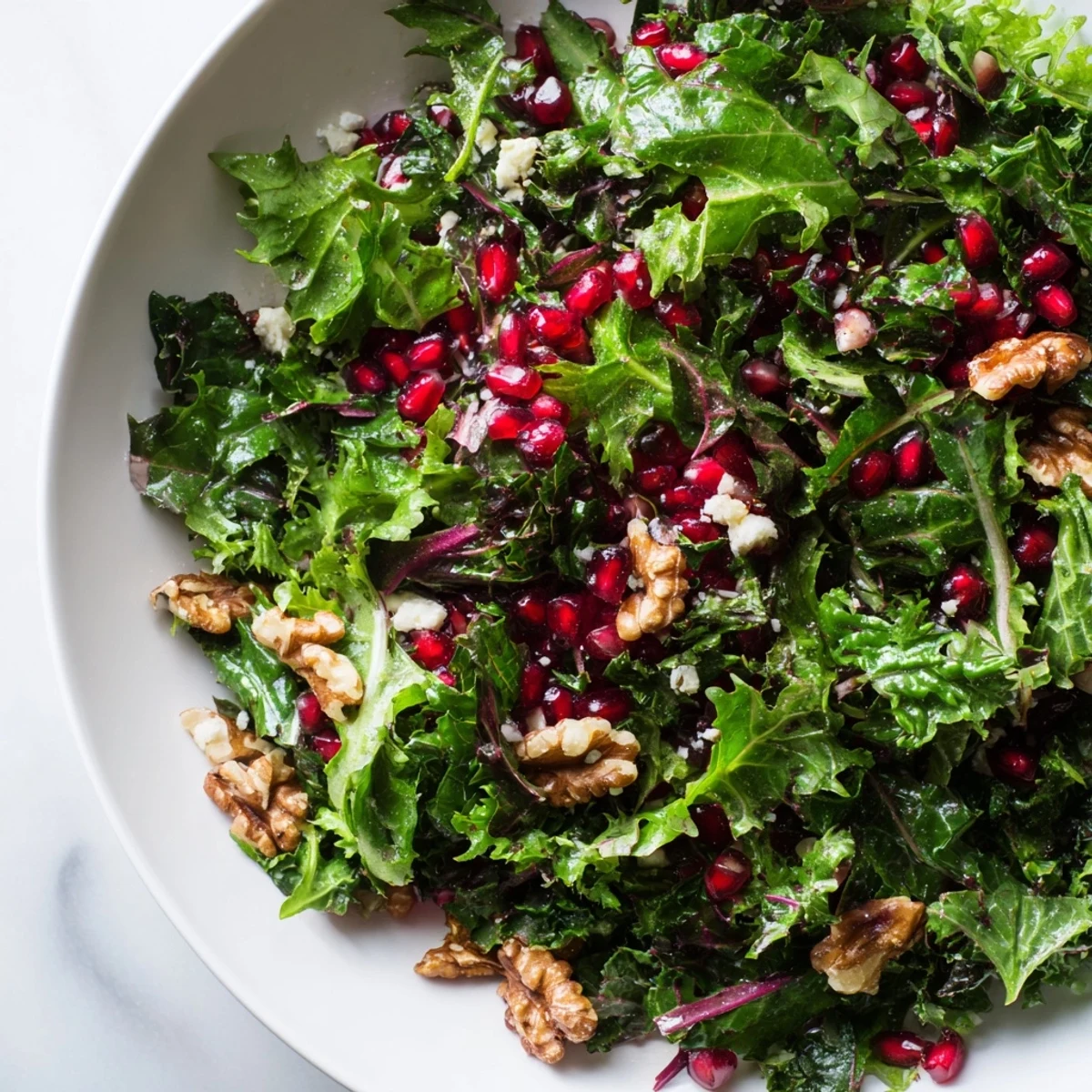
 This salad taught me that winter cooking doesn't have to be heavy or muted. Sometimes the brightest moments come from honoring seasonal ingredients and trusting that simplicity, made with intention, is enough.
Frequently asked questions about this recipe
- → What types of greens work best?
-
Kale, baby spinach, arugula, or Swiss chard all provide great texture and flavor for this dish.
- → Can I substitute the nuts?
-
Yes, walnuts or pecans work well; toasting them enhances their flavor and crunch.
- → Is there a way to make it vegan?
-
Omit the cheese or use a plant-based alternative to keep it fully plant-based.
- → How do I prepare the vinaigrette?
-
Whisk pomegranate juice, red wine vinegar, Dijon mustard, honey, salt, and pepper, then slowly whisk in olive oil until emulsified.
- → What are some good additions?
-
Thinly sliced pears or apples add sweetness and texture, complementing the tart vinaigrette.