
 Save to Pinterest
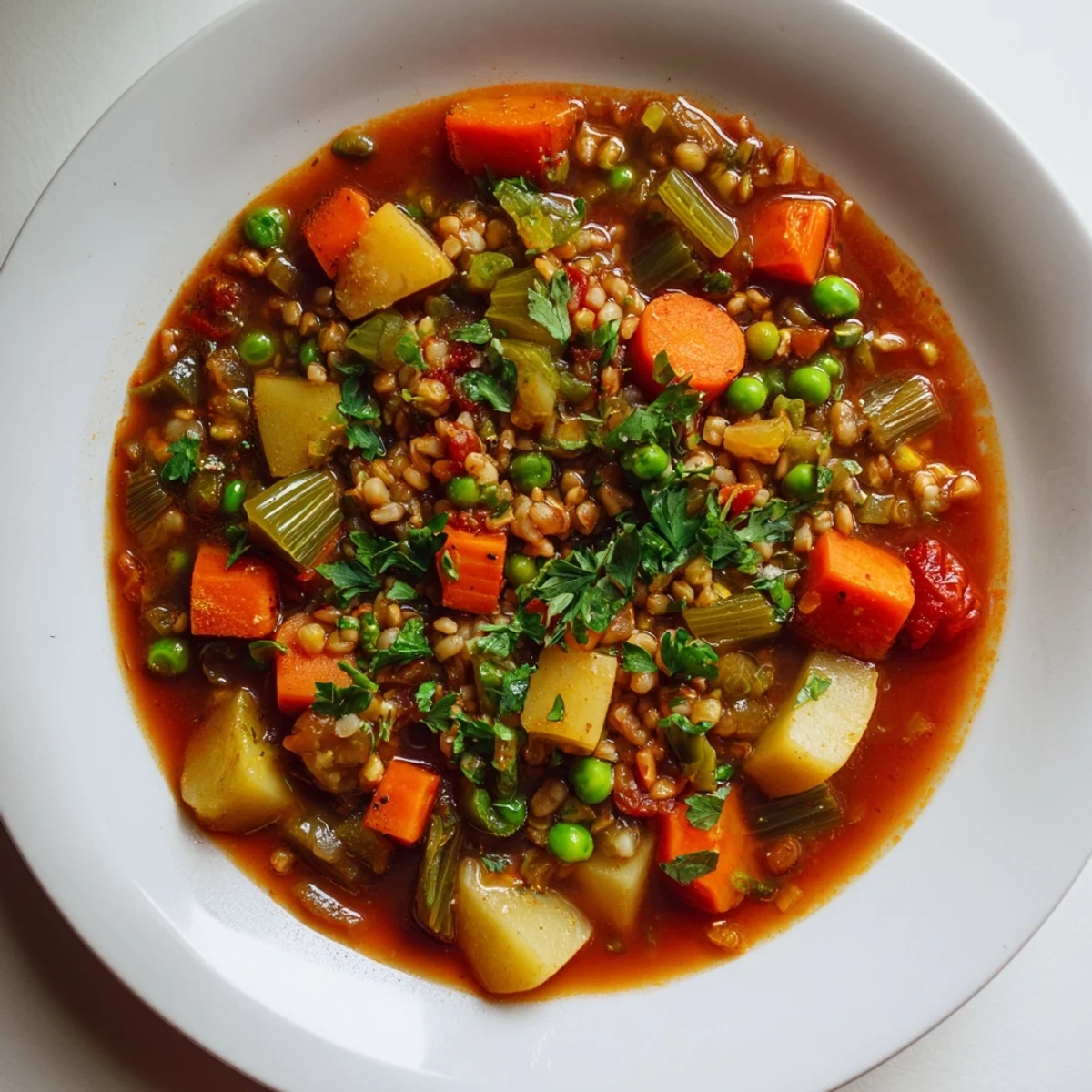
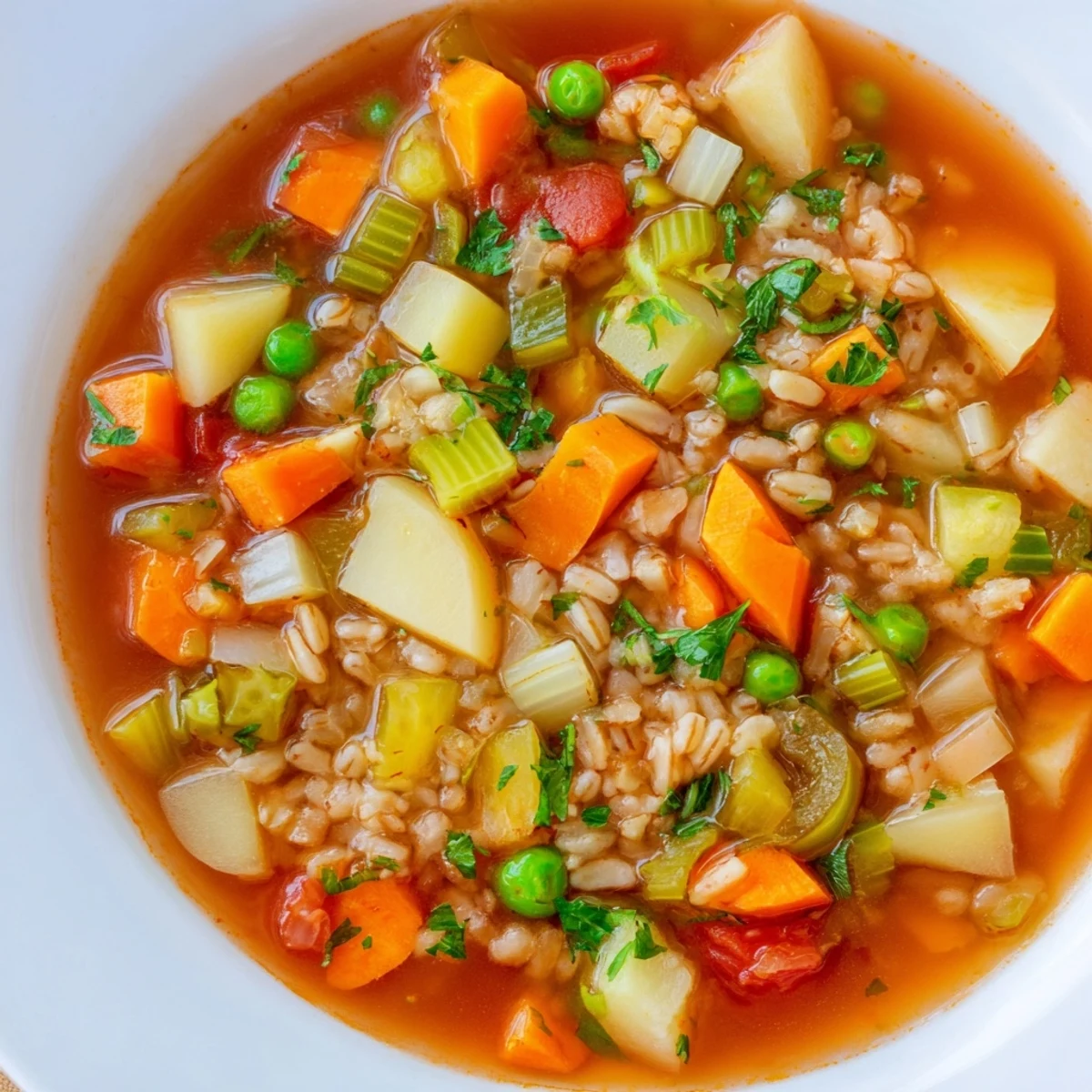
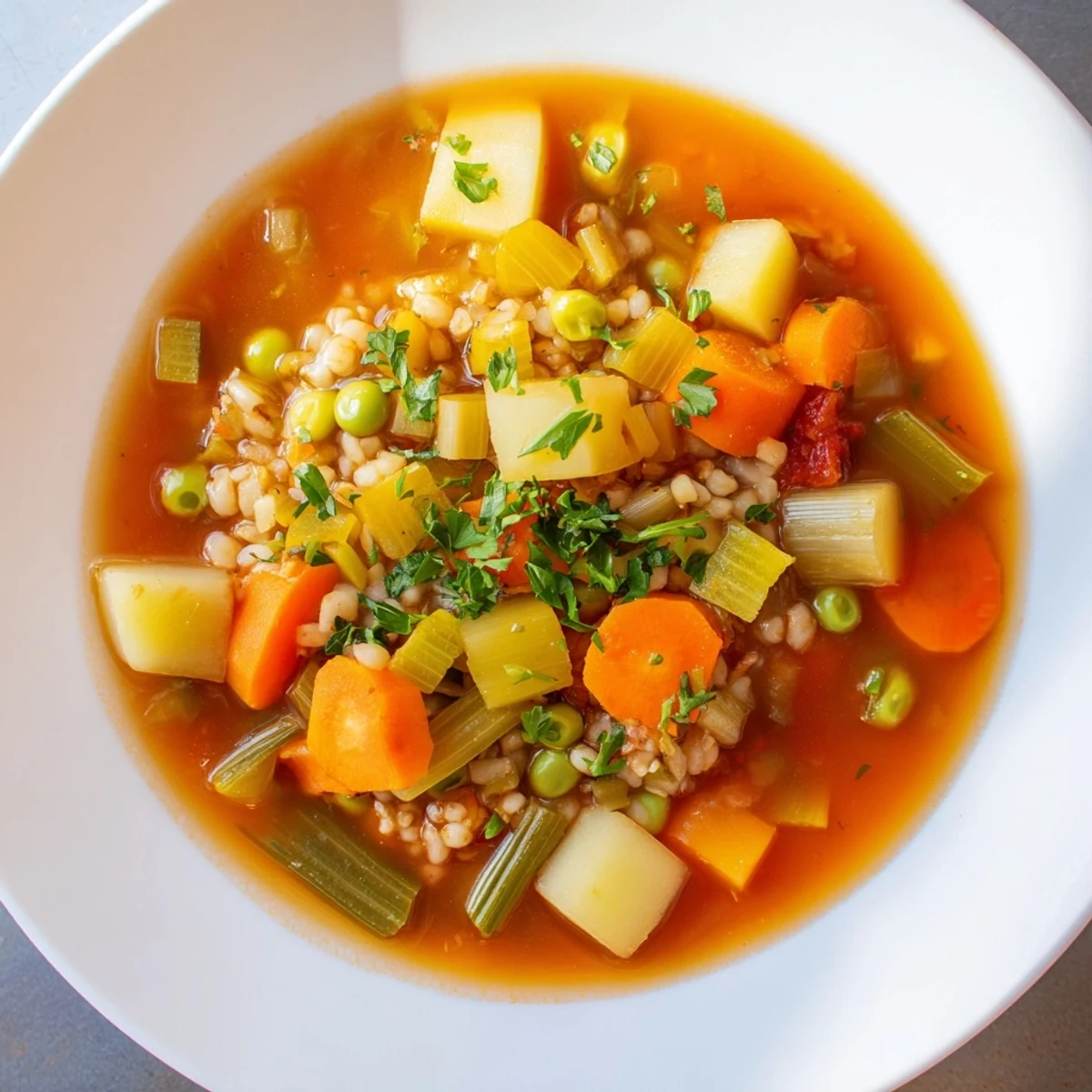
 This warming dish features a medley of diced root vegetables like carrots, parsnips, rutabaga, and potatoes simmered with pearl barley in a fragrant vegetable broth. Aromatics such as onion, garlic, thyme, and oregano enhance the savory flavor, while peas add a pop of color and sweetness near the end of cooking. Finished with fresh parsley garnish, it offers a wholesome, satisfying option packed with texture and seasonal ingredients. Variations include swapping root veggies or adding greens for extra depth.
I stirred a pot of this soup one January evening when the wind rattled the windows and my kitchen smelled like sweet roasted parsnips and bay leaves. The barley bobbed in the broth like tiny pearls, and I remember thinking how something so simple could feel so complete. It wasn't fancy, but it filled the house with warmth. That night, I learned that comfort doesn't need a recipe—it just needs time and good ingredients.
I brought this soup to a friend recovering from a cold, and she called me later to say it was the first thing that tasted like hope in days. We sat at her small kitchen table, dipping bread into the broth and talking about nothing important. She asked for the recipe, but I think what she really wanted was the feeling it gave her—like being cared for without anyone making a fuss.
Ingredients
- Olive oil: A good pour of this helps the onions soften without burning and adds a silky base to the broth.
- Onion and garlic: These two are the backbone of almost every soup I make, building flavor from the very first minute.
- Carrots: They turn sweet as they cook and add natural color without any effort.
- Parsnips: Often overlooked, but they bring an earthy sweetness that carrots alone can't match.
- Celery: It adds a gentle, grassy note that balances the sweetness of the root vegetables.
- Rutabaga: This humble root becomes creamy and mild, melting into the soup with a slight peppery finish.
- Potatoes: They thicken the broth just enough and soak up all the savory flavors.
- Leek: Milder than onion, it adds a delicate sweetness that feels refined without being fussy.
- Frozen green peas: Stirred in at the end, they bring a pop of color and a hint of spring even in the dead of winter.
- Pearl barley: The star of the pot, it turns tender and chewy, soaking up broth like a sponge.
- Vegetable broth: Use a good one here, because it carries every other flavor forward.
- Diced tomatoes: They add acidity and body, rounding out the soup without making it taste like tomato soup.
- Bay leaves, thyme, and oregano: These dried herbs build a warm, herbal backbone that smells like a grandmother's kitchen.
- Salt and pepper: Always taste before serving, because every broth is different.
- Fresh parsley: A handful of this at the end makes the whole bowl taste brighter and more alive.
Instructions
- Soften the aromatics:
- Heat the olive oil in a large pot over medium heat, then add the onion and garlic. Stir them around until they smell sweet and look translucent, about 2 to 3 minutes.
- Add the root vegetables:
- Toss in the carrots, parsnips, celery, rutabaga, and potatoes, stirring everything together so the vegetables get coated in the fragrant oil. Let them cook for 5 minutes, stirring now and then.
- Stir in the leek and barley:
- Add the sliced leek and rinsed barley, stirring for a couple of minutes until the barley starts to smell faintly toasted.
- Build the broth:
- Pour in the vegetable broth and diced tomatoes with all their juices, then drop in the bay leaves, thyme, and oregano. Stir everything together and let the pot come to life.
- Simmer until tender:
- Bring the soup to a boil, then turn the heat down to a gentle simmer. Cover the pot and let it cook for 40 minutes, stirring occasionally so nothing sticks to the bottom.
- Finish with peas:
- Remove the lid, add the frozen peas, and simmer uncovered for another 8 to 10 minutes until the barley is tender and the peas are bright green.
- Season and serve:
- Fish out the bay leaves, then taste the soup and adjust the salt and pepper. Ladle it into bowls, sprinkle fresh parsley on top, and serve it steaming hot.
 Save to Pinterest
 One night, I made this soup after a long day and forgot to add the peas. I only remembered when I sat down to eat, and by then I was too tired to care. It was still delicious, and I realized the recipe was forgiving in the best way—it didn't need perfection to be good.
How to Store and Reheat
This soup keeps beautifully in the fridge for up to 5 days, and the barley soaks up even more flavor as it sits. Reheat it gently on the stove, adding a bit of broth if it's thickened overnight. It also freezes well for up to 3 months, though the potatoes may get a little softer after thawing.
Swaps and Substitutions
If you can't find rutabaga, use turnips or sweet potatoes instead—they'll change the flavor slightly but still taste wonderful. Swap the barley for farro or brown rice if you need a gluten-free option, though cooking times may vary. A handful of chopped kale or spinach stirred in at the end adds color and a bit of earthy green flavor.
Serving Suggestions
I like to serve this soup with thick slices of rustic whole-grain bread, still warm and brushed with olive oil. A crisp white wine or sparkling water with lemon makes it feel a little more special, even on a weeknight.
- Serve it as a main course with a simple green salad on the side.
- Pack it in a thermos for lunch—it travels well and tastes even better after a few hours.
- Top each bowl with a drizzle of good olive oil or a sprinkle of grated Parmesan if you're not keeping it dairy-free.
 Save to Pinterest
 This soup has become my answer to cold nights and quiet kitchens, the kind of dish that asks for nothing but gives everything. I hope it warms your table the way it's warmed mine.
Frequently asked questions about this recipe
- → Can I substitute barley with another grain?
-
Yes, you can use farro, brown rice, or quinoa for a similar hearty texture, adjusting cooking times accordingly.
- → What vegetables can I swap in this soup?
-
Parsnips or rutabaga can be replaced with turnips or sweet potatoes for a different flavor profile.
- → How can I make the soup richer?
-
Stir in chopped kale or spinach during the last 5 minutes of cooking for added color and nutrition.
- → Is it necessary to rinse the barley before cooking?
-
Rinsing pearl barley removes excess starch and any debris, improving texture and cleanliness.
- → What garnishes complement this winter soup?
-
Fresh parsley works well to brighten the dish, but you can also try chopped chives or a drizzle of olive oil.