
 Save to Pinterest
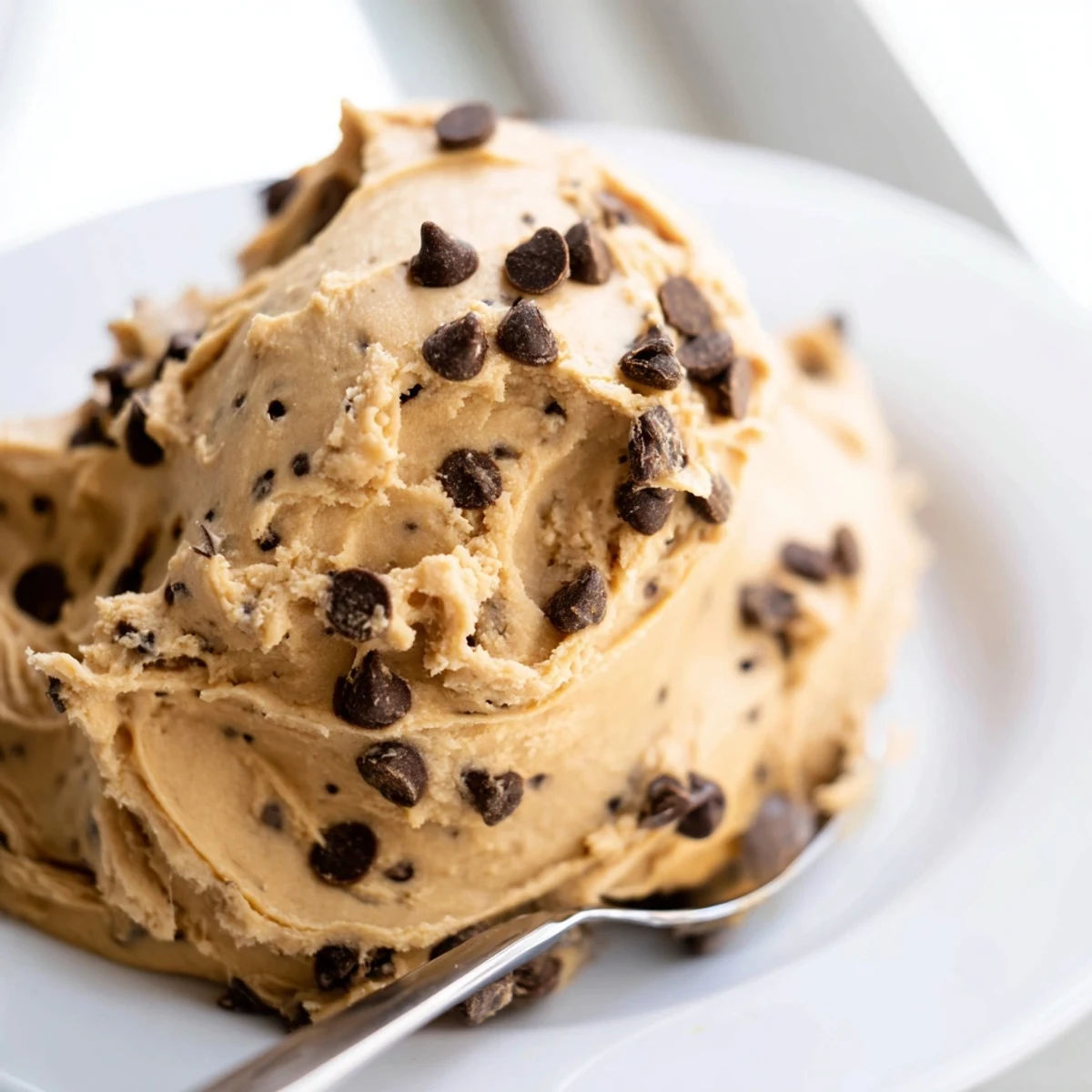
 Indulge in the nostalgic taste of chocolate chip cookie dough transformed into a velvety, spreadable frosting. This luscious topping combines softened butter and light brown sugar for sweetness, while heat-treated flour gives it that authentic doughy texture. Pure vanilla extract enhances the classic flavor profile, and mini chocolate chips provide bursts of chocolate throughout. The result is a rich, creamy finish perfect for crowning your favorite baked treats.
Ready in just 10 minutes, this frosting comes together quickly with basic mixing techniques. The heat-treated flour ensures the mixture is safe to eat while maintaining that beloved raw cookie dough experience. Adjust the milk quantity to achieve your preferred consistency—from thick and spreadable to lighter and fluffier.
I had a basement apartment in college with this tiny windowless kitchen where the ventilation fan hummed constantly. My roommate Sarah and I decided at 2 AM that regular frosting was boring and we needed something that tasted like the forbidden part of baking. We ended up eating half the bowl standing there with spoons, wiped out on sugar but feeling like we'd discovered something magical.
Last summer I made this for my niece's birthday cupcakes. The kids were actually quiet for three whole minutes, just licking frosting off their fingers and doing that little happy dance people do when something hits the spot. My sister-in-law later confessed she hid the leftover container in the back of the fridge so she could have it all to herself after everyone left.
Ingredients
- Unsalted butter: I learned the hard way that salted butter throws off the whole flavor balance and makes it taste like regular frosting instead of cookie dough magic
- Light brown sugar: Dark brown works too but the molasses intensity can hide that delicate cookie dough flavor we're chasing
- Whole milk: The fat content matters here—skim milk leaves the frosting tasting thin and somehow incomplete
- Pure vanilla extract: Don't even think about imitation, the difference in depth is like night and day
- All-purpose flour: Heat-treating is non-negotiable unless you want to play salmonella roulette with your guests
- Fine sea salt: Table salt makes gritty spots and Kosher takes forever to dissolve properly
- Mini chocolate chips: Regular chips create these awkward chocolate boulders that tear through cupcake tops
Instructions
- Get the butter ready:
- Set that butter out on the counter an hour before you start, because cold butter creates this weird curdled mess that never quite smooths out no matter how long you beat it
- Whip it good:
- Beat the butter and brown sugar until it looks pale and fluffy, seriously the full two minutes, because this is what makes it taste like cookie dough instead of sweet butter
- Add the wet stuff:
- Pour in the milk and vanilla, then keep mixing until the sugar granules feel dissolved and everything looks silky smooth
- Bring in the flour:
- Dump in the heat-treated flour and salt on low speed, and I mean low because flour clouds are real and nobody wants to clean that off their ceiling
- The chocolate moment:
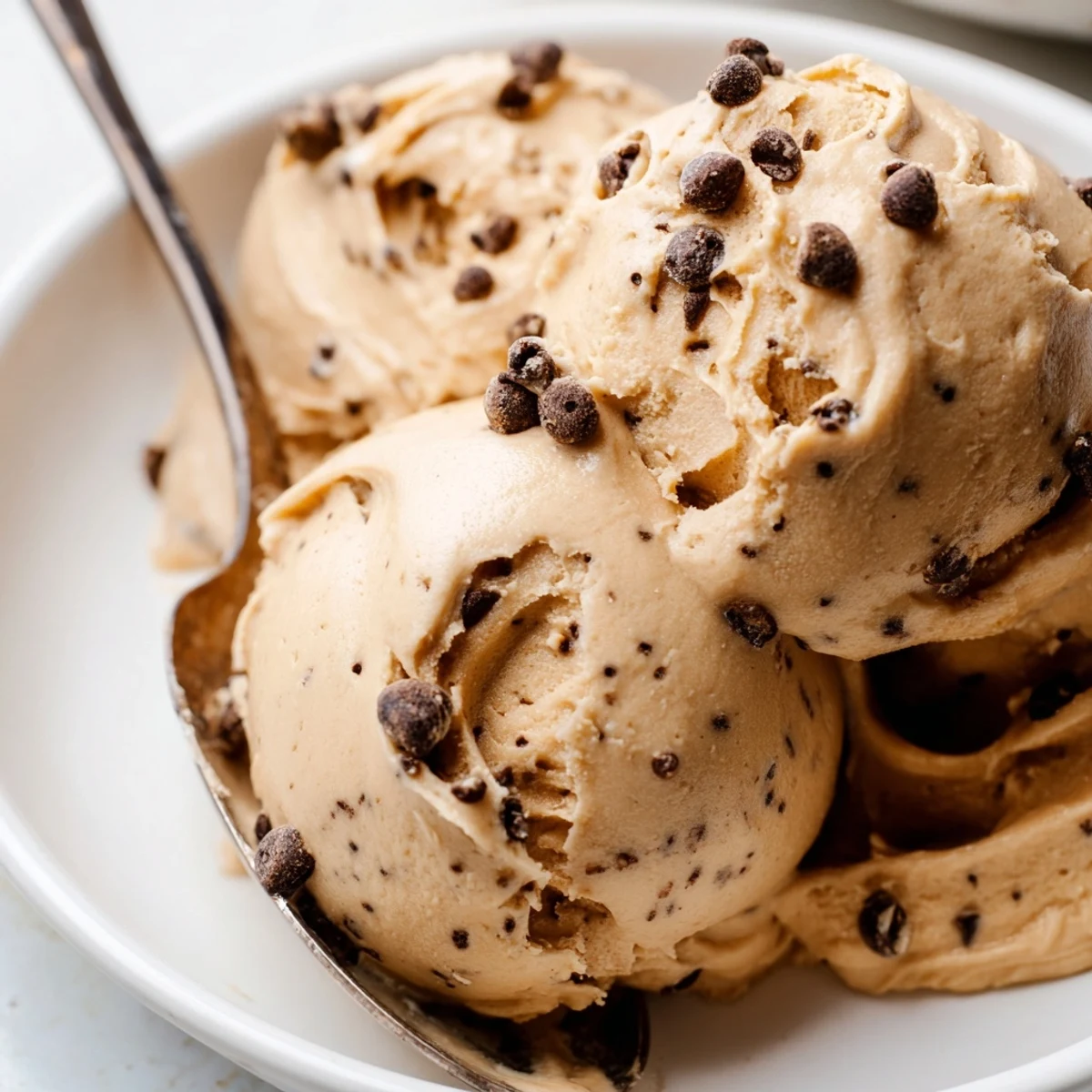
- Fold in those mini chips by hand so they stay intact, then grab a spoon because quality testing is basically mandatory at this stage
 Save to Pinterest
 My dad, who's not even a dessert person, pulled me aside at that birthday party and quietly asked if there was extra frosting he could take home. That's when I knew this wasn't just some random kitchen experiment—it's the kind of recipe that creates actual memories.
Heat-Treating Flour The Right Way
Spread the flour on a baking sheet in an even layer and bake at 350°F for exactly 7 minutes. You want it to reach 160°F internally to kill any bacteria, but don't let it brown or your frosting will taste like burnt toast. Let it cool completely before measuring because hot flour melts butter on contact and creates this weird grainy disaster.
Make It Your Own
Sometimes I throw in crushed graham crackers instead of chocolate chips for this s'mores variation that's absolutely ridiculous. The texture gets a little crunchy and everyone loses their mind over it. Just reduce the chips to half a cup and add three-quarters cup of crushed grahams.
Serving Like A Pro
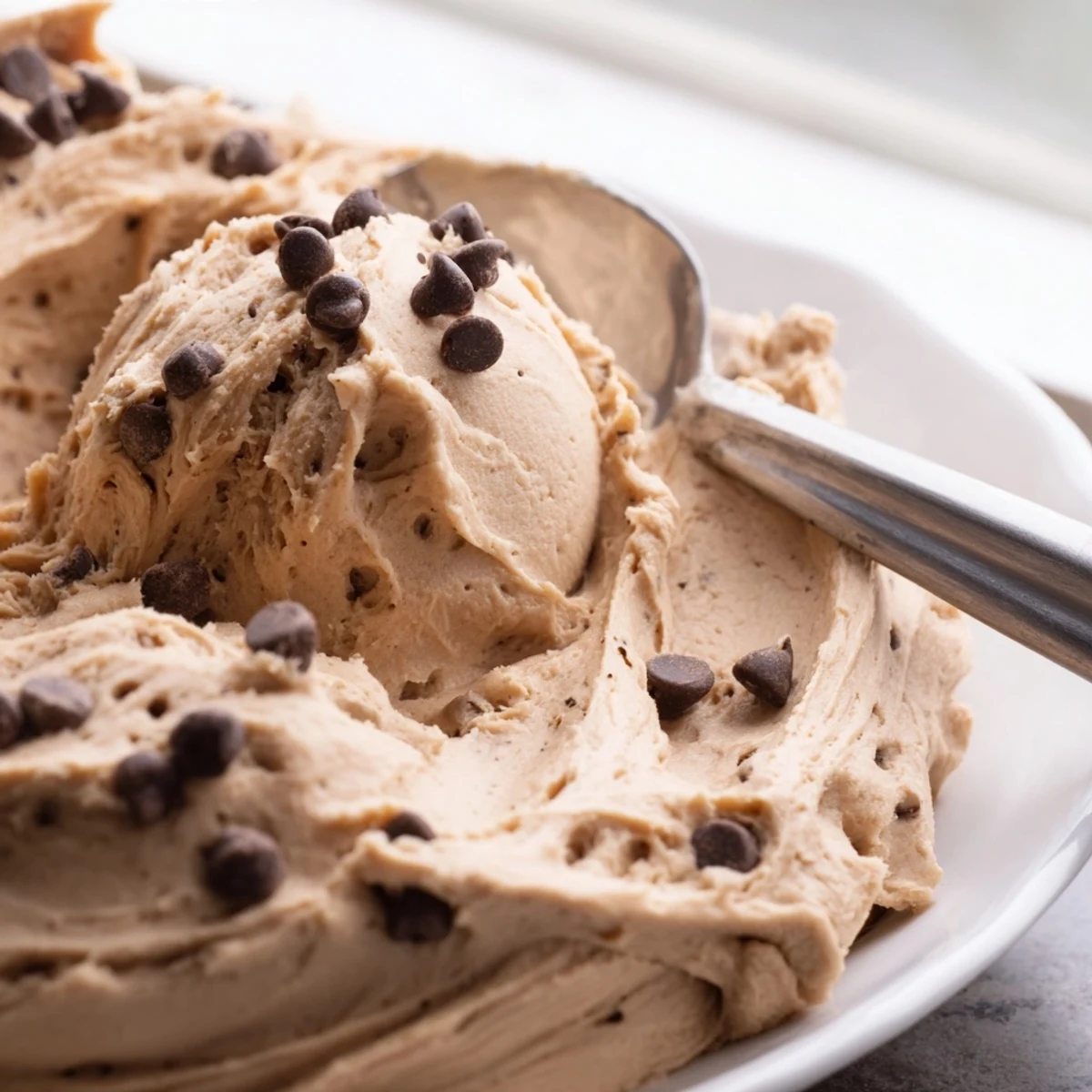
This frosting is too soft for fancy piping work, so just embrace the rustic swirl. A simple spread with the back of a spoon or an offset spatula looks intentional and homey. Press extra mini chips into the top for that bakery finish that makes people think you spent hours on it.
- Chill frosted treats for 15 minutes before serving to help the frosting set
- Store in an airtight container with parchment between layers if you're stacking
- Let refrigerated frosting sit on the counter for 20 minutes before using
 Save to Pinterest
 Some days you just need frosting that reminds you of being six years old and sneaking dough when nobody was watching. This is that recipe, grown up but still just as joyfully delicious.
Frequently asked questions about this recipe
- → Why do I need to heat-treat the flour?
-
Heat-treating flour eliminates potential bacteria, making the frosting safe to eat without baking. Simply spread flour on a baking sheet and bake at 350°F for 5-7 minutes, then cool completely before mixing into the frosting.
- → Can I pipe this frosting onto cupcakes?
-
This frosting has a soft, doughy texture that works best for spreading rather than intricate piping designs. For decorative borders, consider chilling briefly or adding a bit more powdered sugar for structure.
- → How long does this frosting last?
-
Store in an airtight container in the refrigerator for up to 3 days. Before using, let it come to room temperature and give it a quick stir to restore spreadability.
- → Can I make this dairy-free?
-
Substitute vegan butter sticks and plant-based milk for the dairy ingredients. Ensure your chocolate chips are also dairy-free. The texture and flavor will remain similar.
- → What can I use instead of mini chocolate chips?
-
Try chopped walnuts, pecans, white chocolate chunks, or crushed cookie pieces. You can also mix in sprinkles for colorful variations or add crushed peanut butter cups for extra richness.
- → Why is my frosting too thick or thin?
-
If too thick, add one tablespoon of milk at a time until you reach the desired consistency. If too thin, gradually incorporate more heat-treated flour, one tablespoon at a time, chilling briefly if needed.