
 Save to Pinterest
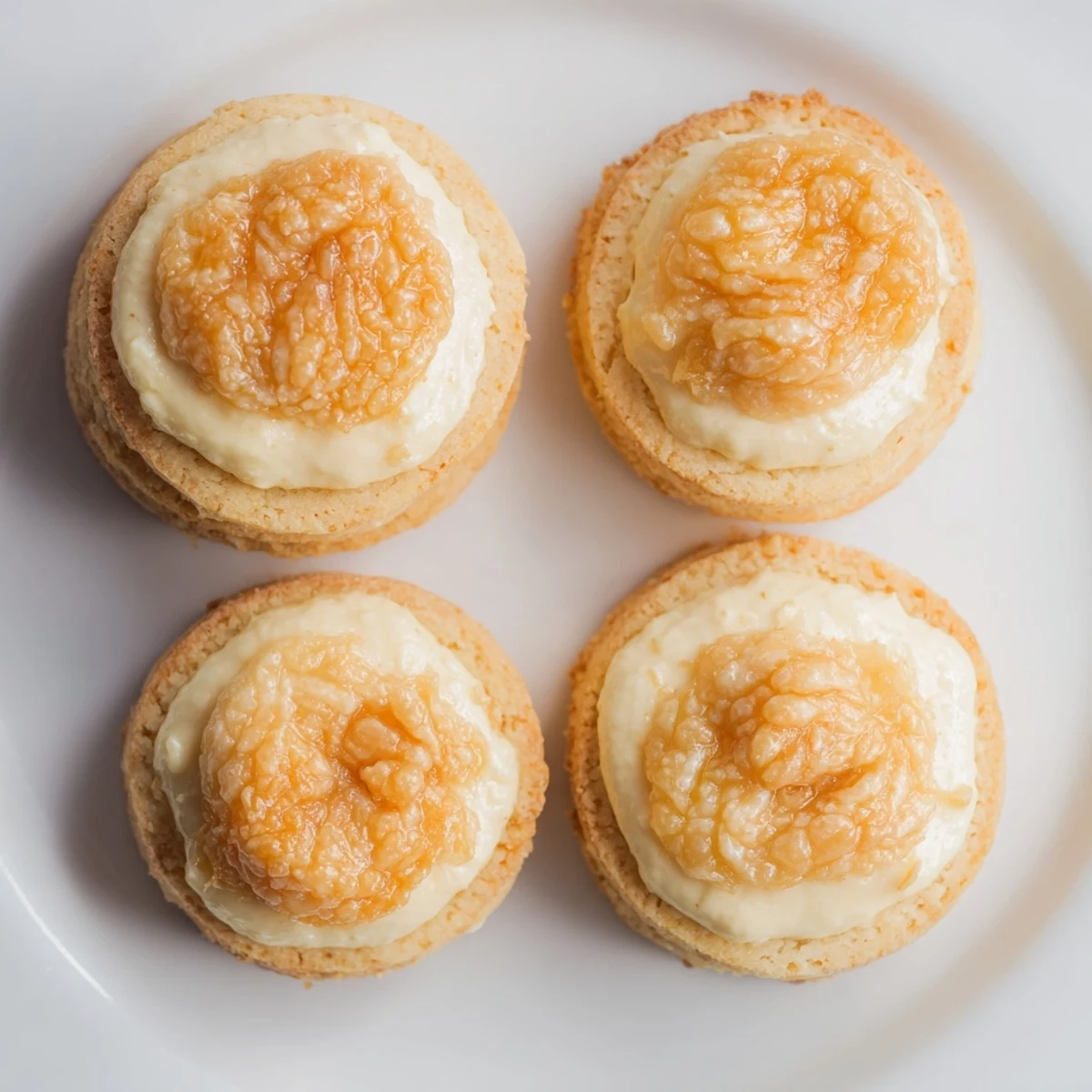
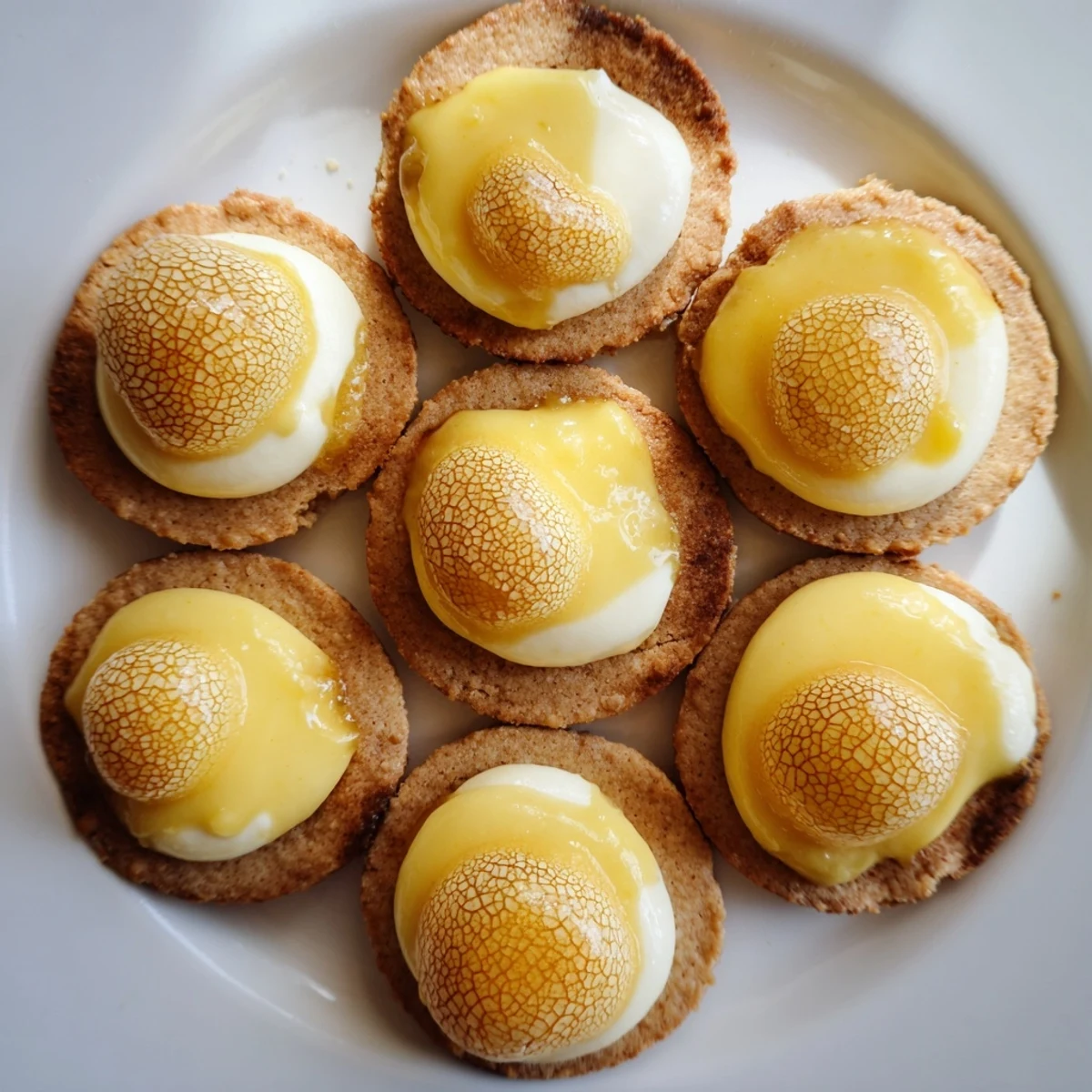
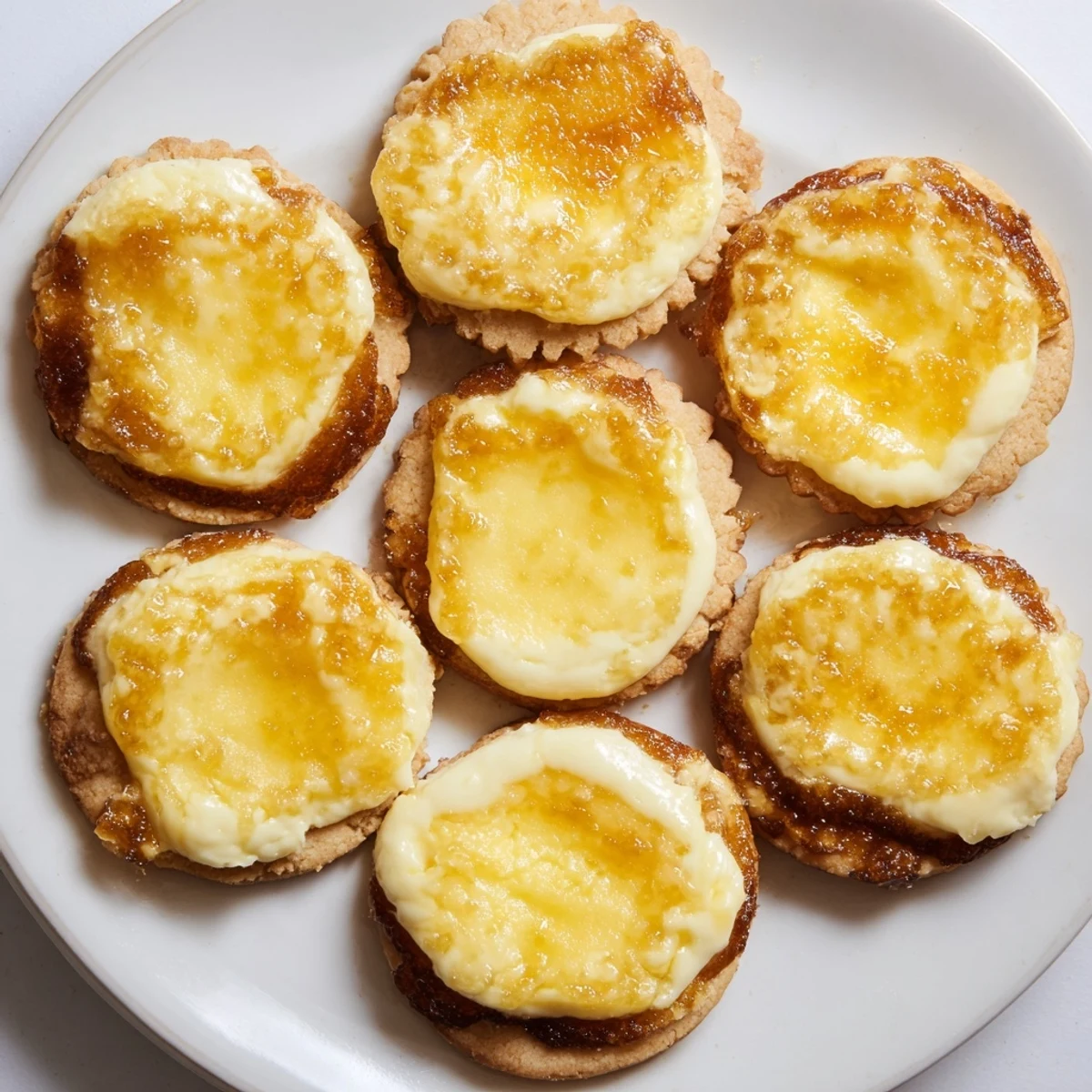
 These delicate treats start with a classic buttery shortbread base that's chilled, sliced, and baked until golden. Each cookie is then crowned with a dollop of rich vanilla custard before being finished with a layer of sugar that's torched until it creates that signature crackling caramelized crust. The result is a sophisticated two-bite dessert that captures all the beloved elements of crème brûlée—creamy vanilla custard, burnt sugar complexity, and satisfying crunch—in a portable format.
The kitchen torch clicked three times before the flame finally caught, that familiar hiss making me smile. I'd been intimidated by caramelizing sugar for years until a dinner guest showed me it's actually quite forgiving. These cookies emerged from wanting the crackle of crème brûlée without the fuss of individual ramekins. Now they're my go-to when I need something impressive but not exhausting.
I brought these to a book club meeting once and watched three people's eyes widen simultaneously at that first crackle of the sugar topping. Someone asked if I'd secretly bought them from a bakery, which might have been the best cooking compliment I've ever received. They disappeared faster than the wine.
Ingredients
- Unsalted butter: Room temperature is non negotiable here, I've tried softened from the fridge and the texture just isn't the same
- Powdered sugar: This creates that melt in your mouth tender crumb, regular sugar makes the shortbread too grainy
- Vanilla extract: Don't skip this even though you're also adding vanilla bean paste, they layer different flavor notes
- All purpose flour: No need to sift it unless it's very lumpy, just measure by spooning into your cup and leveling off
- Salt: Just a quarter teaspoon, but it's crucial for balancing all that butter and sweetness
- Granulated sugar: Split between the custard and caramelizing, plain white sugar gives the cleanest caramel flavor
- Heavy cream: The higher fat content makes a silky custard that won't weep into the cookie
- Vanilla bean paste: Those little black specks make these look so special, though pure extract works too
- Egg yolks: Save the whites for an omelet or meringue, the yolks create the rich custard base
Instructions
- Cream the butter mixture:
- Beat that butter and powdered sugar until it's lighter in color and almost cloudlike, about three full minutes with a mixer
- Combine the dry ingredients:
- Pour in the vanilla first, then gently fold in the flour and salt just until you no longer see white streaks
- Shape and chill the dough:
- Form your logs, wrap them tight, and let them rest in the fridge for at least thirty minutes or they'll spread too much
- Prep your baking space:
- Get your oven to 350°F and line those sheets now, you'll want to work quickly once the dough is sliced
- Slice and bake:
- Cut half inch rounds and bake twelve to fourteen minutes, pulling them when edges are just barely golden
- Make the custard:
- Whisk everything constantly over medium low heat until it thickens slightly, about four minutes, then let it cool completely
- Assemble the cookies:
- Spoon a tiny amount of custard on each cooled cookie, then sprinkle sugar and torch until it turns amber and crackly
 Save to Pinterest
 My neighbor texts me every few months asking if I have any of these in my freezer, and I've started keeping a hidden stash just for those requests. Something about that combination of tender shortbread and burnt sugar just makes people feel special.
Making These Ahead
You can freeze the unbaked dough logs for up to a month, wrapped well in plastic and then foil. Just slice and bake from frozen, adding maybe one minute to the baking time. The custard is best made the day you're serving.
Getting That Perfect Caramel
Hold the torch about two inches from the sugar and keep it moving in small circles until you see the sugar turn from white to golden to amber. It happens fast once it starts, so don't walk away even for a second.
Serving Suggestions
These are elegant enough for a dinner party but casual enough for afternoon coffee. The custard softens over time, so I always torch them just before guests arrive.
- Pair with espresso or a dessert wine like Sauternes
- Set up a little torch station and let guests caramelize their own
- Arrange on a platter with fresh berries for color contrast
 Save to Pinterest
 There's something deeply satisfying about breaking through that caramelized sugar crust into creamy custard and tender buttery cookie. These remind me that the best desserts are often just the simplest ones, done with care.
Frequently asked questions about this recipe
- → Can I make these without a kitchen torch?
-
Yes, you can caramelize the sugar under your oven's broiler. Watch closely as it only takes 1-2 minutes. Keep the door open and rotate the pan for even browning.
- → How long do these stay crisp?
-
The caramelized sugar topping stays crisp for several hours, but humidity will eventually soften it. For best results, torch just before serving. Store unbaked dough logs in the freezer for up to 3 months.
- → Can I use store-bought custard?
-
While possible, homemade custard provides the best flavor and consistency. If using store-bought, choose a thick vanilla pudding or pastry cream and avoid overly sweet varieties.
- → Why must the dough be chilled?
-
Chilling firms the butter, preventing cookies from spreading too thin while baking. It also makes slicing clean, even rounds much easier. Thirty minutes minimum is required, but overnight works too.
- → What's the best way to get an even caramelized top?
-
Sprinkle sugar in a thin, even layer using a small sieve. Hold the torch 2-3 inches away and move in circular motions until the sugar melts and turns amber. Let it harden completely before touching.
- → Can I make these smaller or larger?
-
Absolutely. Adjust baking time accordingly—smaller cookies need 10-12 minutes, larger ones may need 14-16. Keep the thickness consistent for even baking regardless of diameter.