
 Save to Pinterest
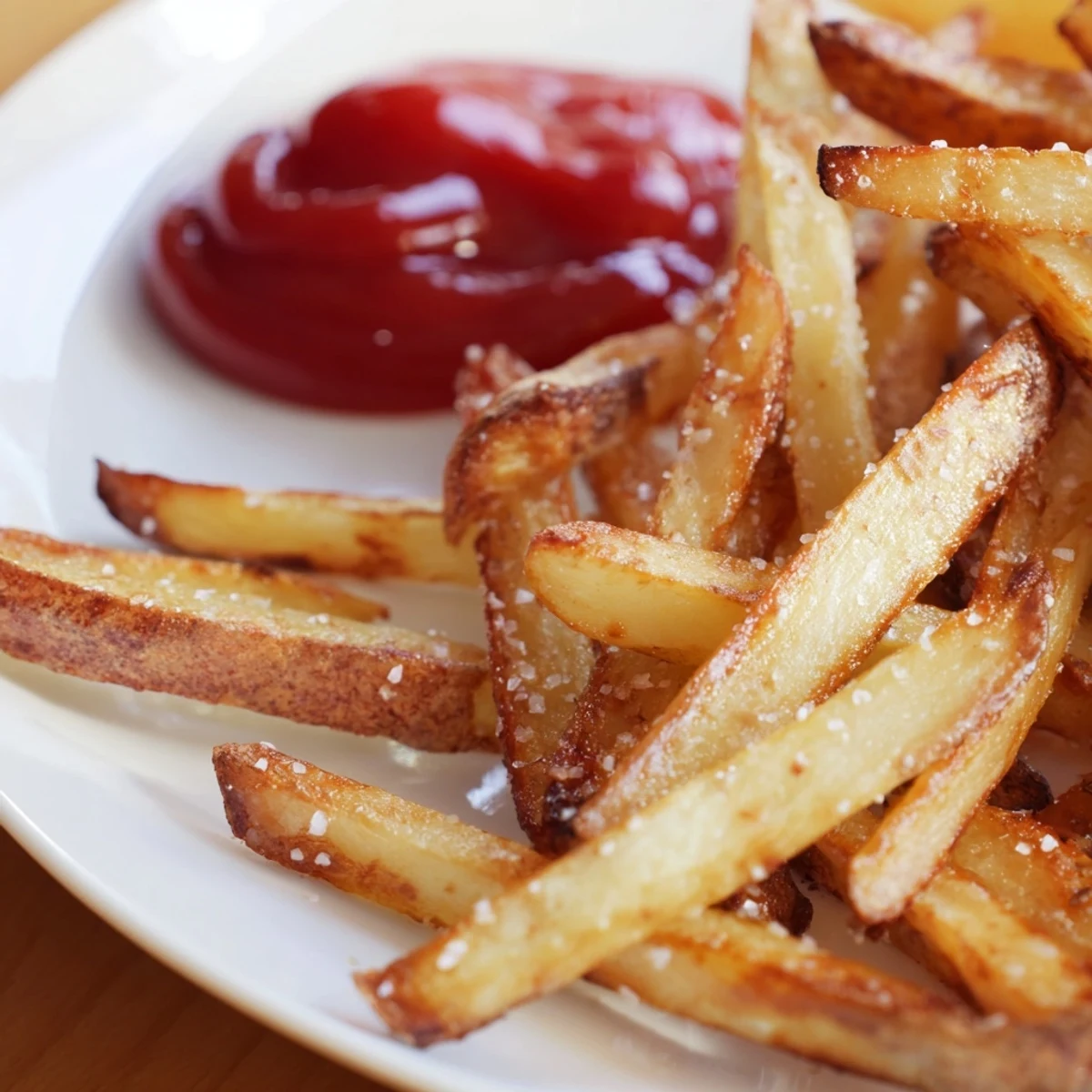
 These golden fries are double-fried to achieve a perfect crisp exterior while remaining tender inside. Starting with rinsed and dried cut potatoes, they're first fried at a lower temperature to cook through, then fried again at a higher heat for that iconic crunch. Tossed in sea salt and served hot alongside tangy ketchup, this snack or side highlights simple ingredients with classic flavors. Optional soaking and seasoning variations allow for a customizable treat that pairs well with various dips.
There's something about the sound of potatoes hitting hot oil that pulls me back to a particular Friday night when my roommate challenged me to make fries better than the takeout place down the street. I'd never paid attention to the technique before, just assumed it was magic. Turns out it wasn't—it was patience, temperature, and a willingness to fry things twice.
I learned the hard way that skipping the starch rinse means gluey, not crispy, results—my first batch taught me that lesson in real time. But the moment everything clicked was when I served them to friends during a casual dinner, and watching someone's face when they bit into that contrast was worth every minute of attention to detail.
Ingredients
- Russet potatoes: The starch content is what makes them perfect for frying, and their size means fewer cuts required. I learned to cut them as uniformly as possible so they cook evenly.
- Vegetable oil: Neutral oils like sunflower or canola have higher smoke points, which matters when you're pushing temperatures to 190°C. Keep a thermometer nearby and take the guesswork out.
- Sea salt: Coarse crystals taste better than fine salt, and seasoning while they're hot makes it stick. The timing matters more than you'd think.
- Ketchup: Classic for a reason, though this is your moment to experiment with whatever dipping sauce calls to you.
Instructions
- Prepare and rinse the potatoes:
- Cut your potatoes into fries about the thickness of a pencil, then submerge them in cold water and let the water run clear. This removes surface starch and is genuinely non-negotiable for crispiness. The water should go from cloudy to clear—that's how you know you're done.
- Heat the oil for the first fry:
- Get your oil to 175°C using a thermometer—don't guess. This is where patience pays off; rushing this step means your fries absorb oil instead of crisping.
- First fry: cook through:
- Work in batches so you don't crowd the pot and drop the temperature. Fry for 4–5 minutes until they're pale and tender, then pull them onto paper towels to drain. You're cooking them through here, not crisping them yet.
- Crank up the heat for the final fry:
- Crank up the heat for the final fry:
- Bring the oil to 190°C. This higher temperature is what shatters the outside and gives you that audible crunch. Give yourself a moment between batches so the oil fully recovers.
- Second fry: get that golden crunch:
- Return your fries in batches for 2–3 minutes until they're deep golden and crispy. You'll see tiny bubbles slow down around them when they're ready—that's your signal.
- Season immediately and serve:
- Drain them well and toss with salt right away while they're hot and still willing to accept seasoning. Serve immediately with ketchup and don't let them sit or they'll lose the crispiness you just earned.
 Save to Pinterest
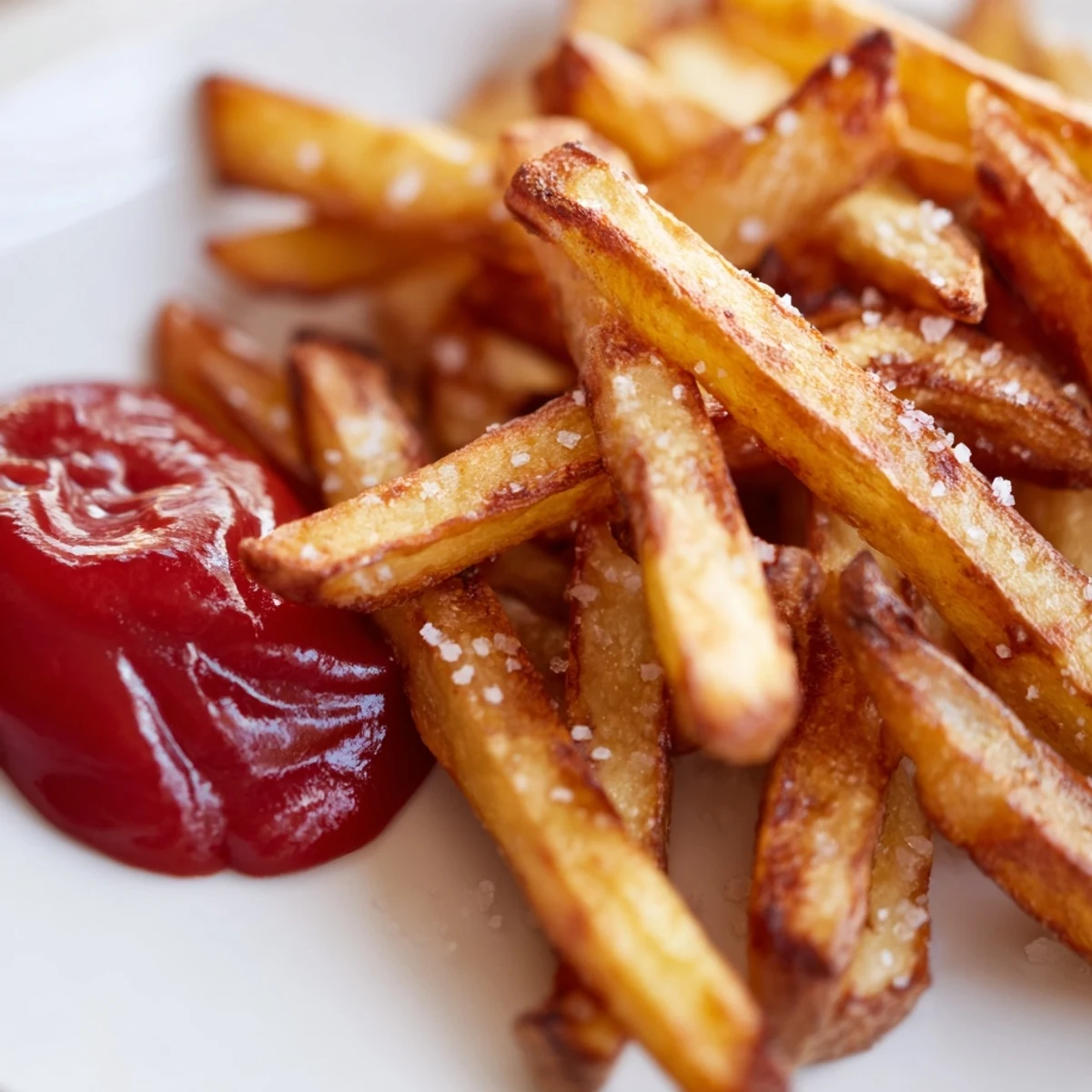
 There was a moment during that same Friday night when my roommate took a fry, bit into it, and just went quiet. Not because something was wrong, but because the texture was surprising—that immediate snap followed by the soft inside. That silence felt like winning something small and real, and it made me realize why people care enough about fries to do them right.
The Science Behind the Crispiness
Double-frying works because the first cook softens the potato and forces moisture out slowly, then the second fry at higher heat creates the Maillard reaction and seals the exterior before any new moisture can get in. Understanding this changed how I approached other fried foods too—it's not about temperature alone, it's about timing and temperature working together. When you see the oil stop bubbling vigorously around your fries, that's when they're truly done.
Variations Worth Trying
Once you nail the basic technique, the fries themselves become a blank canvas. Smoked paprika and garlic powder transform them into something more sophisticated, while fresh herbs scattered on top add brightness. I've also learned that different potatoes behave differently—fingerling potatoes give you a different texture entirely, almost waxy compared to the fluffy russet. The ketchup pairing is classic for a reason, but don't sleep on aioli, spicy mayo, or even malt vinegar if you want to shift the mood.
Troubleshooting and Storage
Greasy fries usually mean the oil wasn't hot enough or you added too many at once and the temperature dropped. Soggy centers mean you didn't cook them long enough in the first fry. Best eaten fresh and hot, though you can reheat leftovers in a 200°C oven for about five minutes to restore some crispiness. Keep these things in mind and you'll solve most problems before they happen.
- Pat your potatoes completely dry after rinsing—any lingering water turns to steam and makes them soggy.
- Never skip the first fry just because you're impatient; that gentle cook is what makes the second fry matter.
- Serve immediately and eat them while they're still hot, because that's when they're genuinely at their best.
 Save to Pinterest
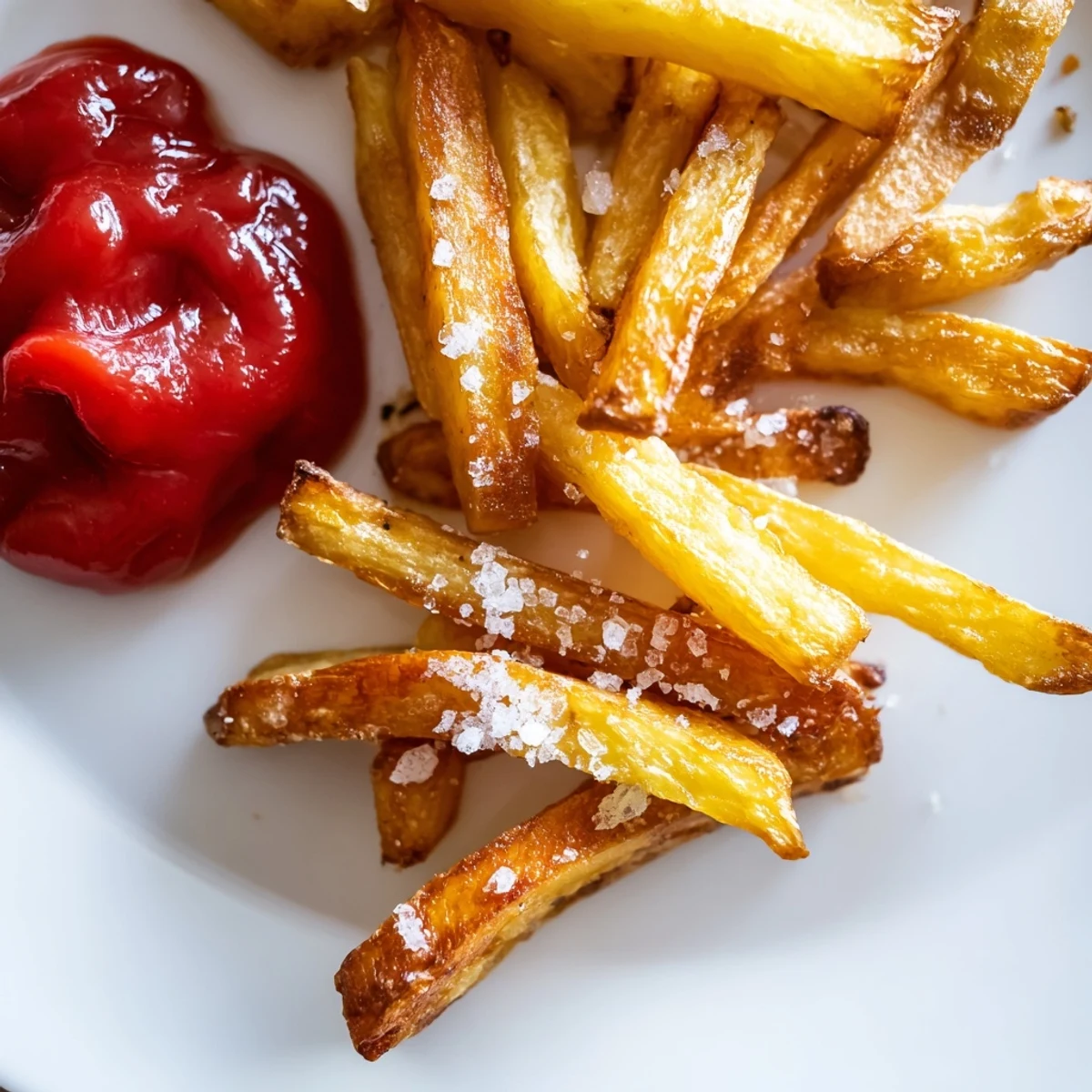
 Perfect fries are one of those rare recipes where technique actually matters more than ingredients, and once you understand why each step exists, you'll make them the same way every time. There's real satisfaction in that consistency.
Frequently asked questions about this recipe
- → What makes these fries crispy?
-
Double frying at two temperatures ensures the fries cook through and develop a crispy exterior without becoming greasy.
- → Is peeling the potatoes necessary?
-
Peeling is optional; leaving skin on adds texture and nutrients but peeled fries yield a smoother finish.
- → Can I soak the fries before frying?
-
Soaking in cold water for 30 minutes removes starch, helping achieve a crispier texture after frying.
- → What oil is best for frying?
-
Neutral oils with high smoke points like sunflower or canola oil work well for frying these fries.
- → How should fries be seasoned?
-
Simple sea salt enhances flavor immediately after frying; alternative seasonings like smoked paprika or garlic powder add variety.